



Cooking fish in cast iron is one of the best ways to achieve beautifully crisp skin, deep caramelization, and rich flavor. The pan retains heat exceptionally well, allowing fish to sear evenly without sticking when properly heated. However, many home cooks experience something frustrating afterward — a lingering fishy smell that remains in the pan even after washing it thoroughly.
This often leads to immediate concern.
Is this normal?
Is the seasoning damaged?
Will the next dish taste like fish?
The reassuring answer is that this is a very common occurrence. In most cases, it is completely manageable and rarely a sign of permanent damage. Cast iron behaves differently from other cookware materials, and understanding why it retains odors makes the solution much clearer.
Let’s take a closer look at why cast iron holds onto fish smells, how to remove them safely without harming the seasoning, and how to prevent the issue moving forward.
Table of Contents
- 1. Why Cast Iron Holds Onto Fish Smells
- 2. Is It a Sign Your Pan Is Ruined?
- 3. How to Remove Fish Smell from Cast Iron
- 4. What NOT to Do
- 5. How to Prevent Fish Smell in the Future
- 6. Does the Quality of Cast Iron Matter?
- 7. Can You Cook Other Dishes After Fish?
- 8. When Should You Fully Re-Season?
- 9. Conclusion
Why Cast Iron Holds Onto Fish Smells
To understand the odor issue, it helps to understand how cast iron is structured and how it interacts with oils during cooking.
1. Cast Iron Is Seasoned, Not Coated
Unlike non-stick cookware that relies on a synthetic coating, cast iron develops what is known as a seasoned layer. This layer forms when oil is heated repeatedly on the surface of the pan, causing it to polymerize — meaning it bonds and hardens into a protective film.
This seasoning:
· Protects the pan from rust
· Creates a naturally slick, non-stick cooking surface
· Bonds with cooking fats over time
· Improves with use
However, even a well-seasoned pan is not perfectly smooth at a microscopic level. The surface contains tiny pores and irregularities that help hold the seasoning in place. These same microscopic spaces can also trap cooking oils — particularly strongly aromatic oils like those released when cooking fish.
When fish cooks in cast iron:
· Natural oils render out of the fish
· Aroma compounds bind to those oils
· Some oil settles into the seasoning layer
If that residual oil is not fully removed during cleaning, it can oxidize or slightly turn rancid. That oxidation is often what creates the lingering fishy smell.
2. Fish Contains Strong Aroma Compounds
Fish naturally contains powerful odor-producing compounds. One of the most well-known is trimethylamine (TMA), which is responsible for the characteristic “fishy” smell. In addition, fish contains marine fatty acids, omega-3 oils, and proteins that break down when exposed to high heat.
When you sear fish in a hot pan:
· These compounds intensify
· Fat molecules carry and concentrate aroma
· Heat amplifies the scent
Fatty fish such as mackerel, sardines, or salmon tend to release more oil and leave stronger odors behind compared to lean white fish like cod or tilapia.
If the cooking fat isn’t fully removed from the pan’s surface, those aroma compounds remain embedded in the oil layer, which leads to lingering smells during the next use.
3. Oil Buildup Can Trap Odor
Over time, cast iron can accumulate uneven oil layers if it is repeatedly oiled too heavily after cleaning. Instead of forming a thin, smooth seasoning layer, excess oil may create sticky patches.
This oil buildup:
· Feels tacky or slightly greasy
· Attracts and traps odor molecules
· Intensifies smell when reheated
Each time the pan is heated again, trapped odor compounds are reactivated, making the smell seem stronger than it actually is.
This is particularly common when:
· Too much oil is applied after washing
· The oil is not wiped down thoroughly
· The pan is stored without fully drying
4. Incomplete Drying After Washing
Moisture is another key contributor to lingering odor.
When cast iron is washed and left to air dry:
· Small droplets of water can remain
· Residual oil may oxidize
· Odor compounds can intensify
Moisture combined with oil accelerates oxidation, which can amplify smells. This is why proper drying — especially heating briefly on the stovetop after washing — is one of the most important maintenance steps.

Is It a Sign Your Pan Is Ruined?
In most cases, absolutely not.
A lingering fish smell does not mean:
· The seasoning has been destroyed
· The pan is unsafe to use
· The cookware needs replacement
It simply indicates that some oil residue remains within the seasoning layer.
However, corrective action is recommended if:
· The surface feels sticky
· The pan smells strongly even when dry
· Food flavor transfers between dishes
· The surface looks glossy or uneven
These signs usually point to oil buildup rather than permanent damage.
How to Remove Fish Smell from Cast Iron
Here are effective and safe cleaning methods that preserve your seasoning while eliminating odor.
Method 1: Coarse Salt Scrub (Best Everyday Solution)
This is the most reliable method for mild to moderate smells.
Salt works as a gentle abrasive that removes residual oil without stripping the seasoning layer.
Steps:
1. Warm the pan slightly so it is comfortable to touch but not hot.
2. Add 2–3 tablespoons of coarse salt.
3. Scrub firmly using a paper towel or cloth.
4. Discard the salt.
5. Rinse lightly with warm water.
6. Dry completely on low heat.
7. Apply a very thin layer of oil and wipe off all excess.
This method refreshes the surface and removes odor without compromising the seasoning.
Method 2: Vinegar Steam Neutralization
If the smell persists after scrubbing, a short vinegar steam can help neutralize odor molecules.
Steps:
1. Add equal parts water and white vinegar (about 1 cup total).
2. Bring to a gentle boil for 2–3 minutes.
3. Discard the liquid immediately.
4. Rinse and dry thoroughly.
5. Lightly oil and heat to restore protection.
Do not soak the pan in vinegar, as prolonged acidity can weaken seasoning.
Method 3: Baking Soda Deep Clean
Baking soda helps break down stubborn grease that may be holding odor.
1. Add water and 1 tablespoon baking soda.
2. Simmer gently for 5 minutes.
3. Scrub lightly.
4. Rinse and dry completely.
5. Apply a thin oil layer and heat briefly.
This method is effective for grease-heavy buildup.
Method 4: Oven Heat Reset
For persistent odor that resurfaces repeatedly:
1. Wash and dry the pan completely.
2. Place it upside down in the oven.
3. Heat at 200–220°C for 30–40 minutes.
4. Allow to cool.
5. Lightly oil the surface.
High, dry heat helps burn off residual odor-causing compounds.
What NOT to Do
Avoid the following:
· Soaking the pan overnight
· Using harsh chemical cleaners
· Aggressively scrubbing with steel wool unless fully re-seasoning
· Storing the pan damp
· Applying thick oil layers after washing
Excess oil is one of the biggest contributors to odor retention.
How to Prevent Fish Smell in the Future
Prevention is simpler than correction.
Preheat Properly
A well-heated pan seals the surface and reduces oil absorption.
Use the Right Amount of Oil
Use enough oil to coat the surface lightly, but avoid pooling.
Clean While Warm
Cleaning immediately after cooking prevents residue from settling.
Always Dry on Heat
After washing, heat the pan for 1–2 minutes to remove all moisture before oiling.
Store Dry, Not Greasy
The surface should feel dry to the touch, not slick.
Does the Quality of Cast Iron Matter?
Yes, it does.
Higher-quality cast iron cookware often:
· Has smoother surface finishing
· Develops more even seasoning
· Requires less oil buildup
· Retains less odor
For example, Meyer Pre-Seasoned Cast Iron Cookware is manufactured with smoother finishing and factory-applied seasoning, which helps reduce microscopic roughness. A smoother surface means less oil pooling and improved resistance to odor absorption over time.
Rougher, lower-quality cast iron tends to hold more residual oil in surface irregularities, increasing odor retention.
Can You Cook Other Dishes After Fish?
Absolutely — once the odor is neutralized.
If cleaned properly:
· Eggs will not taste fishy
· Rotis will remain neutral
· Pancakes will not absorb flavor
If you still notice smell when heating the empty pan, perform a quick salt scrub before cooking your next dish.
When Should You Fully Re-Season?
Full re-seasoning is rarely necessary for odor alone. However, consider it if:
· Smell returns repeatedly
· The surface feels sticky
· Food begins sticking more than usual
· Uneven dark buildup is visible
In that case:
· Deep clean
· Dry thoroughly
· Apply thin oil layer
· Bake at high heat
· Cool and repeat if needed
Most odor problems resolve long before full stripping is required.
Conclusion
Cast iron sometimes smells after cooking fish because aromatic oils bind to the seasoned surface. This is normal, temporary, and completely fixable.
With proper cleaning, careful drying, and controlled oil application:
· Odor disappears
· Seasoning remains intact
· Performance stays strong
Fish can confidently be cooked in cast iron — including premium options like Meyer Pre-Seasoned Cast Iron Cookware — without long-term issues.
The key is not avoiding fish. The key is mastering maintenance.
With the right habits, your cast iron will remain versatile, neutral-smelling, and dependable for years to come.
MORE FROM BLOG
Top Collections
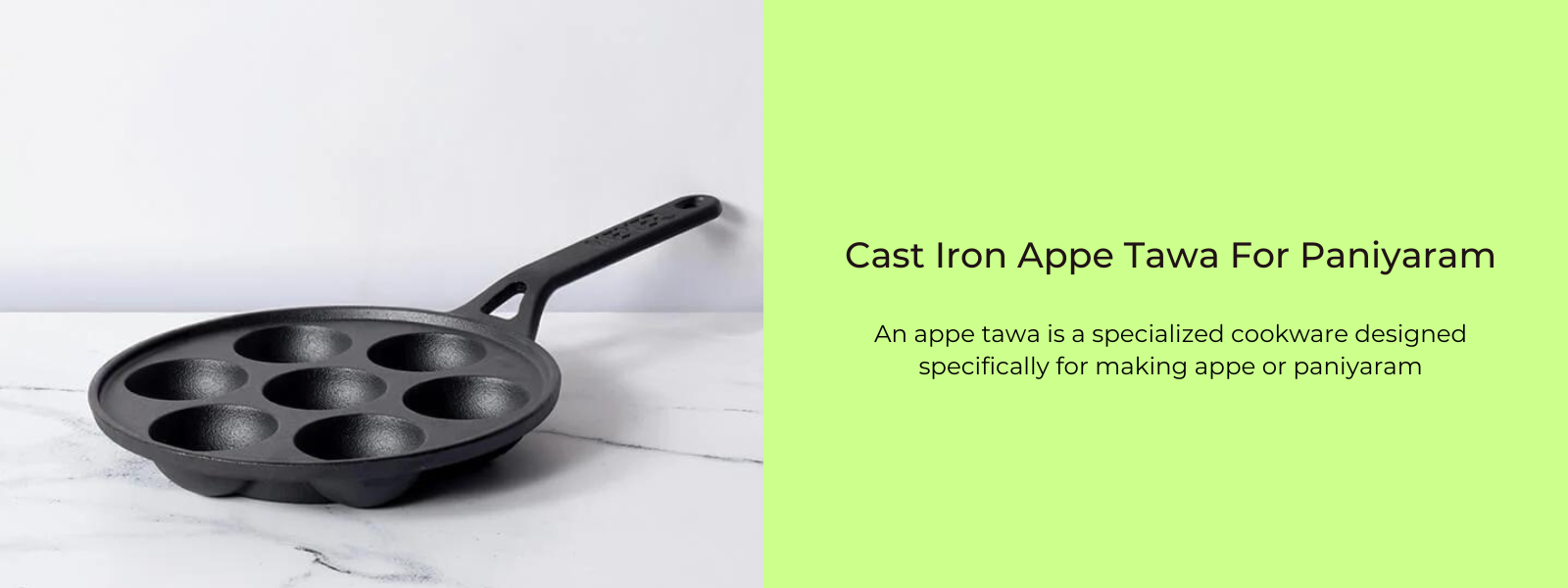
Best Cast Iron Appe Tawa For Paniyaram
2 Items
Best Cast Iron Cookware In India For Indian Food
2 Items
Best Cast Iron Tawa For Roti In India For Easy Cooking
2 Items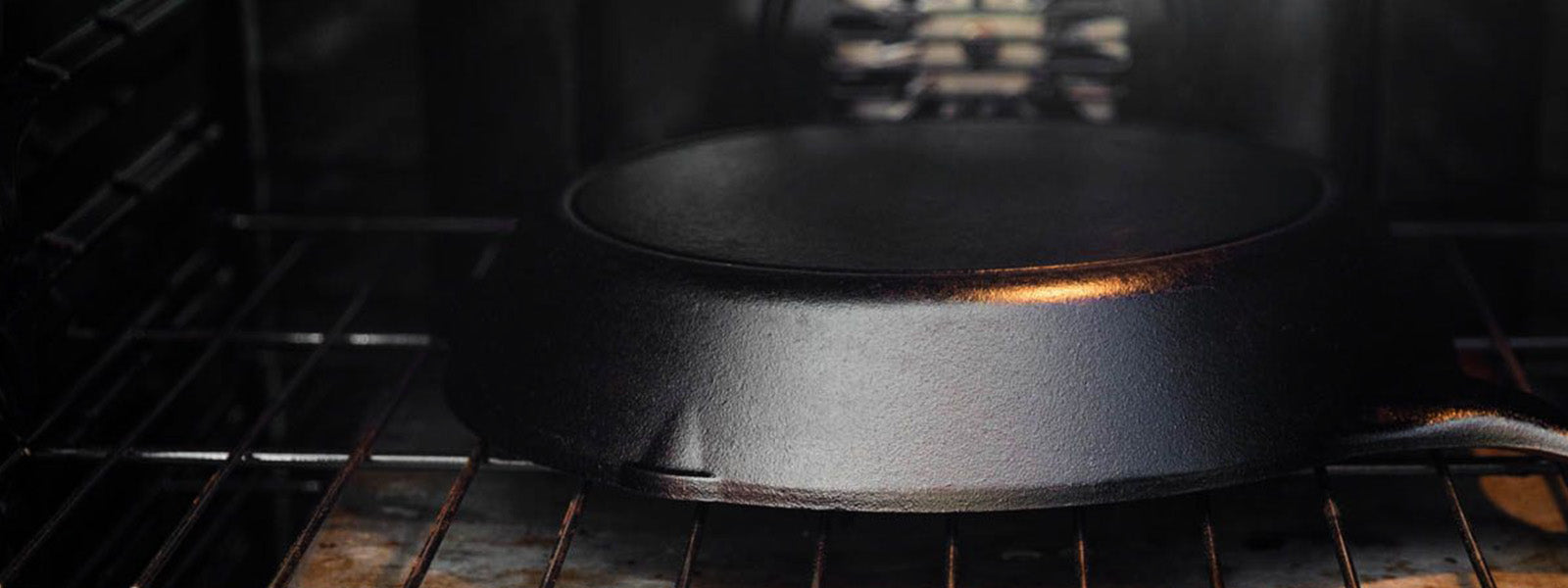
Can Cast Iron go from the fridge to the oven?
2 Items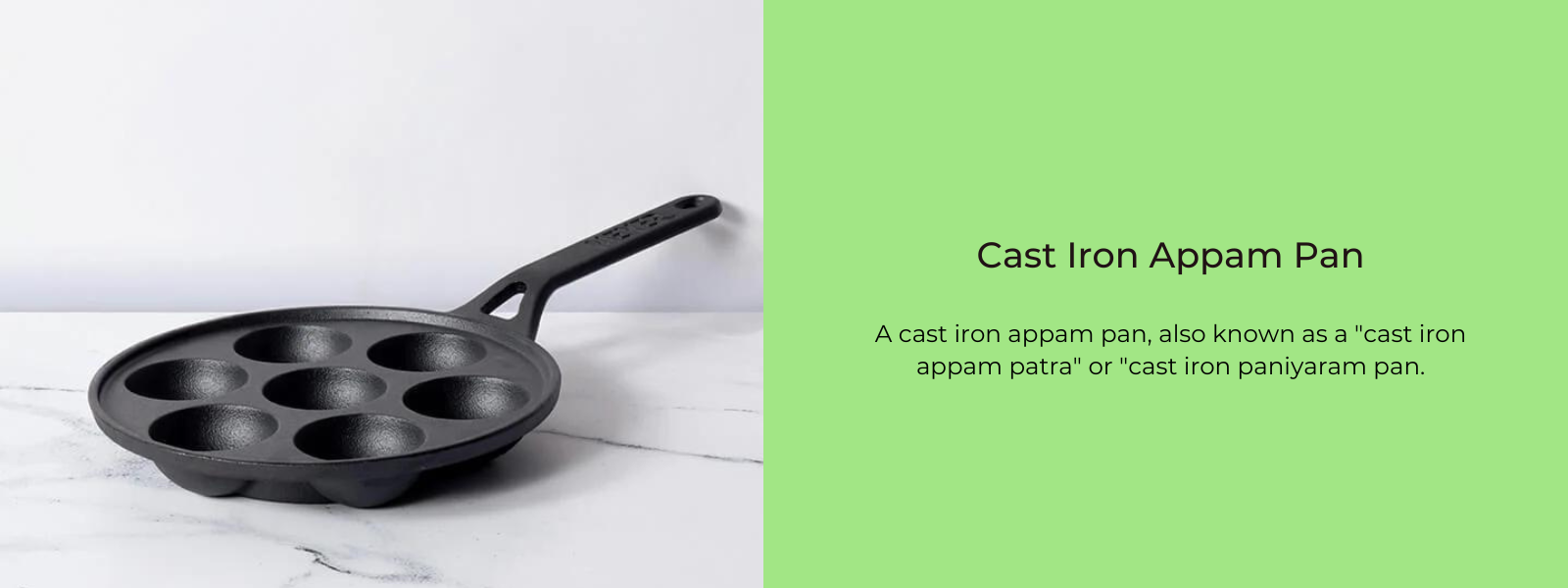
Cast Iron Appam Pan: Cookware That Lasts For Lifetime
2 Items
Cast Iron Cookware: Best Practices for Cleaning and Storage
2 Items


Leave a comment