



Few things are more frustrating in the kitchen than watching your food stick stubbornly to the pan despite adding oil. What should be a smooth cooking process often turns into broken textures, uneven cooking, and a difficult cleanup. The reality is that sticking is not just about oil. It is the result of a combination of factors such as heat control, cookware material, cooking technique, and even the type of food you are preparing.
Understanding why food sticks can completely change the way you cook. Once you get these fundamentals right, you will notice better browning, improved texture, and far less effort while cooking and cleaning.
Table of Contents
- 1. The Science Behind Food Sticking
- 2. The Pan Isn’t Properly Preheated
- 3. Adding Oil at the Wrong Stage
- 4. Using the Wrong Type of Cookware
- 5. Overcrowding the Pan
- 6. Moving Food Too Soon
- 7. Not Using the Right Amount or Type of Oil
- 8. The Condition of Your Pan
- 9. Cooking Certain Foods That Naturally Stick
- 10. The Role of Cookware Quality
- 11. Simple Tips to Prevent Food from Sticking
- 12. Final Thoughts
The Science Behind Food Sticking
When food is placed on a pan, a natural interaction begins between the surface of the food and the cooking surface. Proteins and sugars in the food tend to bond with the metal, especially when the conditions are not ideal. This is a normal part of cooking and is actually what helps create browning and flavor.
Oil helps reduce this bonding by creating a thin layer between the food and the pan. However, this layer only works effectively when the temperature is correct and the surface is properly prepared. If either of these is off, food will stick regardless of how much oil is used.

The Pan Isn’t Properly Preheated
One of the most common reasons for sticking is starting with a pan that has not been heated enough.
When the pan is cold or only slightly warm, oil does not spread evenly across the surface. Instead, food settles into tiny pores in the metal and forms bonds that lead to sticking. This is particularly noticeable with stainless steel cookware.
A properly preheated pan creates a surface where oil can move freely and coat the base evenly. This helps create a temporary barrier that prevents food from sticking. A simple way to check if your pan is ready is to sprinkle a few drops of water. If the droplets sizzle and move quickly across the surface, the pan is at the right temperature.
Adding Oil at the Wrong Stage
The timing of when you add oil plays a significant role in how your food cooks.
If oil is added to a cold pan and heated slowly, it may not form an even layer. This reduces its ability to prevent sticking. On the other hand, if oil is added to a pan that is already too hot, it can start to smoke and break down, losing its effectiveness.
The best approach is to heat the pan first and then add oil just before placing the food. This ensures that the oil maintains its structure and spreads evenly across the cooking surface.
Using the Wrong Type of Cookware
Different cookware materials behave differently when exposed to heat and food.
Stainless steel pans are durable and versatile but require proper technique. Without preheating and correct oil usage, food can easily stick. Cast iron pans develop a natural non-stick surface over time, but only if they are well-seasoned and maintained properly.
Non-stick pans are designed to prevent sticking, but their performance depends on the condition of the coating. If the surface is scratched or overheated, it may no longer function effectively.
Choosing the right cookware for the type of dish you are preparing can make a noticeable difference in reducing sticking.
Overcrowding the Pan
Adding too much food at once is another common mistake that leads to sticking.
When a pan is overcrowded, its temperature drops quickly. Instead of searing, the food begins to release moisture and steam. This prevents proper browning and increases the chances of sticking.
Cooking in smaller batches allows the pan to maintain its temperature and ensures that food cooks evenly. It also gives each ingredient enough space to develop a proper surface before being moved.
Moving Food Too Soon
Patience plays an important role in preventing sticking.
Many foods naturally stick at the beginning of the cooking process but release on their own once a crust forms. This is especially true for proteins like paneer, eggs, and meat.
If you try to flip or move the food too early, it will tear and stick to the pan. Allowing it to cook undisturbed for a few minutes helps it develop a surface that separates more easily.
Not Using the Right Amount or Type of Oil
Using too little oil can increase the chances of sticking, particularly in pans that are not naturally non-stick. While it is not necessary to use excessive oil, there should be enough to coat the surface adequately.
The type of oil also matters. Oils with higher smoke points are better suited for high-heat cooking. If the oil burns, it breaks down and loses its ability to act as a barrier between the food and the pan.
Selecting the right oil and using it in the correct quantity helps improve cooking results.
The Condition of Your Pan
The surface condition of your cookware directly affects its performance.
Non-stick pans that are scratched or worn out lose their ability to prevent sticking. Cast iron pans that are not properly seasoned can develop rough surfaces that cause food to cling.
Even stainless steel pans can accumulate residue over time, which interferes with smooth cooking. Regular cleaning and proper maintenance are essential to keep your cookware functioning effectively.
Cooking Certain Foods That Naturally Stick
Some foods are more prone to sticking due to their composition.
Eggs, paneer, fish, and potatoes contain proteins or starches that tend to bond with the pan. These foods require careful heat control and proper oiling techniques.
Allowing these ingredients to cook fully before attempting to move them can significantly reduce sticking. Using the right pan for these foods also makes a difference.
The Role of Cookware Quality
The quality of your cookware plays a crucial role in how food cooks.
Well-designed pans offer better heat distribution, reducing the formation of hot spots that cause uneven cooking and sticking. They also provide smoother surfaces that help food release more easily.
Meyer offers a wide range of cookware designed to deliver consistent performance across different cooking styles. With better heat control and thoughtful construction, such cookware can make everyday cooking more efficient and less prone to sticking.
Simple Tips to Prevent Food from Sticking
Always preheat your pan before adding oil
Add oil after the pan is heated
Avoid overcrowding the pan
Allow food to cook before flipping
Use the right oil for the cooking method
Keep your cookware clean and well-maintained
These simple adjustments can significantly improve your cooking experience.
Final Thoughts
Food sticking to your pan is not just about the amount of oil you use. It is a combination of temperature, timing, technique, and cookware quality.
Once you understand how these elements work together, you can prevent sticking and achieve better cooking results. From evenly browned textures to easier cleanup, the difference is noticeable.
With the right approach and reliable cookware, cooking becomes smoother, more enjoyable, and far more consistent every day.
MORE FROM BLOG
Top Collections

Best Appam Pan: Your Cooking Partner
2 Items
Best Griddle Pan For Attractive Grill Marks
2 Items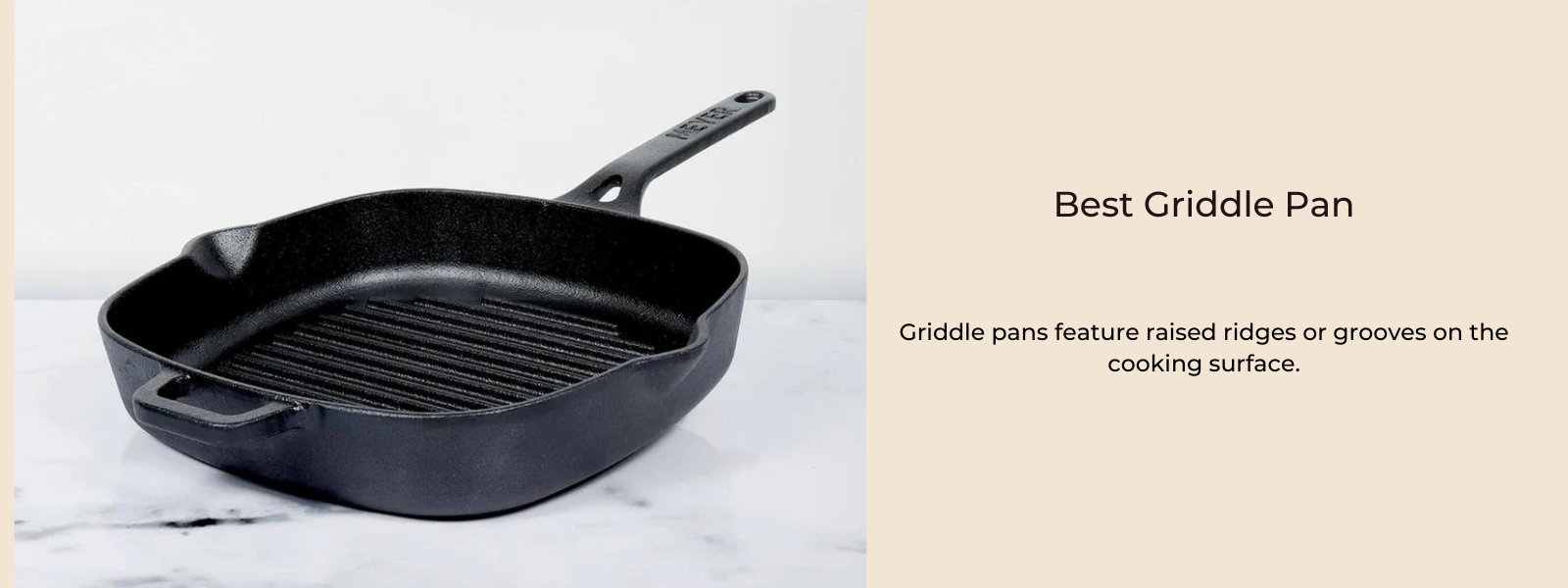
Best Griddle Pan For Grill-Like Results At Home
2 Items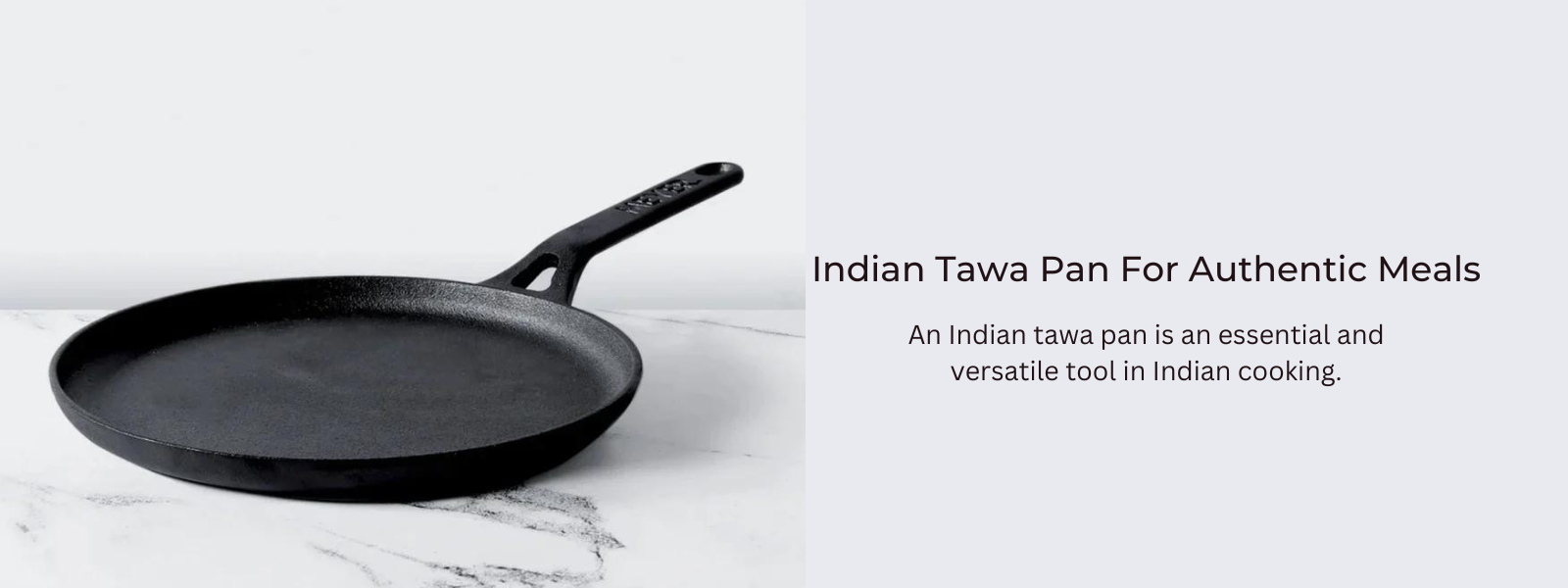
Indian Tawa Pan For Authentic Meals
2 Items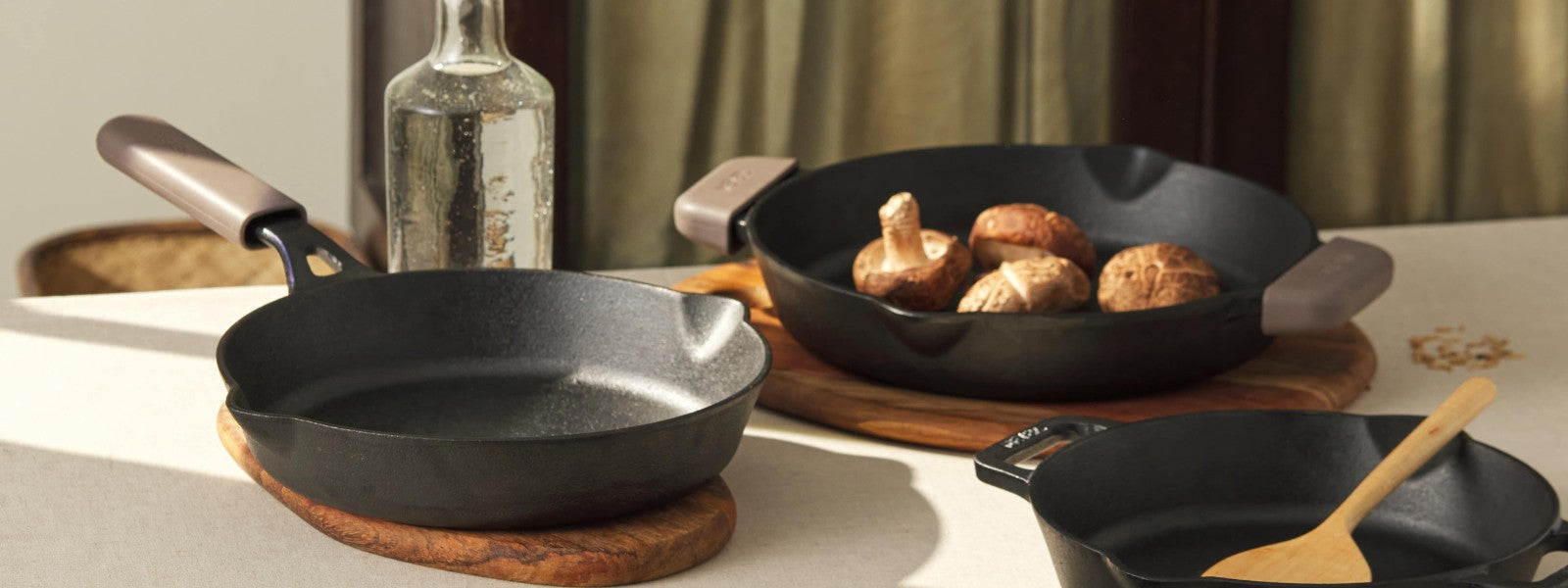
Cast Iron Frying Pans: Benefits, Uses & Maintenance Tips in India | Pots and Pans India
2 Items
Different Types of Frypans and Their Uses in 2025
2 Items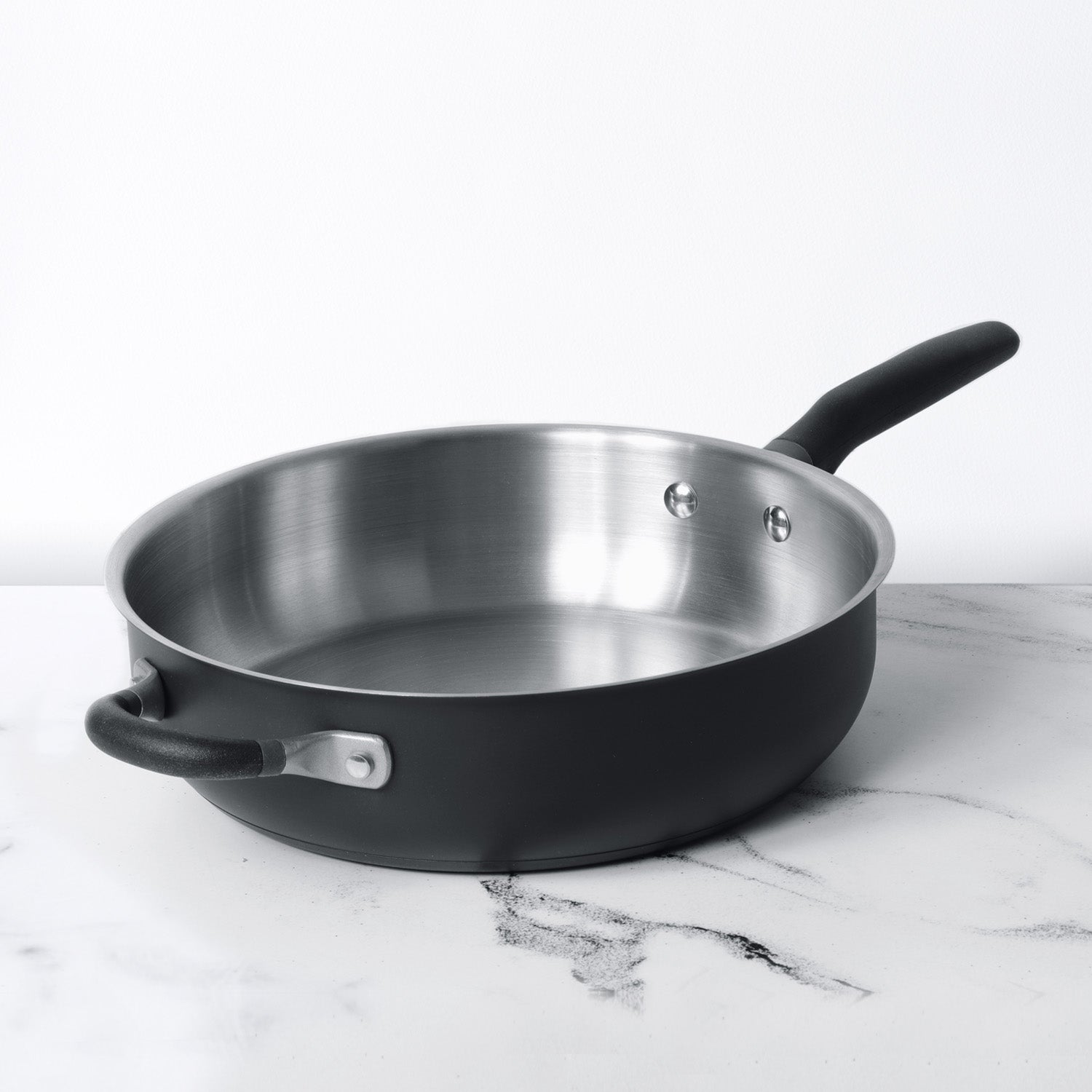


Leave a comment