



A non-stick pan is designed to make cooking simple, allowing food to release effortlessly while requiring less oil and making cleanup quick and easy. So, if your once-reliable pan suddenly starts sticking, it can be both frustrating and confusing.
The good news is that food sticking to a non-stick pan doesn't always mean the cookware is damaged beyond use. In many cases, the problem is caused by changes in cooking habits, improper care, or natural wear of the non-stick coating. Identifying the cause can help you determine whether the pan needs better maintenance or if it's time for a replacement.
Here's everything you need to know about why food starts sticking to a non-stick pan and how to prevent it.
Table of Contents
- 1. How Does a Non-Stick Pan Prevent Food from Sticking?
- 2. The Non-Stick Coating Has Naturally Worn Down
- 3. The Pan Has Been Overheated
- 4. The Pan Was Heated While Empty
- 5. Scratches Have Developed on the Surface
- 6. Oil and Food Residue Have Built Up
- 7. Cooking at the Wrong Temperature
- 8. The Pan Is No Longer Clean Enough
- 9. The Pan Has Reached the End of Its Lifespan
- 10. Are You Using Enough Oil?
- 11. How to Restore the Performance of a Non-Stick Pan
- 12. How to Prevent Food from Sticking in the Future
- 13. Common Myths About Non-Stick Pans
- 14. Conclusion
How Does a Non-Stick Pan Prevent Food from Sticking?
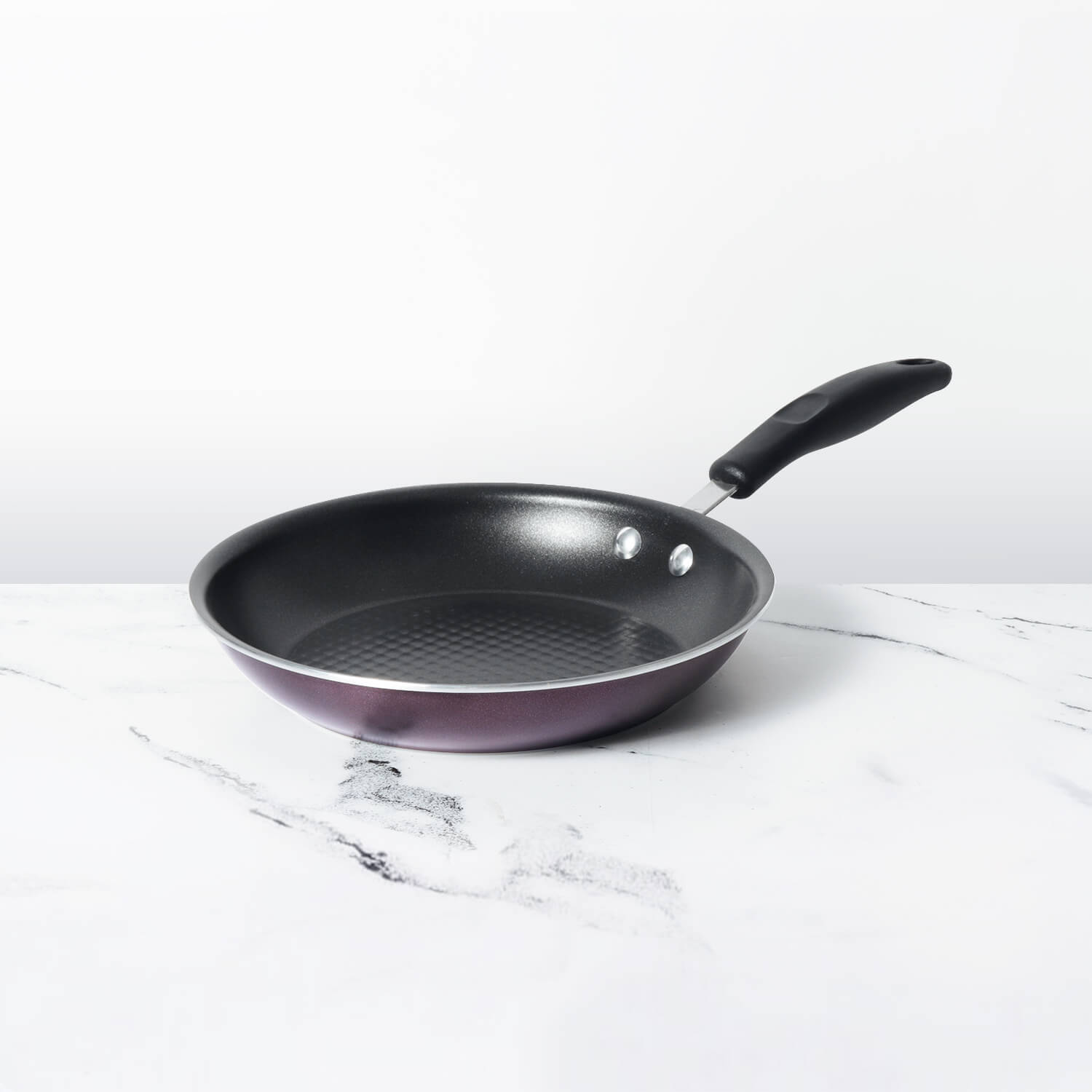
A non-stick pan features a specially engineered coating that creates a smooth cooking surface. This coating reduces the bond between food and the pan, allowing ingredients to slide off easily while requiring minimal oil.
Over time, however, regular cooking, cleaning, and everyday wear can gradually reduce the effectiveness of this coating.

The Non-Stick Coating Has Naturally Worn Down
One of the most common reasons food starts sticking is simple wear and tear.
Every non-stick coating has a lifespan. With regular use, the surface gradually becomes less smooth, making it harder for food to release as easily as it did when the pan was new.
Natural ageing is expected, especially if the pan is used frequently.
The Pan Has Been Overheated
Non-stick cookware performs best over low to medium heat.
Repeated cooking on very high heat can gradually reduce the effectiveness of the non-stick coating, leading to food sticking more often.
Signs of overheating may include:
-
Food sticking unexpectedly
-
Discolouration
-
Uneven cooking
-
Reduced non-stick performance
Using moderate heat helps preserve the coating and extends the life of the pan.
The Pan Was Heated While Empty
Leaving an empty non-stick pan on a hot burner allows the temperature to rise rapidly.
Without food or oil to absorb the heat, unnecessary stress is placed on the cooking surface, which may shorten the life of the coating over time.
Instead, preheat the pan briefly and add oil or ingredients soon afterwards.
Scratches Have Developed on the Surface
Even if scratches are not immediately obvious, repeated use of:
-
Metal spatulas
-
Forks
-
Knives
-
Abrasive cleaning pads
can gradually damage the coating.
As the surface becomes rougher, food is more likely to stick.
Using wooden, silicone, or nylon utensils helps minimise wear.
Oil and Food Residue Have Built Up
Sometimes the problem isn't the coating itself.
Over time, burnt oil residue can build up on the cooking surface, creating a sticky layer that interferes with the pan's non-stick properties.
If your pan feels sticky even after washing, residue may be the cause.
Cleaning the pan thoroughly with warm water, mild dishwashing liquid, and a soft sponge after each use helps prevent build-up.
Cooking at the Wrong Temperature
Many foods require the correct cooking temperature for proper release.
For example:
-
Eggs cook best over gentle heat.
-
Pancakes benefit from medium heat.
-
Delicate vegetables should not be exposed to excessive temperatures.
Cooking too hot or too cold may affect how easily food releases from the surface.
The Pan Is No Longer Clean Enough
A pan may look clean while still having microscopic layers of grease left behind.
These layers gradually become carbonised with repeated cooking and reduce the effectiveness of the non-stick surface.
Occasional deep cleaning using warm water and mild detergent can help remove stubborn residue.
Avoid abrasive scrubbers that may damage the coating.
The Pan Has Reached the End of Its Lifespan
Even premium non-stick cookware does not last forever.
If you notice:
-
Persistent sticking
-
Peeling or flaking
-
Deep scratches
-
Worn patches
-
Uneven cooking
the coating may have reached the end of its useful life.
At this stage, replacing the pan is generally recommended because factory-applied non-stick coatings cannot be repaired.
Are You Using Enough Oil?
Although non-stick cookware allows low-oil cooking, using no oil at all may not always produce the best results.
Some recipes, particularly eggs, pancakes, and dosas, may benefit from a light coating of oil or butter to enhance browning and improve food release.
How to Restore the Performance of a Non-Stick Pan
If the coating is still intact and not peeling, these simple steps may improve cooking performance:
-
Wash the pan thoroughly to remove grease residue.
-
Cook on low to medium heat.
-
Avoid overheating an empty pan.
-
Use wooden, silicone, or nylon utensils.
-
Avoid abrasive cleaning products.
-
Dry the pan completely before storing.
-
Store carefully to avoid scratches.
If food continues to stick despite proper care, the pan may simply be worn out.
How to Prevent Food from Sticking in the Future
To maximise the life of your cookware:
-
Cook primarily over moderate heat.
-
Avoid heating an empty pan.
-
Clean gently after every use.
-
Use utensils designed for non-stick cookware.
-
Store cookware with pan protectors if stacking.
-
Replace the pan when the coating becomes significantly worn.
These habits help maintain excellent cooking performance for longer.
Common Myths About Non-Stick Pans
Myth 1: If Food Sticks Once, the Pan Is Ruined
Not necessarily. Burnt oil residue, incorrect cooking temperatures, or insufficient preheating can also cause sticking.
Myth 2: More Heat Makes Food Less Likely to Stick
Non-stick cookware is designed to perform efficiently on low to medium heat. Excessive heat often reduces the lifespan of the coating.
Myth 3: Adding More Oil Fixes Everything
Using excessive oil will not restore a worn non-stick coating. If the coating is damaged, replacement is usually the better solution.
Myth 4: A Non-Stick Pan Should Last Forever
All non-stick coatings naturally wear over time. Proper care can significantly extend their lifespan, but eventual replacement is a normal part of ownership.
Conclusion
If food suddenly starts sticking to your non-stick pan, the cause is often natural wear, overheating, scratches, burnt oil residue, or changes in cooking habits rather than an immediate defect. In many cases, gentle cleaning and proper cooking techniques can improve performance if the coating is still in good condition.
However, if the pan has developed peeling, flaking, deep scratches, or persistent sticking despite proper care, it has likely reached the end of its useful life and should be replaced.
By choosing high-quality non-stick cookware, cooking over low to medium heat, using non-metal utensils, and following the manufacturer's care instructions, you can enjoy consistent food release, easy cleaning, and reliable cooking performance for years.
MORE FROM BLOG
Top Collections

Can Non-Stick Cookware Be Used for Making Sabzi and Omelettes Daily?
2 Items
Cast iron Vs Non-stick cookware: Which one is good for you?
2 Items
Non-stick cookware guide: How to buy a high-quality cookware
2 Items
Exploring the Versatility of Non-Stick Cookware in Everyday Meals
2 Items
High-quality non-stick cookware in India under INR 3000
2 Items
How to Get the Best Performance from Non-Stick Cookware
2 Items
How to Make Your Non-Stick Cookware Last Longer
2 ItemsFrom Our Shop


Leave a comment