



In Indian kitchens, cookware isn’t just a utility—it’s a daily companion that faces intense heat, heavy stirring, long cooking hours, and repeated use. From slow-simmered dals and rich gravies to high-heat tadkas and shallow frying, Indian cooking demands durability. This is exactly why cast iron cookware has earned a reputation for being one of the most long-lasting cookware materials in the world. Even today, many Indian homes proudly use cast iron pans passed down through generations, proving that with the right care, cast iron doesn’t wear out—it improves with time.
Table of Contents
- 1. Made from a Single Solid Piece of Metal
- 2. Exceptional Resistance to High Heat
- 3. No Chemical Coatings to Wear Off
- 4. Naturally Repairs Itself Over Time
- 5. Thick Walls That Resist Warping and Cracking
- 6. Grows Stronger with Regular Use
- 7. Designed for Generational Use
- 8. Minimal Wear from Daily Indian Cooking
- 9. Environmentally Sustainable and Cost-Effective
- 10. Conclusion
Made from a Single Solid Piece of Metal
One of the biggest reasons cast iron cookware lasts so long is its construction. Unlike non-stick or lightweight cookware that relies on coatings or layered materials, cast iron is made by pouring molten iron into moulds, creating a single, solid piece. There are no joints, no weak points, and no layers that can peel or flake over time. This solid build gives cast iron exceptional strength, allowing it to withstand daily use without bending, warping, or cracking.
Premium brands like Meyer further refine this process by ensuring uniform thickness and precision casting, making their cast iron cookware even more resilient and dependable for Indian cooking styles.

Exceptional Resistance to High Heat
Indian cooking often involves high temperatures—whether it’s searing spices, frying snacks, or cooking on gas stoves that deliver intense, direct heat. Cast iron thrives in such conditions. It can handle extreme heat without losing shape or performance, unlike thinner pans that may warp or degrade over time.
This heat resilience ensures that cast iron cookware remains structurally sound even after years of cooking on high flame, in ovens, or over slow, extended cooking sessions. The material doesn’t weaken with heat; instead, it becomes a reliable workhorse for everyday meals.
Meyer Pre Seasoned Cast Iron curved Kadai without Lid, 20cm
No Chemical Coatings to Wear Off
One of the biggest reasons many modern cookware types don’t last long is coating failure. Non-stick surfaces eventually scratch, peel, or lose effectiveness, forcing replacement. Cast iron cookware, however, doesn’t rely on synthetic coatings. Its naturally non-stick surface develops through seasoning—a layer formed by oil bonding with the iron.
With regular use and proper care, this seasoning strengthens over time instead of wearing away. This means cast iron cookware actually improves with age, making it a sustainable, long-term investment for Indian households.
Naturally Repairs Itself Over Time
Another unique quality of cast iron cookware is its ability to be restored. Even if it rusts due to moisture or neglect, cast iron is rarely beyond repair. A simple process of cleaning, drying, and re-seasoning can bring it back to life.
This self-renewing nature is what allows cast iron pans to last decades. Scratches, surface dullness, or uneven seasoning don’t reduce its lifespan—in fact, they’re part of its natural aging process. Brands like Meyer design cast iron cookware that’s easy to re-season and maintain, ensuring longevity without complexity.
Thick Walls That Resist Warping and Cracking
The thickness of cast iron cookware plays a crucial role in its durability. Thick walls distribute heat evenly and prevent hot spots, reducing thermal stress on the metal. This means cast iron doesn’t expand and contract unevenly when exposed to sudden temperature changes.
As a result, it resists cracking, denting, or warping—common issues seen in lighter cookware over time. This structural stability is especially important for Indian recipes that involve long simmering, frequent stirring, or cooking acidic gravies.
Grows Stronger with Regular Use
Unlike most cookware that deteriorates with frequent use, cast iron benefits from it. Each cooking session adds microscopic layers of seasoning, enhancing its surface and protecting it from rust. Oils used in Indian cooking—like mustard oil, groundnut oil, and ghee—are especially effective in building this protective layer.
Over time, cast iron cookware becomes smoother, more non-stick, and more resistant to wear. This is why older cast iron pans often perform better than brand-new ones.
Designed for Generational Use
Cast iron cookware has always been associated with legacy cooking. In Indian homes, it’s common to see a grandmother’s cast iron tawa or kadhai still in use today. This isn’t accidental—it’s a result of thoughtful material choice and timeless design.
Modern cast iron cookware from trusted brands like Meyer carries this tradition forward by combining heritage durability with refined finishes and better usability, making it suitable for both traditional and contemporary kitchens.
Minimal Wear from Daily Indian Cooking
Daily Indian cooking involves repetitive actions—stirring, flipping, frying, simmering, and reheating. Cast iron handles this repetition without surface breakdown. There’s no flaking, no thinning of metal, and no loss of performance. Even metal spatulas, commonly used in Indian kitchens, don’t damage cast iron the way they can harm coated cookware.
This resistance to daily wear ensures that cast iron remains dependable year after year.
Environmentally Sustainable and Cost-Effective
Because cast iron cookware lasts so long, it reduces the need for frequent replacements. This makes it not only cost-effective but also environmentally responsible. Investing once in a high-quality cast iron pan—such as those offered by Meyer—can eliminate the cycle of replacing cookware every few years.
Over time, the cost per use becomes incredibly low, making cast iron one of the most economical cookware choices for Indian families.
Conclusion: A Lifetime Companion for Indian Kitchens
Cast iron cookware is long-lasting because it is fundamentally strong, naturally self-preserving, and perfectly suited to the demands of Indian cooking. Its solid construction, heat resistance, absence of chemical coatings, and ability to improve with age make it unlike any other cookware material. When cared for properly, cast iron doesn’t just last—it evolves, carrying flavours, memories, and traditions across generations.
Choosing high-quality cast iron cookware from a trusted brand like Meyer ensures that you’re not just buying a pan—you’re investing in a lifetime of reliable cooking, rich flavours, and timeless durability.
MORE FROM BLOG
Top Collections
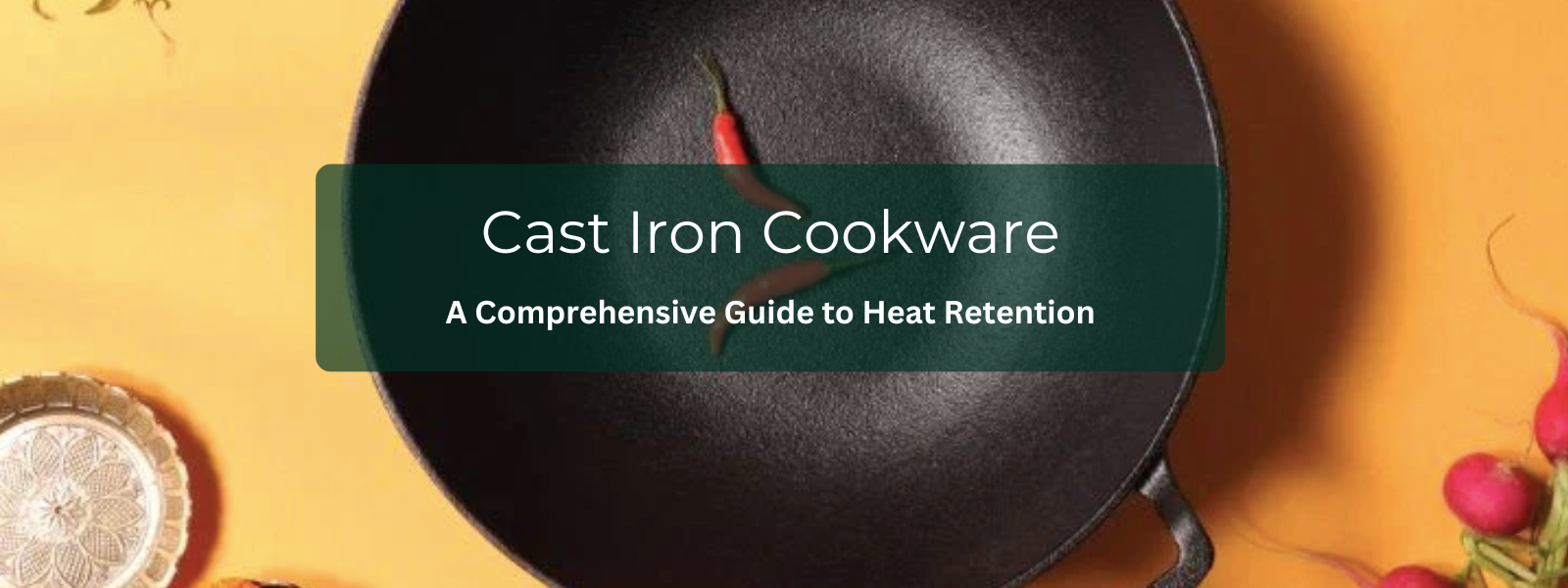
Cast Iron Cookware: A Comprehensive Guide to Heat Retention
2 Items
Cast Iron Cookware: Best Practices for Cleaning and Storage
2 Items
Cast Iron Cookware: The Ultimate Guide to Cooking on an Open Fire
2 Items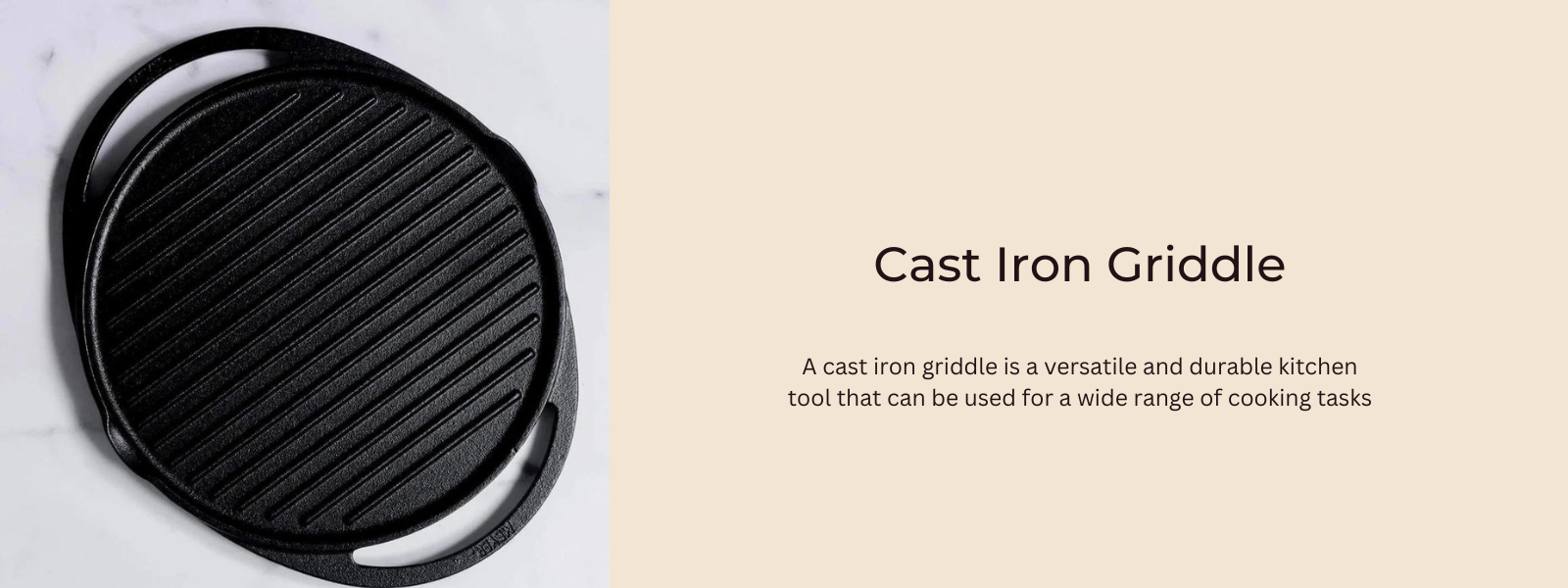
Cast Iron Griddle: Must-Have Cookware For Grilling
2 Items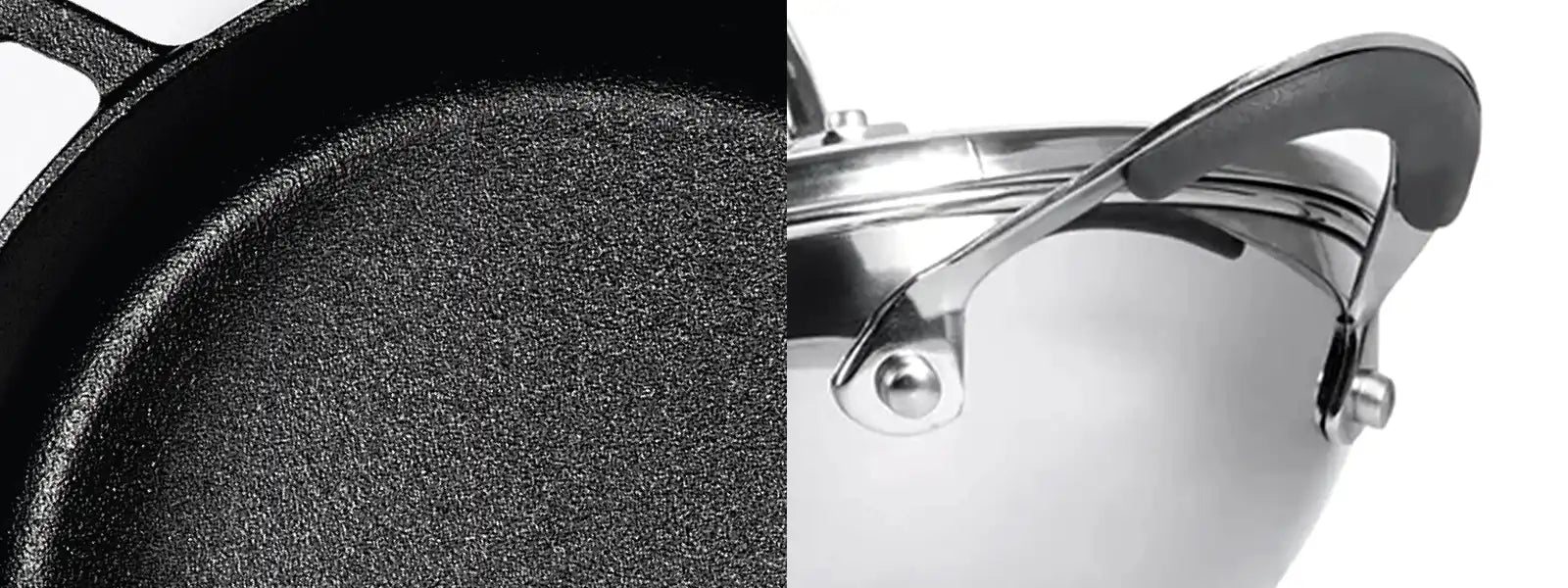
Cast iron pan vs. stainless steel pan — which should I buy?
2 Items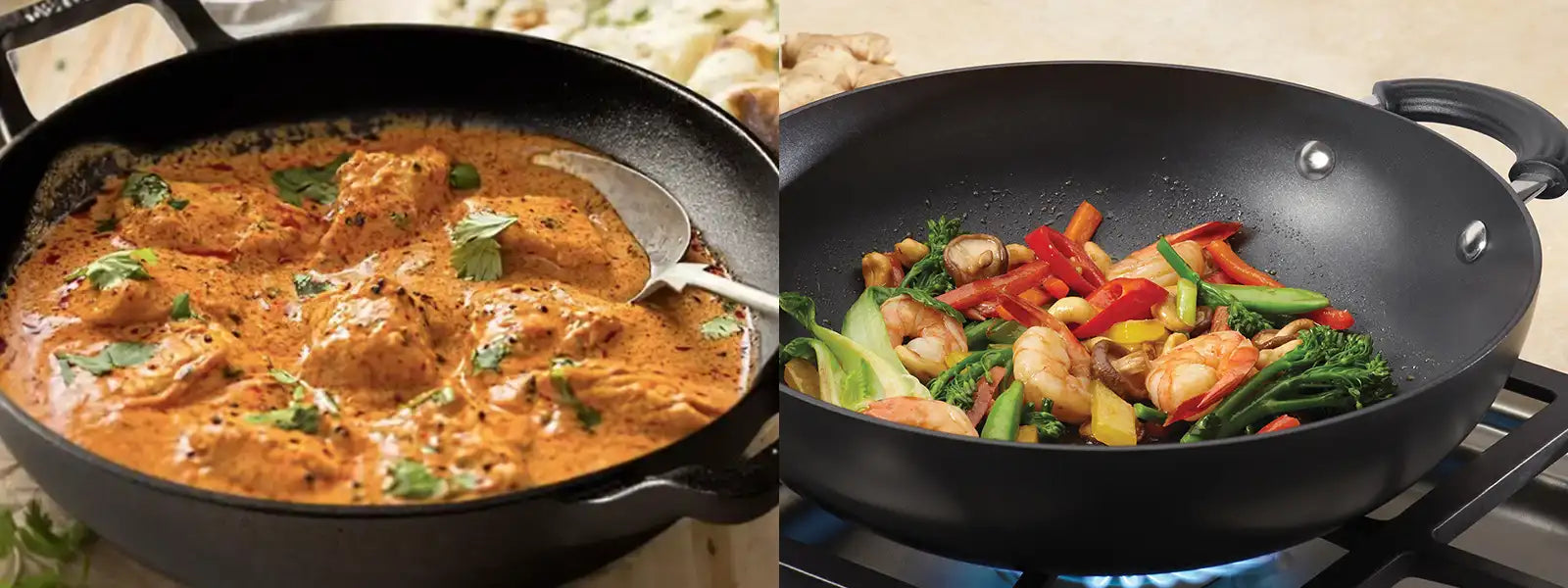
Cast iron Vs Non-stick cookware: Which one is good for you?
2 Items


Leave a comment