



Learning to cook can feel overwhelming. From understanding heat levels to managing oil, timing spices, and preventing food from sticking, beginners often find themselves battling the pan as much as the recipe. In Indian kitchens especially, where cooking techniques are layered and flavours develop in stages, the wrong cookware can turn even simple dishes into stressful experiences.
This is where non-stick cookware becomes a game changer for beginners. Designed to reduce common cooking mistakes, non-stick pans offer ease, forgiveness, and confidence—making them the ideal starting point for anyone new to cooking. Whether you are a student, a young professional, a newly married couple, or someone returning to the kitchen after years, non-stick cookware simplifies the learning curve and makes cooking enjoyable from day one.
Table of Contents
- 1. The Biggest Challenge for Beginners: Food Sticking to the Pan
- 2. Non-Stick Cookware Forgives Beginner Mistakes
- 3. Less Oil, Less Guesswork
- 4. Easier Stirring, Flipping, and Food Handling
- 5. Ideal for Common Indian Beginner Dishes
- 6. Faster Cooking and Easier Cleanup
- 7. Builds Confidence Through Visible Success
- 8. Safe and Comfortable for Everyday Use
- 9. Teaches Fundamentals Without Overcomplication
- 10. Encourages Healthier Cooking Habits from the Start
- 11. Why Quality Non-Stick Cookware Matters for Beginners
- 12. Conclusion
The Biggest Challenge for Beginners: Food Sticking to the Pan
For most beginners, sticking is the first and most discouraging problem they face. When food sticks to the pan, it tears, burns, or refuses to flip properly. This not only affects the appearance and taste of the dish but also shakes the confidence of a new cook.
Non-stick cookware is specifically designed to address this issue. Its smooth, low-friction surface prevents ingredients from clinging to the pan, even with minimal oil. Vegetables sauté cleanly, omelettes slide out intact, and batters release easily. This immediate success reassures beginners that they can cook well, encouraging them to try again and experiment further.

Non-Stick Cookware Forgives Beginner Mistakes
Cooking is a skill learned through practice, and beginners are bound to make mistakes—especially with heat control. In Indian cooking, overheating is common, whether it’s during tempering spices or sautéing onions. Traditional cookware like stainless steel or iron requires precise temperature control, which beginners may not yet have mastered.
Non-stick cookware is far more forgiving. It distributes heat evenly across the surface, reducing hot spots that cause burning. Even if the flame is slightly higher or lower than ideal, food is less likely to scorch or stick. This forgiveness allows beginners to focus on learning recipes and understanding ingredients rather than constantly worrying about ruining the dish.
Meyer Bauhaus Nonstick Open Frypan, 26 cm, Dark Grey
Less Oil, Less Guesswork
One of the most confusing aspects of cooking for beginners is how much oil to use. Too little oil causes sticking; too much makes food greasy and heavy. Many new cooks tend to overuse oil as a safety measure, which can lead to unhealthy habits early on.
Non-stick cookware removes this guesswork entirely. Because food does not stick easily, beginners can cook with just a few drops of oil and still achieve good results. This makes cooking healthier from the start and helps beginners understand flavours without masking them in excess fat. Over time, they naturally develop better judgement about oil usage without stress or trial-and-error failures.
Easier Stirring, Flipping, and Food Handling
Advanced cookware techniques—like perfectly flipping a dosa, turning paneer cubes without breaking them, or stirring sabzi without scraping the bottom—take time to master. For beginners, these steps can feel intimidating and often lead to messy results.
Non-stick cookware makes food handling effortless. Ingredients move freely across the surface, making stirring smooth and controlled. Dosas lift easily, omelettes flip without sticking, and delicate foods like fish or tofu stay intact. This ease allows beginners to focus on timing and seasoning rather than struggling with the mechanics of cooking.
Ideal for Common Indian Beginner Dishes
Most beginners start with simple, everyday Indian recipes—omelettes, sabzis, dal, poha, upma, chillas, or fried rice. These dishes are cooked frequently and require consistent results to build confidence.
Non-stick cookware is perfectly suited for these preparations. Sabzis cook evenly without burning, dals can be tempered lightly without sticking, and breakfast foods release cleanly from the pan. For someone just starting out, using cookware that supports these staples makes daily cooking less intimidating and more rewarding.
Faster Cooking and Easier Cleanup
Cooking does not end when the dish is ready—cleanup matters too. Scrubbing burnt food from pans is one of the biggest turn-offs for beginners, often discouraging them from cooking again.
Non-stick cookware significantly reduces cleanup effort. Since food doesn’t cling to the surface, most pans need only a gentle wipe or rinse. This saves time, water, and energy, making the entire cooking process feel manageable. When cleanup is easy, beginners are far more likely to cook regularly and build consistency.
Builds Confidence Through Visible Success
Confidence is everything when learning a new skill. When beginners see that their food looks good, cooks evenly, and tastes right, they are motivated to continue. Non-stick cookware delivers visible success early in the learning journey.
Dishes turn out presentable, textures are right, and failures are minimal. This positive reinforcement helps beginners trust themselves in the kitchen. Over time, this confidence encourages experimentation—trying new recipes, spices, and techniques without fear.
Safe and Comfortable for Everyday Use
Modern non-stick cookware from trusted brands like Meyer is designed with beginner safety in mind. High-quality non-stick pans are PFOA-free and toxin-free, making them safe for everyday cooking. They are also lighter and easier to handle than traditional cast iron or heavy steel cookware, reducing strain and improving control for new cooks.
Comfortable handles, stable bases, and balanced weight make non-stick pans easier to manoeuvre, especially for those still getting used to kitchen tools.
Teaches Fundamentals Without Overcomplication
While traditional cookware requires mastery of preheating, oil layering, and precise temperature control, non-stick cookware allows beginners to learn fundamentals gradually. New cooks can focus on understanding ingredients, spice combinations, cooking order, and timing—skills that form the foundation of good cooking.
Once confidence and experience grow, transitioning to other cookware becomes easier. In this sense, non-stick cookware acts as a learning bridge, helping beginners grow without frustration.
Encourages Healthier Cooking Habits from the Start
Cooking habits formed early tend to last. When beginners start their cooking journey with non-stick cookware, they naturally learn to cook with less oil and gentler heat. This encourages healthier eating patterns that continue over time.
For Indian households increasingly focused on balanced diets, this makes non-stick cookware a smart and practical choice—not just for convenience, but for long-term wellness.
Why Quality Non-Stick Cookware Matters for Beginners
It’s important to note that the ease of non-stick cooking depends on the quality of the pan. Poor-quality non-stick cookware can lose its coating quickly and require more oil over time, which defeats its purpose.
Premium non-stick cookware, such as Meyer non-stick pans, is engineered for durability, even heat distribution, and consistent performance. Investing in quality cookware ensures beginners enjoy a reliable cooking experience that supports learning rather than creating new challenges.
Conclusion
Non-stick cookware is easier for beginners because it removes the most common obstacles in cooking—sticking, burning, excess oil, and difficult cleanup. It forgives mistakes, builds confidence, and makes everyday Indian cooking accessible and enjoyable.
For anyone starting their cooking journey, the right non-stick pan is not just a utensil—it’s a support system. With dependable, high-quality non-stick cookware, beginners can focus on learning, experimenting, and enjoying the process of cooking, one successful dish at a time.
MORE FROM BLOG
Top Collections

Benefits of Using Nonstick Cookware for Weight Management
2 Items
Cast Iron Dosa Tawa Vs Nonstick Tawa: Best Dosa Tawa in India
2 Items
Easy way to turn Stainless Steel Pan into Nonstick
2 Items
Nonstick Cookware: A Catalyst for Healthier Cooking Habits and Weight Loss
2 Items
Nonstick Cookware: A Key Component of a Balanced Diet for Weight Loss
2 Items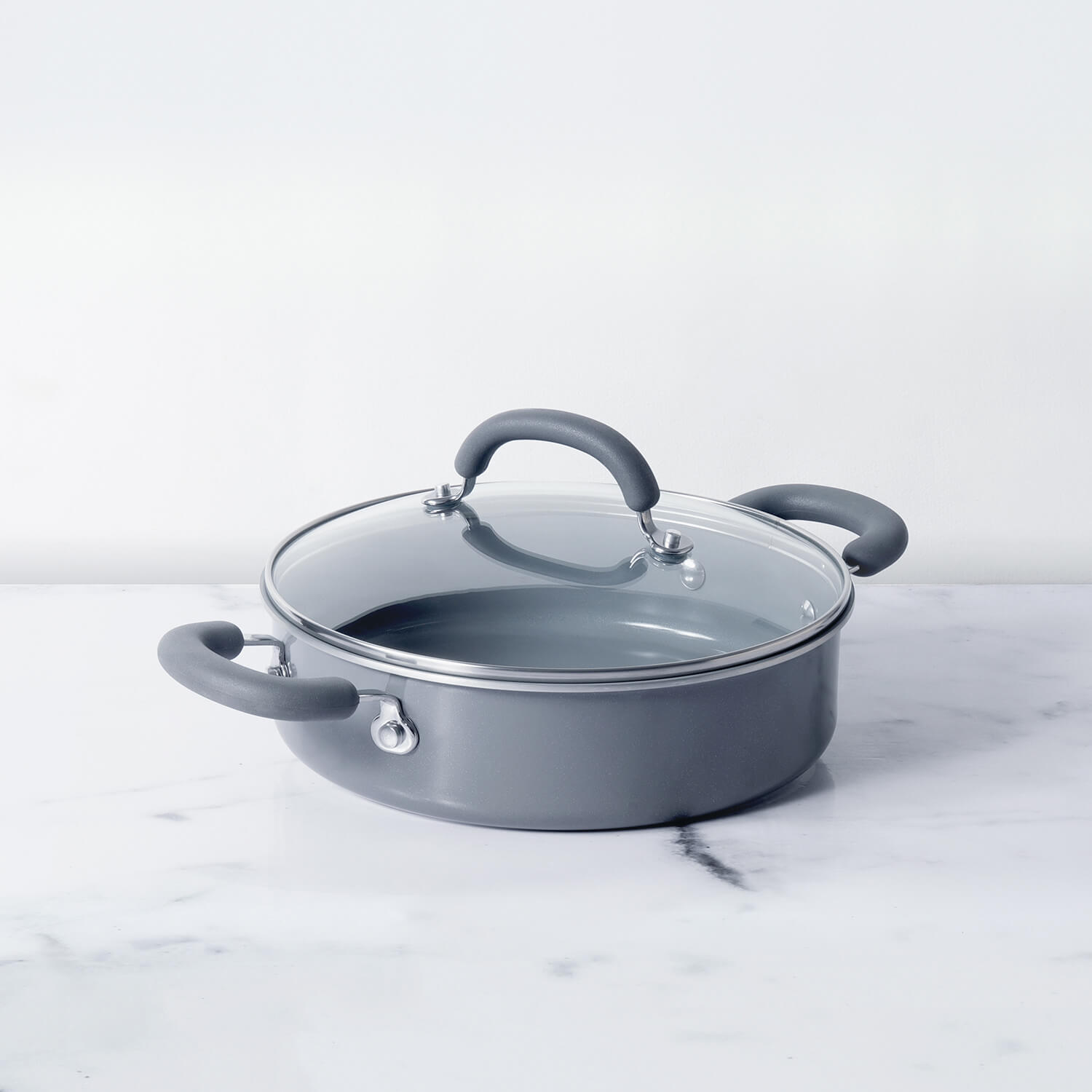


Leave a comment