



High-heat cooking is fundamental to Indian cuisine, where techniques like roasting, searing, stir-frying, and deep frying are used to build flavour and texture. Whether it is the slow roasting of spices during bhunao or the intense heat required for crisping and frying, the cookware you use plays a critical role in determining the final outcome.
Not all cookware is designed to handle such conditions. For high-heat cooking, you need materials that can withstand temperature extremes, distribute heat evenly, and maintain stability throughout the cooking process. Two of the most effective options for this purpose are triply stainless steel cookware like Meyer Trivantage and pre-seasoned cast iron cookware. Each brings unique strengths that support different high-heat techniques.
Table of Contents
Why High-Heat Cooking Needs the Right Cookware
High-heat cooking requires more than just turning up the flame. It demands cookware that can maintain consistent temperatures without creating hotspots or causing ingredients to burn unevenly.
In Indian cooking, processes like sautéing onions, roasting masalas, or frying snacks depend on steady heat. If the cookware heats unevenly or loses temperature quickly, it can lead to underdeveloped flavours or inconsistent textures. The right cookware ensures that heat is distributed properly, allowing ingredients to cook uniformly and develop depth.

Meyer Trivantage: Precision and Control for High-Heat Cooking
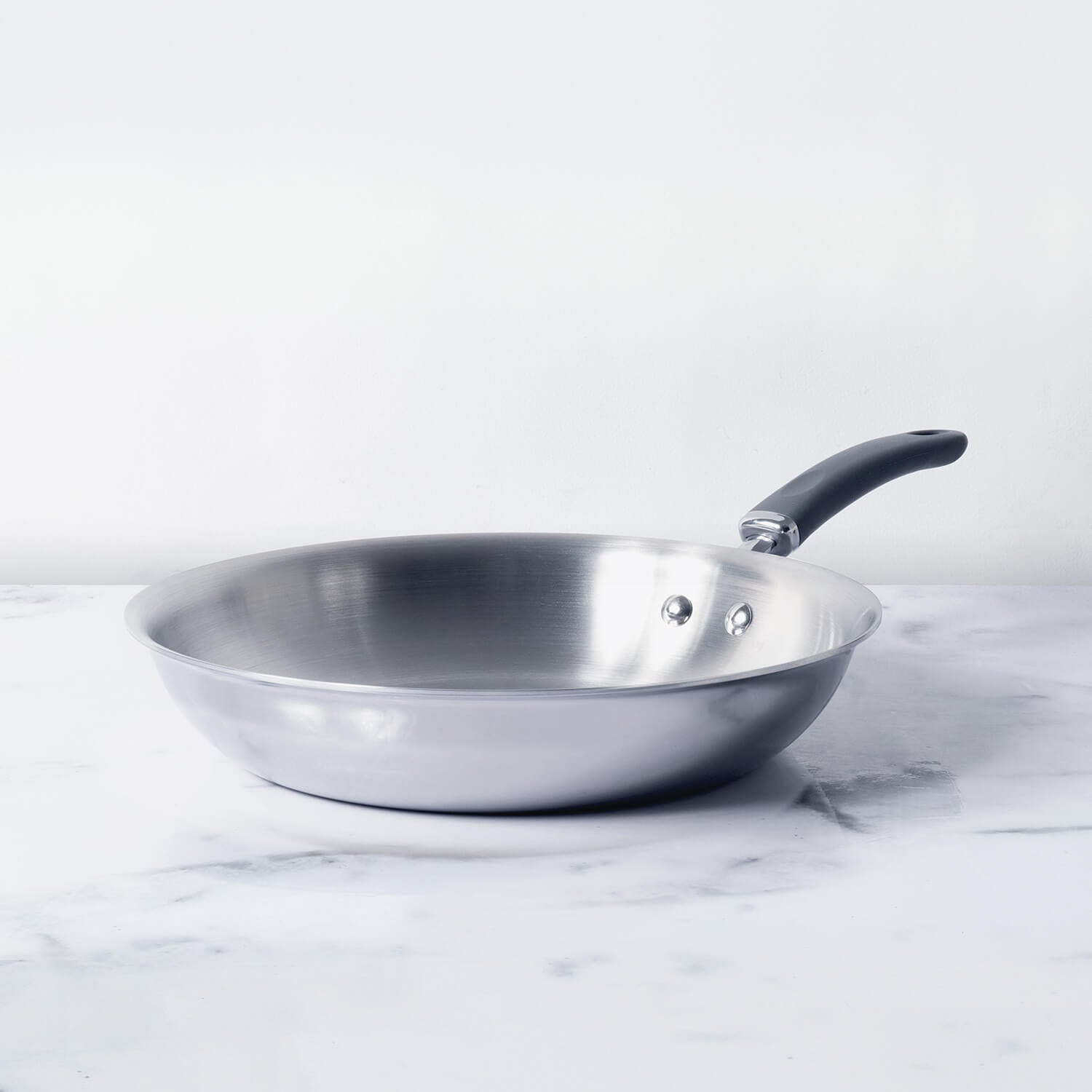
Triply cookware such as Meyer Trivantage is designed to deliver consistent and controlled heat. Its construction typically includes an aluminium core sandwiched between stainless steel layers, which allows heat to spread evenly across the entire surface.
This even distribution is particularly useful for techniques that require quick cooking at high temperatures, such as stir-frying vegetables or roasting spices. The cookware responds quickly to changes in heat, making it easier to control the cooking process and avoid overcooking.
It is well suited for preparing dishes that require precision, such as masala bases, sautéed vegetables, and Indo-Chinese recipes. The ability to maintain uniform heat also ensures that ingredients cook evenly, reducing the risk of burning.
Cast Iron Cookware: High-Heat Stability and Flavour Depth
Pre-seasoned cast iron cookware is known for its exceptional heat retention. Once heated, it maintains a stable temperature for a long time, making it ideal for high-heat techniques that require consistency rather than quick adjustments.
This makes cast iron particularly effective for searing, deep frying, and slow roasting. It allows food to develop a rich, caramelised crust while ensuring that the inside cooks evenly. The steady heat also helps in achieving the perfect texture for fried snacks, preventing them from becoming greasy.
Another advantage of cast iron is its ability to enhance flavour over time. With regular use, the seasoned surface improves, contributing to better cooking performance and taste.
Meyer Trivantage vs Cast Iron: Understanding the Difference
While both types of cookware perform well under high heat, they serve different purposes in the kitchen.
Triply cookware offers faster heating and better responsiveness, making it ideal for dishes that require quick adjustments in temperature. It is suitable for everyday cooking where control and efficiency are important.
Cast iron, on the other hand, excels in retaining heat and maintaining stability. It is better suited for techniques that involve sustained high temperatures, such as frying or searing, where consistent heat is essential.
Using both together allows you to handle a wider range of cooking styles with ease.
Choosing the Right Cookware for Different Techniques
Different high-heat cooking methods benefit from different types of cookware. For quick stir-frying or sautéing, triply cookware provides the control needed to cook ingredients evenly without overcooking.
For deep frying or searing, cast iron offers the stability required to maintain temperature and achieve the desired texture. It is also ideal for dishes that require prolonged cooking at high heat.
By matching the cookware to the technique, you can improve both efficiency and results in the kitchen.
Key Features to Look For
When selecting cookware for high-heat cooking, heat tolerance is one of the most important factors. The cookware should be able to handle high temperatures without warping or losing performance.
Even heat distribution ensures that food cooks uniformly, while good heat retention helps maintain temperature during cooking. Durability is also important, as high-heat cooking places greater stress on cookware.
Ease of maintenance and compatibility with different heat sources can further enhance usability.
Building an Efficient High-Heat Cooking Setup
A practical kitchen setup for high-heat cooking includes both triply stainless steel and cast iron cookware. Triply cookware can be used for quick, high-heat cooking tasks that require precision, while cast iron can handle tasks that demand sustained heat and flavour development.
This combination allows you to move seamlessly between different cooking techniques, ensuring that each dish is prepared under optimal conditions.
Final Thoughts
High-heat cooking is essential for achieving the bold flavours and textures that define Indian cuisine. The right cookware makes it possible to handle these techniques with confidence and consistency.
Meyer Trivantage offers control, even heating, and efficiency for fast-paced cooking, while cast iron cookware provides unmatched heat retention and flavour enhancement for more intense techniques.
By incorporating both into your kitchen, you can create a versatile and reliable setup that supports a wide range of high-heat cooking methods and delivers consistently excellent results.
MORE FROM BLOG
Top Collections
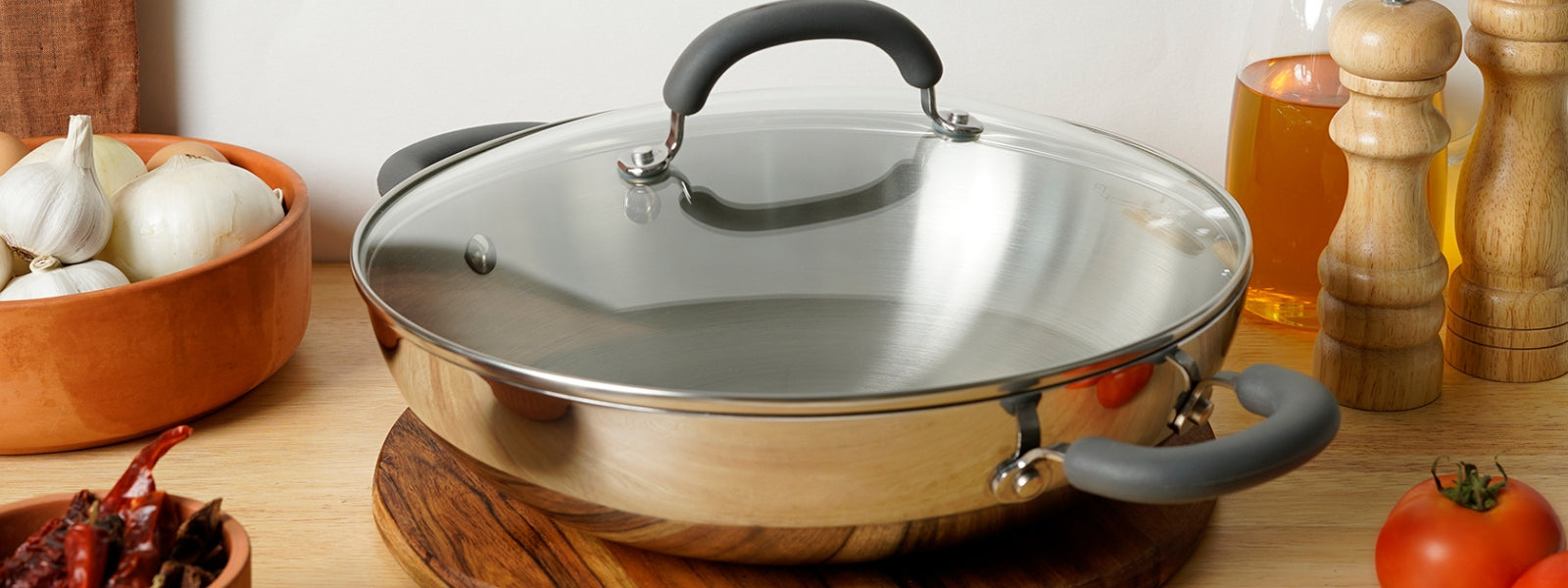
Benefits of using stainless steel cookware in India
2 Items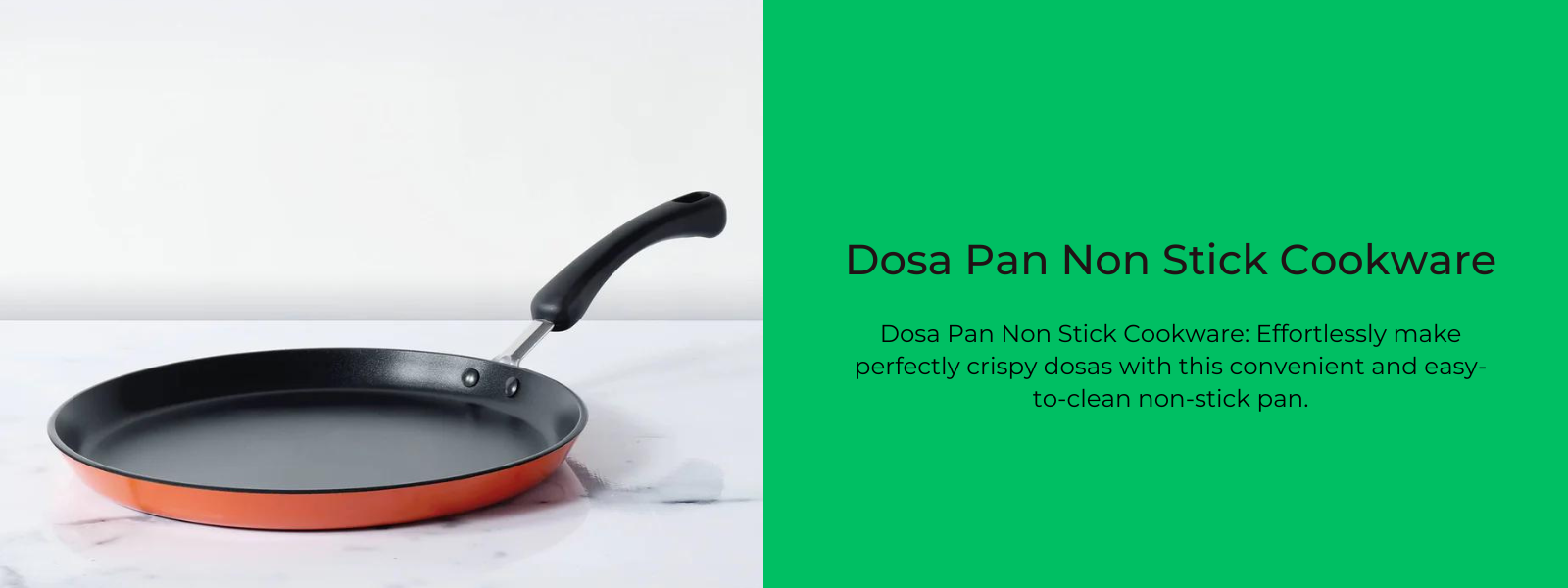
Best Dosa Pan Non Stick Cookware In India
2 Items
Best Non Stick Roti Tawa Price: Cookware For Everyone
2 Items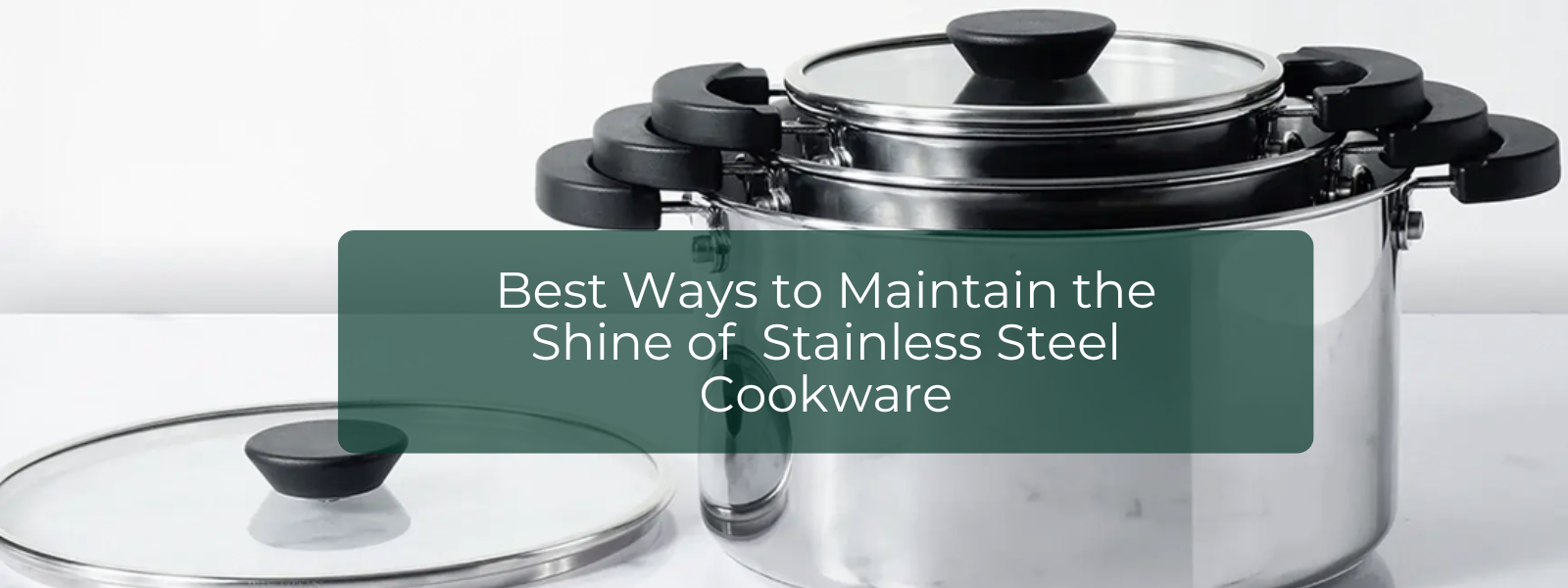
Best Ways to Maintain the Shine of Your Stainless Steel Cookware
2 Items
Can I use stainless steel cookware in an electric oven?
2 Items
Can Non-Stick Cookware Be Used for Making Sabzi and Omelettes Daily?
2 Items


Leave a comment