



A well-cooked dal is more than just a daily meal—it’s comfort, nourishment, and tradition in a bowl. Whether you’re preparing a creamy dal makhani, a light moong dal, or a slow-simmered tuvar dal, the secret to rich flavour and perfect texture lies in slow cooking. And one often-overlooked factor makes a big difference: the cookware you use.
Slow-cooked dal requires steady heat, even temperature distribution, and cookware that supports long simmering without burning or sticking. Choosing the right material can transform the taste, aroma, and consistency of your dal.
Table of Contents
- 1. Why Cookware Material Matters for Slow-Cooked Dal
- 2. Cast Iron: Rich Flavour Through Gentle, Consistent Heat
- 3. Enamel Cast Iron: Slow Cooking with Easy Maintenance
- 4. Tri-Ply Stainless Steel: Balanced Heat and Control
- 5. Hard Anodised Cookware: Durable and Dependable
- 6. Tips for Perfect Slow-Cooked Dal
- 7. Conclusion
Why Cookware Material Matters for Slow-Cooked Dal
Dal cooks best over low heat for extended periods. Cookware that heats unevenly or cools too quickly can cause lentils to cook inconsistently or stick to the base. The right cookware ensures even cooking, better flavour development, and effortless stirring throughout the process.

Cast Iron: Rich Flavour Through Gentle, Consistent Heat
Cast iron is ideal for slow-cooked dal because of its exceptional heat retention. Once heated, it maintains a steady temperature, allowing lentils to soften gradually and absorb spices fully. This makes it perfect for thick, creamy dals that benefit from long cooking times.
Meyer cast iron cookware works particularly well for dishes like dal makhani and slow-simmered tuvar dal, delivering deep flavour and a smooth, well-developed texture.
Meyer Select Stainless Steel Frypan 28cm
Enamel Cast Iron: Slow Cooking with Easy Maintenance
Enamelled cast iron offers the same heat retention benefits as traditional cast iron but with a non-reactive, easy-to-clean surface. It’s especially useful for dal recipes that include tomatoes, tamarind, or other acidic ingredients, as the enamel coating prevents flavour interference.
Meyer enamel cast iron casseroles and kadais are excellent for slow cooking dals that require long simmering and frequent stirring without sticking.
Tri-Ply Stainless Steel: Balanced Heat and Control
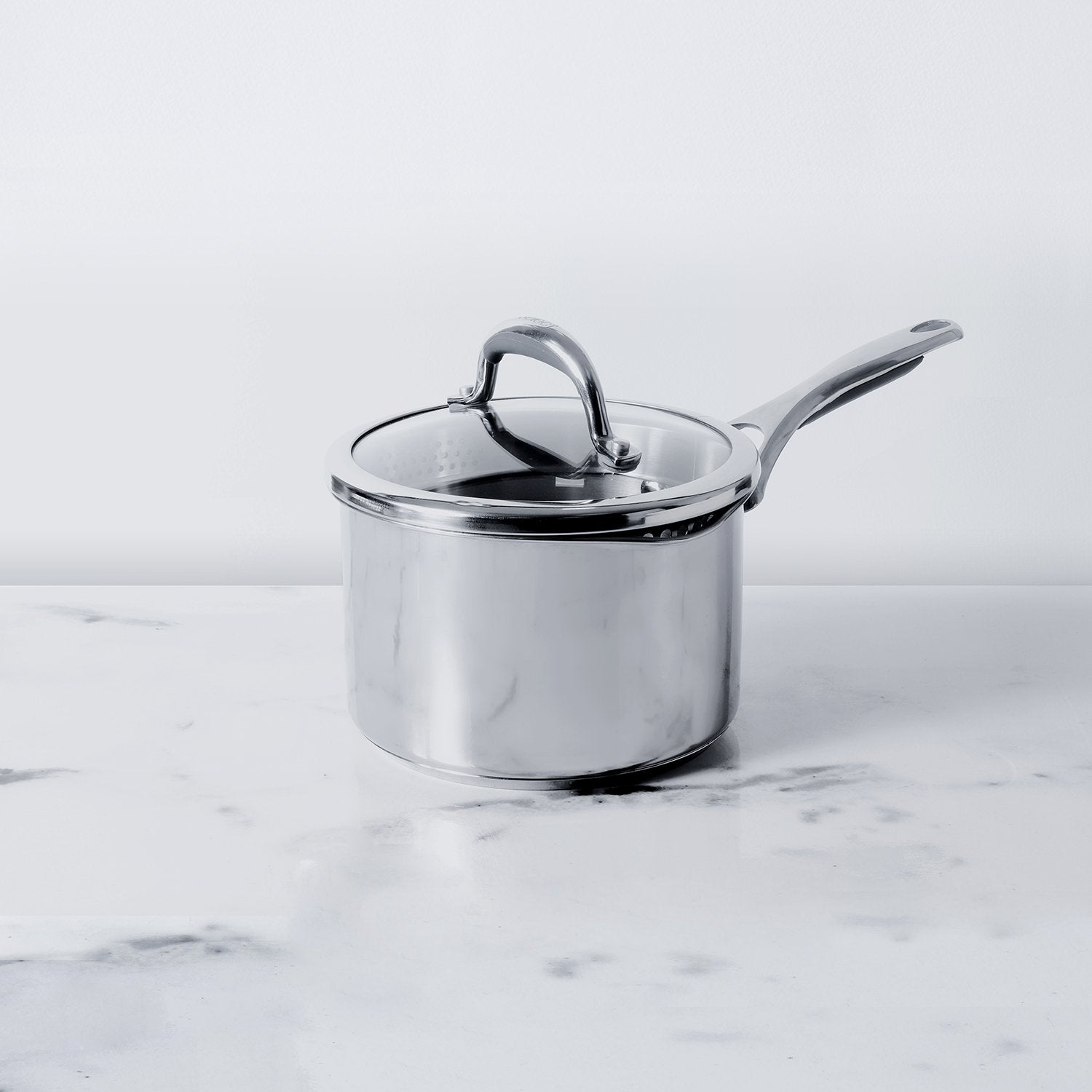
Tri-ply stainless steel cookware features an aluminium core sandwiched between layers of stainless steel, ensuring even heat distribution and precise temperature control. This makes it a reliable option for everyday slow-cooked dal, especially recipes that start with sautéing spices before simmering.
Meyer Presta Pressure Cooker provides consistency and control, helping maintain a gentle simmer without hot spots.
Hard Anodised Cookware: Durable and Dependable
Hard anodised cookware conducts heat efficiently and withstands long cooking durations without warping. It’s a practical choice for everyday dal preparation, offering even heating and easy maintenance.
Circulon hard anodised pots are suitable for families who cook dal frequently and need cookware that performs reliably over time.
Tips for Perfect Slow-Cooked Dal
Preheat your cookware gently before adding lentils to avoid sticking. Cook dal on low heat and stir occasionally to maintain consistency. Temper spices separately and add them at the end for maximum aroma and flavour. Allow the dal to rest for a few minutes after cooking so flavours can settle before serving.
Conclusion
Slow-cooked dal deserves cookware that supports patience and precision. Whether you choose cast iron for depth of flavour, enamel cast iron for ease, tri-ply stainless steel for control, or hard anodised cookware for everyday reliability, the right material can elevate a simple dal into something truly special. When your cookware performs well, your dal rewards you with comfort, richness, and consistency every time.
MORE FROM BLOG
Top Collections
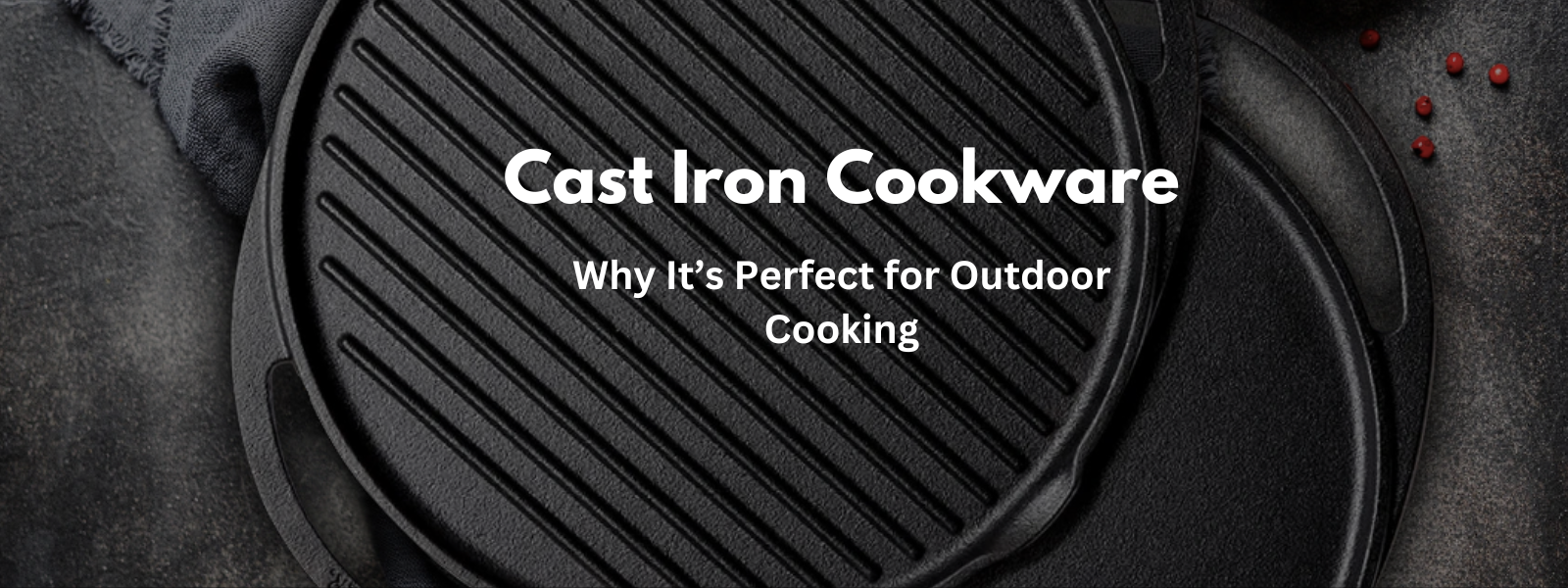
Cast Iron Cookware: Why It’s Perfect for Outdoor Cooking
2 Items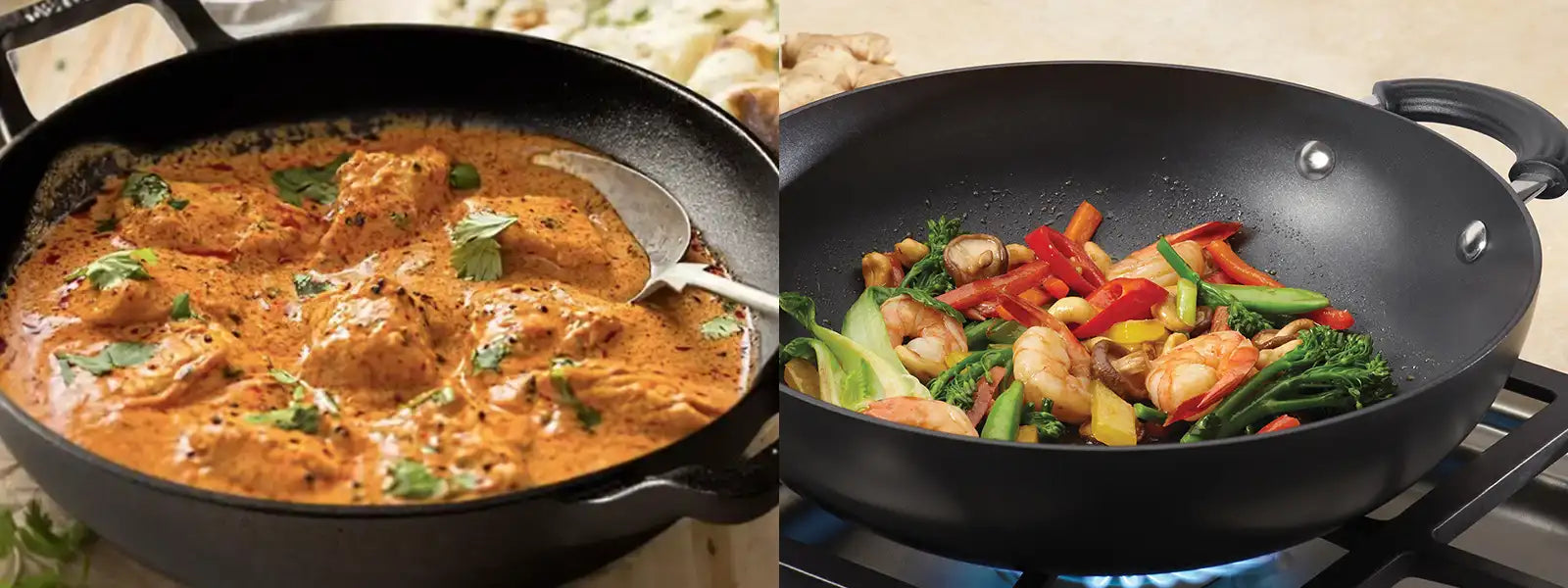
Cast iron Vs Non-stick cookware: Which one is good for you?
2 Items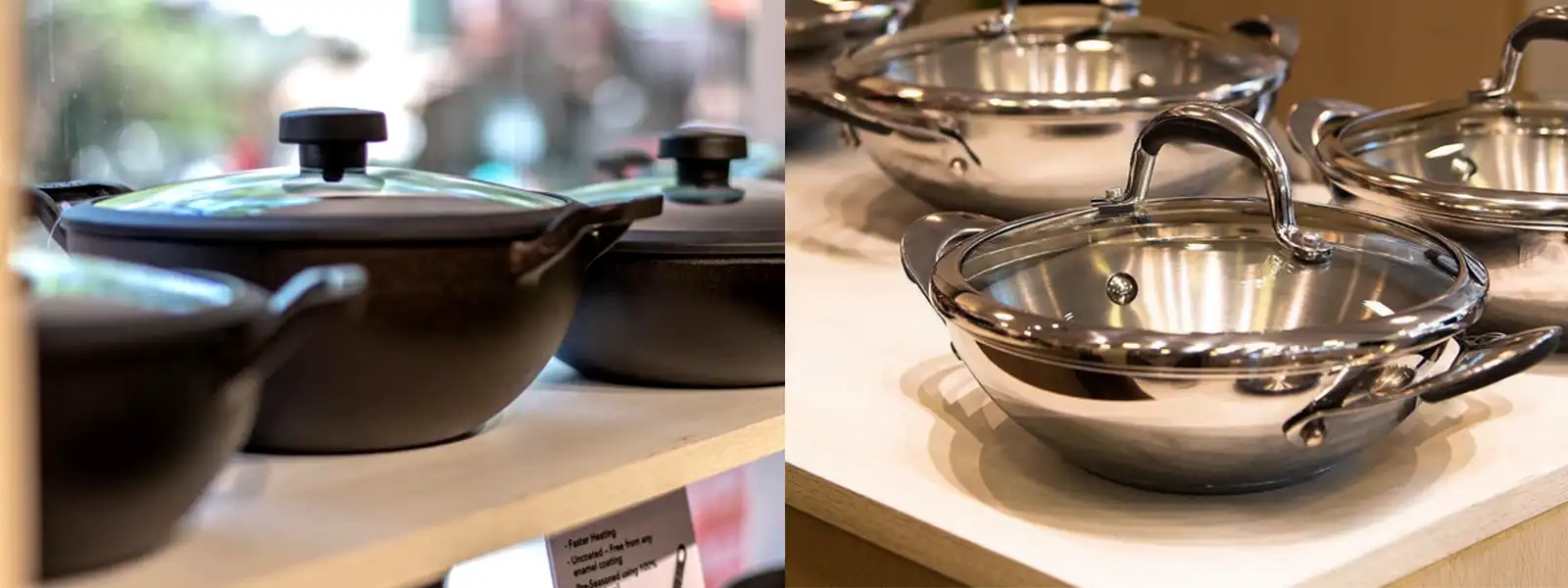
Cast Iron Vs Stainless Steel Cookware: Which one should you pick?
2 Items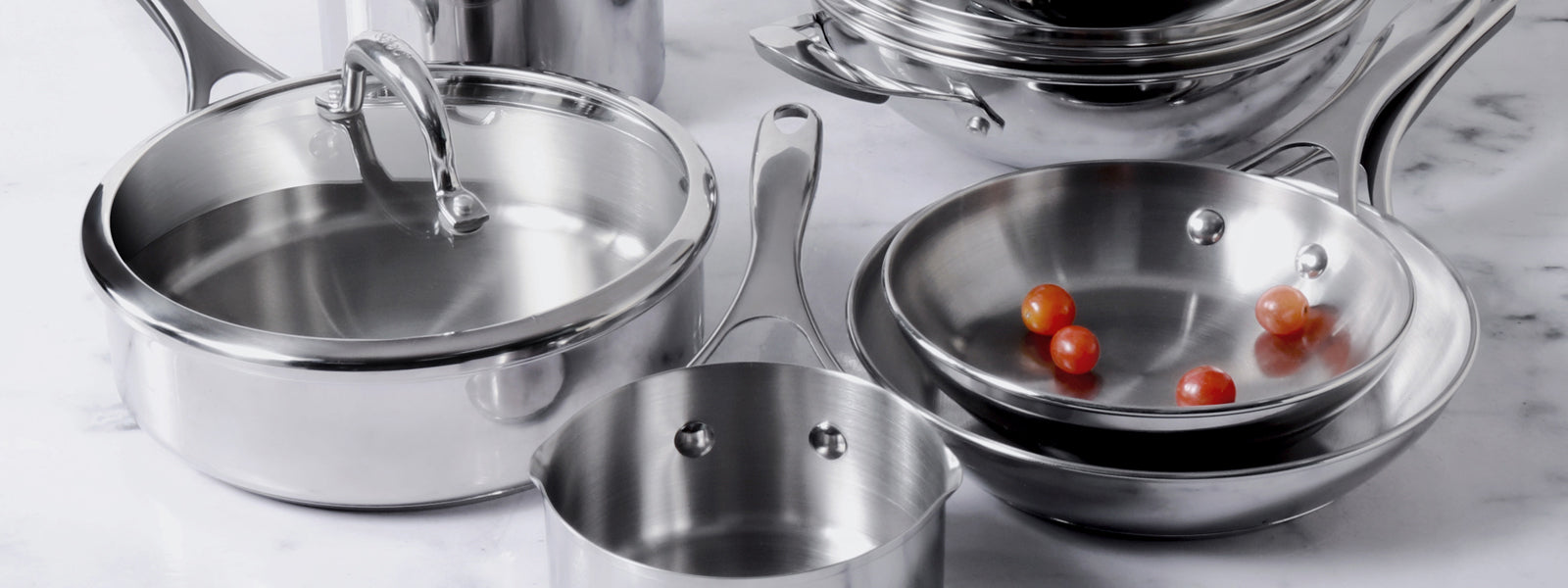
Best Stainless Steel Cookware in India - A Celebrity Chef's Favourites
2 Items
Choosing the Right Non-Stick Cookware for Diwali Delights
2 Items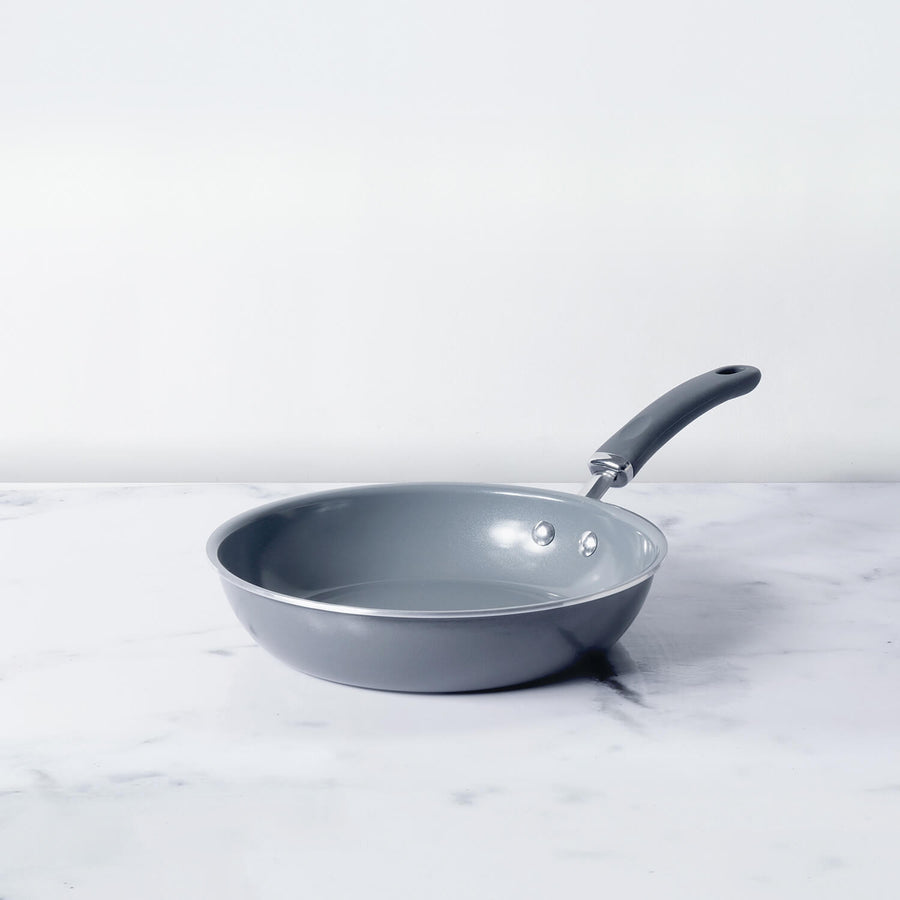


Leave a comment