



Handi pressure cookers are a perfect blend of tradition and modern convenience. Inspired by the classic Indian handi, these cookers are designed with a wide base and curved sides, allowing for better heat distribution and slow cooking, just like traditional clay or metal handis used in Indian kitchens for generations. If you love cooking rich curries, biryanis, or slow-cooked dishes with deep flavors, a handi pressure cooker is an excellent addition to your kitchen.
Let’s explore the best handi pressure cookers for traditional cooking, their benefits, and what to look for when choosing one.
Table of Contents
Why Choose a Handi Pressure Cooker?
Handi pressure cookers are crafted to retain the authentic taste of traditional dishes while offering the speed and efficiency of modern pressure cooking. Here’s why they stand out:
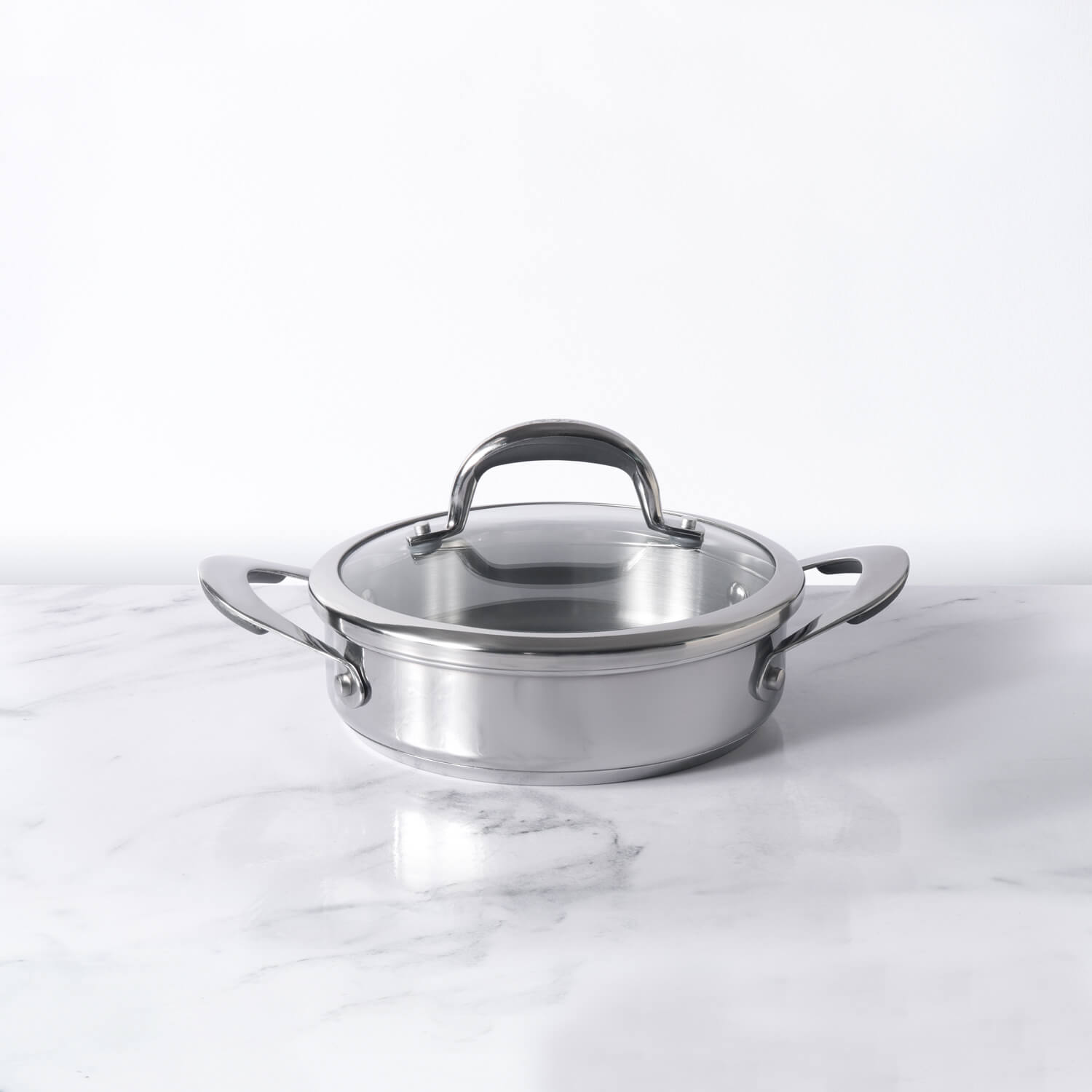
MEYER Presta Tri-ply with Outer Lid Pressure Cooker 3L
-
Even Cooking and Better Heat Retention – The curved design allows for uniform heat distribution, ensuring slow and thorough cooking.
-
Retains Authentic Flavor – Ideal for dishes that require slow simmering, allowing flavors to develop fully.
-
Spacious and Convenient – The wider base provides ample space for stirring, making it perfect for gravies, biryanis, and stews.
-
Efficient Pressure Cooking – Reduces cooking time significantly while maintaining the integrity of ingredients.
-
Traditional Appeal – Brings the charm of age-old cooking methods while incorporating the ease of a modern pressure cooker.
Best for durability, longevity, and even cooking. Stainless steel handi pressure cookers are robust, corrosion-resistant, and ideal for cooking a variety of traditional dishes. They do not react with acidic ingredients, making them perfect for preparing tomato-based curries, dals, and pickles. Pros: Cons: Best for energy efficiency and scratch resistance. Hard anodized handi pressure cookers have a sleek, black surface that is highly durable and resistant to scratches. They heat up quickly, reducing cooking time, and are non-reactive, preserving the taste and quality of food. Pros: Cons: Best for lightweight design and affordability. Aluminum handi pressure cookers are budget-friendly and heat up quickly, making them ideal for everyday traditional cooking. However, they may not be as durable as stainless steel or hard anodized options. Pros: Cons: When selecting a handi pressure cooker, consider the following factors: Material – Choose stainless steel for durability, hard anodized for quick heating, or aluminum for affordability. Size and Capacity – Opt for a 3-liter to 5-liter capacity for small families, and 5 liters or more for larger gatherings or frequent cooking of traditional dishes. Induction Compatibility – Ensure the cooker is induction-friendly if you use an induction cooktop. Lid and Safety Features – Look for sturdy locking mechanisms, pressure release valves, and heat-resistant handles for safe cooking. Brand and Warranty – Go for trusted brands that offer warranties to ensure quality and long-term use. A handi pressure cooker is a fantastic kitchen addition for those who enjoy traditional Indian cooking with a modern twist. Whether you choose stainless steel for durability, hard anodized for efficiency, or aluminum for affordability, these cookers bring out the best flavors in your favorite dishes. Invest in the right handi pressure cooker today and elevate your cooking experience while preserving the essence of traditional flavors.
Top Handi Pressure Cookers for Traditional Cooking
Stainless Steel Handi Pressure Cookers
Hard Anodized Handi Pressure Cookers
Aluminum Handi Pressure Cookers
How to Choose the Best Handi Pressure Cooker
Conclusion
MORE FROM BLOG
Top Collections

Master Meal Prep and Batch Cooking with Pressure Cookers
2 Items
Non-Stick Pressure Cookers: Pros and Cons
2 Items
Pressure Cooker Sizes Explained: 1 Litre to 10 Litre Options
2 Items
Rice Cooker vs. Pressure Cooker: Which One to Choose?
2 Items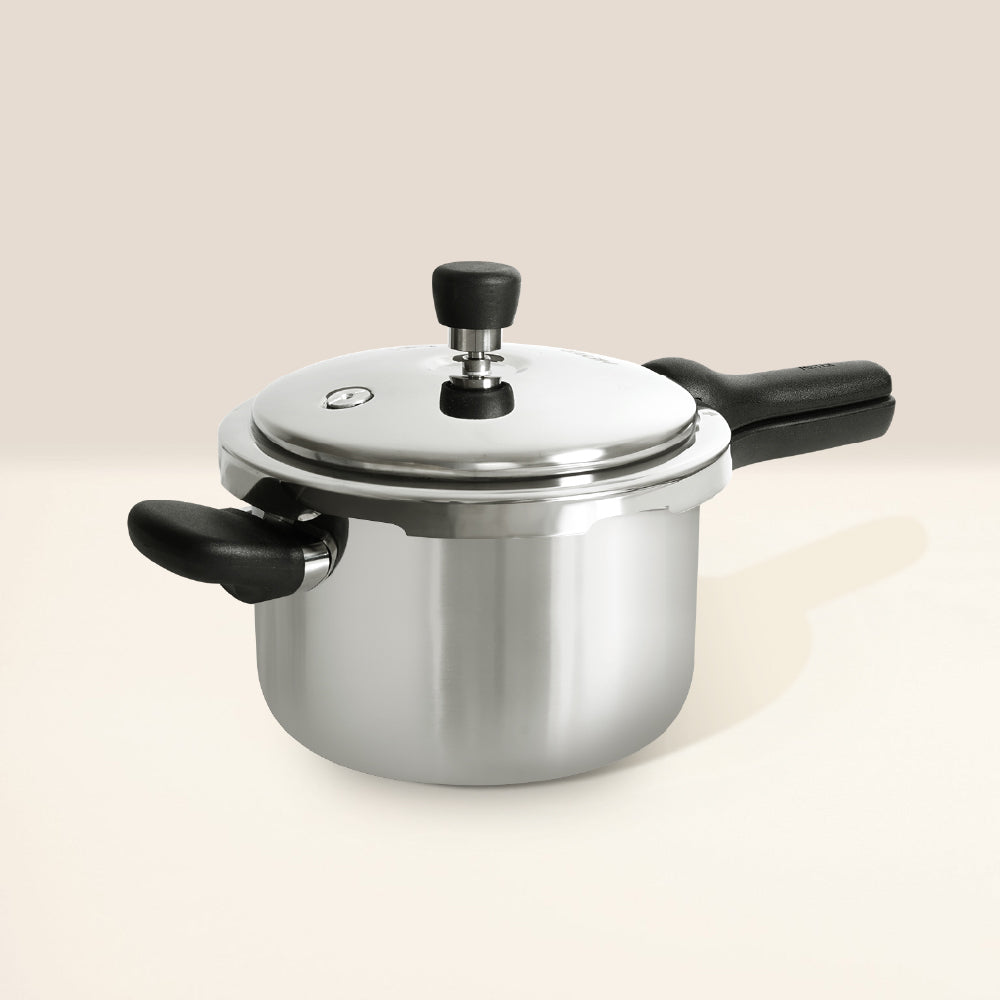


Leave a comment