



Deep frying is not an occasional indulgence in Indian households—it is woven into everyday cooking. From morning pooris and weekend pakoras to festive samosas and evening bhajiyas, hot oil is a familiar presence in Indian kitchens. Frying is also one of the most demanding cooking methods, requiring cookware that can tolerate high temperatures, heavy use, constant stirring, and repeated cleaning.
With the increasing popularity of modern cookware materials, many home cooks wonder whether stainless steel is suitable for deep frying. Concerns about sticking, oil behaviour, safety, and cleaning often lead people to assume that other materials may be better suited.
In reality, stainless steel cookware is not only suitable for deep frying—it is one of the most reliable, safest, and time-tested choices, especially for Indian cooking.
Table of Contents
- 1. Why Stainless Steel Has Traditionally Been Used for Frying
- 2. High-Heat Safety
- 3. Heat Retention and Stability
- 4. No Coating, No Worry
- 5. Does Food Stick While Deep Frying in Stainless Steel?
- 6. Stainless Steel and Oil Quality
- 7. Ease of Cleaning After Deep Frying
- 8. Choosing the Right Stainless Steel Cookware for Deep Frying
- 9. Stainless Steel vs Nonstick for Deep Frying
- 10. Fits Naturally Into Indian Cooking Habits
- 11. The Meyer Perspective
- 12. Conclusion
Why Stainless Steel Has Traditionally Been Used for Frying
Before coated cookware entered Indian homes, deep frying was done almost exclusively in stainless steel or iron vessels. Stainless steel kadais, deep pots, and patilas were trusted because they could withstand intense heat, repeated oil exposure, and heavy stirring without degrading.
Indian frying often involves:
-
high flame on gas stoves
-
repeated batches of frying
-
metal ladles and strainers
-
thick batters and doughs
-
long frying sessions during festivals
Stainless steel was built for exactly this kind of use. It does not warp, peel, crack, or break down under extreme heat, making it naturally suited for deep frying.

High-Heat Safety: One of Stainless Steel’s Biggest Strengths
Deep frying requires oil temperatures typically ranging between 170°C and 190°C. At these temperatures, the cookware material must remain chemically stable and structurally strong.
Stainless steel excels in high-heat environments. It does not release fumes, does not degrade, and does not react with oil. This makes it safer than many coated materials, which can deteriorate or emit harmful fumes when overheated.
In Indian kitchens where strong flames are common and temperature control is often manual, stainless steel offers reassurance and reliability. It tolerates sudden temperature changes, long heating durations, and repeated reheating without compromising performance.
High-quality stainless steel cookware, such as thoughtfully engineered ranges from Meyer, is designed to handle these demanding conditions while maintaining consistent heat behaviour.
Meyer Select Stainless Steel Kadai 24cm
Heat Retention and Stability: Essential for Crisp Frying
One of the most important aspects of deep frying is maintaining oil temperature. When food is added, the oil temperature drops temporarily. If the cookware cannot retain heat well, the oil cools too much, causing food to absorb excess oil and become greasy instead of crisp.
Well-constructed stainless steel cookware—especially with thick bases or tri-ply construction—holds heat effectively and distributes it evenly. This ensures that oil recovers its temperature quickly after each batch of food is added.
This stability is crucial for Indian fried foods such as:
-
pakoras
-
pooris
-
samosas
-
kachoris
-
vadas
-
bhajiyas
-
fried fish
-
fritters
When the oil temperature remains consistent, the outer crust forms quickly, sealing moisture inside and reducing oil absorption. The result is crisp, golden, evenly cooked food.
No Coating, No Worry: Perfect for Metal Utensils
Deep frying often involves vigorous stirring, flipping, lifting, and straining. Metal utensils like jharas, slotted spoons, and ladles are commonly used.
In coated cookware, such usage increases the risk of scratches and peeling. Stainless steel, however, has no coating to protect. This makes it worry-free for active frying sessions where utensils constantly touch the pan.
You can stir freely, scrape gently, and lift food without concern for damaging the surface. This durability contributes to stainless steel’s reputation for being low maintenance and long-lasting in Indian kitchens.
Does Food Stick While Deep Frying in Stainless Steel?
Sticking is often a concern with stainless steel during sautéing, but in deep frying, this issue is minimal. When sufficient oil is used and heated properly, food remains suspended in oil rather than resting on the pan surface.
Sticking only becomes an issue if:
- oil is not hot enough
- food is overcrowded
- food is stirred too early
When oil reaches proper frying temperature, food naturally releases and moves freely. Stainless steel performs smoothly under these conditions, especially when used with correct heat control.
Stainless Steel and Oil Quality
Another advantage of stainless steel cookware is its non-reactive nature. It does not alter the taste, colour, or aroma of oil. This is particularly important in Indian kitchens where oil is sometimes strained and reused.
Stainless steel does not absorb odours, flavours, or residues, making it easier to maintain oil quality and cleanliness. After proper washing, the cookware returns to a neutral state, ready for the next dish—whether it is frying sweets or savoury snacks.
Ease of Cleaning After Deep Frying
Deep frying inevitably leaves behind oil residue, crumbs, and batter particles. Stainless steel is remarkably forgiving in this regard. Unlike delicate surfaces, it allows thorough scrubbing without fear of damage.
After frying:
-
soaking loosens residue
-
regular dish soap removes oil
-
normal scrubbers are safe to use
Even if residue sticks slightly, stainless steel tolerates firm cleaning, making it ideal for households where cleaning routines are practical rather than delicate.
High-quality stainless steel cookware, such as Meyer’s, is designed to resist staining and maintain its appearance and performance despite frequent exposure to oil and heat.
Choosing the Right Stainless Steel Cookware for Deep Frying
While stainless steel is suitable for deep frying, cookware quality matters. Thin, lightweight vessels may heat unevenly and cause oil temperature fluctuations.
For best results, a deep, heavy, well-balanced pot or kadai is ideal. Thick bases and even heat distribution ensure stability during frying and reduce the risk of burning or uneven cooking.
Premium stainless steel cookware, engineered with bonded bases and durable construction, offers greater confidence and control during high-heat cooking.
Stainless Steel vs Nonstick for Deep Frying
Nonstick cookware is generally not recommended for deep frying. Coatings are sensitive to high heat and can degrade over time, especially when exposed to prolonged frying temperatures.
Stainless steel, on the other hand:
- tolerates high heat safely
- does not degrade
- does not require special utensils
- lasts significantly longer
This is why professional kitchens and traditional households continue to rely on stainless steel for frying rather than coated alternatives.
Fits Naturally Into Indian Cooking Habits
Indian kitchens are dynamic spaces. Multiple family members cook, utensils vary, cleaning methods are strong, and cooking styles are diverse. Stainless steel adapts naturally to this environment.
It does not demand special handling, specific tools, or behavioural changes. It allows:
-
strong flames
-
metal utensils
-
heavy stirring
-
firm scrubbing
This cultural compatibility is one of the biggest reasons stainless steel remains easy to use and maintain in Indian homes.
The Meyer Perspective: Designed for Real Indian Cooking
At Meyer, stainless steel cookware is designed around real cooking habits—daily meals, festive frying, repeated heating, and family-sized portions. The focus is on even heat distribution, food-safe materials, and durability that supports long-term use.
Meyer’s stainless steel cookware is engineered to provide stability, safety, and performance in demanding tasks such as deep frying, making it a dependable choice for Indian kitchens that value both tradition and quality.
Conclusion
Yes—without hesitation.
Stainless steel cookware is not just suitable for deep frying; it is one of the most dependable, safest, and practical choices for it. It handles high heat with confidence, maintains oil temperature effectively, resists wear, and cleans easily after heavy use.
For Indian kitchens where frying is frequent, cookware must endure more than just heat—it must endure habits, routines, and repetition. Stainless steel meets these demands effortlessly.
When you choose high-quality stainless steel cookware—such as premium ranges from Meyer—you invest in a frying companion that delivers crisp results, long-term durability, and peace of mind, batch after batch.
For deep frying, stainless steel isn’t a modern experiment. It’s a trusted classic—refined for today’s kitchens.
MORE FROM BLOG
Top Collections

10 Healthy Recipes For A Healthy New Year 2021
2 Items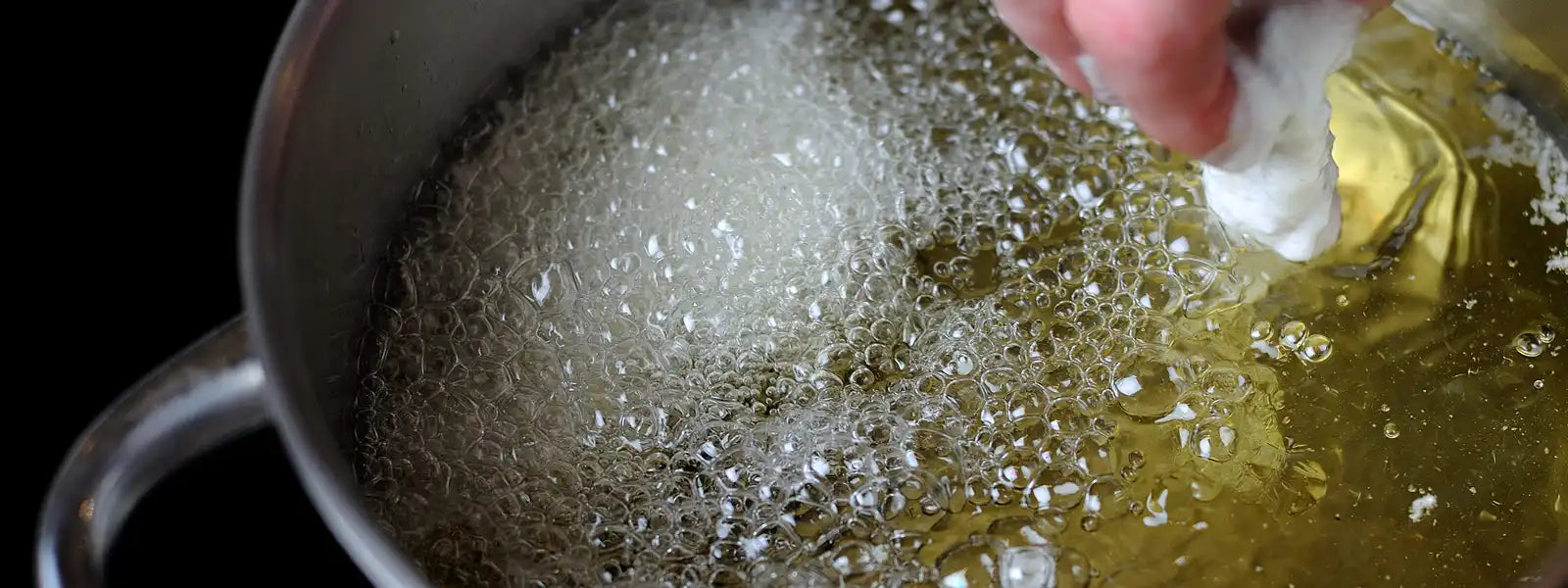
Best Stainless Steel Kadai for Deep Frying
2 Items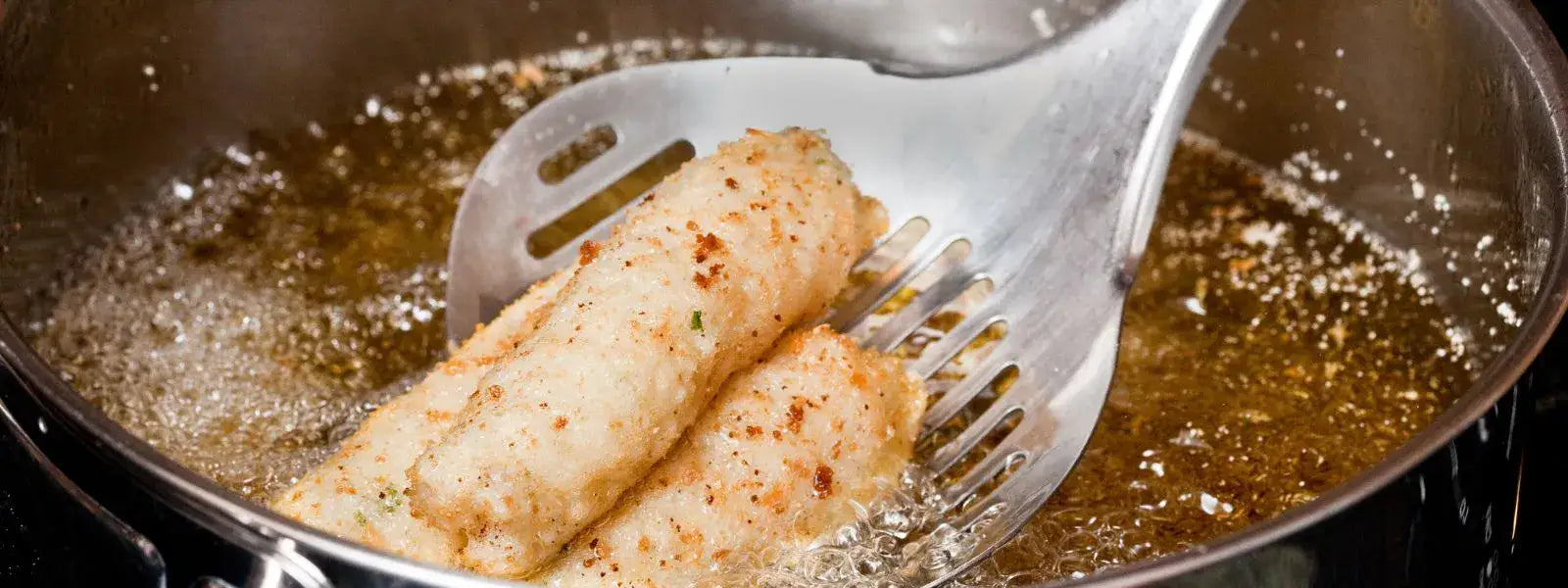
Can stainless steel pan be used for Deep Frying?
2 Items
How Steel Cookware has replaced Aluminium Cookware in India 2022
2 Items
Is Hard-Anodized Cookware Safer Than Stainless Steel?
2 Items


Leave a comment