



Induction cooktops are rapidly becoming a preferred choice in modern kitchens because they are fast, energy-efficient, and offer excellent temperature control. At the same time, cast iron cookware continues to remain one of the most trusted cooking materials for home cooks and professional chefs alike.
With both technologies becoming increasingly common, many people naturally ask: Can cast iron cookware be safely used on an induction cooktop?
The answer is yes. In fact, cast iron is one of the most compatible cookware materials for induction cooking. However, understanding how induction works and how cast iron behaves on this type of cooktop can help you use it more effectively and safely.
This guide explains the relationship between cast iron and induction cooktops, how they work together, and what precautions help you get the best cooking experience.
Table of Contents
- 1. Understanding How Induction Cooktops Work
- 2. Why Cast Iron Works So Well on Induction
- 3. Benefits of Using Cast Iron on Induction Cooktops
- 4. Is It Completely Safe to Use Cast Iron on Induction?
- 5. Important Precautions When Using Cast Iron on Induction
- 6. Cooking Styles That Benefit from Cast Iron on Induction
- 7. Modern Cast Iron Cookware Designed for Today’s Kitchens
- 8. Common Concerns About Cast Iron and Induction
- 9. Simple Tips for Best Results
- 10. Final Thoughts
Understanding How Induction Cooktops Work
Unlike traditional gas or electric stoves, induction cooktops heat cookware using magnetic energy instead of a direct flame or heated coil.
Inside the cooktop, an electromagnetic coil creates a magnetic field when electricity flows through it. When cookware made from magnetic metal is placed on the surface, this magnetic field produces heat directly inside the base of the cookware.
Because the heat is generated inside the pan rather than on the cooktop surface, induction cooking offers several advantages:
· Faster heating compared to traditional stoves
· Higher energy efficiency
· Precise temperature control
· Less heat loss into the surrounding environment
However, this technology only works with cookware that contains magnetic metals, which is where cast iron performs exceptionally well.

Why Cast Iron Works So Well on Induction
Cast iron cookware is primarily made from iron, a metal that reacts strongly with magnetic fields. Because induction cooktops rely on magnetism to generate heat, cast iron naturally meets the compatibility requirement.
When placed on an induction cooktop, cast iron quickly interacts with the magnetic field and begins heating up. The cookware itself becomes the heat source, allowing food to cook efficiently.
This makes cast iron not just compatible with induction cooktops, but often one of the best materials for induction cooking.
Benefits of Using Cast Iron on Induction Cooktops
Pairing cast iron cookware with an induction cooktop can create a highly effective cooking setup.
Strong Heat Retention
Cast iron is famous for its ability to retain heat. Once the cookware reaches the desired temperature, it stays hot for longer periods. This steady heat is particularly useful for cooking techniques that require consistent temperatures.
Dishes such as sautéed vegetables, slow-cooked gravies, or pan-fried foods benefit greatly from this property.
Consistent Cooking Performance
Because cast iron absorbs and distributes heat across its surface, it supports more uniform cooking. This helps reduce temperature fluctuations during cooking.
When used with induction technology, this heat stability becomes even more effective because the cooktop delivers controlled and responsive heating.
Versatility Across Cooking Methods
Cast iron cookware adapts well to a variety of cooking styles. It can handle tasks such as sautéing, frying, simmering, and roasting. Many cast iron pans can also move seamlessly from stovetop to oven.
This versatility makes cast iron a dependable cookware option for everyday cooking as well as more elaborate recipes.
Long-Term Durability
One of the biggest strengths of cast iron cookware is its longevity. With proper care, it can remain functional for decades. Unlike many other cookware materials, cast iron does not depend on coatings that may wear down over time.
Because of this durability, many households continue using cast iron cookware for generations.
Is It Completely Safe to Use Cast Iron on Induction?
Yes, cast iron cookware can be safely used on induction cooktops. However, there are a few practical considerations that help protect both the cookware and the cooktop surface.
Since induction cooktops usually feature smooth glass surfaces, careful handling ensures a safe and damage-free cooking experience.
Important Precautions When Using Cast Iron on Induction
Avoid Sliding the Pan
Cast iron cookware is heavy, and some pieces may have slightly textured bases. Sliding the pan across the cooktop surface could potentially scratch the glass.
The best approach is to lift the cookware instead of dragging it when repositioning it.
Check for a Flat Bottom
Induction cooktops perform best when cookware sits flat on the surface. A flat base allows proper contact between the pan and the magnetic field, ensuring efficient heating.
Most modern cast iron cookware is designed with flat bottoms specifically for compatibility with modern cooktops.
Heat Gradually
Although induction cooktops heat cookware quickly, it is still beneficial to warm cast iron gradually. Starting with moderate heat allows the cookware to expand evenly and helps maintain cooking stability.
This simple step improves cooking results and supports the longevity of the cookware.
Handle with Care
Cast iron cookware is heavier than many other cookware materials. Placing it gently on the cooktop surface helps prevent accidental damage to the glass.
Careful handling is usually enough to avoid any issues.
Cooking Styles That Benefit from Cast Iron on Induction
Combining cast iron cookware with induction technology can be particularly useful for several cooking techniques.
High-heat searing works very well because cast iron retains intense heat once it warms up. This helps create crisp surfaces on vegetables, paneer, or meats.
Shallow frying and deep frying also benefit from cast iron’s heat stability. The cookware maintains consistent temperatures even when ingredients are added.
Slow cooking and simmering are equally suited to cast iron cookware, as it helps maintain gentle and steady heat for extended periods.
These characteristics make cast iron a versatile partner for induction cooking.
Modern Cast Iron Cookware Designed for Today’s Kitchens
Contemporary cookware manufacturers have adapted traditional cast iron designs to suit modern cooking appliances.
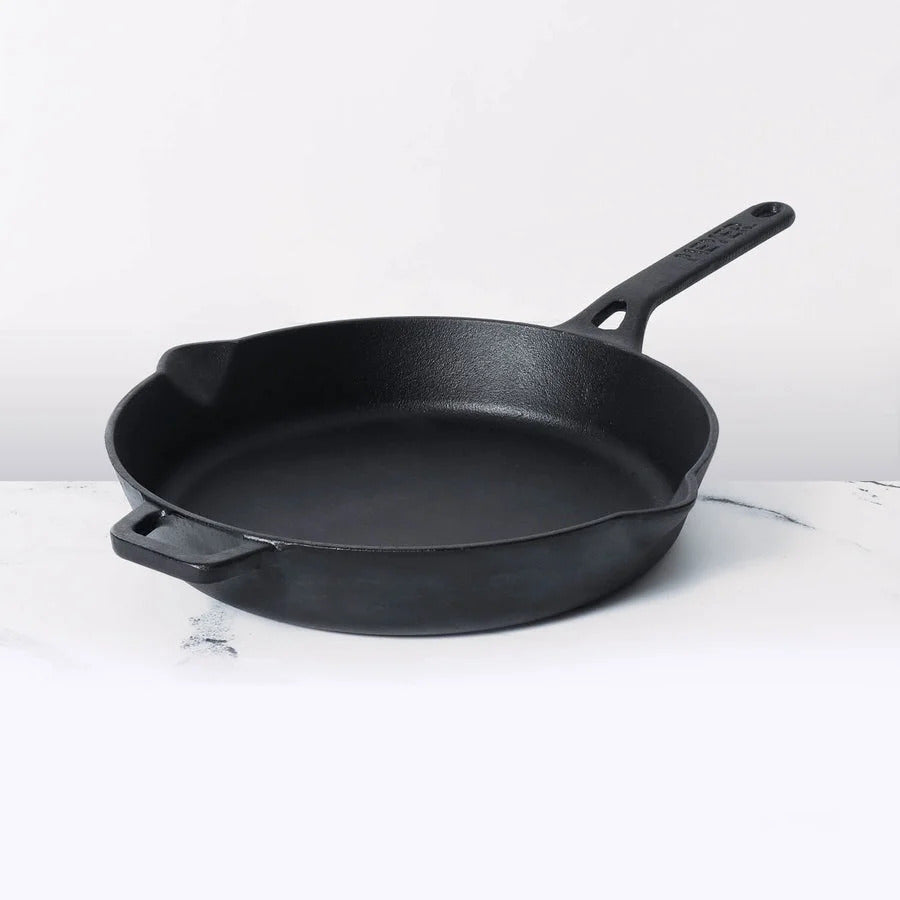
Cookware collections such as Meyer Cast Iron Cookware are developed with flat, stable bases that work effectively on various cooktops, including induction.
These designs combine the timeless durability of cast iron with thoughtful construction that supports even heating and compatibility with modern kitchen technology.
This means home cooks can enjoy traditional cooking performance while using advanced appliances like induction cooktops.
Common Concerns About Cast Iron and Induction
Some people hesitate to use cast iron on induction cooktops because of a few common concerns.
Will Cast Iron Damage the Cooktop?
Cast iron itself does not damage induction cooktops. However, dragging heavy cookware across the glass surface may cause scratches. Lifting the cookware while moving it prevents this issue.
Does Cast Iron Heat Too Slowly?
Cast iron may take slightly longer to heat compared to lightweight cookware materials. However, once heated, it holds temperature extremely well, which helps maintain consistent cooking conditions.
Is Cast Iron Too Heavy for Induction?
While cast iron is heavier than many cookware materials, induction cooktops are designed to support standard cookware weights. Using normal care while handling the cookware is usually sufficient.
Simple Tips for Best Results
Using cast iron on an induction cooktop becomes easier with a few simple habits:
· Preheat the cookware gradually
· Lift the pan instead of sliding it across the surface
· Ensure the cookware has a flat base
· Avoid sudden temperature changes
· Maintain the cookware through regular cleaning and seasoning
These practices help improve cooking performance while protecting your cookware and cooktop.
Final Thoughts
Cast iron cookware and induction cooktops make an excellent combination in modern kitchens. Because cast iron contains magnetic iron, it interacts perfectly with induction technology, allowing efficient and responsive heating.
Beyond compatibility, cast iron brings additional benefits such as excellent heat retention, durability, and versatility across cooking methods.
Modern cookware collections like Meyer Cast Iron Cookware are designed to work seamlessly across different cooking platforms, including gas and induction cooktops. This allows home cooks to enjoy the strengths of traditional cookware while taking advantage of advanced cooking technology.
With proper handling and a few simple precautions, cast iron cookware can be used safely and effectively on induction cooktops, making it a dependable choice for everyday cooking.
MORE FROM BLOG
Top Collections
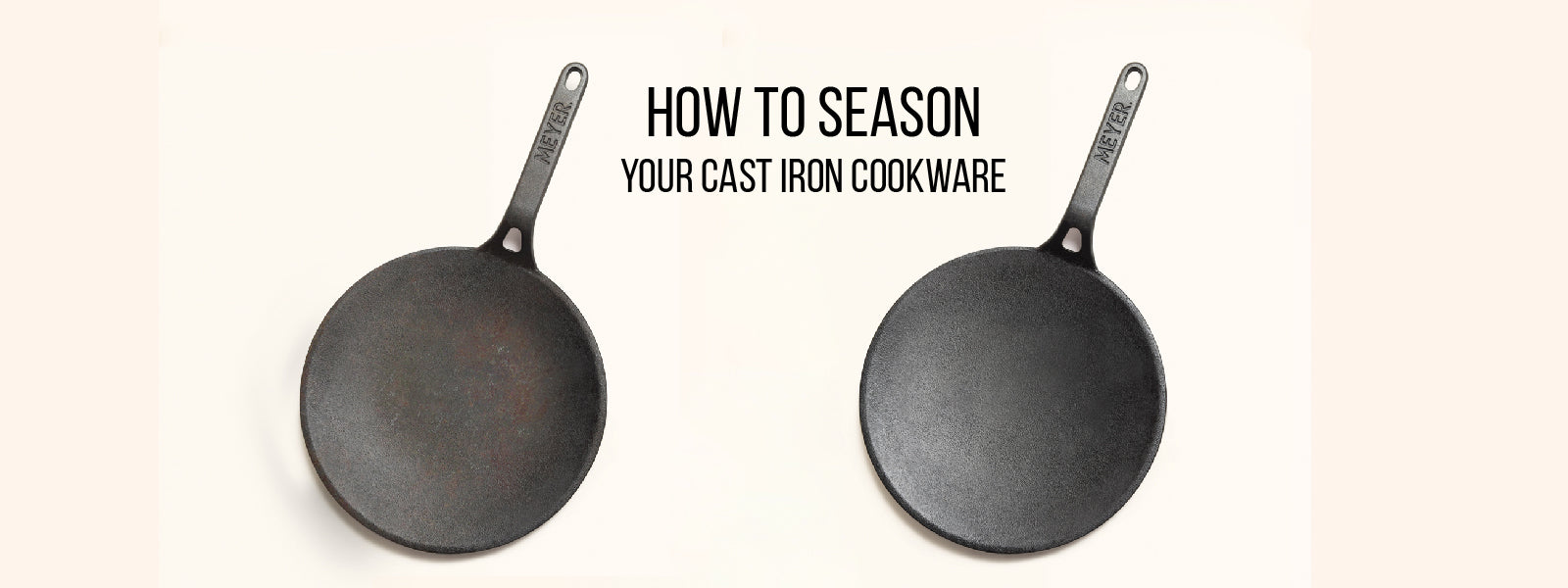
How To Season Cast Iron Cookware?
2 Items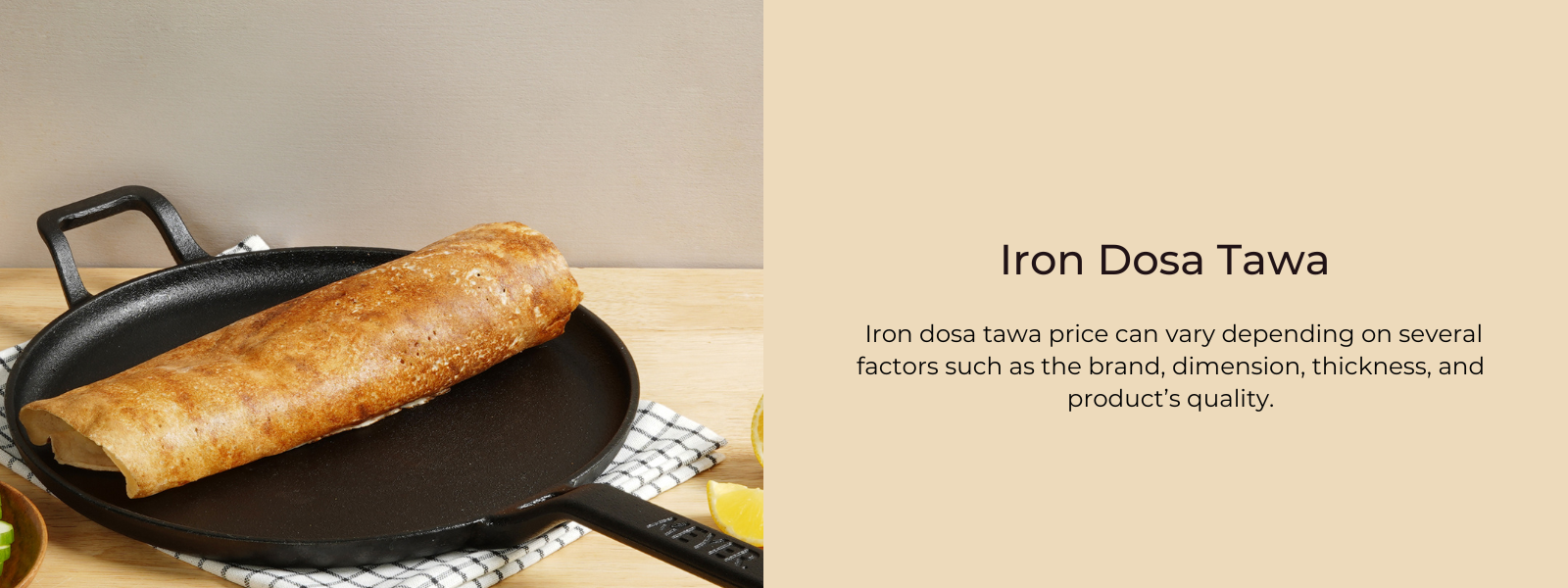
Best Iron Dosa Tawa Price: Pre-seasoned Cast Iron Tawa at a Special Rate
2 Items
Can Cast Iron cookware surface become Non-stick?
2 Items
Cast Iron Cookware for Camping: Everything You Need to Know
2 Items
Cast Iron Cookware: The Ultimate Guide to Cooking on an Open Fire
2 Items


Leave a comment