



For generations, Indian cooking has relied on fire—open flames, coal embers, and clay tandoors—to build flavour. That unmistakable smoky aroma rising from a pot of dal or a plate of tandoori kebabs isn’t just about taste; it’s about emotion, memory, and tradition.
But as kitchens evolve, many Indian homes are shifting to electric cooktops, induction stoves, and built-in ovens. While these modern kitchens are safer, cleaner, and more efficient, they often raise one common concern: Can you still achieve authentic charcoal flavour without fire?
The answer is a confident yes—with the right techniques and the right cookware.
Table of Contents
- 1. Understanding Charcoal Flavor: More Aroma Than Heat
- 2. Why Electric Kitchens Are Better Than You Think
- 3. The Dhungar Method
- 4. Cast Iron
- 5. Oven Techniques for Tandoor-Style Results
- 6. Why Cookware Quality Matters More in Electric Kitchens
- 7. Cleaner, Healthier Way to Enjoy Smoky Food
- 8. Common Mistakes to Avoid
- 9. Conclusion
Understanding Charcoal Flavor: More Aroma Than Heat
Charcoal flavour is often misunderstood as something that comes only from intense heat. In reality, it’s about controlled smoke infusion. The smokiness we associate with traditional cooking comes from aromatic compounds released when charcoal interacts with fat, not from burning food.
This distinction is important because electric kitchens actually provide better control over temperature, timing, and smoke exposure—making them ideal for recreating these flavours indoors.

Why Electric Kitchens Are Better Than You Think
Electric kitchens may lack visible flames, but they offer several advantages:
- Consistent heat without flare-ups
- Better control over cooking stages
- Compatibility with heavy, heat-retentive cookware
- Safer indoor smoke management
When paired with cookware designed for Indian cooking—such as Meyer cast iron and stainless steel cookware—electric kitchens can deliver flavours that are just as rich and layered as traditional methods.
Meyer Pre-Seasoned Cast Iron double Handle skillet 26cm, Black
The Dhungar Method: Traditional Technique, Modern Application
The dhungar method is the cornerstone of indoor charcoal flavour. It has been used in Indian kitchens for centuries and adapts beautifully to electric setups.
Why Dhungar Works So Well Indoors
-
It adds aroma without altering texture
-
It doesn’t require direct flame cooking
-
It works with finished dishes
-
It produces minimal smoke when done correctly
After cooking the dish fully, a small piece of heated charcoal is placed in a bowl inside the pot. A few drops of ghee or oil trigger smoke, which is immediately trapped under a lid.
Cookware plays a critical role here. Meyer Enamel Cast Iron casseroles and Meyer stainless steel pots with snug lids help retain smoke evenly, allowing flavours to permeate without escaping into the kitchen.
Cast Iron: The Secret to Smoky, Charred Textures
While charcoal adds aroma, cast iron cookware adds texture—the charred edges, roasted surfaces, and caramelised crusts we associate with tandoori food.
In electric kitchens:
- Meyer Pre-Seasoned Cast Iron Grill Pans replicate grill marks
- Heavy bases maintain high heat on induction and electric stoves
- Natural seasoning enhances flavour over time
Vegetables, paneer, tofu, and even marinated meats develop deep flavour through surface browning, reducing the need for excess oil or smoke.
Oven Techniques for Tandoor-Style Results
Electric ovens are powerful tools for recreating traditional flavours—especially when combined with smart finishing techniques.
How Ovens Help Build Smokiness
- High-temperature roasting mimics tandoor heat
- Grill mode enhances surface charring
- Even airflow ensures uniform cooking
Using sturdy bakeware like Meyer Bakemaster trays and pans ensures food cooks evenly without burning. Once oven-cooked, dishes can be finished with a quick dhungar step to introduce authentic charcoal aroma.
This combination delivers the best of both worlds: precision cooking and traditional flavour.
Why Cookware Quality Matters More in Electric Kitchens
In flame-based cooking, heat is abundant. In electric kitchens, heat retention becomes critical.
The best cookware for charcoal-style cooking should:
-
Retain heat for longer durations
-
Seal tightly to trap smoke
-
Be safe at high temperatures
-
Distribute heat evenly
Meyer Tri-Ply stainless steel cookware offers excellent control during slow cooking and finishing, while cast iron cookware excels at high-heat searing and smoke retention.
The result is flavour that develops naturally, without shortcuts.
Cleaner, Healthier Way to Enjoy Smoky Food
One of the biggest benefits of recreating charcoal flavours indoors is cleaner cooking:
-
Minimal charcoal usage
-
No open flames
-
Reduced smoke exposure
-
Better air quality
When paired with toxin-free, durable cookware, this approach aligns with the growing preference for healthy Indian cooking without compromising taste.
Common Mistakes to Avoid
Even with the right setup, a few missteps can overpower flavours:
- Using too much charcoal or oil
- Smoking food for too long
- Attempting dhungar on raw dishes
- Using lightweight cookware that leaks smoke
In electric kitchens, restraint is key. Less smoke, applied correctly, creates better results.
Conclusion
Charcoal flavour is not about clinging to old tools—it’s about preserving the soul of Indian cooking while embracing modern convenience. With thoughtful techniques and dependable cookware, electric kitchens can deliver dishes that are deeply aromatic, richly textured, and unmistakably Indian.
MORE FROM BLOG
Top Collections
Best Appam Tawa For Authentic Appam at Home
2 Items
Best Bakeware For Easy Home-Baking During Christmas
2 Items
Best Cast Iron Appe Tawa For Paniyaram
2 Items
10 Best Desserts To Make At Home For Christmas
2 Items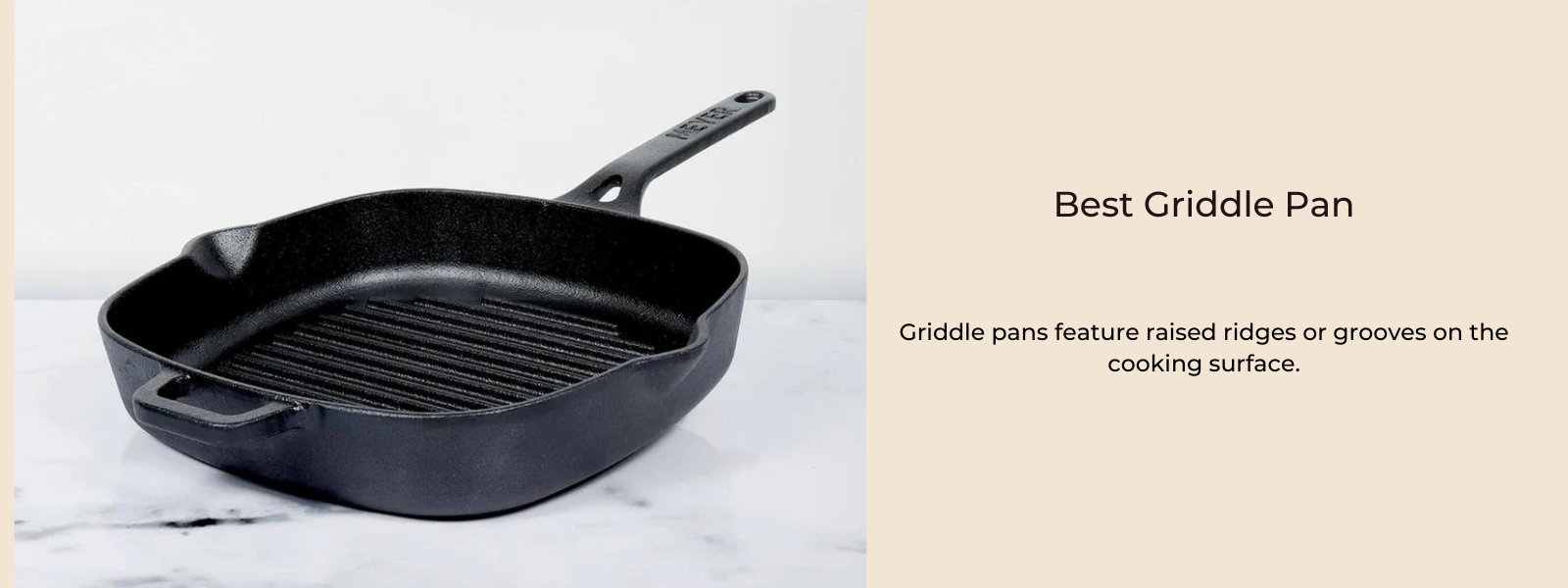
Best Griddle Pan For Grill-Like Results At Home
2 Items


Leave a comment