



Indian cooking depends heavily on oil—not only for frying, sautéing, or tempering, but also for forming the base of flavour in curries, dals, biryanis, and snacks. Each oil behaves differently when heated, and each cookware material responds differently to high, medium, or low temperatures.
Pairing the right oil with the right cookware can dramatically improve flavour, prevent burning, protect nutrients, and extend the lifespan of your pots and pans.
Table of Contents
Why Oil–Cookware Pairing Matters in Indian Cooking
Indian recipes use aggressive cooking methods—high-heat tadkas, prolonged simmering, repeated frying, and heavy masala roasting. If the cookware–oil combination is not right, it can cause:
- burnt masalas
- sticky surfaces
- loss of flavour
- breakdown of oil nutrients
- uneven cooking
- early deterioration of cookware
The right pairing supports:
-
complete flavour extraction
-
better browning and caramelisation
-
stable cooking temperatures
-
preserved nutrients
-
long-lasting cookware
Common Indian Cooking Oils & Best Cookware for Each
Below is an ingredient-by-ingredient breakdown of the oils most used in Indian kitchens and the cookware materials that best complement their properties.

Mustard Oil
Smoke Point: High (~250°C)
Common Uses: Tempering, curries, marinades, frying
Mustard oil is heated until its strong aroma mellows, which requires cookware that can tolerate intense heat without warping or reacting.
Best Cookware Materials
- Withstands high flame cooking
- Gives deep browning and a smoky finish
- Helps develop flavour in dishes like fish fry or masala sauté
-
Even heat distribution prevents hot spots
-
Perfect for high-heat tadka or sautéing onions and tomatoes
-
Ideal for mustard-oil based gravies
Recommended Options:
Meyer Pre-Seasoned Cast Iron Frypan, Meyer Tri-Ply Stainless Steel Kadai
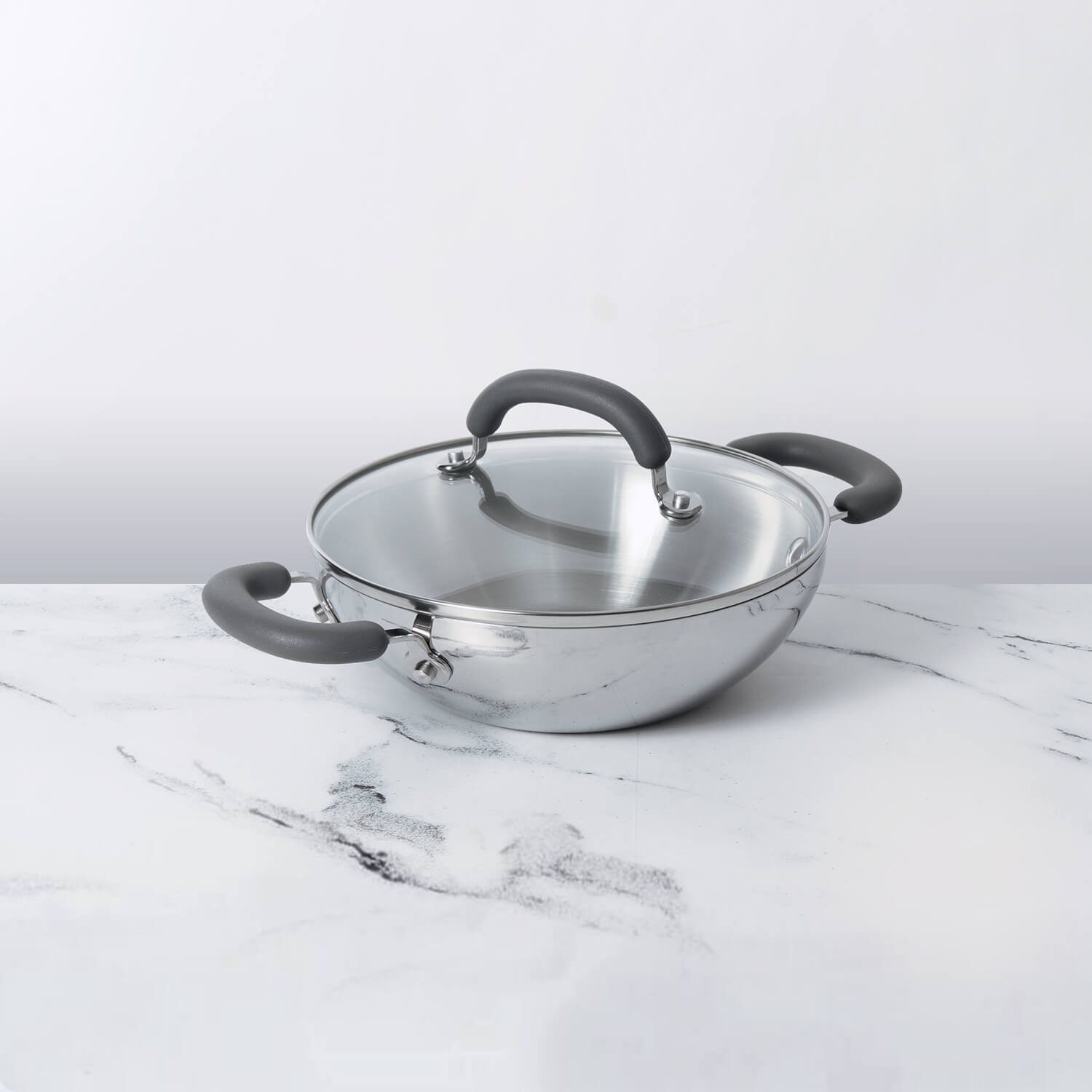
Meyer Stainless Steel Cookware Kadai with Lid, 30cm
Groundnut Oil
Smoke Point: High (~225°C)
Common Uses: Stir-frying, deep frying, everyday cooking
Groundnut oil maintains stability at high temperatures, making it ideal for frying and sautéing.
Best Cookware Materials
Tri-Ply Stainless Steel
-
Maintains consistent high temperature
-
Perfect for deep frying snacks
-
Reduces unnecessary oil absorption
-
Durable, non-reactive
-
Ideal for everyday sabzis and dry masalas
-
Resists scratches and high heat
Recommended Options:
Meyer Tri-Ply Deep Kadai, Meyer Hard-Anodized Deep Frypan
Ghee
Smoke Point: High (~250°C)
Common Uses: Parathas, tadka, halwa, sautéing, slow-cooking
Ghee enhances aroma but burns quickly if cookware does not heat evenly.
Best Cookware Materials
Cast Iron
- Provides perfect browning
- Enhances earthy flavour
- Ideal for flatbreads, sautéing, and pan roasting
Tri-Ply Stainless Steel
-
Great for slow-cooked dals, sweets, curries
-
Maintains controlled heat and reduces burning
Recommended Options:
Meyer Cast Iron Tawa, Meyer Tri-Ply Casserole
Sunflower Oil
Smoke Point: Medium-High (~230°C)
Common Uses: Everyday cooking, sautéing, light frying
Sunflower oil is neutral and suits almost all Indian dishes.
Best Cookware Materials
Non-Stick Cookware
-
Perfect for low-oil cooking
-
Prevents sticking during sautéing
-
Ideal for breakfast dishes and dry sabzis
Hard Anodized Cookware
- Better heat retention
- Suitable for everyday curries and vegetable cooking
Recommended Options:
Meyer Non-Stick Frypan, Meyer Hard-Anodized Kadai
Coconut Oil
Smoke Point: Medium (~175–200°C depending on type)
Common Uses: South Indian curries, tempering, seafood, coconut-based dishes
Because coconut oil can burn quickly, cookware must heat evenly at moderate temperatures.
Best Cookware Materials
Hard Anodized Cookware
- Prevents burning and manages steady heat
- Perfect for coconut-based masalas
Tri-Ply Stainless Steel
- Offers balance between heat and control
- Ideal for tempering and milk-based curries
Recommended Options:
Meyer Tri-Ply Saucepan, Meyer Hard-Anodized Frypan
Sesame Oil
Smoke Point: Medium-High (~210°C)
Common Uses: Tempering, curries, stir-fries, marinades
Sesame oil requires controlled heating to preserve its distinct nutty flavour.
Best Cookware Materials
Cast Iron
- Brings out earthy flavours
- Suitable for thick masalas and stir-fries
Tri-Ply Stainless Steel
-
Ensures steady medium heat
-
Perfect for tempering and sautéing
Recommended Options:
Meyer Cast Iron Kadai, Meyer Tri-Ply Frypan
Rice Bran Oil
Smoke Point: High (~232°C)
Common Uses: Deep frying, everyday cooking
Rice bran oil performs best on cookware that holds high heat without dropping temperature.
Best Cookware Materials
Tri-Ply Stainless Steel
-
Excellent for deep frying
-
Maintains steady temperature
-
Ensures crisp results with minimal oil use
Hard Anodized Cookware
- Great for large-batch cooking
- Resists scratches from regular use
Recommended Options:
Meyer Tri-Ply Deep Frypan, Meyer Hard-Anodized Kadai
Practical Tips for Using Oils Safely with the Right Cookware
1. Never heat delicate oils on high flame
Coconut and sesame oils burn quickly; avoid cast iron at full flame for these.
2. Do not use high-heat oils in non-stick pans
Non-stick cookware performs best on medium or low heat.
3. Deep frying works best in tri-ply cookware
It holds heat longer and ensures consistent browning.
4. Use cast iron for high-heat cooking with mustard oil or ghee
This combination enhances flavour and prevents burning.
5. For low-oil cooking, choose anodized or non-stick cookware
These materials reduce the need for excess oil and prevent sticking.
Conclusion
Indian cooking techniques depend heavily on the type of oil used—whether for tempering, frying, sautéing, or deep cooking. Understanding how each oil behaves under heat helps you choose the right cookware to match your daily cooking patterns.
Tri-Ply stainless steel, cast iron, hard anodized, and non-stick surfaces all play unique roles in extracting maximum flavour while protecting your food from burning or sticking. High-quality cookware ranges such as Meyer Tri-Ply, Meyer Cast Iron, and Meyer Hard Anodized are designed to handle the heat requirements of Indian oils, making everyday cooking easier, safer, and more delicious.
MORE FROM BLOG
Top Collections
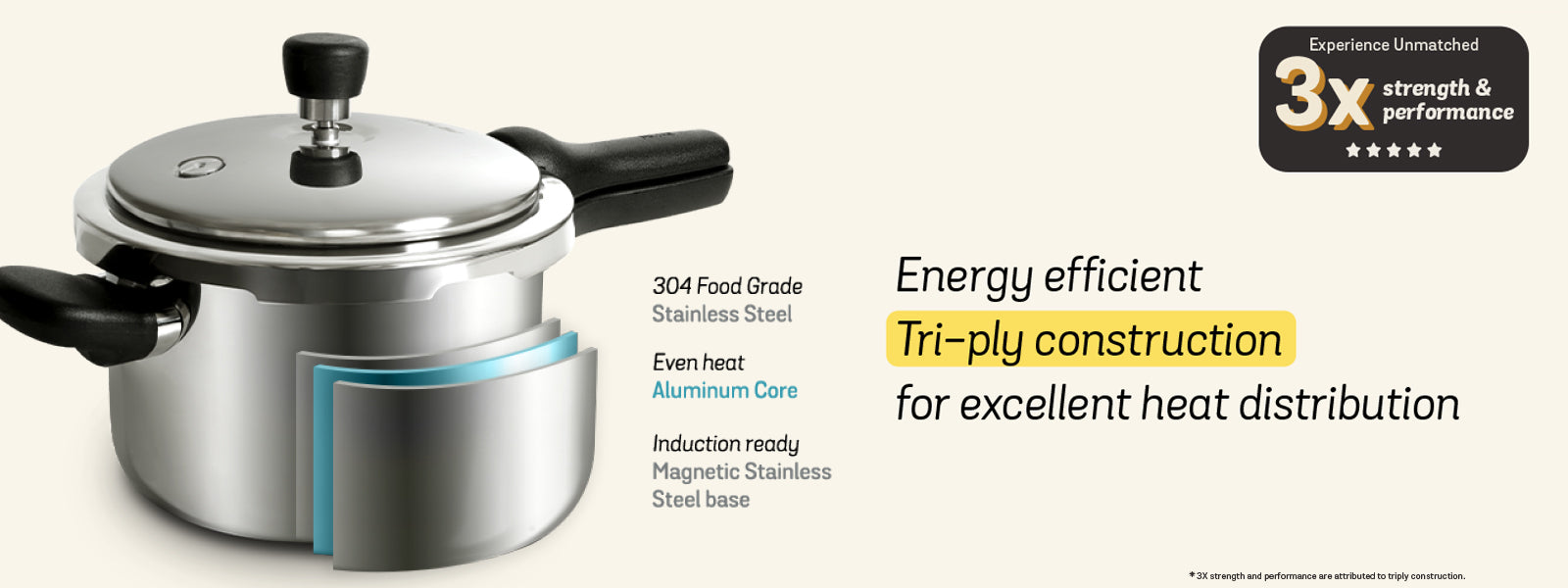
Cooker Sets: A Convenient Option for Every Kitchen
2 Items
Cooking at Home vs. Eating Out: Making the Right Choices
2 Items
Cooking for a Family: Balancing Taste and Nutrition
2 Items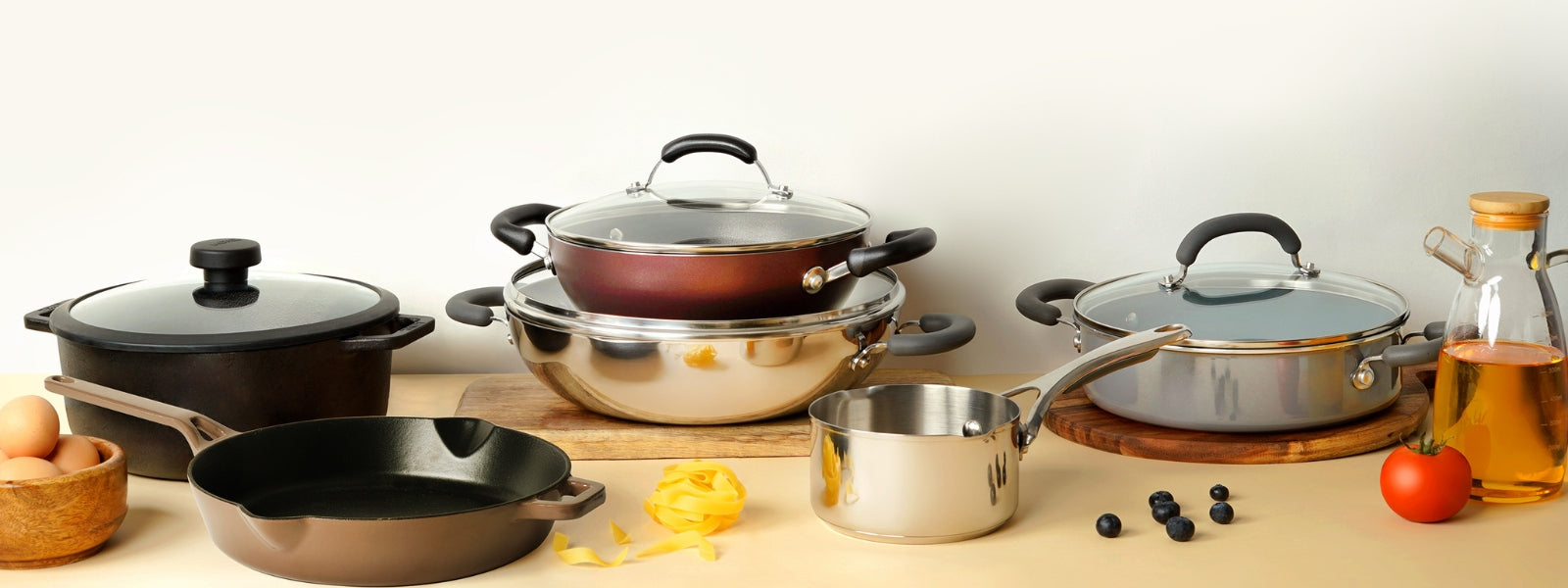
Cooking Utensils for Indian Kitchens
2 Items
Cooking with Cast Iron: Traditional Diwali Cookware
2 Items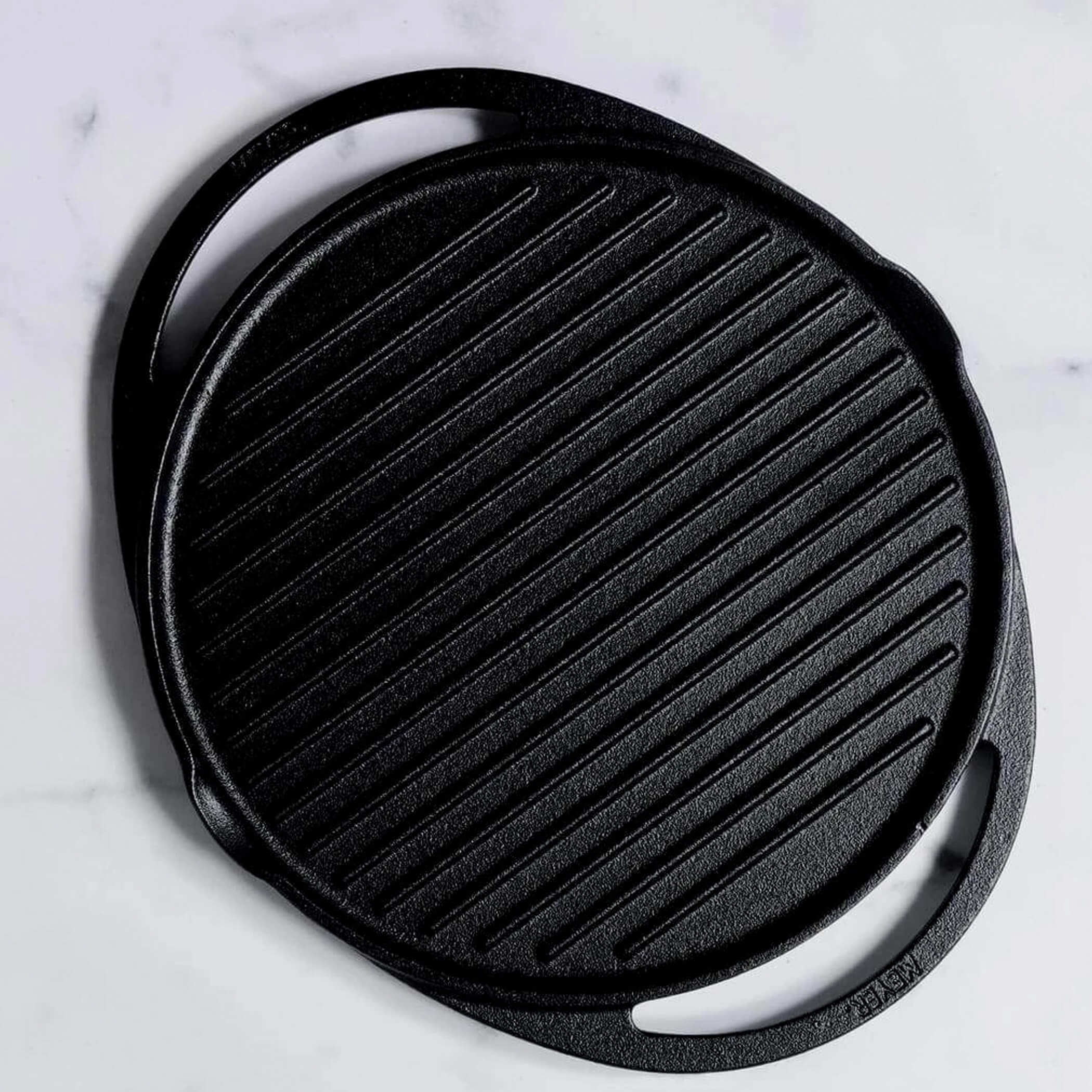


Leave a comment