



Great cooking is not just about ingredients or recipes—it is also about how you use your cookware. Even the best ingredients can fall short if your pan is not used correctly. From uneven cooking and sticking to burnt flavors and poor texture, many everyday kitchen frustrations can be traced back to simple cookware mistakes.
The good news is that these mistakes are easy to fix once you understand them. With a few adjustments in how you choose, use, and maintain your cookware, you can significantly improve your cooking results.
Table of Contents
- 1. Using the Wrong Pan for the Dish
- 2. Not Preheating the Pan Properly
- 3. Adding Oil at the Wrong Time
- 4. Cooking on Extremely High Heat
- 5. Overcrowding the Pan
- 6. Using Metal Utensils on Delicate Surfaces
- 7. Ignoring Cookware Maintenance
- 8. Using Damaged or Worn-Out Cookware
- 9. Not Understanding Heat Distribution
- 10. Using the Wrong Cleaning Methods
- 11. Skipping Proper Storage
- 12. The Role of Cookware Quality
- 13. Simple Habits That Improve Cooking
- 14. Final Thoughts
Using the Wrong Pan for the Dish
One of the most common mistakes is using the same pan for everything.
Different dishes require different cooking conditions. A shallow frypan works well for quick sautéing, but it may not be ideal for dishes that require simmering. Similarly, a deep kadai is perfect for curries and frying but may not deliver the same control for delicate tasks.
Using the right pan ensures proper heat distribution, better control, and improved texture in your food. Matching cookware to the dish is the first step toward better cooking.

Not Preheating the Pan Properly
Skipping preheating or rushing it can lead to several issues.
A cold pan causes food to stick, cook unevenly, and release moisture instead of searing. On the other hand, overheating can burn oil and damage the cooking surface.
Allowing the pan to heat gradually before adding oil helps create a stable cooking environment. This step is especially important for stainless steel and cast iron cookware.
Adding Oil at the Wrong Time
The timing of oil addition plays a critical role in cooking performance.
Adding oil to a cold pan can prevent it from forming an even layer. Adding it to an overheated pan can cause it to break down or smoke.
The correct approach is to heat the pan first and then add oil just before cooking. This helps create a smooth surface that reduces sticking and improves cooking results.
Cooking on Extremely High Heat
High heat is often misunderstood as a way to cook faster.
While some dishes benefit from high temperatures, most everyday cooking works best on medium heat. Excessive heat can burn food on the outside while leaving it undercooked inside. It can also damage non-stick coatings and create hot spots.
Controlling heat ensures even cooking and better flavor development.
Overcrowding the Pan
Adding too much food at once can negatively affect cooking.
When a pan is overcrowded, its temperature drops quickly. Instead of searing, the food starts to steam, leading to soggy textures and increased sticking.
Cooking in smaller batches allows heat to remain stable and helps achieve better browning and texture.
Using Metal Utensils on Delicate Surfaces
Using metal spatulas or spoons on non-stick surfaces can cause scratches.
These scratches may seem minor at first but can gradually damage the coating, reducing its effectiveness and lifespan.
Switching to wooden, silicone, or heat-resistant utensils helps preserve the surface and ensures better long-term performance.
Ignoring Cookware Maintenance
Cookware needs regular care to perform well.
Residue buildup, improper cleaning, or lack of seasoning can affect how a pan behaves. For example, an unseasoned cast iron pan may stick, while a dirty stainless steel pan may develop uneven surfaces.
Cleaning your cookware properly and maintaining it regularly helps preserve its performance.
Using Damaged or Worn-Out Cookware
Continuing to use damaged cookware can impact both performance and safety.
A scratched non-stick pan may cause food to stick and cook unevenly. Warped pans can lead to poor heat distribution, affecting the final result.
Recognizing when to replace cookware is just as important as knowing how to use it.
Not Understanding Heat Distribution
Different cookware materials distribute heat differently.
Thin pans tend to heat quickly but unevenly, while thicker, well-constructed pans provide more consistent heat. Uneven heat can lead to burnt spots and undercooked areas.
Using cookware designed for even heat distribution helps improve cooking consistency and results.
Using the Wrong Cleaning Methods
Cleaning mistakes can damage cookware over time.
Harsh scrubbers, strong chemicals, and improper washing techniques can affect the surface of your pan. This can lead to sticking, discoloration, and reduced efficiency.
Using gentle cleaning methods and the right tools helps maintain the quality of your cookware.
Skipping Proper Storage
Improper storage can lead to scratches and wear.
Stacking pans without protection or placing heavy items on top can damage surfaces, especially non-stick coatings.
Using pan protectors or soft cloth layers helps prevent unnecessary damage.
The Role of Cookware Quality
The quality of your cookware directly affects your cooking results.
Well-designed cookware offers even heat distribution, better durability, and improved control. This reduces common issues like sticking, burning, and uneven cooking.
Meyer offers a wide range of cookware designed to support consistent performance across different cooking styles, helping you achieve better results with everyday meals.
Simple Habits That Improve Cooking
Preheat your pan before cooking
Add oil at the right time
Use the correct pan for each dish
Avoid overcrowding
Cook on controlled heat
Clean and maintain cookware regularly
These small changes can make a significant difference in your kitchen.
Final Thoughts
Many cooking problems are not caused by the recipe but by how cookware is used.
By understanding and avoiding common cookware mistakes, you can improve texture, flavor, and overall cooking efficiency. The right techniques combined with reliable cookware can transform everyday cooking into a smoother and more enjoyable experience.
Making a few mindful changes today can lead to consistently better results in every meal you prepare.
MORE FROM BLOG
Top Collections
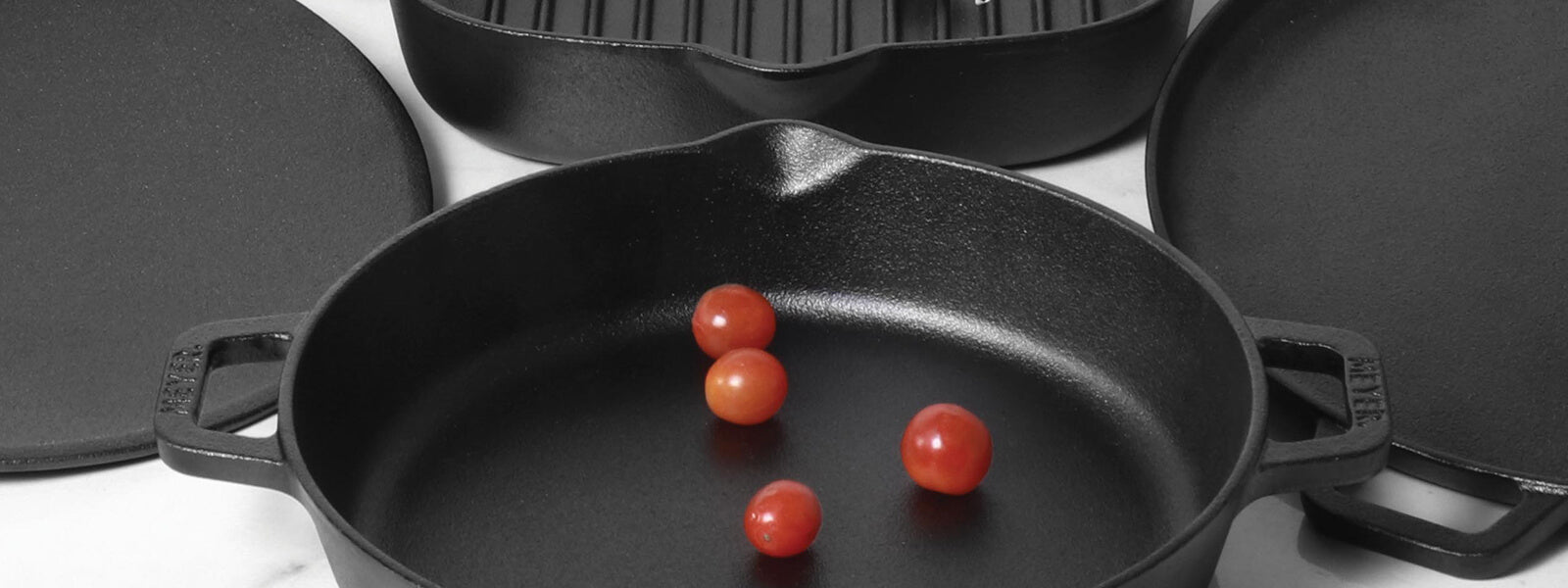
Is cast iron superior to other cookware? Discover best cookware material in India
2 Items
Cast Iron Cookware: Best Practices for Cleaning and Storage
2 Items
Cast Iron Cookware: The Benefits of Cooking with Tradition
2 Items
Cooking with Cast Iron: Traditional Diwali Cookware
2 Items
Essential Cookware for Small Kitchens in 2025
2 Items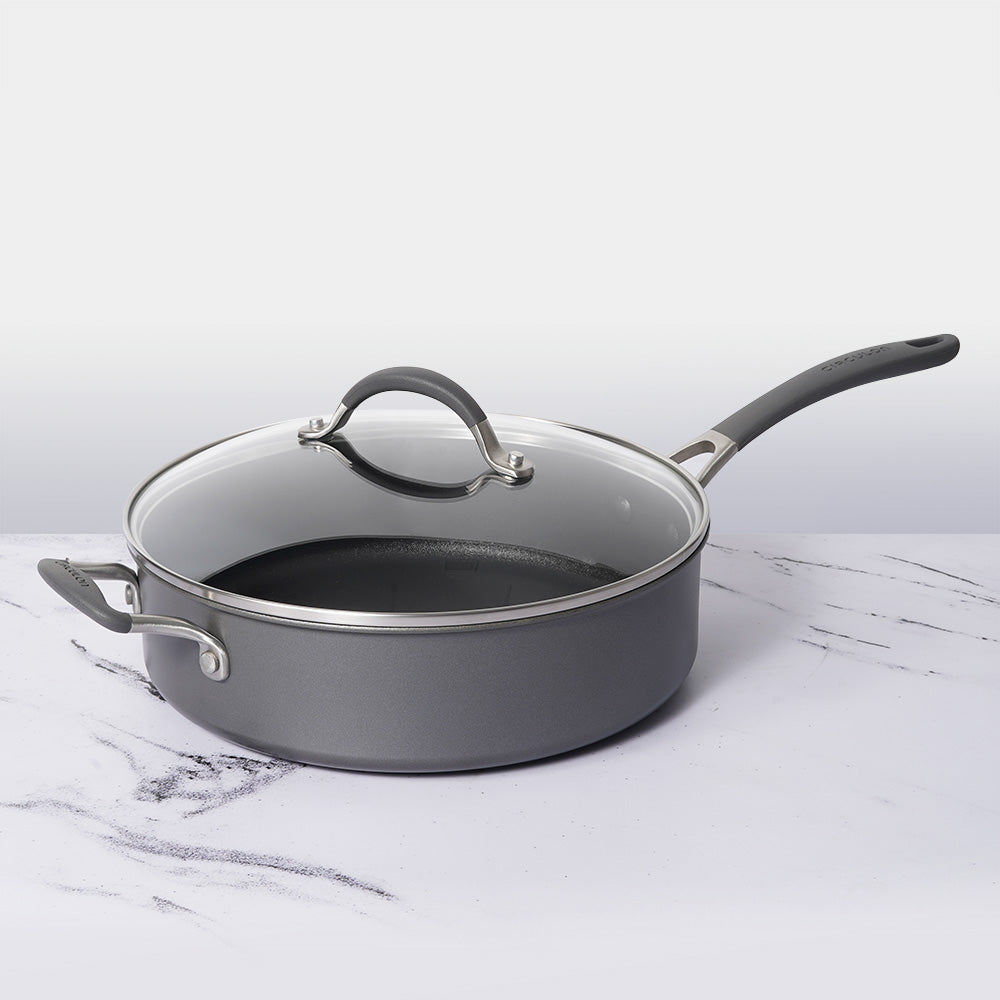


Leave a comment