



Rajma and chole are beloved staples of Indian cuisine- rich, flavourful, and satisfying. Yet, one common challenge home cooks face is sticking and burning at the bottom of the pot during long simmering. Whether it’s reducing gravy or tenderising beans, improper cookware can ruin texture and flavour.
The right cookware makes all the difference in preventing sticking, enhancing heat distribution, and ensuring soft, perfectly cooked legumes. In this guide, we explore cookware materials and designs that help you cook rajma and chole without sticking, with practical tips for better results every time.
Table of Contents
- 1. Why Cookware Matters for Rajma and Chole
- 2. Best Cookware Materials to Prevent Sticking
- 3. Tri-Ply Stainless Steel
- 4. Heavy-Gauge Non-Stick with Durable Surface
- 5. Enamelled Cast Iron
- 6. Ceramic Cookware (Non-Toxic Surface)
- 7. Tips to Prevent Sticking When Cooking Rajma and Chole
- 8. Why Quality Cookware Improves Results
- 9. Conclusion
Why Cookware Matters for Rajma and Chole
Cooking rajma (kidney beans) and chole (chickpeas) involves:
-
Long cooking times
-
Slow simmering
-
Frequent stirring
-
High-protein ingredients that can stick with extended heat
If heat isn’t distributed evenly or the base gets too hot, the gravy can scorch before the beans soften. Using cookware with the right material and structure ensures:
- Even heat flow
- Reduced hotspots
- Better moisture retention
- Less requirement for frequent scraping
Stainless Steel (High-Gauge / Multi-Layer) Why it works: Benefits for rajma and chole: Even simmering Easy to control temperature Durable for long cooking sessions Non-reactive surface preserves flavour Use case: MEYER Presta 5.5L Tri-ply Pressure Cooker
Tri-ply cookware incorporates an aluminium or copper core sandwiched between stainless steel layers, bringing excellent heat conduction and stability. Why it works: Immediate, even heat response No hotspots Great for layered cooking (onions, spices, tomatoes, soaked beans) Benefits for lentil-based gravies: Modern high-quality non-stick cookware can handle long simmering without frequent sticking—especially during the early sautéing or light simmer phase. Why it works: Smooth surface reduces adhesion Requires less oil Excellent for beginners Use case: While cast iron is traditionally slow and steady, enamelled cast iron brings non-reactive ease without seasoning. Why it works: Superior heat retention Gentle, even simmer Non-reactive enamel prevents acidity issues with tomatoes or tamarind Benefits for long-cooked legumes: Ceramic cookware distributes heat evenly and is gentle on sauces and gravies. Why it works: Natural non-stick feel Smooth cooking surface No chemical coatings Use case: For lighter versions of rajma and dal-based chole, an Anzen ceramic pot makes simmering easy without sticking, suitable for everyday family meals. No matter what cookware you choose, following a few key practices makes a big difference: 1. Pre-soak Beans Soaking overnight softens beans and reduces cooking time, lowering the risk of sticking later. 2. Start with a Proper Masala Use even heat in a tri-ply or heavy stainless steel pan to sauté onions, ginger, garlic, and spices properly before adding beans. This foundation reduces the chance of raw lumps that cling to the bottom. 3. Use Enough Water at Start Begin with more water than you think you need. As beans soften and expand, you can reduce it slowly. 4. Maintain Low Heat Once Boiling Once beans have boiled and softened, switch to medium-low heat. Sudden high heat encourages sticking and burning. 5. Stir Occasionally (But Not Too Often) A gentle stir every 10–15 minutes is enough once the dal or chole starts simmering. Over-stirring can break beans and cause them to adhere to the bottom. 6. Deglaze When Needed If you notice bits sticking, add a splash of water and scrape gently with a flat, silicone spatula to release flavors without scraping the pot. Good cookware reduces stress in the kitchen: Cookware that performs well lets you focus on flavour development—not on preventing disaster. Cooking rajma and chole without sticking starts with sensible pan selection and extends into technique. Whether you prefer the even heat of tri-ply stainless steel, the robust performance of enamelled cast iron, or the smooth finish of ceramic surfaces, choosing the right cookware transforms the experience. Good pots and pans aren’t just tools—they’re companions in crafting rich, aromatic, perfectly cooked gravies every time. 
Best Cookware Materials to Prevent Sticking
High-gauge stainless steel, especially multi-layer (clad) cookware, distributes heat uniformly across the base and sides, preventing hot spots that cause sticking.
Start with tempering spices and onions in a Meyer Select stainless steel pan, then transfer to a larger Meyer Select stockpot or deep kadai for slow simmering.Tri-Ply Stainless Steel
Tri-ply cookware like Meyer Trivantage Tri-Ply Stainless Steel lets you sauté the masala foundation at the right temperature, then maintain slow simmer without sticking or burning.Heavy-Gauge Non-Stick with Durable Surface
For velvety gravy finishes or initial sautéing of onions and ginger-garlic paste, a Circulon Clad Stainless Steel with SteelShield Technology frypan or saucepan helps prevent early sticking.Enamelled Cast Iron
When you need to slow-cook rajma or chole for hours—especially with yoghurt, tamarind, or complex masalas—the enamelled interior prevents sticking and makes cleanup easier.Ceramic Cookware(Non-Toxic Surface)
Tips to Prevent Sticking When Cooking Rajma and Chole
Why Quality Cookware Improves Results
Conclusion
MORE FROM BLOG
Top Collections
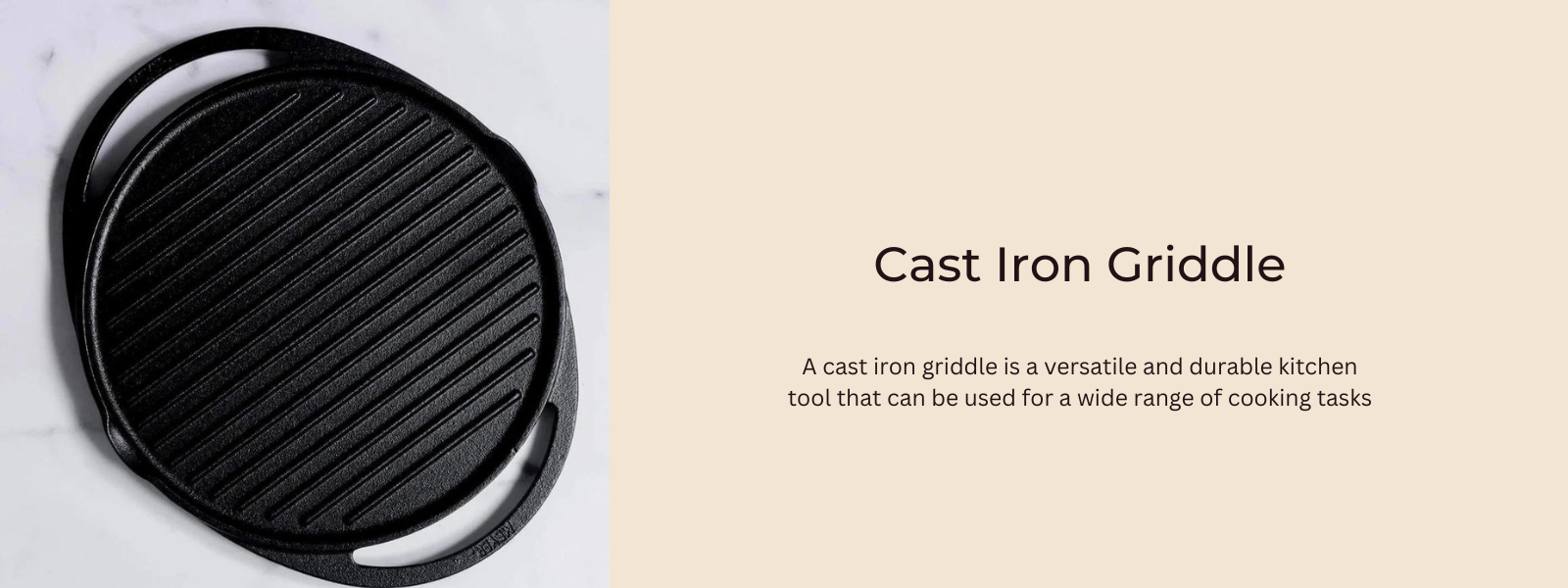
Cast Iron Griddle: Must-Have Cookware For Grilling
2 Items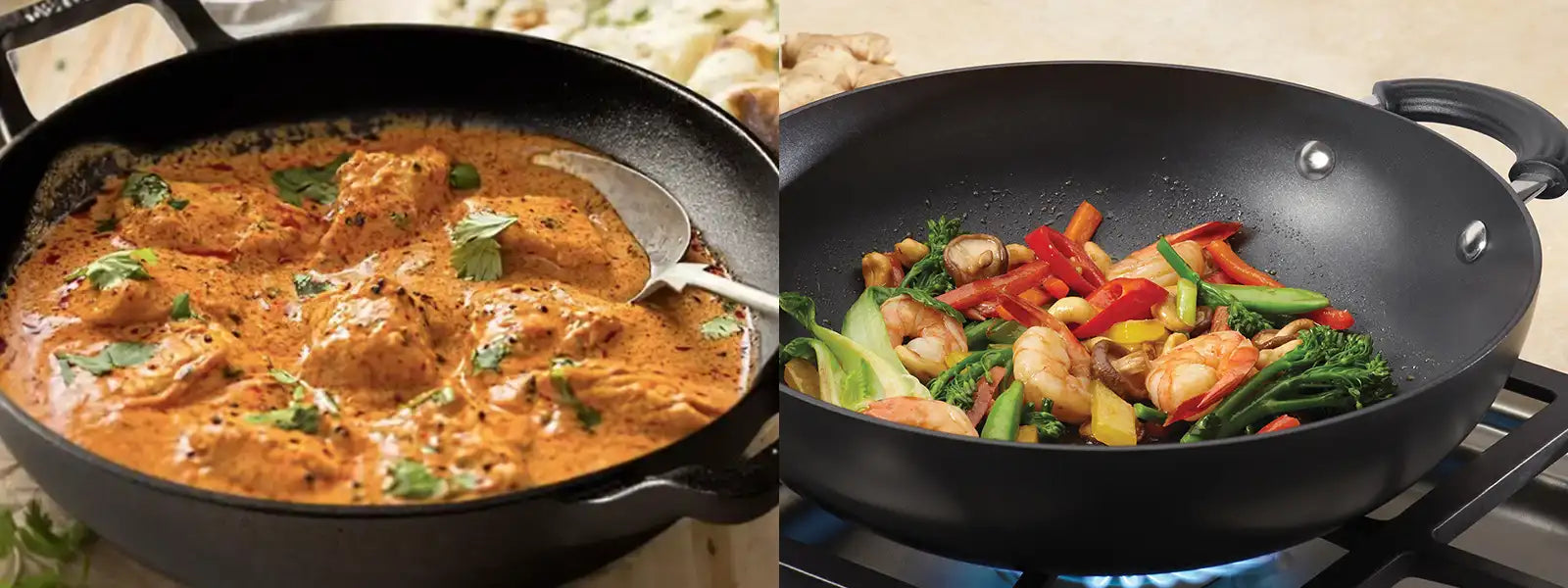
Cast iron Vs Non-stick cookware: Which one is good for you?
2 Items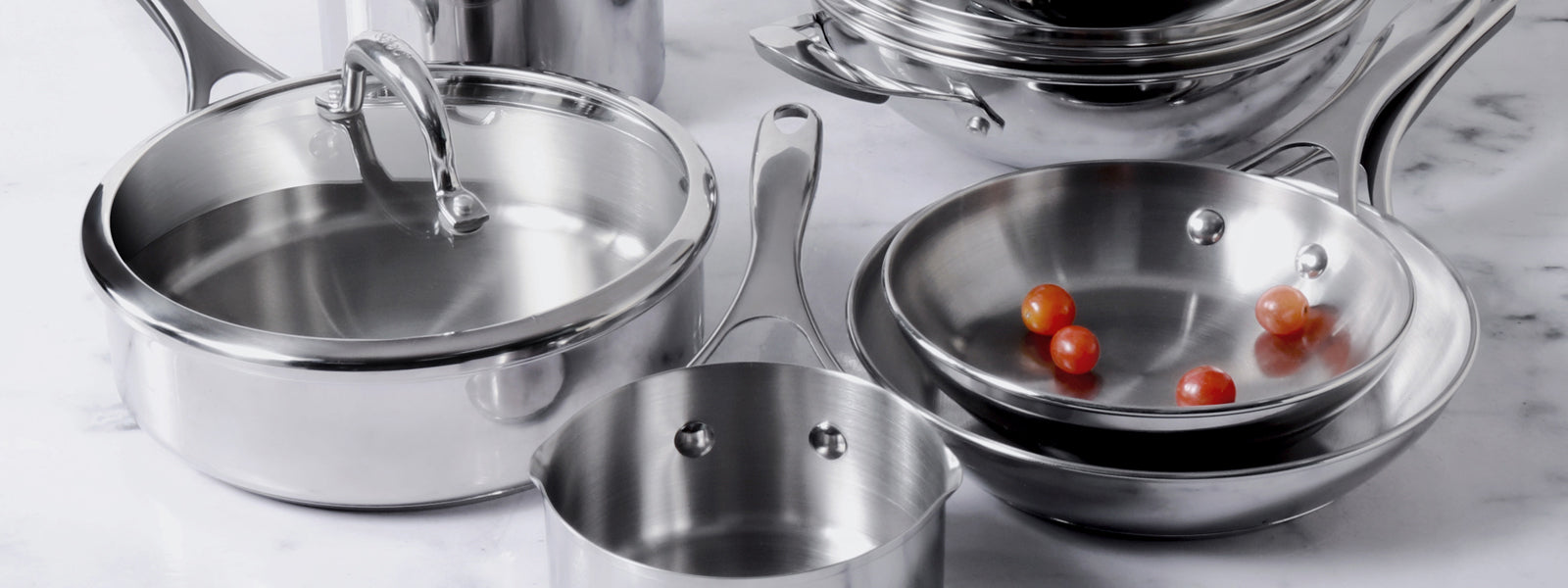
Best Stainless Steel Cookware in India - A Celebrity Chef's Favourites
2 Items
Choosing cookware for newlywed couple
2 Items
How to Use Non-Stick Cookware for Baking and Frying
2 Items
How to wash, season, and maintain Cast Iron Cookware?
2 Items
Master the art of cooking on a Stainless Steel cookware
2 Items


Leave a comment