



Walk into any kitchen store or browse online, and you’ll find hundreds of cookware options—non-stick pans, stainless steel sets, cast iron skillets, kadhais of every size. Yet despite this abundance, many households end up replacing cookware far too often. The problem isn’t lack of choice—it’s buying without understanding what truly matters.

In Indian kitchens, where cooking involves high heat, heavy stirring, frying, and complex recipes, cookware needs to be more than just visually appealing. It needs to be durable, efficient, and suited to your cooking style. This is where many buyers go wrong.
This detailed guide breaks down the most common cookware buying mistakes that waste your money—and shows you how to make smarter, long-term decisions, with insights inspired by thoughtfully engineered cookware from brands like Meyer.
Table of Contents
- Why Cookware Buying Mistakes Are So Common
- Mistake 1: Choosing Price Over Value
- Mistake 2: Ignoring Construction and Base Thickness
- Mistake 3: Buying the Wrong Material for Your Cooking Style
- Mistake 4: Not Checking Coating Quality in Non-Stick Cookware
- Mistake 5: Choosing the Wrong Size
- Mistake 6: Ignoring Compatibility with Your Stove
- Mistake 7: Overlooking Handle Quality
- Mistake 8: Buying Large Cookware Sets Instead of Essentials
- Mistake 9: Expecting Non-Stick Cookware to Last Forever
- Mistake 10: Ignoring Maintenance Requirements
- Mistake 11: Not Considering Long-Term Usage
- Building a Smarter Cookware Strategy
- Why Brand Matters More Than You Think
- Final Thoughts
Why Cookware Buying Mistakes Are So Common
Most cookware purchases are influenced by:
-
Price discounts
-
Aesthetic appeal
-
Bundle deals
-
Limited understanding of materials and construction
As a result, buyers often overlook critical factors like base thickness, coating quality, and compatibility. The outcome is cookware that underperforms, wears out quickly, and needs frequent replacement.
Mistake 1: Choosing Price Over Value
One of the biggest mistakes is assuming that cheaper cookware saves money.
Low-cost cookware typically:
-
Uses thinner materials
-
Has weaker coatings
-
Lacks durability
While the initial cost is low, the lifespan is also short. You may end up replacing a cheap pan multiple times within a year, which ultimately costs more than investing in a high-quality piece once.
Premium cookware from Meyer is designed with long-term performance in mind, offering better durability and consistent results, making it a more economical choice over time.
Mistake 2: Ignoring Construction and Base Thickness
A shiny surface can be misleading. The real performance of cookware lies in its construction.
Thin pans:
-
Heat unevenly
-
Develop hotspots
-
Burn food easily
High-quality cookware features:
-
Thick bases
-
Even heat distribution
-
Multi-layer construction such as triply
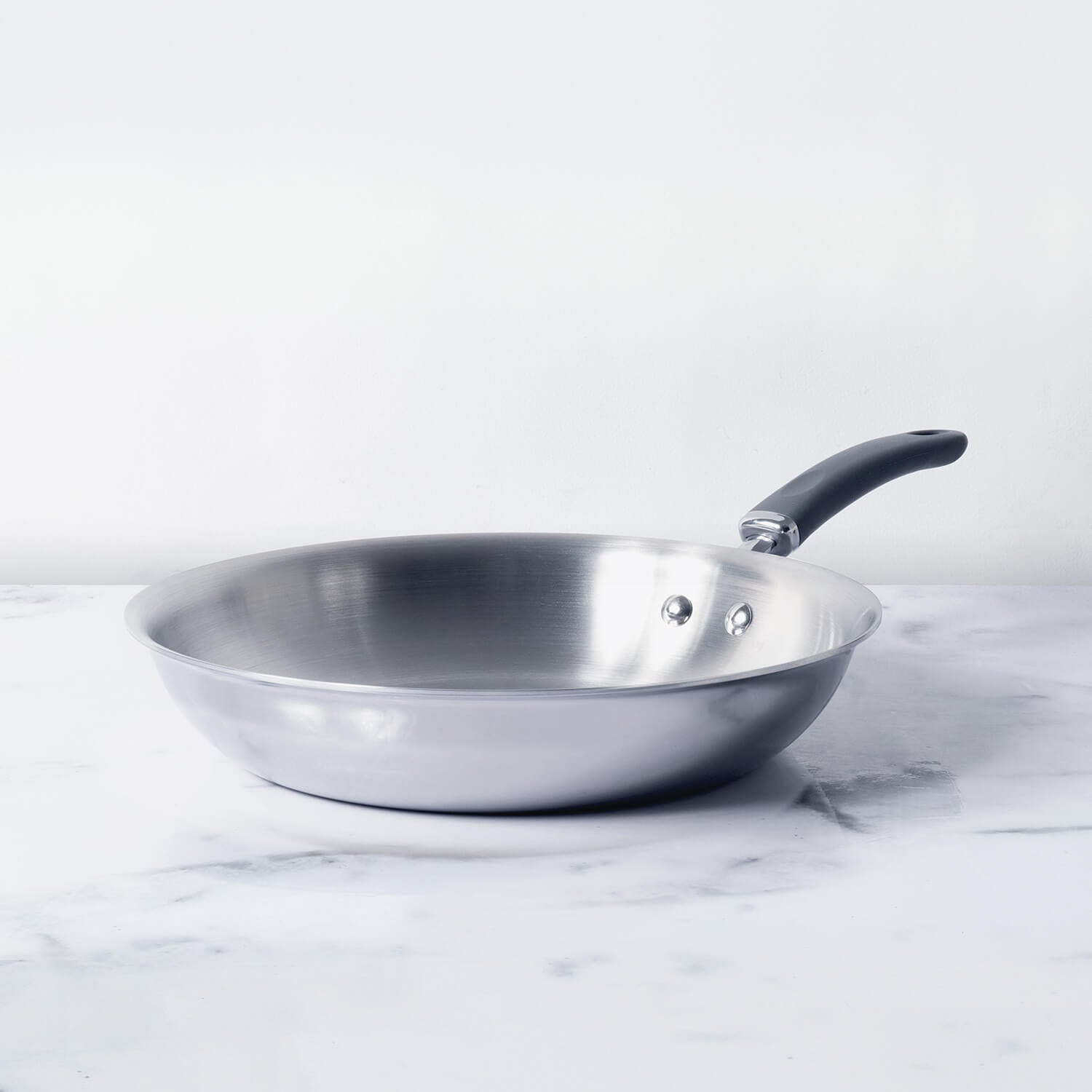
Triply stainless steel cookware combines stainless steel with an aluminium core to ensure even heating, which is especially important for Indian cooking.
Ignoring construction is one of the fastest ways to end up with cookware that frustrates you daily.
Mistake 3: Buying the Wrong Material for Your Cooking Style
Different materials serve different purposes, and choosing the wrong one leads to poor performance.
Common mismatches include:
-
Using non-stick for high-heat cooking
-
Expecting stainless steel to behave like non-stick
-
Buying cast iron without being ready for maintenance
Each material has its role:
-
Non-stick is best for low-oil, low to medium heat cooking
-
Stainless steel is ideal for high heat and durability
-
Cast iron is excellent for heat retention and searing
Understanding this prevents misuse and extends the life of your cookware.
Mistake 4: Not Checking Coating Quality in Non-Stick Cookware
Non-stick cookware is widely used, but not all coatings are equal.
Low-quality coatings:
-
Wear off quickly
-
Scratch easily
-
Lose effectiveness within months
When buying non-stick cookware, always check:
-
Number of coating layers
-
Reinforcement for scratch resistance
-
Safety standards such as PFOA-free certification
Reputed brands like Meyer invest in advanced non-stick technologies that are designed to withstand Indian cooking conditions.
Mistake 5: Choosing the Wrong Size
Size plays a crucial role in cooking efficiency.
Too small:
-
Leads to overcrowding
-
Causes steaming instead of frying
Too large:
-
Difficult to handle
-
Wastes oil and heat
For most Indian households, a 24–26 cm pan or kadai is ideal for daily cooking. Choosing the right size improves cooking results and reduces effort.
Mistake 6: Ignoring Compatibility with Your Stove
With the increasing use of induction cooktops, compatibility has become essential.
A common oversight is buying cookware that only works on gas.
Always check:
-
Induction compatibility
-
Flat base design
Modern cookware from brands like Meyer is often designed to work on both gas and induction, offering flexibility for evolving kitchen setups.
Mistake 7: Overlooking Handle Quality
Handles may seem like a minor detail, but they significantly impact safety and usability.
Poor-quality handles:
-
Loosen over time
-
Heat up during cooking
-
Become unsafe
Look for:
-
Riveted handles
-
Heat-resistant materials
-
Ergonomic design
Well-designed cookware ensures comfort and safety during everyday use.
Mistake 8: Buying Large Cookware Sets Instead of Essentials
Cookware sets are tempting because they seem cost-effective, but they often include pieces you rarely use.
Problems with sets:
-
Unused items occupy storage
-
Redundant sizes
-
Compromised quality to meet price points
A smarter approach is to buy individual pieces based on your needs and build your collection gradually. This ensures every item in your kitchen is functional and frequently used.
Mistake 9: Expecting Non-Stick Cookware to Last Forever
Non-stick cookware is not designed to be permanent.
Even high-quality non-stick pans:
-
Have a limited lifespan
-
Gradually lose their coating
This does not mean they are poor quality. It means they require proper usage, proper maintenance, and timely replacement. Understanding this prevents unrealistic expectations and helps you make better buying decisions.
Mistake 10: Ignoring Maintenance Requirements
Many people focus only on buying cookware, not maintaining it.
Common mistakes include:
-
Using metal utensils on non-stick surfaces
-
Washing hot pans immediately
-
Scrubbing aggressively
These habits reduce lifespan significantly.
High-quality cookware, including that from Meyer, is designed for durability, but proper care is still essential to maximize its performance.
Mistake 11: Not Considering Long-Term Usage
Cookware is a daily-use investment, not a one-time purchase.
Before buying, ask:
-
Will this suit my cooking style long-term?
-
Is it durable enough for daily use?
-
Does it justify its price over time?
Thinking long-term helps you avoid repeated purchases and unnecessary spending.
Building a Smarter Cookware Strategy
Instead of random purchases, build a balanced cookware setup:
-
A non-stick pan for quick, low-oil cooking
-
Stainless steel cookware for durability and versatility
-
Cast iron for high-heat cooking
This combination ensures you always use the right cookware for the right task, extending the life of each piece.
Why Brand Matters More Than You Think
The difference between average and excellent cookware often comes down to engineering and quality control.
Trusted brands like Meyer focus on:
-
Advanced materials
-
Better construction
-
Long-term durability
-
Safety standards
Their cookware is designed specifically for real-world cooking conditions, making it a reliable investment.
Final Thoughts
Cookware buying mistakes are easy to make but equally easy to avoid once you understand the fundamentals. From choosing the right material and size to evaluating construction and brand reliability, every decision contributes to how your cookware performs and how long it lasts.
The key is to shift your mindset:
-
From price to value
-
From appearance to performance
-
From short-term savings to long-term investment
When you make informed choices, your cookware becomes a dependable partner in your kitchen, delivering better results, lasting longer, and ultimately saving you money.
In the end, smart cookware buying is not about spending more—it is about spending wisely.
MORE FROM BLOG
Top Collections
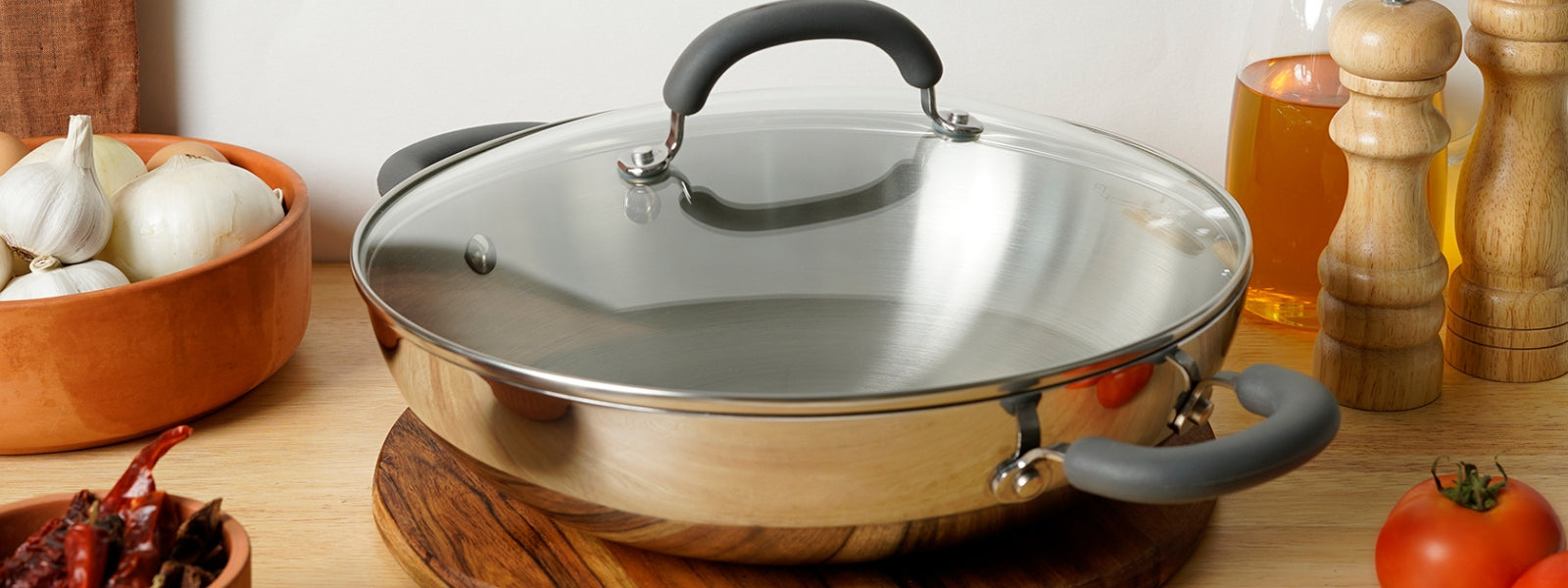
Benefits of using stainless steel cookware in India
2 Items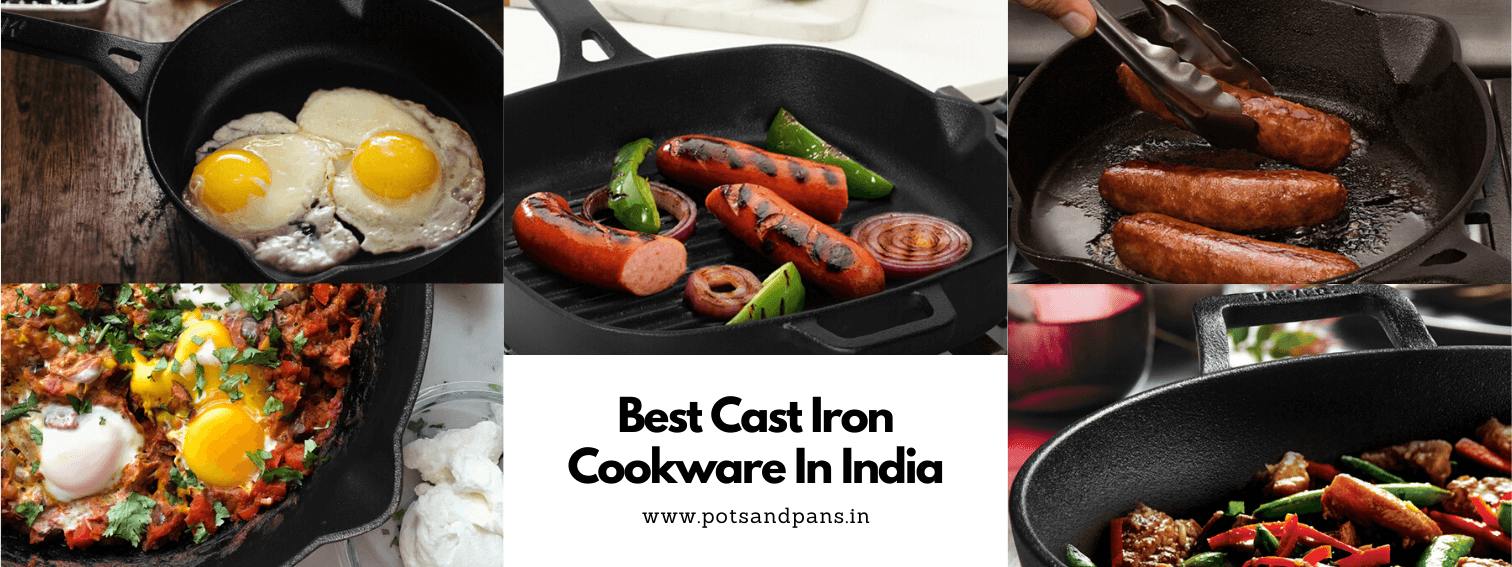
Best Cast Iron Cookware In India For Indian Food
2 Items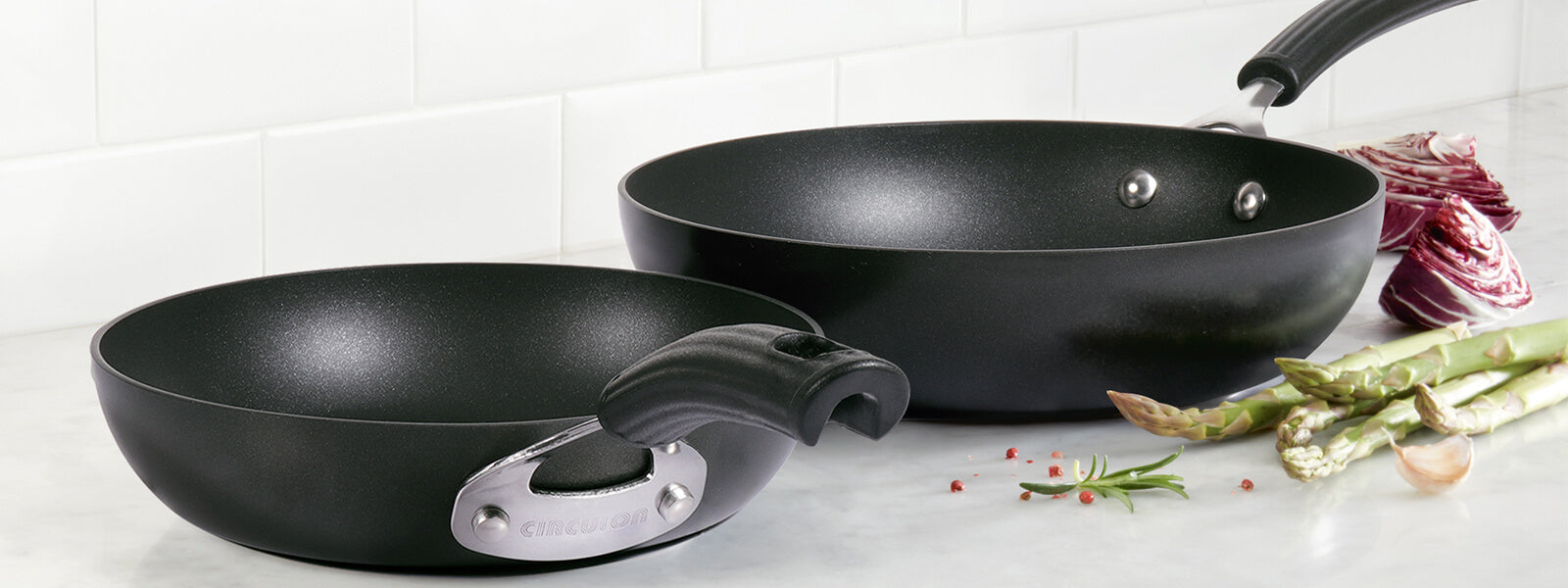
Best Non-Stick Cookware Sets For Your Kitchen
2 Items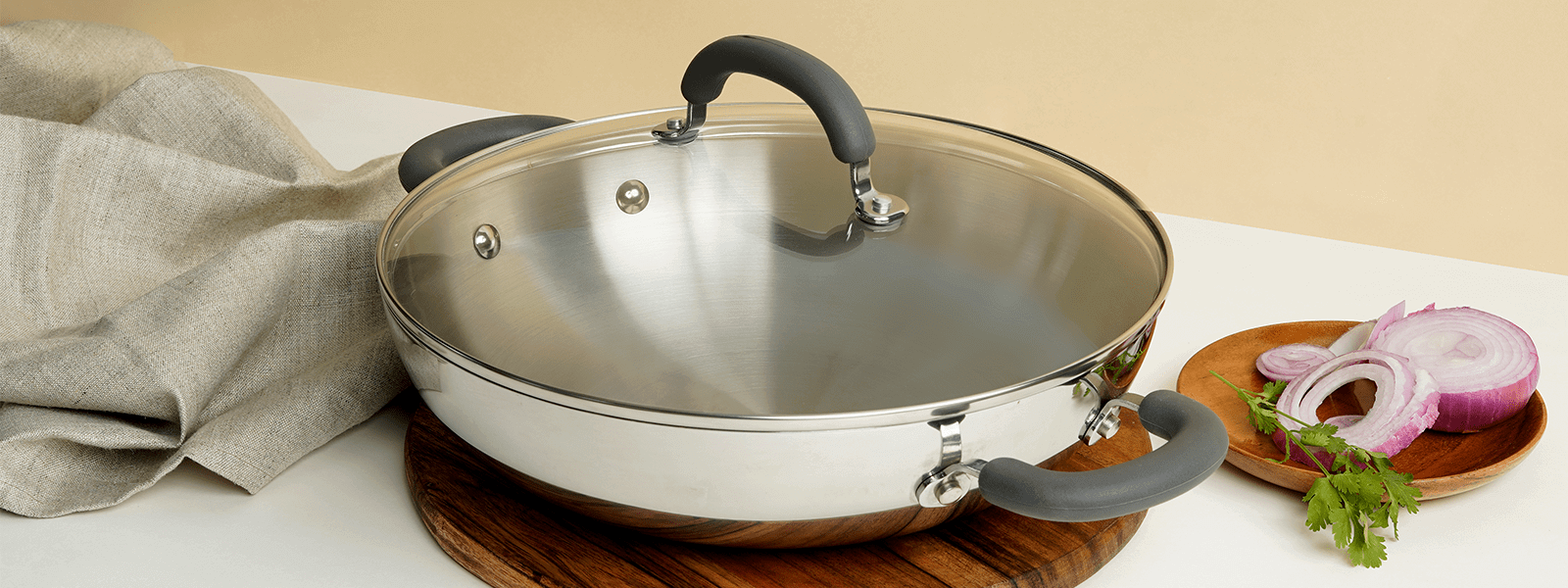
Best stainless steel cookware for summer cooking
2 Items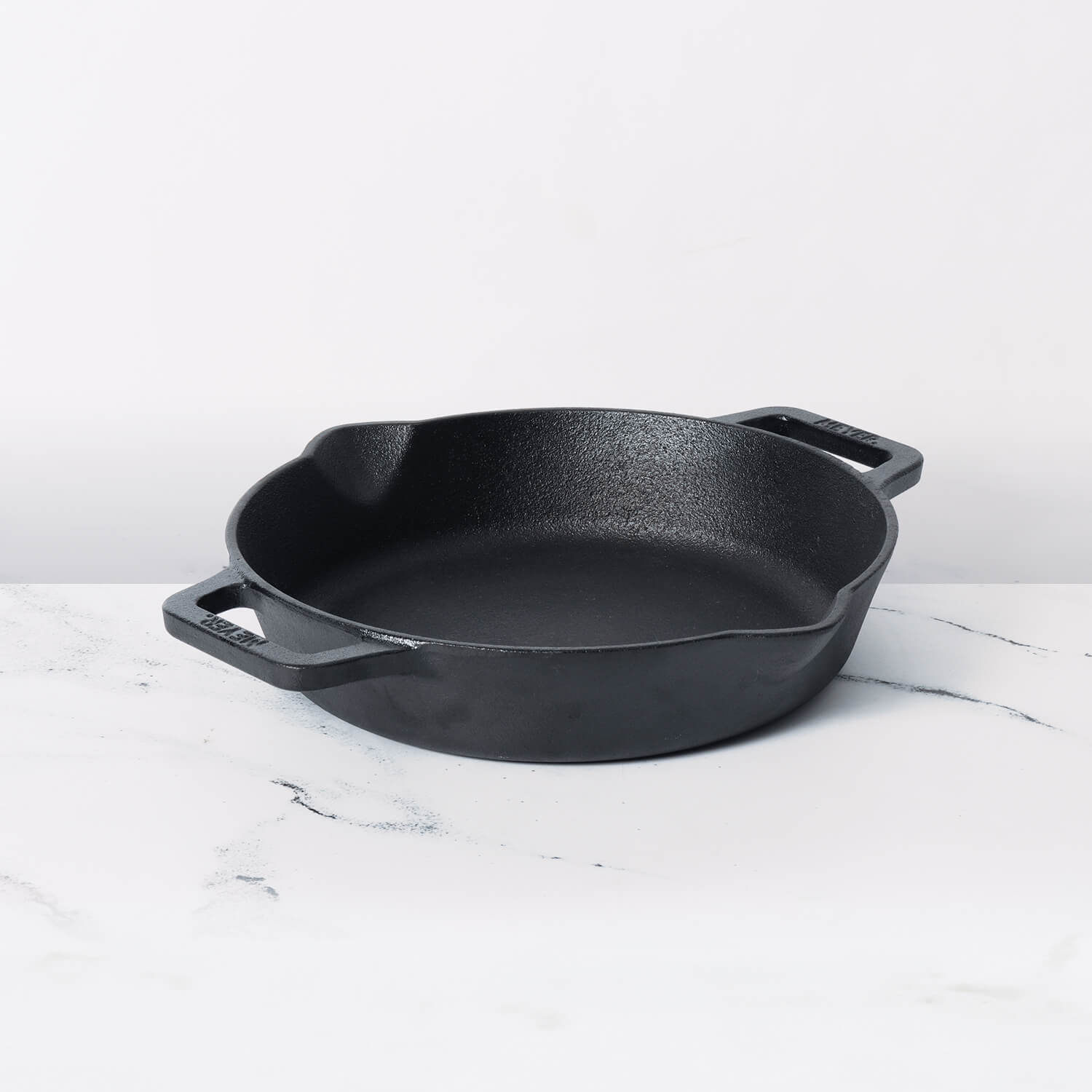


Leave a comment