



Setting up a new home kitchen is exciting, but it can quickly become overwhelming without a clear plan. Many people either overbuy unnecessary cookware or miss out on essentials that are used daily. The key is to build a well-balanced kitchen with cookware that is versatile, durable, and suited to Indian cooking styles.

This detailed checklist will help you create a practical, efficient, and long-lasting cookware setup for your new home.
Table of Contents
Understand Your Cooking Needs First
Before buying cookware, take a moment to evaluate your lifestyle and cooking habits.
-
How many people will you cook for regularly?
-
Do you cook daily or occasionally?
-
What kind of meals do you prepare—simple, elaborate, or a mix?
-
Do you use gas, induction, or both?
Answering these questions helps you avoid overspending and ensures you buy cookware that you will actually use.
Essential Cookware for Everyday Cooking
These are the must-have items that form the foundation of any Indian kitchen.
A kadai is one of the most versatile pieces of cookware in an Indian kitchen. It is used for sautéing, frying, making gravies, and even deep frying.
Look for:
-
A sturdy base for even heating
-
Comfortable handles for easy lifting
-
A size that suits your family needs
The Meyer Select Stainless Steel Kadai is a reliable option for everyday use, offering durability and consistent performance.
Fry Pan or Omelette Pan
A fry pan is essential for quick cooking tasks like making omelettes, pancakes, dosas, and shallow frying.
Look for:
-
A flat surface for even cooking
-
A comfortable handle
-
Non-stick coating for low-oil cooking
The Meyer Non Stick Omelette Pan or Tamagoyaki Egg Pan is ideal for quick meals and easy cleanup, especially for busy mornings.
Saucepan or Tea Pan
This is one of the most frequently used items in any kitchen.
It is used for:
-
Making tea or coffee
-
Boiling milk
-
Heating small portions of food
Choose a saucepan that heats quickly and has a sturdy handle for easy pouring.
A pressure cooker is indispensable in Indian cooking.
It helps:
-
Cook dal and rice quickly
-
Tenderize vegetables and meats
-
Save time and energy
Choose a size between 3 to 5 litres depending on your family size.
Cooking Pot or Stockpot
A larger cooking pot is useful for preparing meals in bigger quantities.
It is ideal for:
-
Cooking rice for multiple people
-
Making soups and curries
-
Boiling pasta or vegetables
Add Versatility to Your Kitchen
Once the basics are in place, you can enhance your kitchen with additional cookware that adds flexibility.
Multi-Size Kadai or Wok Set
Having kadais in different sizes allows you to cook both small and large portions efficiently.
The Meyer Kitchen Hacks Stainless Steel 3 Piece Open Kadai/Wok Set is a practical addition, giving you flexibility for everyday cooking as well as special occasions.
Sauté Pan or Deep Fry Pan
A sauté pan is perfect for dishes that require stirring and space.
It works well for:
-
Gravies
-
Pulao and biryani
-
One-pot meals
Its deeper design makes it more versatile than a regular frying pan.
Flat Tawa
A tawa is essential for making Indian breads.
It is used for:
-
Roti and chapati
-
Parathas
-
Dosas
You can choose between cast iron for durability or non-stick for convenience.
Choose the Right Materials
Material plays a crucial role in cooking performance, safety, and durability.
Stainless Steel
Stainless steel cookware is a staple in Indian kitchens.
-
Durable and long-lasting
-
Non-reactive with acidic foods
-
Suitable for daily cooking
Non-Stick or Ceramic
These are ideal for quick and low-oil cooking.
-
Easy to clean
-
Requires less oil
-
Perfect for beginners
Cast Iron
Cast iron cookware is excellent for high-heat cooking.
-
Retains heat well
-
Improves with use
-
Requires regular maintenance
A well-equipped kitchen typically includes a mix of these materials.
Ensure Induction Compatibility
If your kitchen uses an induction cooktop, make sure your cookware:
-
Has a magnetic base
-
Has a flat bottom for proper contact
-
Is labeled induction-compatible
This ensures efficient heating and flexibility across different cooking methods.
Don’t Forget Essential Accessories
Cookware alone is not enough. The right tools make cooking easier and more efficient.
Include:
-
Lids for covering and faster cooking
-
Spatulas made of wood or silicone
-
Ladles for serving
-
Measuring cups and spoons
These small additions significantly improve your cooking experience.
Smart Buying Tips for New Kitchens
-
Start with essential cookware and expand gradually
-
Avoid buying large sets with items you may not use
-
Focus on quality rather than quantity
-
Choose multi-purpose cookware wherever possible
-
Invest in durable materials for long-term use
Ideal Starter Cookware Checklist
Here is a simple checklist to get you started:
-
1 medium-sized kadai
-
1 fry pan or omelette pan
-
1 saucepan
-
1 pressure cooker
-
1 cooking pot
-
1 flat tawa
-
1 additional kadai or wok set for flexibility
Final Thoughts
Setting up a new kitchen is about making smart, thoughtful choices rather than buying everything at once. The right cookware should support your daily cooking needs, offer durability, and make cooking more efficient and enjoyable.
By choosing a balanced mix of stainless steel, non-stick, and versatile cookware, you can build a kitchen that is practical, future-ready, and perfectly suited to Indian cooking.
A well-planned cookware setup not only saves time and effort but also enhances the overall cooking experience.
MORE FROM BLOG
Top Collections
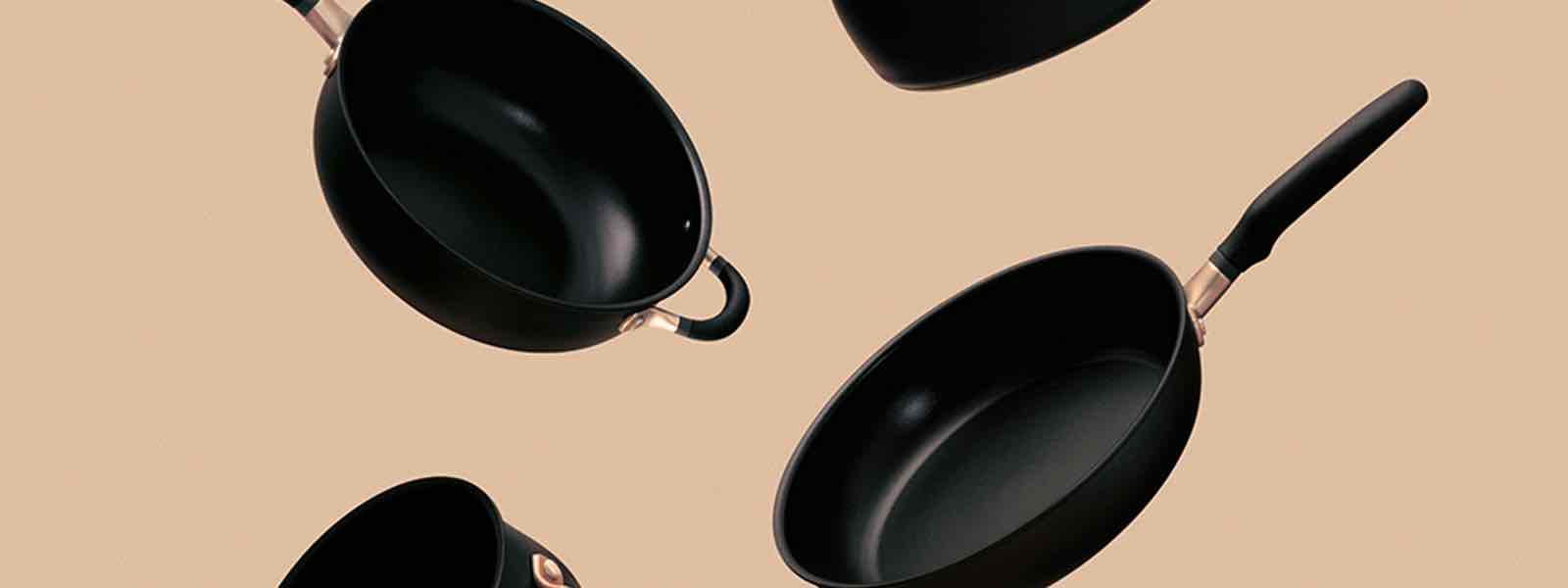
High-quality non-stick cookware in India under INR 3000
2 Items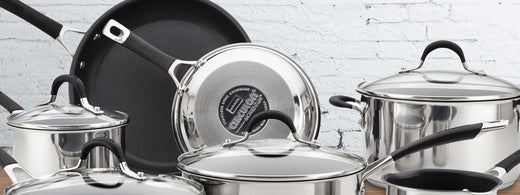
How does cookware impact your health?
2 Items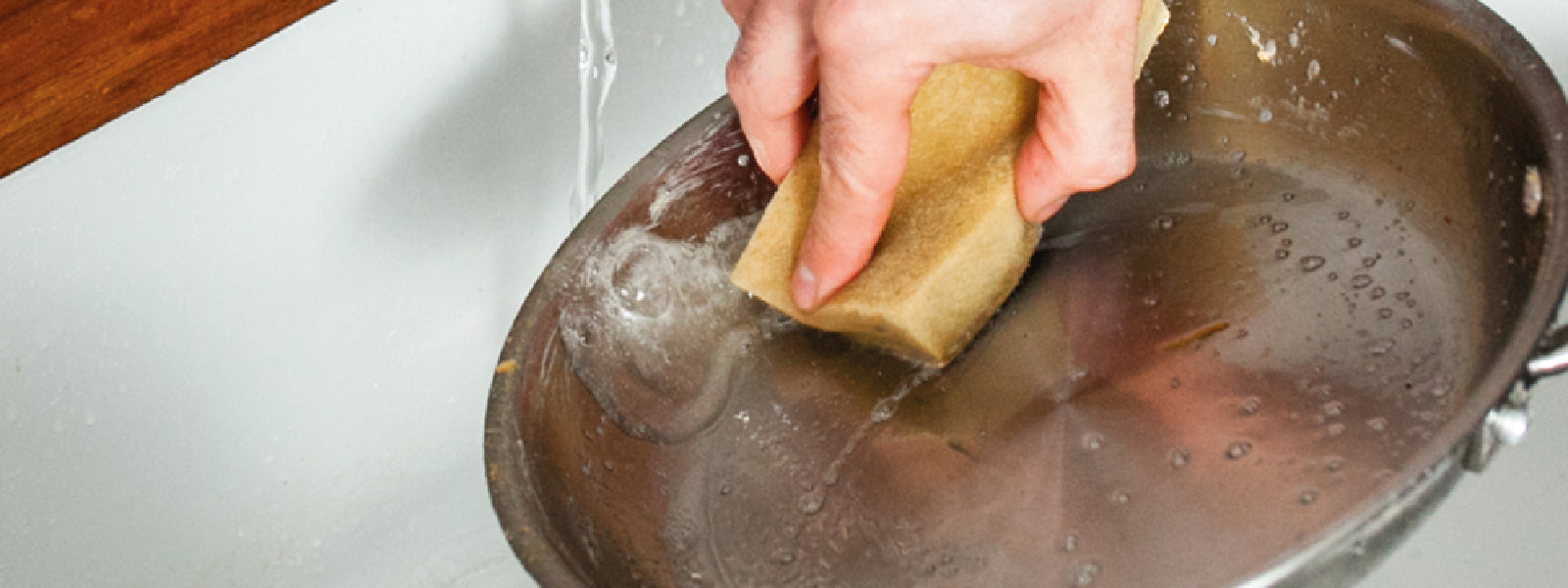
How not to cook with stainless steel cookware
2 Items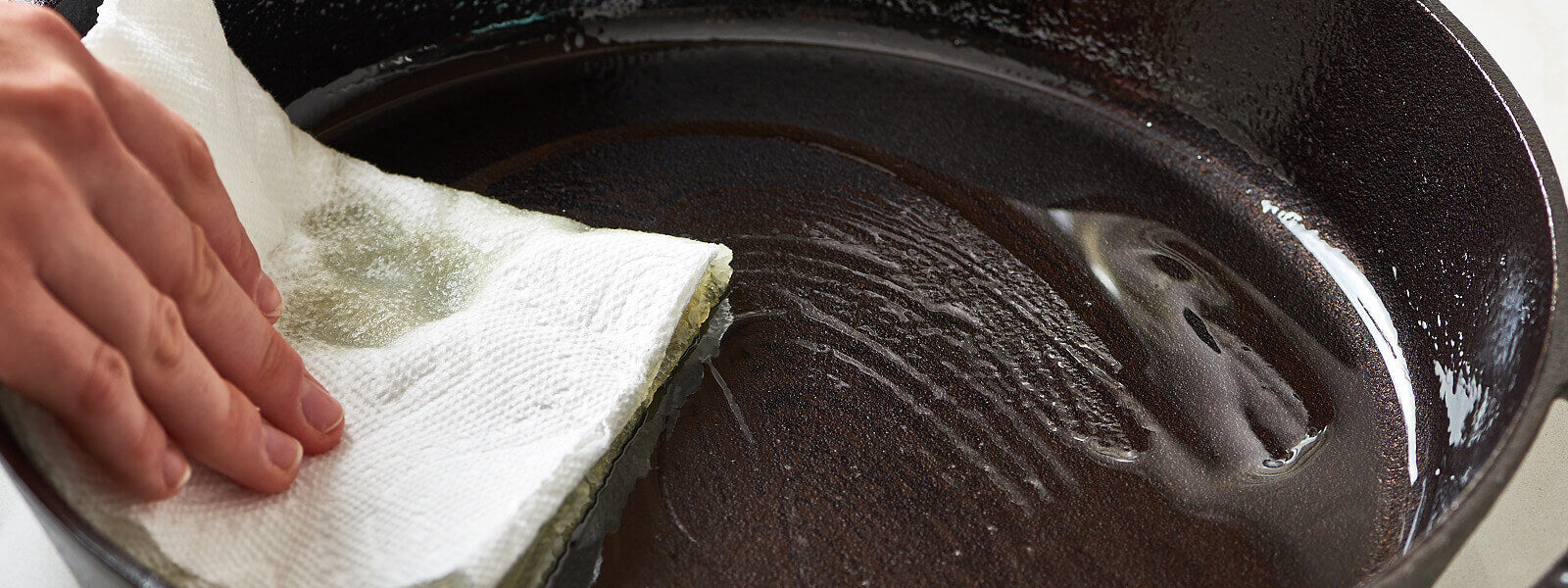
How to Maintain Your Cast Iron Cookware
2 Items


Leave a comment