



Indian kitchens are dynamic spaces—filled with sizzling tadkas, boiling milk, pressure cooker whistles, and quick stir-fries that keep a family running. But in a home with kids, this busy environment also requires thoughtful safety measures. From choosing the right cookware materials to arranging your kitchen for child safety, every detail matters.
This comprehensive guide covers cookware safety essentials for Indian households, helping you cook confidently without worrying about accidental burns, spills, or exposure to unsafe materials.
Table of Contents
- 1. Choose Cookware with Safe, Non-Toxic Materials
- 2. Opt for Cookware with Stay-Cool Handles
- 3. Pick Cookware with Tight-Fitting, Shatter-Resistant Lids
- 4. Use Heavy-Bottomed Cookware to Prevent Tipping
- 5. Avoid Cookware with Sharp Edges or Loose Parts
- 6. Keep Hot Cookware Out of Children's Reach
- 7. Choose Dishwasher-Safe and Easy-to-Clean Cookware
- 8. Use Splatter Screens or High-Walled Pans to Prevent Oil Spills
- 9. Store Cookware Smartly to Prevent Falling Hazards
- 10. Avoid Leaving Cookware Handles Facing Outward
- 11. Watch Out for Pressure Cooker Safety
- 12. Conclusion
Choose Cookware with Safe, Non-Toxic Materials
Cookware quality directly impacts both health and safety.
What to look for:
-
Non-toxic coatings (free from PFOA, lead, cadmium, nickel)
-
Food-safe stainless steel
-
Well-seasoned cast iron
-
Certified non-stick surfaces
High-quality brands like Meyer offer nickel-free stainless steel, safe ceramic coatings, and hard-anodized cookware, ensuring the food stays chemical-free—an important factor when cooking for children.
Kids often move around the kitchen, and a hot handle can easily cause an accident. Options like Meyer Anzen Ceramic Frypans or Meyer Hard Anodized Cookware include stay-cool, sturdy handles that reduce the risk of accidental burns. Boiling dals, milk, and gravies can bubble up quickly. A strong lid prevents splashing and keeps curious kids safe from hot spills. Ideal features: Cookware such as Meyer’s glass-lid kadhais and casseroles use shatter-resistant tempered glass—perfect for Indian homes with active kids. Meyer Select Stainless Steel Frypan 28cm
Lightweight vessels, especially aluminium pans, can tip over easily when a child bumps into a counter. Switch to: Their stable, heavy bases sit firmly on the burner and reduce wobbling. A Meyer tri-ply frypan or cast iron tawa is much safer than a thin-gauge pan. Over time, handles and knobs loosen—turning everyday cookware into hazards. Safety checks: Tighten handles regularly Replace loose rivets immediately Avoid cookware with rough rims Ensure lids sit correctly without sharp edges Sturdy, riveted handles like those found in Meyer cookware offer long-term safety and reliability. This is basic but essential. After cooking: Even after turning off the stove, cookware—especially cast iron and steel—retains heat for a long time. Food residue stuck to cookware can cause bacterial growth. For busy parents, choosing easy-to-clean cookware helps maintain hygiene. Ideal cookware choices: Ceramic-coated frypans Hard-anodized cookware High-grade stainless steel Dishwasher-safe tri-ply steel The Meyer Select Stainless Steel Series and Meyer Anzen Ceramic Non-Stick are both low-maintenance and family-friendly. Tadka, frying papad, or making puris can release hot oil droplets. Simple safety practices: A deep hard-anodized kadhai provides better splash control compared to a shallow one. Kids often try to reach shelves, so proper storage prevents accidental injuries. Storage ideas: Using nesting cookware—like stackable stainless steel pots—helps reduce clutter and improve safety. A child could easily pull the handle of a hot pan while walking by. Always turn handles inward, especially while: Cooking chapatis Boiling milk Frying puris or pakoras This small habit significantly reduces spill-related accidents. Indian homes rely heavily on pressure cookers. Ensure: Keep the cooker out of a child's reach during steam release. A child-safe kitchen isn’t created through one change—it’s the result of consistent habits and using the right cookware. Choosing safer materials, heat-resistant components, and stable designs can drastically reduce risks. Incorporating cookware like tri-ply stainless steel, hard-anodized kadhais, or ceramic non-stick pans adds an extra layer of safety for families with children. By blending smart cookware choices with practical kitchen habits—such as turning handles inward, avoiding clutter, storing safely, and never leaving hot pans unattended—you create a cooking environment that is both efficient and secure. With thoughtful planning, your Indian kitchen can remain a joyful, flavour-filled, and safe space for every member of the family, especially the youngest ones. 
Opt for Cookware with Stay-Cool Handles
Choose pans and kadhais with:
Pick Cookware with Tight-Fitting, Shatter-Resistant Lids
Use Heavy-Bottomed Cookware to Prevent Tipping
Avoid Cookware with Sharp Edges or Loose Parts
Keep Hot Cookware Out of Children's Reach
Choose Dishwasher-Safe and Easy-to-Clean Cookware
Use Splatter Screens or High-Walled Pans to Prevent Oil Spills
Store Cookware Smartly to Prevent Falling Hazards
Avoid Leaving Cookware Handles Facing Outward
Watch Out for Pressure Cooker Safety
Conclusion
MORE FROM BLOG
Top Collections
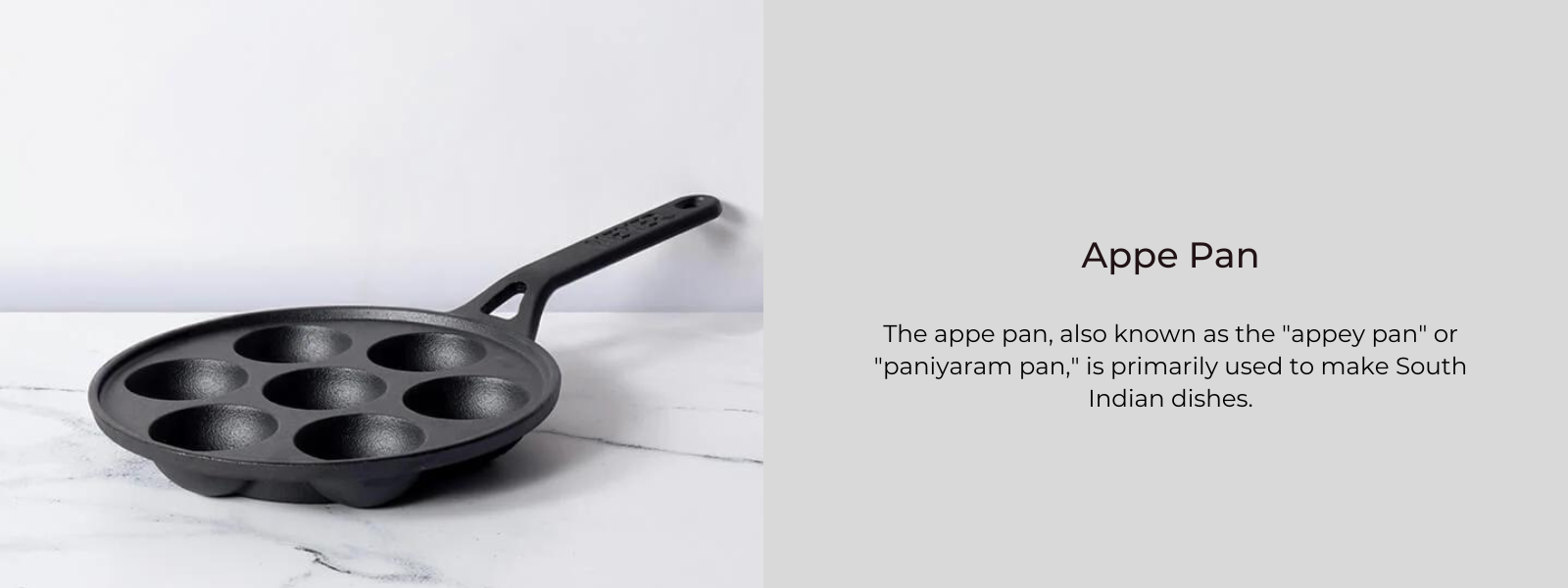
Appe Pan: Best Cookware For Paniyaram
2 Items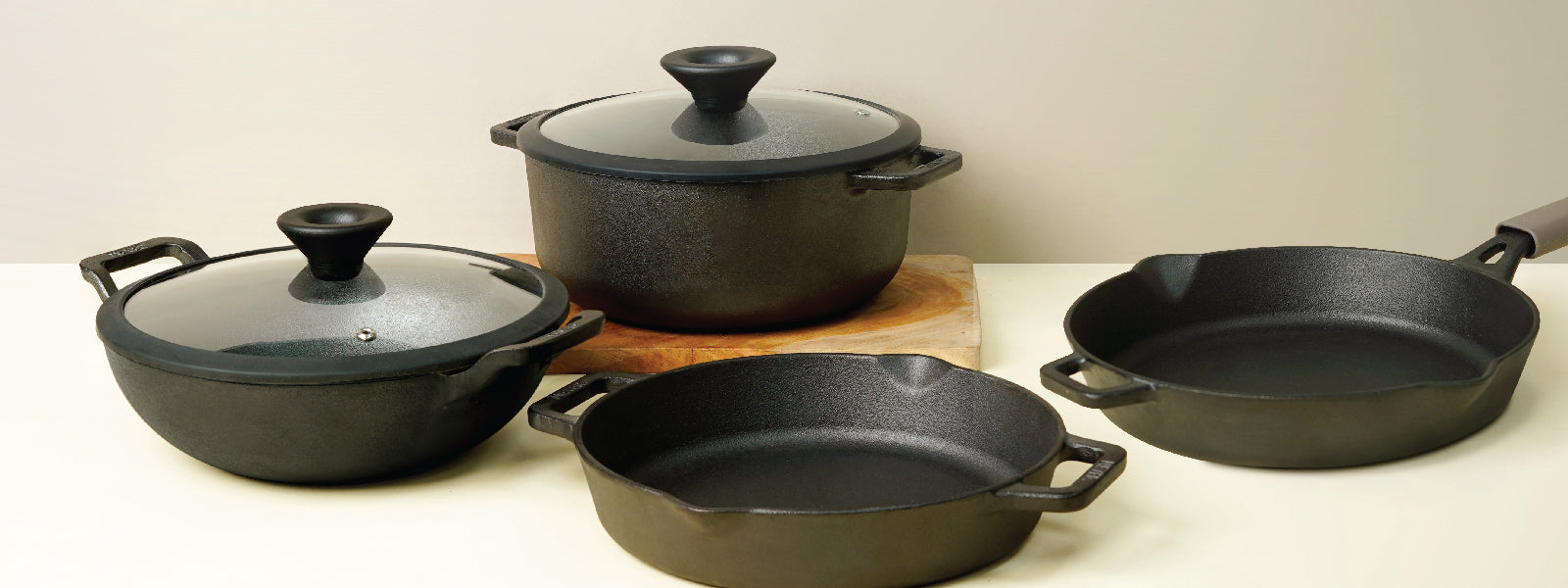
Benefits and Recipes for Cooking with a Cast Iron Kadai with Lid
2 Items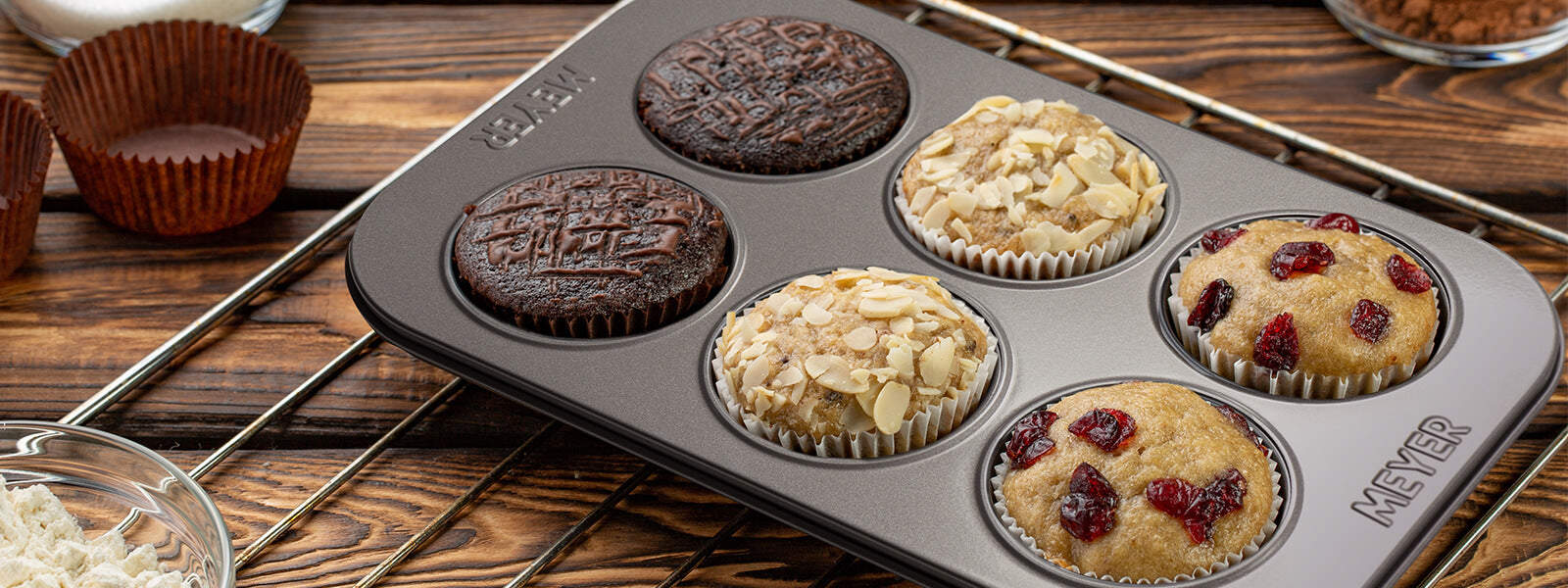
Best Bakeware For Easy Home-Baking During Christmas
2 Items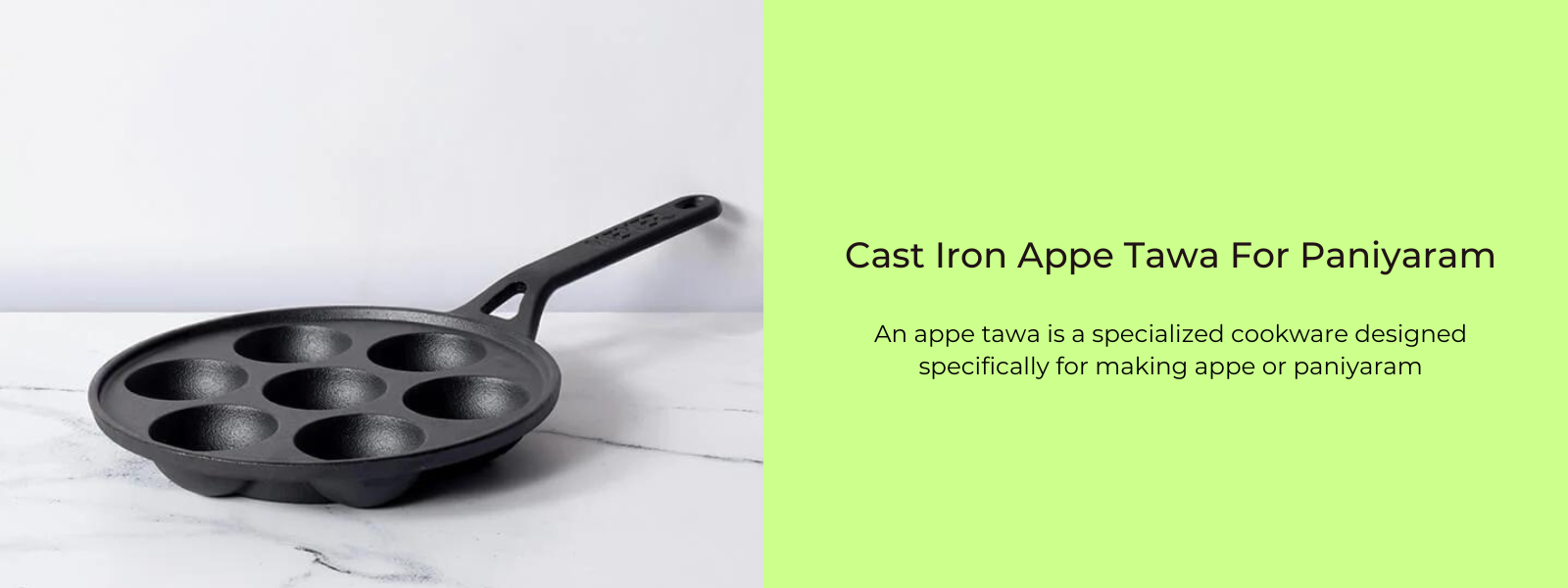
Best Cast Iron Appe Tawa For Paniyaram
2 Items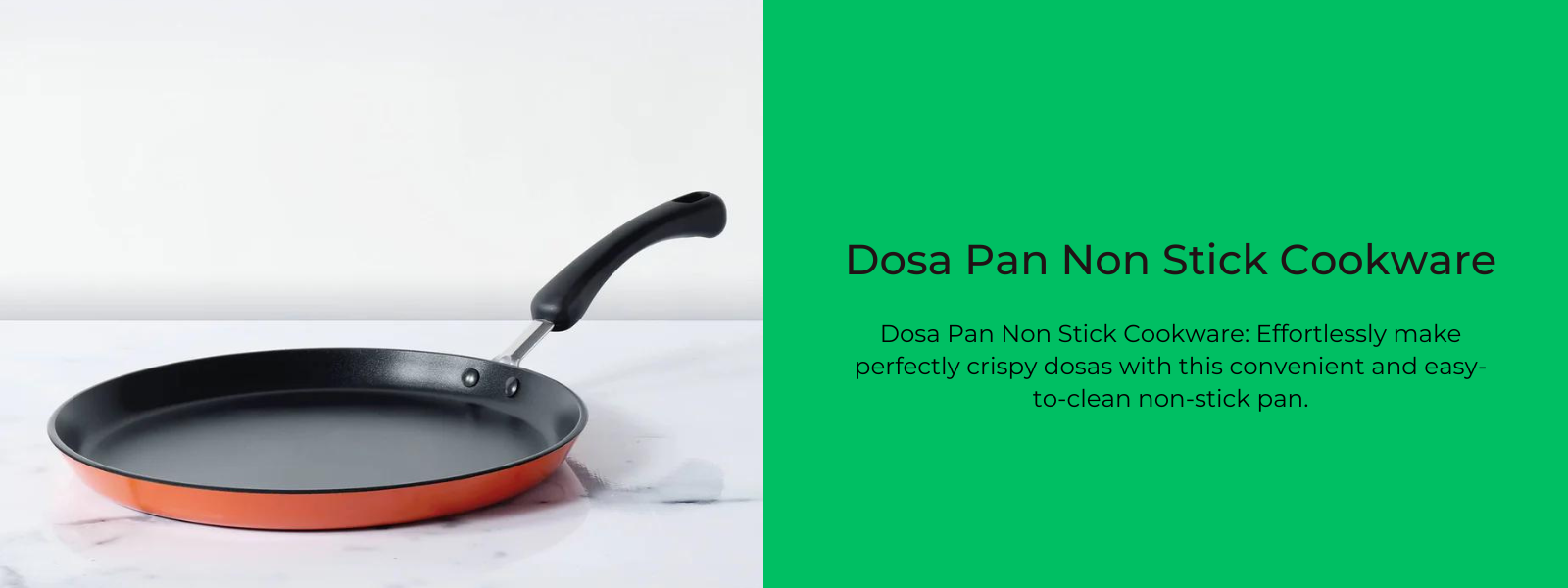
Best Dosa Pan Non Stick Cookware In India
2 Items


Leave a comment