



is one of the most celebrated dishes in Indian kitchens, known for its rich aroma, layered texture, and deep, slow-cooked flavors. While recipes, spices, and marination techniques often get the spotlight, the truth is that your cookware plays an equally critical role in determining whether your biryani turns out fragrant and perfectly layered—or uneven, burnt, and disappointing.
From heat distribution to steam retention, the right cookware ensures that every grain of rice cooks evenly, absorbs flavor, and retains moisture. If you want to master restaurant-style biryani at home, understanding the importance of cookware is essential.
Table of Contents
- 1. Why Cookware Matters for Biryani
- 2. Heavy-Bottom Handi: The Heart of Biryani Cooking
- 3. Cast Iron Cookware for Authentic Dum Cooking
- 4. The Importance of a Tight-Fitting Lid
- 5. Using a Tawa for Better Heat Control
- 6. A Sauté Pan or Kadai for Preparation
- 7. Choosing the Right Material for Biryani Cookware
- 8. Common Cookware Mistakes That Ruin Biryani
- 9. How the Right Cookware Transforms Your Biryani
- 10. Ideal Cookware Setup for Home Kitchens
- 11. Why Meyer Cookware Works Well for Biryani
- 12. Final Thoughts
Why Cookware Matters for Biryani
Biryani is not cooked like a regular one-pot meal. It involves partially cooking rice and layering it with marinated vegetables or meat, followed by slow cooking on low heat using the dum method.
This cooking technique requires:
-
Even heat distribution across the base
-
Strong heat retention for slow cooking
-
Proper sealing to trap steam and aroma
Using the wrong cookware can result in burnt rice at the bottom, unevenly cooked layers, or loss of moisture and flavor. This is why investing in the right biryani cookware is crucial for consistent results.

Heavy-Bottom Handi: The Heart of Biryani Cooking
A heavy-bottom handi is the most essential cookware for making biryani at home.
Its thick base ensures that heat spreads evenly, preventing the bottom layer from burning while allowing the upper layers to cook gently through steam. The rounded shape of a handi also helps circulate heat more effectively compared to flat pans.
Triply stainless steel or heavy-gauge cookware works particularly well because it combines durability with uniform heat distribution. Meyer offers a wide range of heavy-bottom cookware designed to deliver consistent heat performance, making it ideal for slow-cooked dishes like biryani.
Cast Iron Cookware for Authentic Dum Cooking
For those who want deeper flavors and better heat retention, cast iron cookware is an excellent choice.
Cast iron absorbs heat slowly and retains it for a long time, creating a stable cooking environment for dum biryani. This steady heat ensures that the rice cooks evenly without burning, while the flavors develop gradually.
Meyer pre-seasoned cast iron cookware is especially effective for biryani because it comes with an initial seasoning layer that helps prevent sticking and supports even cooking. Over time, this cookware develops a natural non-stick surface, making it even more reliable for layered dishes.
The Importance of a Tight-Fitting Lid
Steam is what brings biryani together.
A well-fitted lid helps trap moisture, allowing the rice to absorb the flavors of spices, herbs, and marinated ingredients. Without proper sealing, steam escapes, leading to dry and unevenly cooked biryani.
For traditional dum cooking, many home cooks seal the edges of the pot with dough. This technique works best when paired with cookware that has a snug, stable lid.
Using a Tawa for Better Heat Control
A tawa acts as a heat diffuser and is a simple yet powerful tool when making biryani.
Placing a tawa under your handi reduces direct heat exposure from the flame, preventing the bottom layer from burning. It allows for gentler, more controlled cooking, which is essential during the dum stage.
This method is particularly useful on gas stoves, where direct heat can sometimes be too intense for delicate layered cooking.
A Sauté Pan or Kadai for Preparation
Before assembling the biryani, several steps require separate cookware.
Frying onions, preparing masala, and partially cooking meat or vegetables are all crucial steps that benefit from a wide, well-heated pan. A sauté pan or kadai allows for better heat control and even cooking during these stages.
Meyer’s wide range of kadais and sauté pans are designed for consistent heat distribution, helping you build a strong flavor base before layering your biryani.
Choosing the Right Material for Biryani Cookware
Different materials offer different advantages, and choosing the right one depends on your cooking style.
Stainless steel with triply construction ensures even heat distribution and durability, making it a reliable choice for everyday cooking.
Cast iron offers superior heat retention and is perfect for slow cooking and dum-style biryani.
Hard anodized cookware provides a balance between durability and ease of use, making it suitable for beginners.
The key is to choose cookware with a thick, well-constructed base that can handle slow cooking without developing hot spots.
Common Cookware Mistakes That Ruin Biryani
Many home cooks struggle with biryani not because of the recipe, but because of cookware-related mistakes.
Using thin or lightweight pans often leads to burnt bottoms and uneven cooking. Cooking directly on high heat without a diffuser can damage the lower layer of rice. Loose lids allow steam to escape, reducing moisture and flavor. Overcrowding a small pot can prevent proper layering and heat circulation.
Avoiding these mistakes can significantly improve your biryani results.
How the Right Cookware Transforms Your Biryani
When you use the right cookware, the difference is immediately noticeable.
Heat spreads evenly across the pot, allowing each layer to cook uniformly. Steam remains trapped inside, enhancing aroma and flavor. The rice becomes fluffy and separate, while the base remains intact without burning.
This level of control is what defines a perfectly cooked biryani.
Ideal Cookware Setup for Home Kitchens
To make biryani efficiently at home, you do not need a large collection of utensils. A simple, well-chosen setup is enough.
A heavy-bottom handi for layering and dum cooking
A cast iron pot for enhanced heat retention
A tawa for heat diffusion
A sauté pan or kadai for preparation
With these essentials, you can confidently prepare different types of biryani with consistent results.
Why Meyer Cookware Works Well for Biryani
Meyer cookware is designed with a focus on durability, even heat distribution, and cooking performance.
From heavy-gauge stainless steel cookware to pre-seasoned cast iron options, Meyer offers solutions that support slow cooking and precise heat control. This makes it easier to execute techniques like dum cooking and layering without worrying about burning or uneven results.
Whether you are making a simple vegetable biryani or a rich, slow-cooked mutton biryani, the right cookware can elevate your cooking experience significantly.
Final Thoughts
Perfect biryani is a result of patience, technique, and the right tools.
While ingredients and recipes are important, cookware is what brings everything together. It controls how heat moves, how steam is retained, and how flavors develop over time.
By choosing the right cookware and understanding how to use it effectively, you can consistently create biryani that is aromatic, evenly cooked, and full of flavor.
MORE FROM BLOG
Top Collections
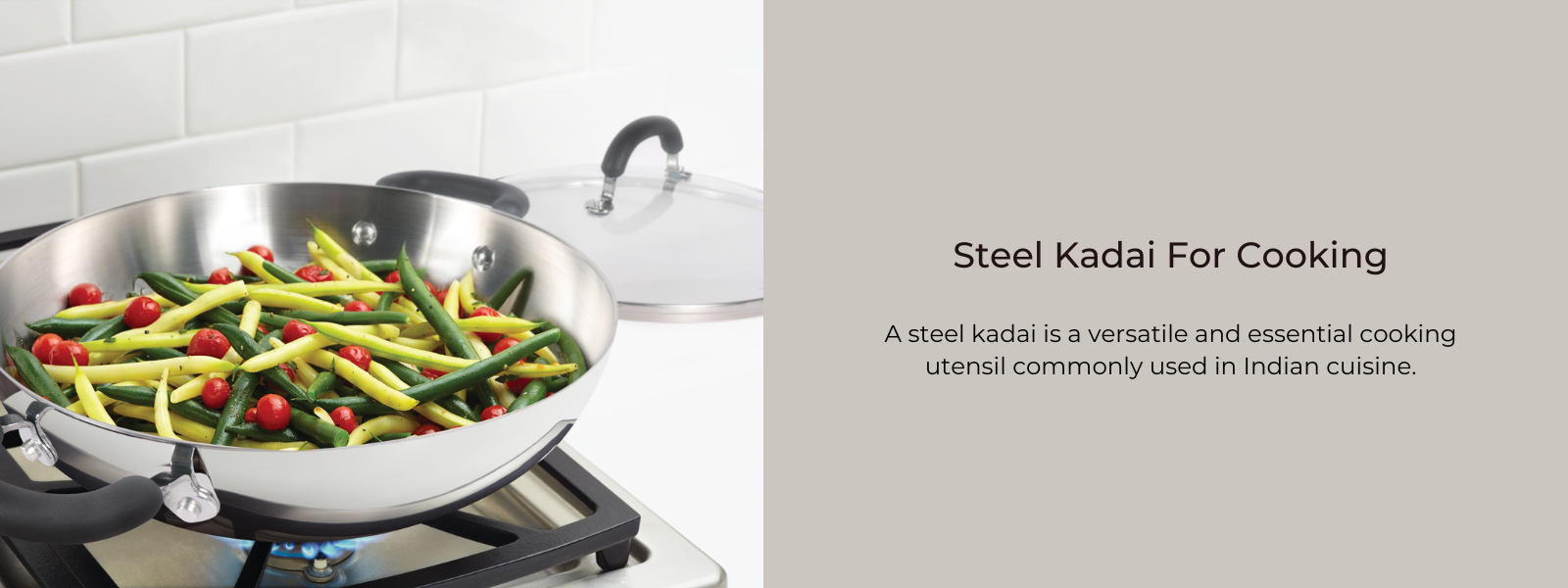
Steel Kadai For Cooking: Versatile Cookware For Indian Meals
2 Items
Can Ceramic Cookware Be Used for Breakfast and Light Meals?
2 Items
Cast Iron Cookware: The Benefits of Cooking with Tradition
2 Items
How does stainless steel cookware improve cooking control?
2 Items
How Nonstick Cookware Promotes Healthier Eating Habits
2 Items
Is Ceramic Cookware Good for Low-Oil Indian Cooking?
2 Items


Leave a comment