



As Indian households increasingly embrace healthier eating habits, low-oil cooking has moved from being a temporary diet trend to a long-term lifestyle choice. Whether it’s lighter sabzis, minimally fried snacks, or everyday dal-chawal cooked with restraint, today’s Indian kitchens need cookware that supports health without compromising taste. This shift has brought ceramic cookware—especially thoughtfully engineered ranges like Meyer Anzen—into the spotlight.
Designed for smooth cooking, easy food release, and toxin-free performance, ceramic cookware fits seamlessly into modern Indian kitchens where wellness, convenience, and flavour must coexist.
Table of Contents
- 1. Understanding Ceramic Cookware in the Indian Kitchen
- 2. Why Ceramic Cookware Supports Low-Oil Indian Cooking
- 3. Cleaner Cooking for Health-Conscious Families
- 4. Even Heat Distribution
- 5. Does Low-Oil Cooking Affect Taste? Not with Ceramic Cookware
- 6. Indian Dishes That Work Especially Well in Ceramic Cookware
- 7. Easy Cleaning Makes Low-Oil Cooking Sustainable
- 8. Best Practices for Low-Oil Indian Cooking in Ceramic Cookware
- 9. Why Ceramic Cookware Fits Modern Indian Kitchens
- 10. Ceramic vs Traditional Cookware for Low-Oil Cooking
- 11. Final Verdict
Understanding Ceramic Cookware in the Indian Kitchen
Ceramic cookware typically features a mineral-based ceramic coating over a sturdy aluminium body, offering a naturally smooth surface without relying on harsh synthetic chemicals. Unlike older non-stick coatings, ceramic cookware is often free from PFOA, PTFE, lead, and cadmium, making it a safer option for everyday Indian cooking.
Ranges such as Meyer Anzen ceramic cookware are designed keeping Indian cooking habits in mind—frequent sautéing, tempering, shallow frying, and slow simmering—making them especially suitable for daily use.

Why Ceramic Cookware Supports Low-Oil Indian Cooking
Naturally Smooth Surface That Needs Less Oil
One of the biggest challenges of reducing oil is food sticking to the pan, especially when cooking paneer, vegetables, or eggs. Ceramic cookware solves this with its naturally slick cooking surface, allowing food to release easily even with minimal oil.
With premium ceramic ranges like Meyer Anzen, a light brushing of oil is often enough for:
- Paneer bhurji
- Vegetable stir-fries
- Omelettes and cheelas
- Cutlets and tikkis
This helps significantly reduce unnecessary fat intake without altering traditional recipes.
Meyer Anzen Ceramic Coated Cookware 28cm Frypan
Cleaner Cooking for Health-Conscious Families
Low-oil cooking isn’t just about calories—it’s also about cleaner, safer cookware. Ceramic cookware is widely preferred in homes with children and elderly family members because it avoids chemical-based coatings that may degrade over time.
Meyer Anzen’s ceramic surface aligns well with Indian households focused on:
- Heart health
- Weight management
- Cooking for growing children
- Long-term daily cookware safety
Even Heat Distribution: A Key Advantage for Indian Masalas
Indian cooking relies heavily on controlled heat—especially when cooking onions, tomatoes, and spice bases. Ceramic cookware usually has an aluminium core that ensures even heat distribution, preventing hot spots that can burn food when oil is reduced.
In well-designed ceramic cookware like Meyer Anzen, this means:
- Onions soften and brown evenly
- Spices bloom without scorching
- Vegetables cook through without sticking
This makes low-oil masala cooking both achievable and reliable.
Does Low-Oil Cooking Affect Taste? Not with Ceramic Cookware
A common concern is that reducing oil will reduce flavour. Ceramic cookware counters this by enabling gentle caramelisation and slow cooking, which naturally enhances taste.
When used correctly on medium heat:
- Aromatics release flavour gradually
- Masalas thicken without excess fat
- Food retains its natural moisture
This is why ceramic cookware is increasingly chosen for everyday Indian dishes that need balance rather than excess.
Indian Dishes That Work Especially Well in Ceramic Cookware
Ceramic cookware is ideal for a wide range of Indian meals, including:
-
Dry sabzis like bhindi, cabbage, beans, and carrot
-
Paneer tikka and grilled vegetables
-
Dal tadka with minimal ghee
-
Breakfast items like poha, upma, uttapam, and dosa batter pancakes
Modern ceramic ranges such as Meyer Anzen are designed to handle daily Indian cooking without frequent re-seasoning or special care.
Easy Cleaning Makes Low-Oil Cooking Sustainable
Low-oil cooking only works long-term if cleanup is easy. Ceramic cookware shines here, as food residue doesn’t cling aggressively to the surface.
With ceramic cookware:
-
Washing requires less water
-
Scrubbing is minimal
-
Stains are easier to manage
This makes ceramic cookware especially practical for Indian homes cooking multiple meals daily.
Best Practices for Low-Oil Indian Cooking in Ceramic Cookware
To get the best results:
- Cook on medium to low heat
- Allow the pan to warm slightly before adding food
- Use oil sparingly and spread evenly
- Avoid metal utensils to preserve the coating
High-quality ceramic cookware like Meyer Anzen performs best when treated gently, ensuring long-lasting non-stick performance.
Why Ceramic Cookware Fits Modern Indian Kitchens
Today’s Indian kitchens are compact, efficient, and design-conscious. Ceramic cookware complements this shift with:
- Lightweight handling
- Contemporary aesthetics
- Compatibility with gas stoves and induction (model-dependent)
- Clean, toxin-free construction
Premium options like Meyer Anzen combine health-focused engineering with everyday practicality, making them well-suited for modern Indian homes.
Ceramic vs Traditional Cookware for Low-Oil Cooking
While cast iron and stainless steel have their place, ceramic cookware offers an easier transition for families reducing oil usage.
Compared to other materials, ceramic cookware:
- Requires less oil than stainless steel
- Is easier to maintain than cast iron
- Is more forgiving for everyday cooks
This makes ceramic cookware—especially user-friendly ranges like Meyer Anzen—a strong choice for regular Indian cooking.
Final Verdict: Is Ceramic Cookware Good for Low-Oil Indian Cooking?
Yes. Ceramic cookware is an excellent choice for low-oil Indian cooking, particularly for households aiming to cook healthier without changing their favourite dishes. With its smooth surface, even heat distribution, easy cleaning, and toxin-free design, ceramic cookware supports mindful cooking every day.
Thoughtfully designed ceramic ranges like Meyer Anzen further enhance this experience by combining safety, performance, and durability—making low-oil Indian cooking practical, flavourful, and sustainable.
MORE FROM BLOG
Top Collections
5 essential qualities of a non-stick cookware
2 Items
5 Healthy Meals You Can Prepare in Your Non-stick Cookware
2 Items
Bakeware Essentials: Choosing Between Metal, Glass, and Ceramic
2 Items
Bakeware Materials Explained: Aluminum, Glass, Ceramic, and More
2 Items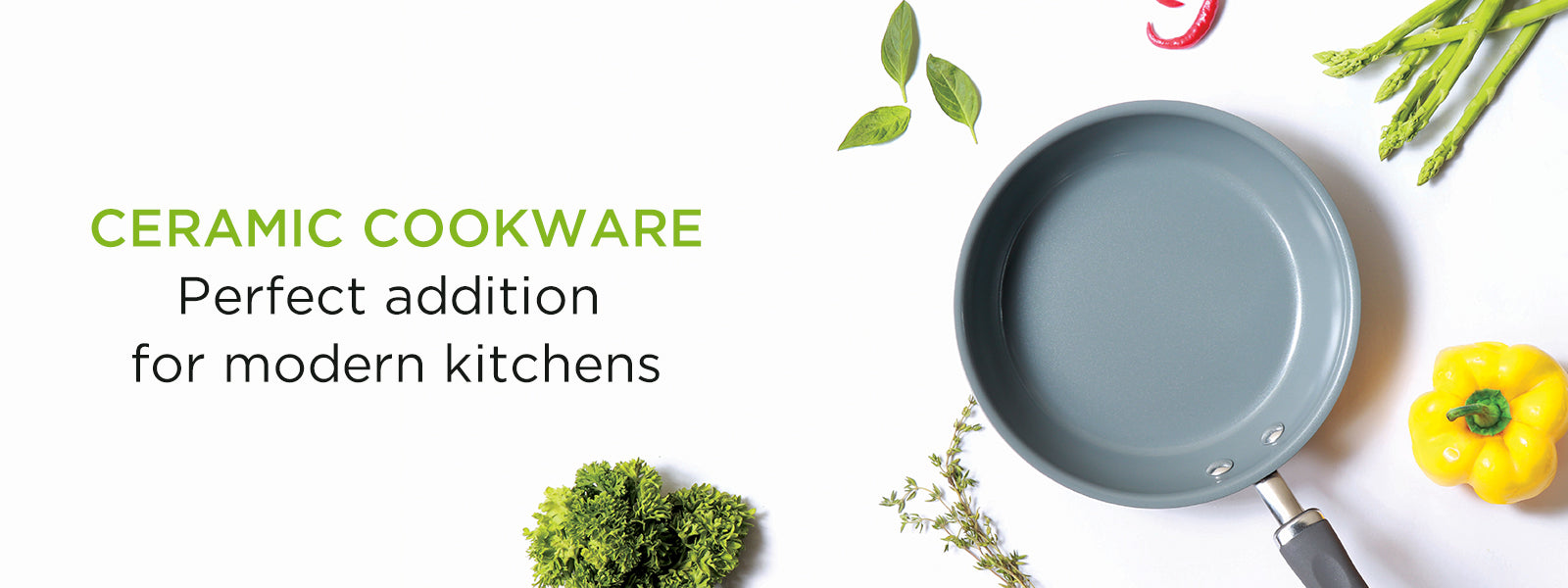
Health Benefits Of Cooking In Ceramic Cookware
2 Items
Know your Ceramic Cookware better
2 Items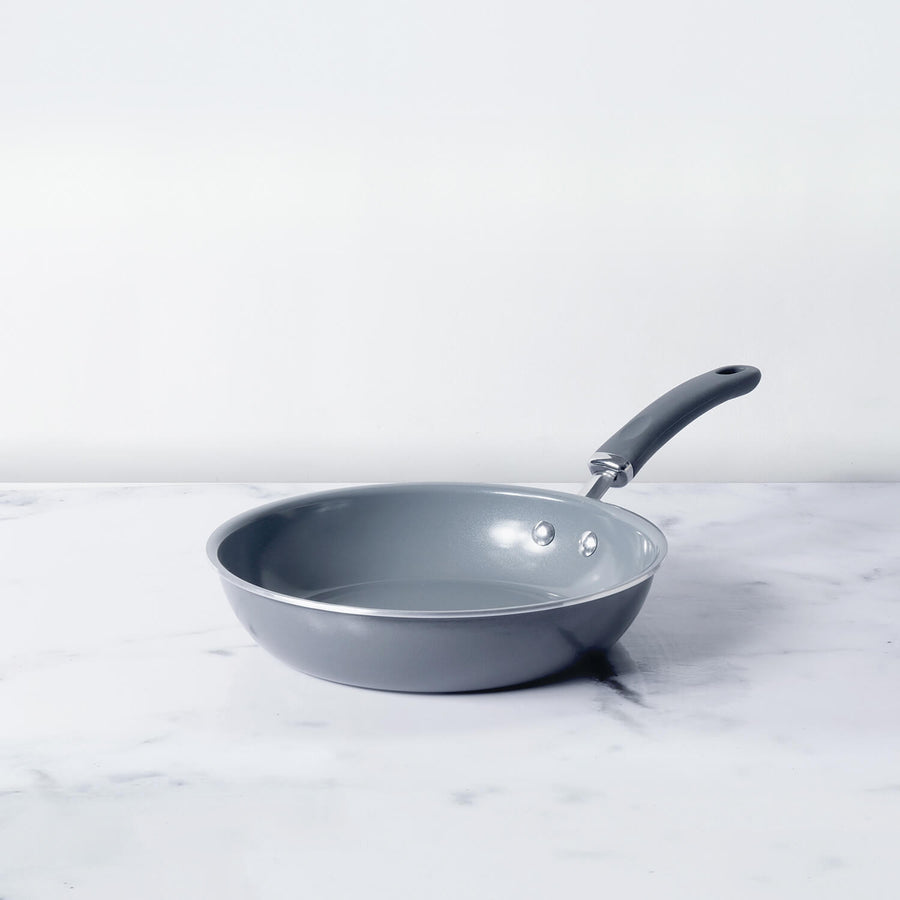


Leave a comment