



In busy Indian kitchens, cookware is used multiple times a day. From morning tadka to evening sabzi, your kadai, frypan, or tawa goes through repeated heating, cooking, and cleaning cycles. Naturally, a common question arises:
Does frequent washing reduce the life of cookware coatings?
The simple answer is no — frequent washing does not damage cookware coatings. Improper washing does.
In fact, regular and correct cleaning actually helps maintain coating performance. Let’s explore this in depth so you can protect your cookware investment and extend its lifespan.
Table of Contents
- 1. Understanding How Non-Stick Coatings Work
- 2. Why Frequent Washing Is Actually Necessary
- 3. What Actually Reduces the Life of Coatings?
- 4. How Premium Non-Stick Cookware Handles Regular Washing
- 5. Best Cleaning Practices to Extend Coating Life
- 6. Does Daily Washing Reduce Lifespan?
- 7. Comparing Different Cookware Materials
- 8. Signs Your Coating Is Wearing Out
- 9. How Long Should Quality Non-Stick Cookware Last?
- 10. Storage Matters Too
- 11. The Bigger Picture: Maintenance Equals Performance
- 12. Final Thoughts
Understanding How Non-Stick Coatings Work
Modern non-stick cookware is designed with engineered coatings that:
-
Create a smooth, low-friction surface
-
Prevent food from sticking
-
Reduce oil usage
-
Allow easy cleaning
These coatings are durable but not indestructible. They are resistant to routine washing, but they can degrade when exposed to:
-
Abrasive scrubbing
-
Extreme heat
-
Harsh chemicals
-
Thermal shock
-
Metal utensils
It’s important to distinguish between normal wear and avoidable damage.

Why Frequent Washing Is Actually Necessary
Indian cooking often involves:
-
Turmeric
-
Garam masala
-
Oil tempering
-
Tomato-based gravies
-
Sticky sauces
If cookware is not cleaned properly and regularly, residues build up. This can cause:
-
Sticky patches
-
Uneven heating
-
Reduced non-stick performance
-
Oil polymerisation (a hardened sticky film)
Ironically, avoiding washing to “protect” the coating may shorten its lifespan. Clean surfaces perform better and last longer.
What Actually Reduces the Life of Coatings?
Let’s break down the real causes of coating damage.
1. Abrasive Scrubbing
Steel wool, metal scrubbers, and rough scouring pads create micro-scratches. Over time, these scratches weaken the coating and lead to:
-
Surface roughness
-
Increased sticking
-
Faster wear
Even if damage isn’t visible immediately, it accumulates gradually.
2. Washing While the Pan Is Hot
Placing a hot pan under cold water causes thermal shock. This sudden temperature change can:
-
Stress the coating
-
Warp the base
-
Create microscopic cracks
Always allow cookware to cool naturally before washing.
3. Harsh Chemical Detergents
Strong alkaline or industrial cleaners can slowly degrade non-stick surfaces. Mild dishwashing liquid is sufficient.
4. Dishwasher Overuse
While some cookware is labeled dishwasher-safe, repeated exposure to:
-
High heat
-
Strong detergents
-
Prolonged wash cycles
can reduce coating shine and longevity.
Handwashing is always gentler.
5. Overheating During Cooking
Excessively high flame is one of the biggest contributors to coating wear.
Non-stick cookware performs best at low to medium heat. Continuous high heat:
-
Weakens coating bonds
-
Causes surface discoloration
-
Reduces lifespan
Good heat control is as important as proper washing.
How Premium Non-Stick Cookware Handles Regular Washing
High-quality cookware is designed for everyday use. For instance, the Meyer Merlot Non-Stick Kadai/Wok With Lid features a durable non-stick coating built to withstand routine cooking and regular cleaning — provided correct care practices are followed.
Because of its smooth surface:
-
Food releases easily
-
Scrubbing is rarely required
-
Cleaning becomes quick and gentle
This design reduces stress on the coating during washing.
Best Cleaning Practices to Extend Coating Life
Follow these simple guidelines:
Let the Pan Cool
Allow the cookware to cool before placing it under water.
Use Warm, Soapy Water
Mild detergent and warm water loosen oil and spice residue effectively.
Choose a Soft Sponge
A soft sponge or microfiber cloth is sufficient. Avoid steel or abrasive pads.
Remove Sticky Oil Film Occasionally
If a sticky layer develops:
-
Soak the pan in warm soapy water for 10–15 minutes
-
Gently wipe clean
-
Avoid baking soda or abrasive powders unless recommended
Dry Thoroughly
Moisture left behind can affect handles and rivets over time.
Does Daily Washing Reduce Lifespan?
No. In fact:
-
Regular gentle washing prevents residue buildup
-
Clean surfaces maintain non-stick efficiency
-
Proper maintenance extends performance
What reduces lifespan is aggressive scrubbing, not daily cleaning.
Comparing Different Cookware Materials
Understanding material differences helps manage cleaning expectations.
-
Needs gentle washing
-
Avoid abrasives
-
Avoid overheating
-
Extremely durable
-
Can tolerate scrubbing
-
Dishwasher-friendly
-
No coating to degrade
-
Should not be washed with harsh soap frequently
-
Needs seasoning maintenance
-
Requires drying and oiling after washing
Each material requires its own care routine.
Signs Your Coating Is Wearing Out
Even with excellent care, coatings don’t last forever.
Look for:
-
Visible scratches
-
Flaking or peeling
-
Uneven texture
-
Persistent sticking despite proper use
If coating damage is significant, replacing cookware may be safer and more efficient.
How Long Should Quality Non-Stick Cookware Last?
With proper care:
-
Premium non-stick cookware can last several years
-
Gentle washing significantly extends lifespan
-
Avoiding overheating improves durability
Durability also depends on frequency of use, cooking style, and heat habits.
Storage Matters Too
Improper storage can damage coatings even if washing is perfect.
To protect cookware:
-
Avoid stacking without protection
-
Use pan protectors or cloth separators
-
Do not place heavy cookware directly on top
Surface scratches often happen during storage, not washing.
The Bigger Picture: Maintenance Equals Performance
Cookware longevity is not determined by washing frequency. It depends on:
-
Heat control
-
Cleaning method
-
Storage habits
-
Utensil choice
-
Cooking practices
High-quality cookware combined with smart care habits delivers consistent performance for years.
Final Thoughts
Frequent washing does not reduce the life of cookware coatings. In fact, regular gentle cleaning supports better performance and hygiene.
What truly shortens lifespan is:
-
Abrasive scrubbing
-
Thermal shock
-
Harsh chemicals
-
Excessive high heat
-
Improper storage
When you use premium cookware like the Meyer Merlot Non-Stick Kadai/Wok With Lid and follow simple care guidelines, you ensure:
-
Smooth food release
-
Even cooking
-
Long-lasting coating performance
-
Reliable everyday use
Cookware is an essential kitchen investment. Treat it with mindful care, and it will continue to support healthy, efficient, and enjoyable cooking for years to come.
Because smart maintenance isn’t about washing less — it’s about washing right.
MORE FROM BLOG
Top Collections
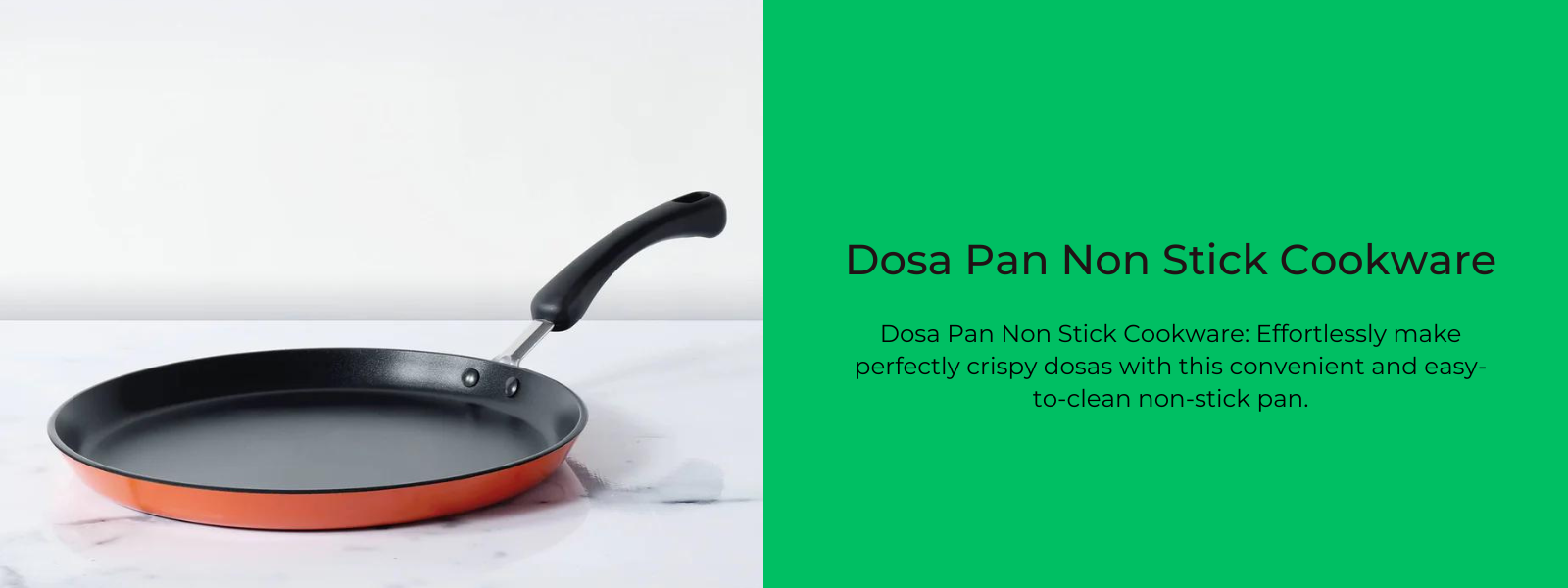
Best Dosa Pan Non Stick Cookware In India
2 Items
Best Non Stick Roti Tawa Price: Cookware For Everyone
2 Items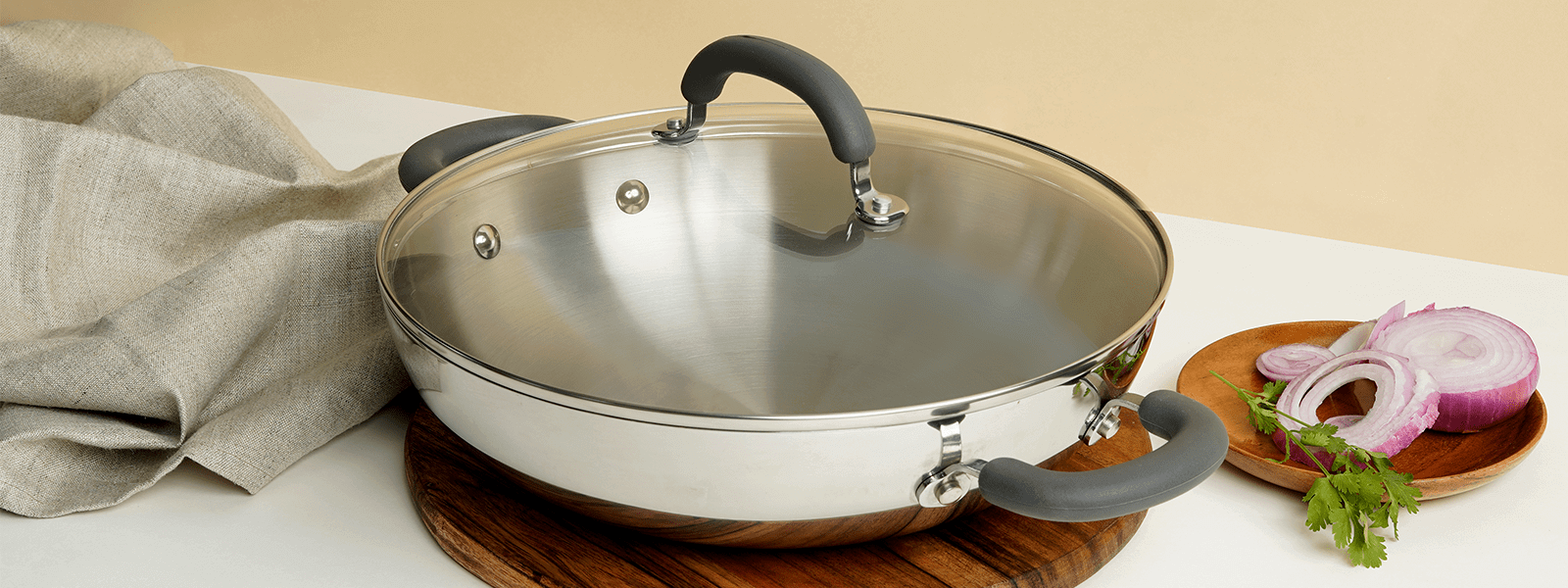
Best stainless steel cookware for summer cooking
2 Items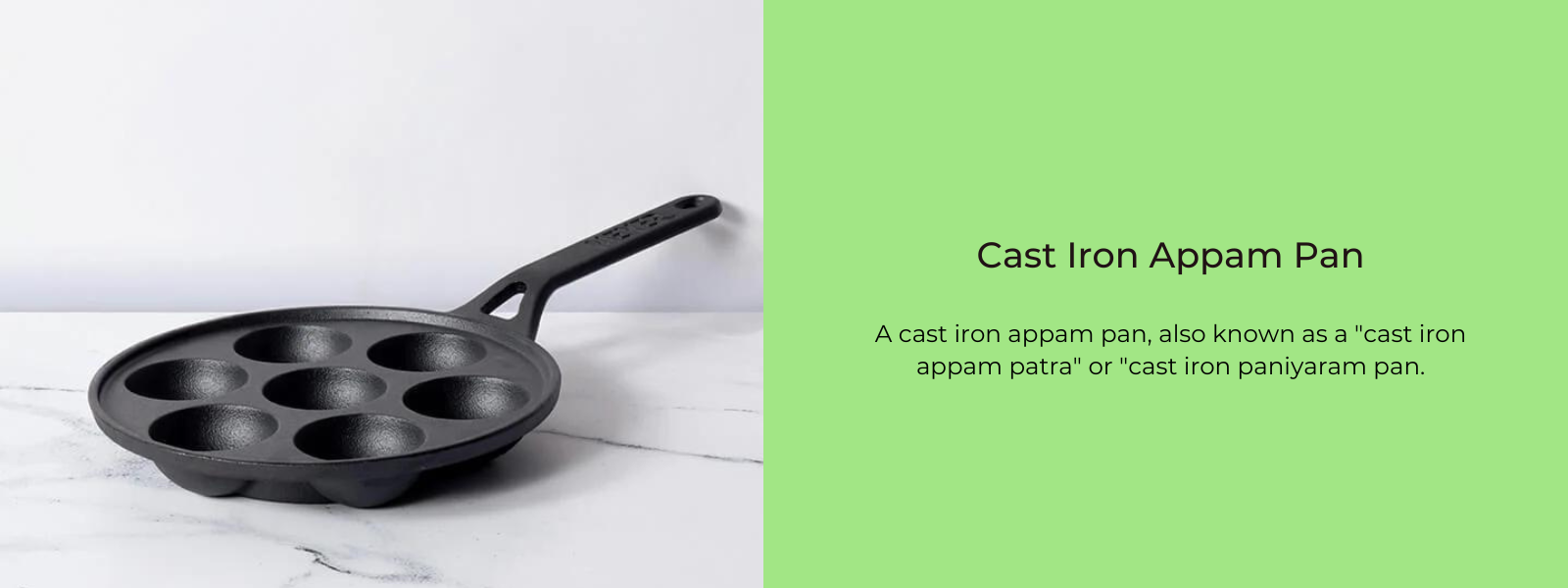
Cast Iron Appam Pan: Cookware That Lasts For Lifetime
2 Items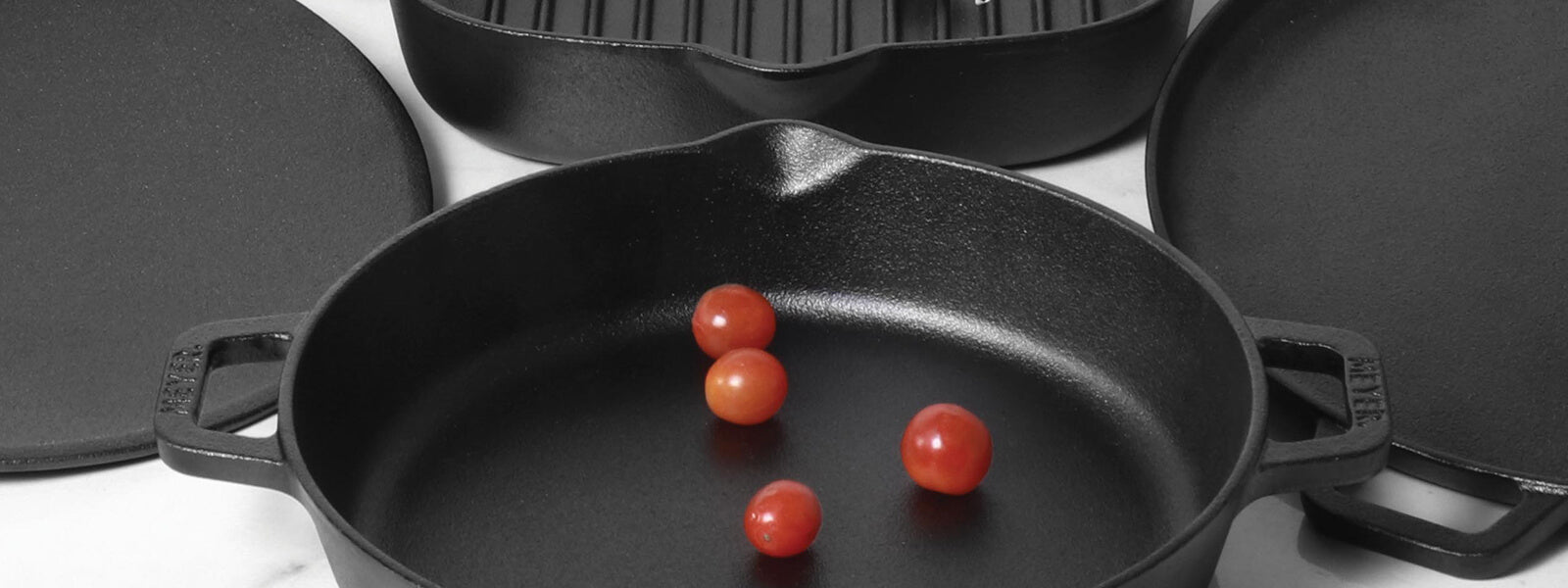
Is cast iron superior to other cookware? Discover best cookware material in India
2 Items


Leave a comment