



Choosing the right cookware is an important decision for any kitchen. Indian cooking in particular places significant demands on cookware because meals often involve high heat, sautéing spices, frying, simmering gravies, and repeated daily use. Because of this, durability becomes a key factor when selecting the right pans and pots.
Among the many cookware materials available today, hard-anodised cookware and ceramic cookware are two options that frequently attract attention. Both are designed to support modern cooking styles and offer smoother cooking surfaces compared to traditional metal pans. However, many home cooks still wonder which of these two materials lasts longer and performs better over time.
Understanding how these cookware materials are made and how they behave during everyday cooking can help you make a more informed decision. This guide explores the differences between hard-anodised cookware and ceramic cookware in terms of durability, cooking performance, maintenance, and long-term value, while also highlighting thoughtfully engineered cookware collections such as Meyer Hard-Anodised cookware.
Table of Contents
- 1. Understanding Hard-Anodised Cookware
- 2. Understanding Ceramic Cookware
- 3. Durability Comparison
- 4. Resistance to Scratches and Surface Wear
- 5. Heat Performance and Cooking Conditions
- 6. Cleaning and Maintenance
- 7. Weight and Cooking Stability
- 8. Long-Term Value
- 9. Which Cookware Is Better for Everyday Cooking?
- 10. Final Thoughts
Understanding Hard-Anodised Cookware
Hard-anodised cookware begins with aluminum that undergoes a special electrochemical treatment called anodization. During this process, the aluminum surface is converted into a hardened oxide layer that becomes part of the metal itself. This transformation significantly strengthens the cookware and improves its resistance to scratches, corrosion, and wear.
The anodization process also seals the aluminum surface, creating cookware that is more durable than ordinary aluminum pans. The result is cookware that is strong, stable, and capable of handling everyday cooking stress.
Hard-anodised cookware is widely appreciated because it offers several practical advantages:
· strong and durable structure
· excellent heat conduction
· resistance to scratches and stains
· compatibility with everyday cooking styles
Many premium cookware collections, including Meyer Hard-Anodised cookware, combine this durable base with high-quality non-stick coatings and thick construction. This ensures that the cookware performs reliably even with frequent use.

Understanding Ceramic Cookware
Ceramic cookware usually refers to cookware that features a ceramic-based non-stick coating applied over a metal core, typically aluminum. The ceramic coating is made from mineral-based materials that are heated and bonded to the surface of the pan.
This coating creates a smooth and glossy finish that allows food to release easily. Because of its clean appearance and smooth surface, ceramic cookware has become popular in many modern kitchens.
Ceramic cookware is often chosen because it is associated with:
· low-oil cooking
· smooth food release
· simple cleaning
· contemporary design
The coating helps prevent food from sticking during cooking, which can be particularly useful for delicate foods such as eggs, pancakes, and lightly sautéed vegetables.
However, because the ceramic layer sits on top of the cookware surface rather than being part of the metal itself, its durability can vary depending on usage and care.
Durability Comparison
When evaluating cookware longevity, hard-anodised cookware generally lasts longer than ceramic cookware.
The anodization process changes the structure of the aluminum itself, creating a surface that is significantly harder than untreated metal. This durable layer resists everyday wear such as stirring, heating, and washing.
With proper care, hard-anodised cookware can maintain its performance for many years. Even after extended use, the base metal remains strong and continues to distribute heat efficiently.
Ceramic cookware, on the other hand, depends on a thin coating for its non-stick properties. Over time, repeated heating and cleaning can gradually weaken this layer. As the coating wears down, food may begin to stick more easily.
Because of this difference in construction, hard-anodised cookware often offers longer usable life compared to ceramic cookware in kitchens where cooking happens daily.
Resistance to Scratches and Surface Wear
Another important factor influencing cookware lifespan is resistance to physical wear.
Hard-anodised cookware is known for its scratch-resistant surface. The hardened oxide layer formed during anodization becomes an integral part of the cookware body. This makes it far more resistant to scratching than standard aluminum cookware.
Ceramic cookware surfaces are comparatively more delicate. Although the coating provides smooth food release initially, it may develop small surface changes after prolonged use. Repeated stirring, stacking, or washing can slowly affect the coating’s texture.
Once the ceramic coating begins to deteriorate, the non-stick effect may gradually reduce. This often leads to the need for replacing the cookware sooner than expected.
Heat Performance and Cooking Conditions
Indian cooking often involves high temperatures, especially when preparing dishes such as:
· sautéed vegetables
· gravies and masalas
· shallow-fried snacks
· stir-fried dishes
Hard-anodised cookware performs particularly well under these conditions. The thick aluminum base heats quickly and distributes heat evenly across the cooking surface. This helps ensure consistent cooking results and prevents hot spots.
Ceramic cookware generally performs best when used at moderate heat levels. Extremely high temperatures may gradually affect the coating and reduce its effectiveness over time.
Because Indian cooking frequently involves frying, tempering spices, and cooking at higher temperatures, hard-anodised cookware often proves more adaptable to these cooking styles.
Cookware collections such as Meyer Hard-Anodised cookware are designed specifically to support everyday cooking techniques while maintaining reliable heat distribution.
Cleaning and Maintenance
Cookware longevity also depends on how easy it is to maintain.
Hard-anodised cookware is relatively simple to care for. Its sturdy surface can tolerate regular washing and normal kitchen use. Gentle cleaning methods and proper handling are usually sufficient to maintain its performance.
Ceramic cookware requires slightly more careful maintenance. To extend its life, it is usually recommended to avoid very abrasive scrubbing tools and extremely high cooking temperatures.
While ceramic cookware is still easy to clean due to its smooth surface, repeated exposure to heat and strong detergents may gradually affect the coating.
For households that cook multiple meals daily, the durability and resilience of hard-anodised cookware can be particularly valuable.
Weight and Cooking Stability
Hard-anodised cookware tends to be slightly heavier than ceramic cookware because it often features thicker aluminum construction. This extra weight provides improved stability on the cooktop and helps maintain even heat during cooking.
Ceramic cookware is generally lighter, which can make it easier to handle and move around the kitchen. However, lighter construction sometimes means the cookware may not retain heat as effectively as thicker pans.
For recipes that require steady heat, such as sautéing onions or preparing masalas, the stability of hard-anodised cookware can provide better cooking control.
Long-Term Value
When comparing cookware materials, the initial purchase price is only one part of the equation. Long-term value depends on how long the cookware remains effective in daily use.
Ceramic cookware often appears more affordable initially, but because the coating can wear out over time, the cookware may need replacement sooner.
Hard-anodised cookware generally offers greater long-term value because of its durability and extended lifespan. Investing in well-constructed cookware such as Meyer Hard-Anodised cookware can provide reliable cooking performance for years without frequent replacements.
Which Cookware Is Better for Everyday Cooking?
Both cookware types have their own strengths. Ceramic cookware offers smooth food release and attractive design, making it suitable for light cooking tasks.
Hard-anodised cookware, however, is better suited for kitchens where cookware is used frequently and must withstand a wide variety of cooking techniques.
For everyday Indian cooking, which often involves sautéing spices, frying, and cooking at higher temperatures, hard-anodised cookware tends to provide better durability and reliability.
Final Thoughts
Hard-anodised cookware and ceramic cookware each bring useful qualities to the kitchen. Ceramic cookware offers convenience and easy food release, making it suitable for lighter cooking tasks.
However, when it comes to longevity, heat tolerance, and resistance to daily wear, hard-anodised cookware typically performs better. Because the anodization process strengthens the metal itself, the cookware remains durable even after years of use.
For households seeking cookware that can handle regular cooking without frequent replacement, Meyer Hard-Anodised cookware provides a dependable solution that balances durability, efficient heating, and everyday practicality.
MORE FROM BLOG
Top Collections

Bakeware Essentials: Choosing Between Metal, Glass, and Ceramic
2 Items
Can Ceramic Cookware Be Used for Breakfast and Light Meals?
2 Items
Can Ceramic Cookware Be Used for Cooking Dosa and Uttapam?
2 Items
Can Ceramic Cookware Handle Everyday Indian Meals?
2 Items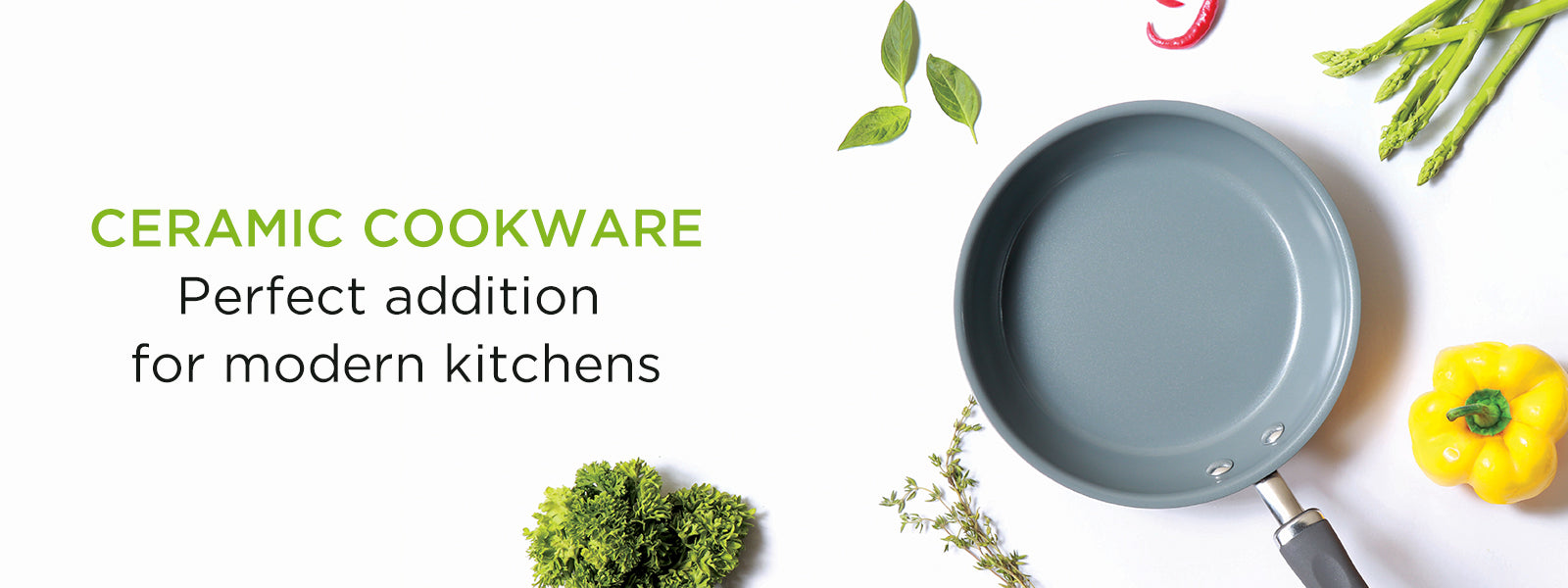
Health Benefits Of Cooking In Ceramic Cookware
2 Items


Leave a comment