



Indian cuisine is deeply rooted in slow cooking. From dal makhani simmered for hours to richly layered biryani cooked on dum, many traditional recipes depend on steady heat, gradual moisture reduction, and careful spice infusion. One factor that significantly influences the outcome of these dishes is cookware thickness.
Cookware thickness determines how heat is absorbed, distributed, retained, and transferred to food. In slow-cooked Indian recipes, where precision and patience define flavor, the thickness of the pot or pan can dramatically alter texture, aroma, and overall taste.
Table of Contents
- 1. Heat Retention
- 2. Even Heat Distribution Prevents Burning
- 3. Slow Simmering and Flavor Integration
- 4. Moisture Control and Reduction
- 5. Dum Cooking and Thermal Stability
- 6. Pressure Cooking and Thickness
- 7. Texture and Mouthfeel
- 8. Energy Efficiency and Heat Management
- 9. When Thickness Makes the Biggest Difference
- 10. Material and Thickness: A Combined Effect
- 11. Final Thoughts
Heat Retention: The Foundation of Slow Cooking
Thicker cookware retains heat longer than thin cookware. Materials such as heavy-gauge stainless steel and cast iron absorb thermal energy and release it gradually. This creates a stable cooking environment, especially important for recipes that simmer for extended periods.
In Indian slow-cooked dishes like dal makhani or rajma, steady heat ensures lentils break down uniformly without scorching at the base. Thick cookware minimizes sudden temperature fluctuations when ingredients are added or when the flame is adjusted. The result is smoother texture and deeper flavor development.
A heavy vessel such as the Meyer Pre-Seasoned Cast Iron Dutch Oven/Sauteuse With Glass Lid excels in this context because it maintains consistent low heat over time, allowing spices and aromatics to infuse gradually.

Even Heat Distribution Prevents Burning
Slow-cooked Indian recipes often begin with sautéing onions, ginger-garlic paste, and whole spices. If the cookware base is thin, it can develop hot spots. These hot spots cause uneven browning and may burn spices quickly, introducing bitterness into the dish.
Thicker cookware distributes heat evenly across the surface. This ensures uniform caramelization of onions and proper roasting of masalas. Since spice roasting is foundational to Indian gravies, even heat is essential for achieving balanced taste.
A thick-bottomed stainless steel pan such as the Meyer Select Stainless Steel Sauteuse 24cm helps maintain consistent heat across the base, reducing the risk of burnt edges while supporting proper browning.
Slow Simmering and Flavor Integration
Indian slow-cooked recipes rely heavily on gradual simmering. During this phase, spices bloom, proteins soften, and liquids reduce to achieve the desired consistency. Cookware thickness directly affects how smoothly this process unfolds.
Thin cookware reacts quickly to flame changes, often causing rapid boiling instead of gentle simmering. Rapid boiling can break down ingredients unevenly and may separate fats from gravies. In contrast, thick cookware moderates heat intensity. Even when the flame is slightly high, the mass of the vessel buffers the heat, preventing sudden spikes.
This steady simmering allows flavors to integrate naturally. Over time, spices meld with lentils, vegetables, or meats, producing a more cohesive and layered taste.
Moisture Control and Reduction
Many Indian dishes depend on controlled reduction. Whether thickening a tomato-based gravy or reducing coconut milk in a curry, evaporation must occur gradually.
Thicker cookware provides better control over moisture evaporation. Because heat is distributed evenly and retained steadily, liquids reduce at a consistent rate. This prevents sudden drying or sticking at the base.
In slow-cooked recipes such as korma or sambar, gradual reduction enhances body and richness. Thin cookware, on the other hand, may cause uneven reduction where the bottom thickens too quickly while the upper portion remains watery.
Dum Cooking and Thermal Stability
Dum cooking involves sealing the pot and allowing food to cook in its own steam. Biryani is a classic example. In this technique, maintaining internal heat stability is crucial.
Thick cookware creates a sealed thermal environment. Once heated, it continues to radiate gentle warmth even if the external flame is low. This consistent heat ensures that rice grains cook evenly and absorb aromatic flavors without burning at the base.
Heavy cast iron or thick stainless steel pots are particularly suitable for dum-style dishes because they prevent excessive heat loss and maintain internal temperature balance.
Pressure Cooking and Thickness
Pressure cooking is often the first step in preparing legumes such as chole or rajma. Thickness matters here as well. A sturdy, thick-walled cooker ensures even pressure buildup and consistent internal heat distribution.
A durable cooker like the MEYER Presta 5.5L Pressure Cooker supports safe and uniform cooking of lentils. After pressure cooking, finishing the dish in a thick-bottomed pan enhances flavor through controlled simmering.
Texture and Mouthfeel
Cookware thickness influences not just taste but also texture. Slow cooking in thick vessels allows ingredients to soften gradually, creating creamier dals and more tender vegetables.
Rapid temperature shifts in thin cookware can cause uneven breakdown of proteins and starches. In contrast, steady heat from thick cookware ensures uniform cooking, resulting in smoother gravies and well-integrated spices.
The mouthfeel of slow-cooked dishes improves significantly when heat is gentle and consistent.
Energy Efficiency and Heat Management
Thicker cookware retains heat longer even after the flame is turned off. In slow cooking, this means the dish continues to cook gently without additional fuel. This residual heat helps deepen flavor while reducing energy consumption.
Thin cookware loses heat quickly, often requiring constant flame adjustments. This inconsistency can interfere with the slow-cooking process and affect final taste.
When Thickness Makes the Biggest Difference
Cookware thickness has the greatest impact in recipes that require extended cooking times, including dal makhani, rajma, chole, biryani, korma, and slow-simmered vegetable gravies.
For quick stir-fries or fast boiling tasks, thickness may be less critical. However, in traditional Indian slow-cooked recipes where layering and patience define the dish, thicker cookware significantly enhances results.
Material and Thickness: A Combined Effect
Thickness works together with material type. Cast iron offers exceptional heat retention due to both density and thickness. Multi-layer stainless steel cookware provides durability along with even heat distribution. Hard anodized cookware offers a lighter alternative but must still have a sufficiently thick base for optimal slow cooking.
Choosing cookware with adequate thickness ensures stability during long cooking processes and prevents common issues like scorching or uneven reduction.
Final Thoughts
Cookware thickness plays a crucial role in Indian slow-cooked recipes. It influences heat retention, distribution, moisture control, simmering stability, and overall flavor integration. Thick cookware supports proper caramelization, steady reduction, and gentle simmering — all essential elements of traditional Indian cooking.
For dishes that require patience and depth of flavor, investing in thick, high-quality cookware enhances both taste and texture. The difference lies not in additional ingredients but in the physics of heat management. When heat is controlled and consistent, spices bloom fully, gravies thicken naturally, and slow-cooked dishes achieve their authentic richness.
MORE FROM BLOG
Top Collections
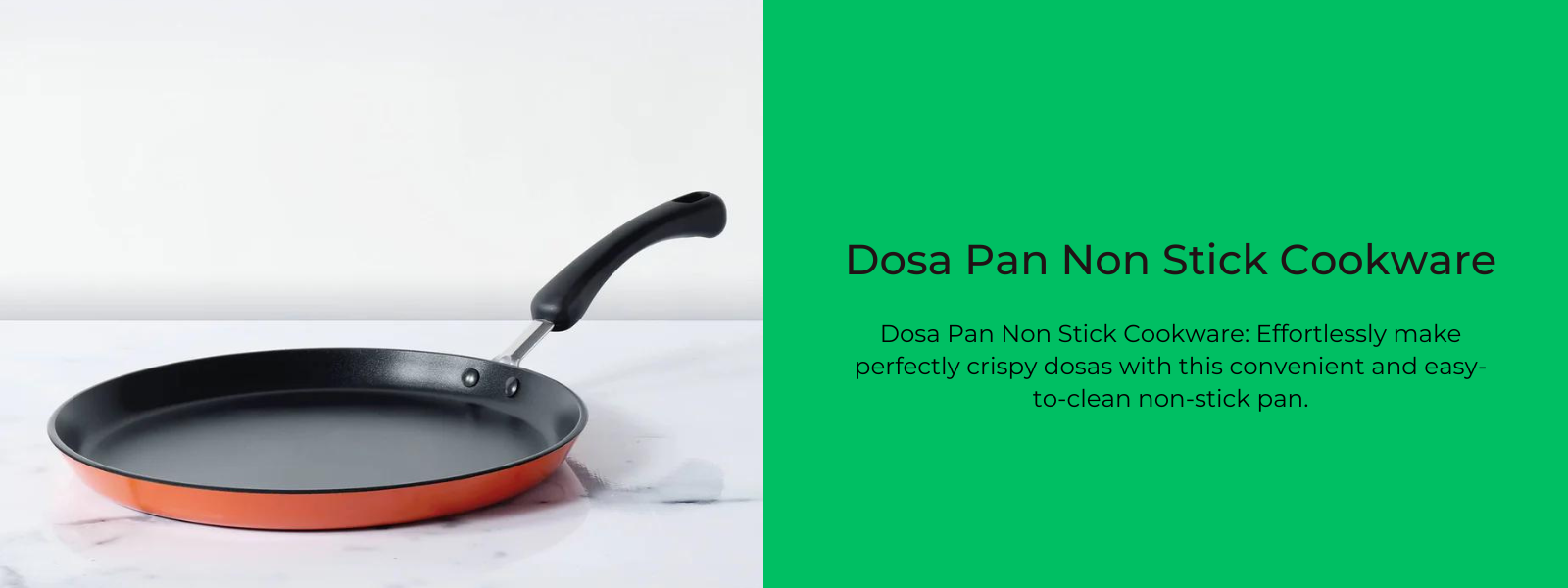
Best Dosa Pan Non Stick Cookware In India
2 Items
Can Ceramic Cookware Be Used for Cooking Dosa and Uttapam?
2 Items
Can I use stainless steel cookware in an electric oven?
2 Items
Is cast iron superior to other cookware? Discover best cookware material in India
2 Items
Cast Iron vs. Stainless Steel Cookware (What's the Difference?)
2 Items


Leave a comment