



Cast iron cookware is renowned for its incredible durability and timeless appeal. Unlike many other cookware materials, an old cast iron pan, kadai, skillet, or tawa can often be restored to excellent condition, even after years of neglect. This is one of the reasons cast iron has remained a favourite in kitchens for generations.
If you've inherited an old family pan or discovered a forgotten piece tucked away in storage, you may wonder, "Can old cast iron cookware be restored?"
The answer is yes. In most cases, old cast iron cookware can be successfully restored with proper cleaning, rust removal, and re-seasoning. Once restored, it can continue delivering outstanding cooking performance for many more years.
Whether you're reviving an old pan or maintaining your Meyer Pre-Seasoned Cast Iron Cookware, understanding the restoration process helps ensure your cookware remains in excellent condition for everyday cooking.
Table of Contents
- 1. Can Every Cast Iron Pan Be Restored?
- 2. How Long Does Restoration Take?
- 3. How to Keep Restored Cast Iron in Excellent Condition
- 4. Common Restoration Mistakes to Avoid
- 5. Why Meyer Pre-Seasoned Cast Iron Cookware Requires Less Maintenance
- 6. Signs Your Restored Cookware Is Ready to Use
- 7. Conclusion
Can Every Cast Iron Pan Be Restored?
Most cast iron cookware can be restored unless it has severe structural damage.
Restoration is generally possible if the cookware has:
-
Surface rust
-
Worn or uneven seasoning
-
Stubborn food residue
-
Discolouration
-
Dull appearance
However, cookware with large cracks, deep fractures, or significant warping may no longer be safe to use and should be replaced.
Step 1: Inspect the Cookware
Before beginning restoration, examine the cookware carefully.
Check for:
-
Cracks
-
Chips
-
Loose handles (if applicable)
-
Heavy rust
-
Uneven cooking surface
-
Warping
Surface rust and worn seasoning are common and can usually be repaired.
Step 2: Remove Rust
Rust is one of the most common reasons people think cast iron cookware is beyond saving.
Fortunately, surface rust is usually easy to remove.
Using a nylon scrubber, stiff brush, or fine-grade steel wool, gently scrub the rust until the clean iron surface is visible.
For heavily rusted cookware, several rounds of scrubbing may be required.
Take care not to use excessive force that could unnecessarily damage the metal surface.
Step 3: Wash Thoroughly
Once the rust has been removed, wash the cookware using warm water and a small amount of mild dishwashing liquid.
This removes:
-
Rust particles
-
Old oil
-
Dirt
-
Dust
-
Food residue
Unlike common myths, using mild soap during restoration is perfectly acceptable because you will be creating a completely new seasoning afterwards.
Step 4: Dry Completely
Moisture is the biggest enemy of cast iron.
After washing:
-
Wipe the cookware with a clean towel.
-
Place it over low heat for several minutes to remove any hidden moisture.
The cookware must be completely dry before seasoning begins.
Step 5: Apply a Thin Layer of Oil
Choose a cooking oil suitable for seasoning.
Apply a very thin coating across:
-
The cooking surface
-
The sides
-
The outer surface
-
The handle, if appropriate
Wipe away any excess oil.
A thin layer produces a stronger, smoother seasoning than a thick coating.
Step 6: Re-Season the Cookware
Heat allows the oil to bond with the iron, creating a durable protective layer.
Follow the seasoning instructions provided by the cookware manufacturer.
During seasoning, the oil transforms into a hard, protective surface that:
-
Helps reduce sticking
-
Protects against rust
-
Improves cooking performance
-
Strengthens with regular use
For cookware with heavy wear, repeating the seasoning process two or three times may provide even better results.
Step 7: Begin Cooking
Once the seasoning has been restored, start using the cookware regularly.
Cooking with foods that use a small amount of oil naturally strengthens the seasoning.
Excellent choices include:
-
Rotis
-
Parathas
-
Dosas
-
Vegetable stir-fries
-
Paneer dishes
-
Potato preparations
-
Roasted vegetables
Frequent cooking is one of the best ways to maintain a healthy seasoning layer.

How Long Does Restoration Take?
The restoration process varies depending on the condition of the cookware.
Light surface restoration may take less than an hour, while cookware with extensive rust may require additional cleaning and multiple seasoning cycles.
The effort is worthwhile because properly restored cast iron cookware can provide decades of reliable service.
How to Keep Restored Cast Iron in Excellent Condition
After restoration, a few simple habits will help maintain the cookware.
-
Wash shortly after cooking.
-
Dry immediately.
-
Apply a thin layer of oil if the surface appears dry.
-
Store in a dry place.
-
Avoid prolonged soaking in water.
-
Re-season occasionally when necessary.
These steps help preserve the seasoning and minimise the chance of rust returning.
Common Restoration Mistakes to Avoid
Avoid these common errors when restoring cast iron.
Applying Too Much Oil
A thick layer of oil can create a sticky, uneven finish instead of a smooth seasoning.
Always use a very thin coating.
Skipping the Drying Step
Any moisture left on the cookware before seasoning can encourage rust.
Ensure the cookware is completely dry before applying oil.
Leaving Rust Untreated
Small rust spots should be removed promptly before they spread further.
Expecting Immediate Perfection
Seasoning improves gradually with regular cooking.
The cooking surface will continue becoming smoother over time.
Why Meyer Pre-Seasoned Cast Iron Cookware Requires Less Maintenance
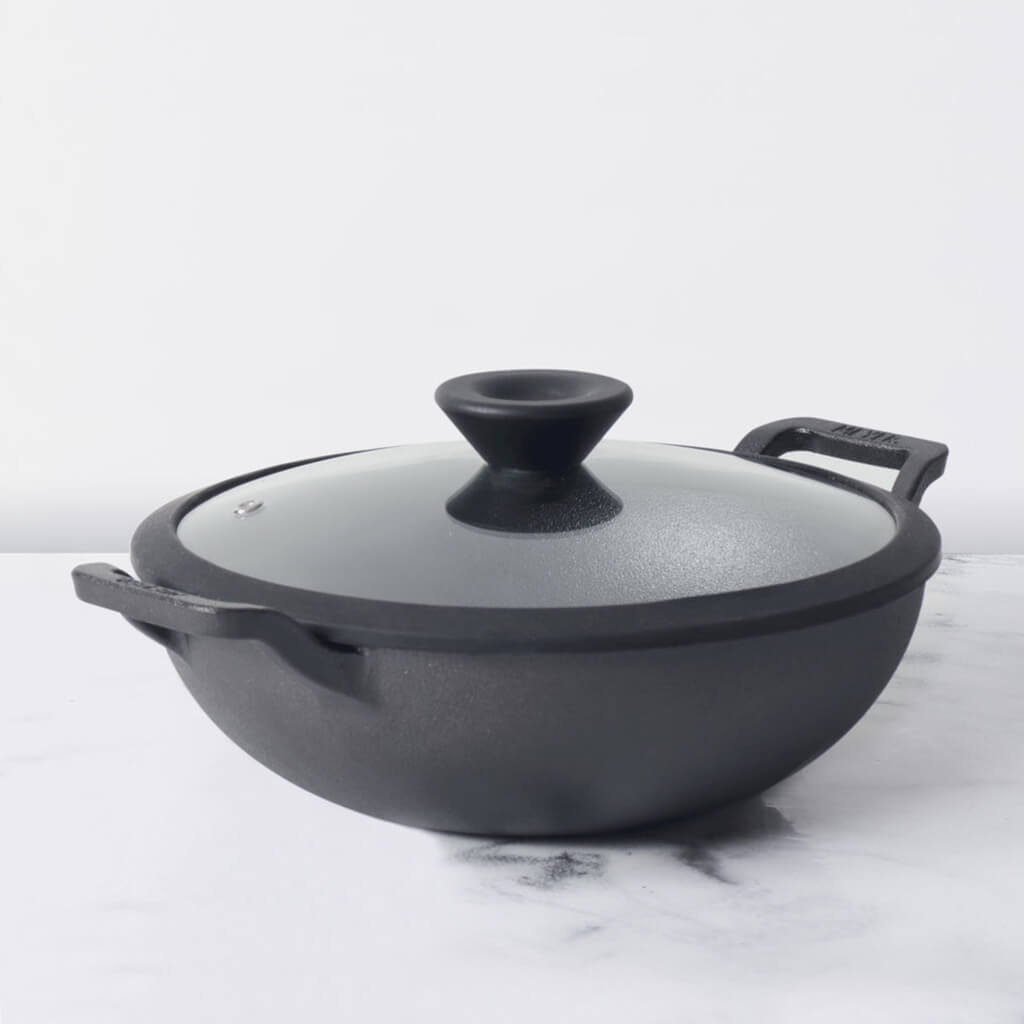
Meyer Pre-Seasoned Cast Iron Cookware is designed to simplify traditional cast iron cooking.
Each piece arrives pre-seasoned with 100% vegetable oil, eliminating the need for extensive preparation before first use. Regular cooking naturally strengthens the seasoning, helping maintain a smooth cooking surface while reducing the frequency of full restoration.
Made from premium-quality cast iron, Meyer cookware delivers exceptional heat retention, even cooking, and remarkable durability. Compatible with gas stoves, induction cooktops, electric cooktops, and ovens, it supports a wide variety of cooking techniques and recipes.
With proper care, Meyer Pre-Seasoned Cast Iron Cookware can remain a trusted part of your kitchen for generations.
Signs Your Restored Cookware Is Ready to Use
You'll know your restoration has been successful when:
-
The surface has a smooth, dark appearance.
-
Food releases more easily.
-
The cookware heats evenly.
-
No rust is visible.
-
The seasoning continues improving with regular cooking.
At this stage, the cookware is ready to become part of your everyday kitchen routine.
Conclusion
Restoring old cast iron cookware is a rewarding process that can transform neglected cookware into a dependable kitchen essential once again. Most surface rust, worn seasoning, and years of accumulated residue can be removed through careful cleaning, thorough drying, and proper re-seasoning.
With regular cooking and simple maintenance, restored cast iron cookware often performs just as well as new cookware while retaining its timeless character and exceptional durability.
Meyer Pre-Seasoned Cast Iron Cookware makes enjoying the benefits of cast iron even easier by arriving ready to cook with a protective seasoning already in place. Whether you're restoring an heirloom pan or investing in a new piece, proper care ensures your cast iron cookware continues delivering delicious meals and reliable performance for many years to come.
MORE FROM BLOG
Top Collections
Can Cast Iron go from the fridge to the oven?
2 Items
Cast Iron Cookware for Camping: Everything You Need to Know
2 Items
Cast iron pan vs. stainless steel pan — which should I buy?
2 Items
Cast Iron Skillet Seasoning Guide | Various ways for cast iron skillet seasoning
2 Items
Cast Iron Skillet trusted and recommended by professional chefs
2 Items


Leave a comment