



Indian cooking is rarely rushed. From slow-simmered dals and overnight-soaked rajma to patiently cooked curries and festive gravies, many traditional recipes demand long cooking hours and steady heat. Not all cookware is designed for this kind of endurance. Cast iron, however, has been trusted for generations precisely because it thrives under prolonged cooking conditions.
Cast iron does not merely tolerate long cooking hours—it performs better the longer it cooks, making it one of the most reliable materials for Indian kitchens.
Table of Contents
- 1. Exceptional Heat Retention for Sustained Cooking
- 2. Supports Slow Cooking Without Scorching
- 3. Maintains Moisture and Enhances Flavour Over Time
- 4. Durable Under Prolonged Heat Exposure
- 5. Improves Performance With Repeated Use
- 6. Ideal for Traditional Indian Cooking Techniques
- 7. Energy Efficiency During Long Cooking
- 8. Conclusion
Exceptional Heat Retention for Sustained Cooking
One of cast iron’s defining qualities is its ability to absorb, retain, and distribute heat evenly. Once heated, cast iron stays hot for a long time, reducing the need for constant flame adjustments. This is especially important during long cooking processes where sudden temperature fluctuations can ruin texture or flavour.
For dishes like dal makhani, sambhar, korma, or meat gravies that require extended simmering, cast iron ensures the heat remains consistent from the base to the sides. This prevents burning at the bottom while allowing ingredients to cook thoroughly and evenly.

Supports Slow Cooking Without Scorching
During long cooking hours, lightweight cookware often develops hot spots, causing food to stick or burn at the base. Cast iron’s thick walls and heavy base eliminate this problem by distributing heat gradually and uniformly.
This makes cast iron ideal for slow-cooked Indian recipes that rely on:
- Onion and tomato breakdown
- Spice integration over time
- Gentle evaporation for thick gravies
With cast iron, flavours develop naturally without the risk of scorching or uneven cooking.
Meyer Pre Seasoned Cast Iron curved Kadai without Lid, 20cm
Maintains Moisture and Enhances Flavour Over Time
Long cooking is not just about heat—it is also about moisture control. Cast iron retains heat so effectively that it allows dishes to simmer gently without aggressive boiling. This slow simmering helps retain moisture while allowing flavours to deepen gradually.
As cooking progresses, spices release their oils slowly, lentils soften evenly, and gravies thicken naturally. This is why food cooked for hours in cast iron often tastes richer and more cohesive, especially when reheated the next day.
Durable Under Prolonged Heat Exposure
Many modern cookware materials struggle under extended heat exposure. Nonstick coatings can degrade, thin pans can warp, and uneven heating can affect food quality. Cast iron, on the other hand, is built for endurance.
It can handle:
-
Long hours on gas or induction
-
Medium to high heat without damage
-
Frequent stirring and heavy ingredients
High-quality options like Meyer’s cast iron cookware are designed to withstand the demands of everyday Indian cooking while offering better finishes and easier maintenance.
Improves Performance With Repeated Use
Unlike cookware that wears out over time, cast iron improves with use. Prolonged cooking helps strengthen its natural seasoning layer, making the surface smoother and more resistant to sticking.
Long cooking hours, especially with oil-rich or spice-heavy dishes, contribute positively to seasoning. This creates a naturally non-stick surface that enhances future cooking performance without synthetic coatings.
Ideal for Traditional Indian Cooking Techniques
Indian cooking techniques such as dum cooking, bhunao, slow simmering, and overnight soaking followed by long cooking demand cookware that responds predictably to heat. Cast iron aligns perfectly with these methods.
Whether it is a kadai for slow-cooked curries or a Dutch oven-style pot for legumes and gravies, cast iron supports traditional techniques while delivering consistent results.
Meyer’s thoughtfully designed cast iron cookware brings this traditional strength into modern kitchens, combining classic material benefits with improved usability.
Energy Efficiency During Long Cooking
Because cast iron retains heat so well, it often allows cooks to lower the flame after initial heating, saving energy during long cooking hours. The cookware continues to cook food efficiently even at lower heat settings, making it both practical and economical.
This is particularly beneficial for dishes that require simmering for extended periods without constant supervision.
Conclusion: Built for Patience, Perfect for Indian Cooking
Cast iron handles long cooking hours better than almost any other cookware material. Its ability to retain heat, distribute it evenly, resist damage, and improve with use makes it ideal for the slow, patient cooking that defines Indian cuisine.
For households that value depth of flavour, consistent results, and cookware that lasts for decades, cast iron remains unmatched. With modern, pre-seasoned options from Meyer, today’s kitchens can enjoy the benefits of traditional slow cooking without compromise—proving that cast iron is not just durable, but truly timeless.
MORE FROM BLOG
Top Collections
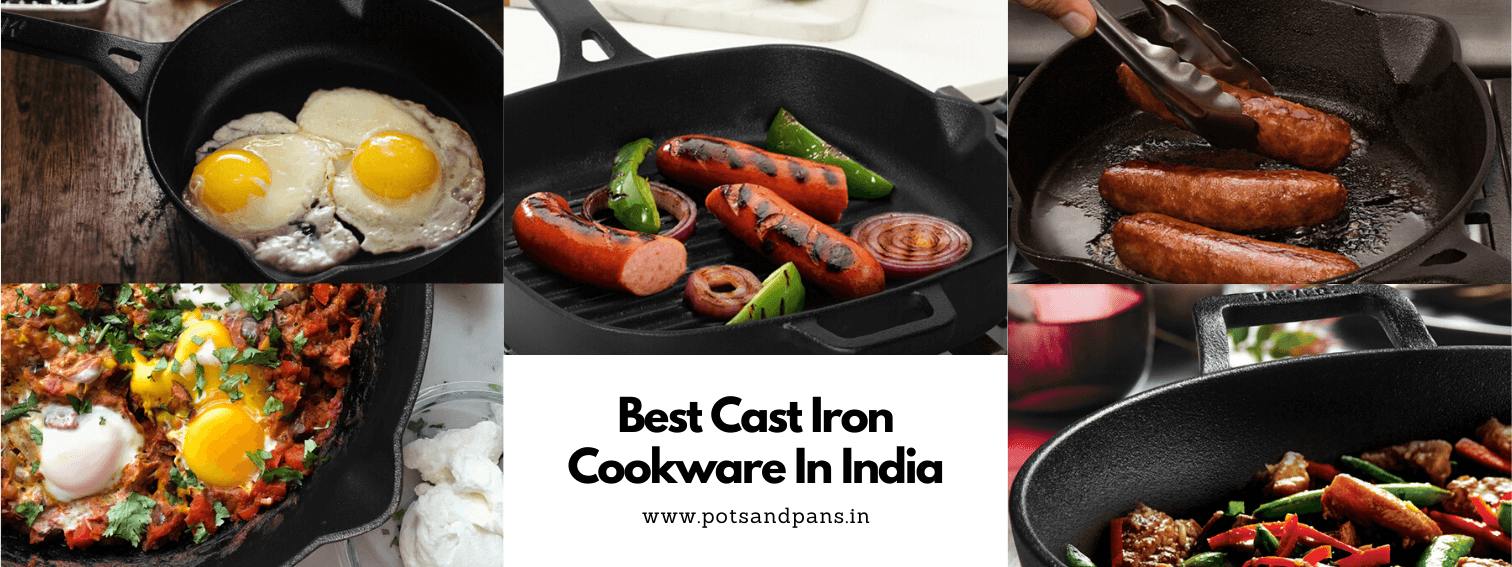
Best Cast Iron Cookware In India For Indian Food
2 Items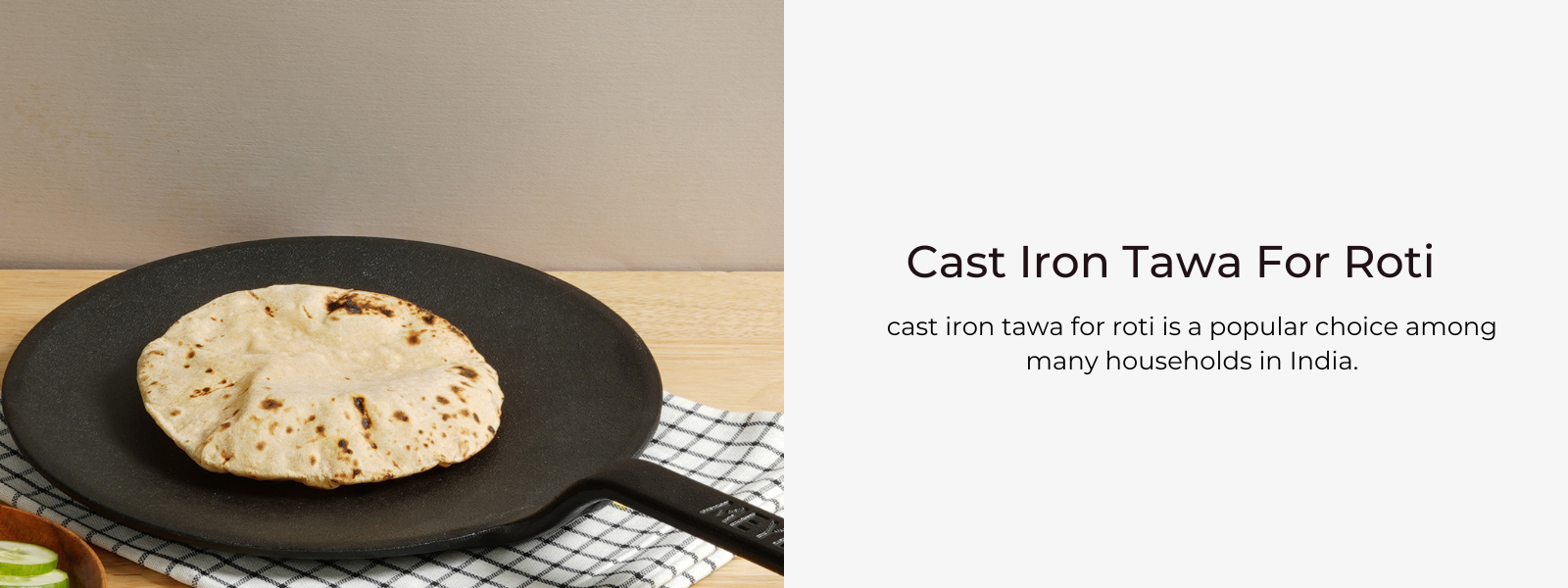
Best Cast Iron Tawa For Roti In India For Easy Cooking
2 Items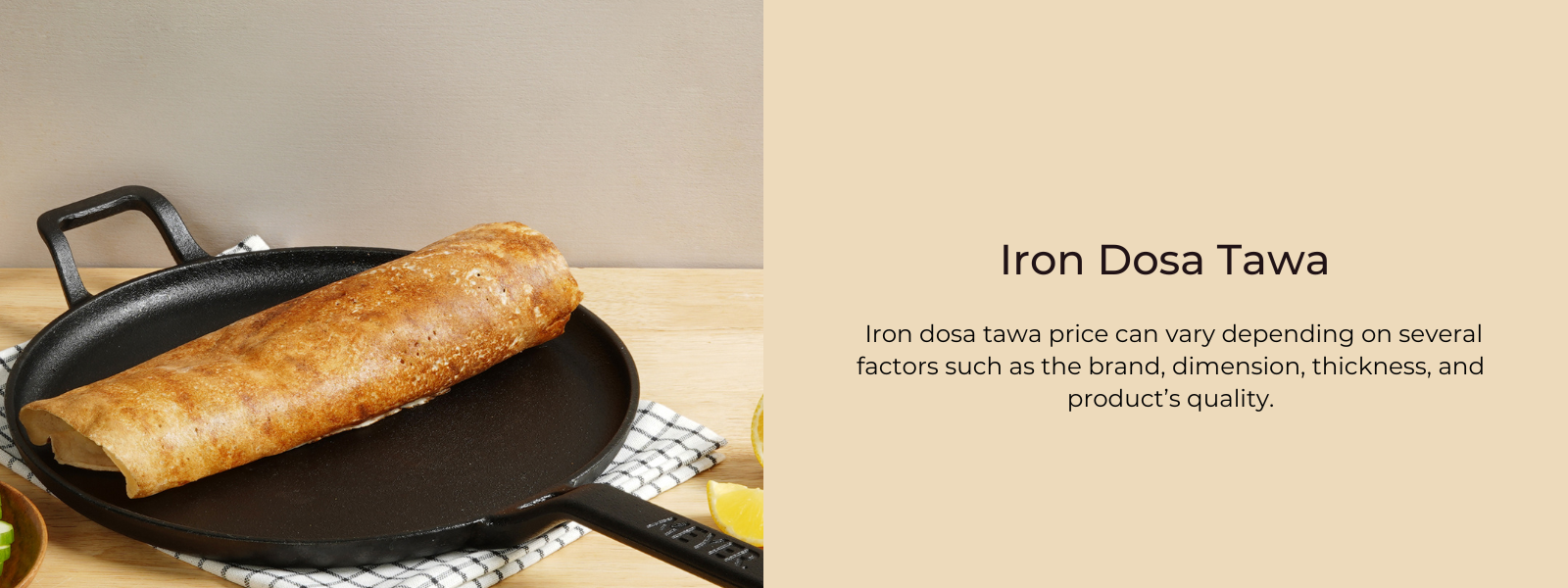
Best Iron Dosa Tawa Price: Pre-seasoned Cast Iron Tawa at a Special Rate
2 Items
Can Cast Iron go from the fridge to the oven?
2 Items
Is cast iron superior to other cookware? Discover best cookware material in India
2 Items
Cast Iron Cookware: Best Practices for Cleaning and Storage
2 Items
Cast Iron Cookware: The Benefits of Cooking with Tradition
2 Items


Leave a comment