



In Indian kitchens, oil has traditionally played a central role—whether it’s tempering spices, slow-cooking curries, frying rotis, or preparing festive delicacies. However, with growing awareness around heart health, diabetes, weight management, and overall wellness, many home cooks are consciously trying to reduce oil without compromising on taste. This shift has brought cast iron cookware back into the spotlight. Once a staple in our grandparents’ kitchens, cast iron is now being rediscovered as a powerful tool for low-oil, flavour-rich cooking.
But how exactly does cast iron help in cooking with less oil? The answer lies in its material science, cooking behavior, and the unique way it interacts with food over time.
Table of Contents
- 1. The Science Behind Cast Iron and Low-Oil Cooking
- 2. Superior Heat Retention Means Less Oil Needed
- 3. Natural Non-Stick Performance Improves Over Time
- 4. Better Browning Without Deep Frying
- 5. Ideal for Slow Cooking With Minimal Fat
- 6. Enhanced Flavour Means Less Dependence on Oil
- 7. Healthier Cooking Without Chemical Coatings
- 8. Versatile Across Indian Cooking Styles
- 9. Tips to Cook With Less Oil Using Cast Iron
- 10. Conclusion
The Science Behind Cast Iron and Low-Oil Cooking
Cast iron is fundamentally different from lightweight cookware. It is thick, dense, and naturally porous at a microscopic level. When heated correctly, these pores expand and absorb oil during seasoning. Over repeated use, this creates a smooth, polymerised surface that behaves almost like a natural non-stick coating—without chemicals or synthetic layers.
Once this seasoned surface is established, food releases easily with just a thin layer of oil. Unlike nonstick pans that rely on coatings, cast iron earns its non-stick performance through use, making it ideal for oil-conscious cooking.

Superior Heat Retention Means Less Oil Needed
One of the biggest reasons cast iron helps reduce oil is its exceptional heat retention. Indian cooking often involves high heat—searing vegetables, roasting spices, shallow-frying cutlets, or cooking parathas. In lightweight cookware, uneven heating causes food to stick or burn, prompting the cook to add more oil as a buffer.
Cast iron distributes heat slowly and holds it evenly across the cooking surface. This stable heat allows ingredients to cook uniformly without sticking, even with minimal oil. Whether you’re sautéing onions, pan-roasting paneer, or shallow-frying aloo tikkis, the pan stays consistently hot, reducing the need for excess fat.
Meyer Pre-Seasoned Cast Iron double Handle skillet 22cm, Black
Natural Non-Stick Performance Improves Over Time
Unlike factory-coated cookware that degrades, cast iron improves the more you use it. Each cooking session—especially with a little oil—adds to the seasoning layer. Over time, this seasoned surface becomes smoother and darker, allowing you to cook delicate foods like dosas, cheelas, omelettes, and fish with very little oil.
This is why seasoned cast iron tawas and skillets are prized in Indian households. A well-maintained cast iron pan can prepare crisp rotis, golden parathas, and even shallow-fried snacks using just a light brushing of oil or ghee.
Premium pre-seasoned cookware, such as Meyer’s pre-seasoned cast iron range, gives home cooks a head start, making low-oil cooking accessible even for beginners.
Better Browning Without Deep Frying
Oil is often overused to achieve browning or crisp textures. Cast iron naturally excels at browning due to its ability to maintain high, steady temperatures. This allows food to caramelise properly instead of steaming or sticking.
Vegetables like cauliflower, potatoes, carrots, and bell peppers develop a roasted texture in cast iron with minimal oil. Even snacks like cutlets, kebabs, and tikkis can be shallow-cooked rather than deep-fried, significantly reducing fat content while preserving taste and texture.
Ideal for Slow Cooking With Minimal Fat
Indian gravies and curries often rely on slow cooking for depth of flavour. Cast iron Dutch ovens and casseroles are especially effective here. Once heated, they retain warmth for long periods, allowing ingredients to cook gently in their own moisture.
This slow, enclosed cooking reduces the need for repeated oil additions. Onions soften and caramelise naturally, spices bloom without burning, and vegetables release their own oils and juices. The result is rich, layered flavour with far less added fat.
This is particularly useful for dal, rajma, chole, sambhar, and vegetable curries that traditionally require prolonged simmering.
Enhanced Flavour Means Less Dependence on Oil
Oil is often used as a flavour carrier. Cast iron, however, enhances flavour in a different way. The seasoned surface absorbs and retains traces of spices, aromatics, and cooking oils from previous meals. Over time, this creates a subtle depth of flavour that carries forward into new dishes.
Because cast iron amplifies natural flavours, cooks often find they don’t need as much oil, butter, or ghee to make food taste satisfying. Simple stir-fries, sabzis, and lentils feel richer without relying on heavy fats.
Healthier Cooking Without Chemical Coatings
Another advantage of cast iron in low-oil cooking is peace of mind. Unlike many nonstick pans that rely on synthetic coatings to reduce oil usage, cast iron achieves the same goal naturally. There’s no risk of coating degradation, flaking, or chemical fumes at high temperatures.
For families focused on long-term health—especially children, elderly members, or those managing lifestyle conditions—this makes cast iron a safer and more sustainable choice.
Versatile Across Indian Cooking Styles
Cast iron adapts beautifully to diverse Indian cooking needs. A cast iron tawa can prepare rotis and dosas with just a few drops of oil. A skillet works for stir-fries and shallow frying. A Dutch oven handles curries, rice dishes, and one-pot meals efficiently.
Modern cast iron cookware, such as Meyer’s thoughtfully designed pre-seasoned pieces, balances traditional material benefits with ergonomic handles and contemporary finishes—making daily low-oil cooking practical for modern kitchens.
Tips to Cook With Less Oil Using Cast Iron
To maximise the low-oil benefits of cast iron, a few simple practices help. Always preheat the pan properly before adding food, as this prevents sticking. Use just enough oil to lightly coat the surface rather than pouring it in. Avoid overcrowding the pan, which can lower temperature and cause sticking. Clean gently and dry thoroughly after use to maintain the seasoning.
With consistent care, cast iron becomes increasingly efficient, reducing oil usage naturally over time.
Conclusion: A Traditional Solution for Modern Healthy Cooking
Cast iron cookware proves that healthy cooking doesn’t require sacrificing taste or tradition. By offering excellent heat retention, natural non-stick performance, superior browning, and enhanced flavour, cast iron allows home cooks to prepare delicious Indian meals with significantly less oil.
As more families return to mindful, home-cooked food, cast iron stands out as a timeless, health-forward choice. With high-quality options like Meyer’s pre-seasoned cast iron cookware, adopting low-oil cooking becomes not just achievable, but enjoyable—bridging the wisdom of the past with the needs of modern kitchens.
MORE FROM BLOG
Top Collections
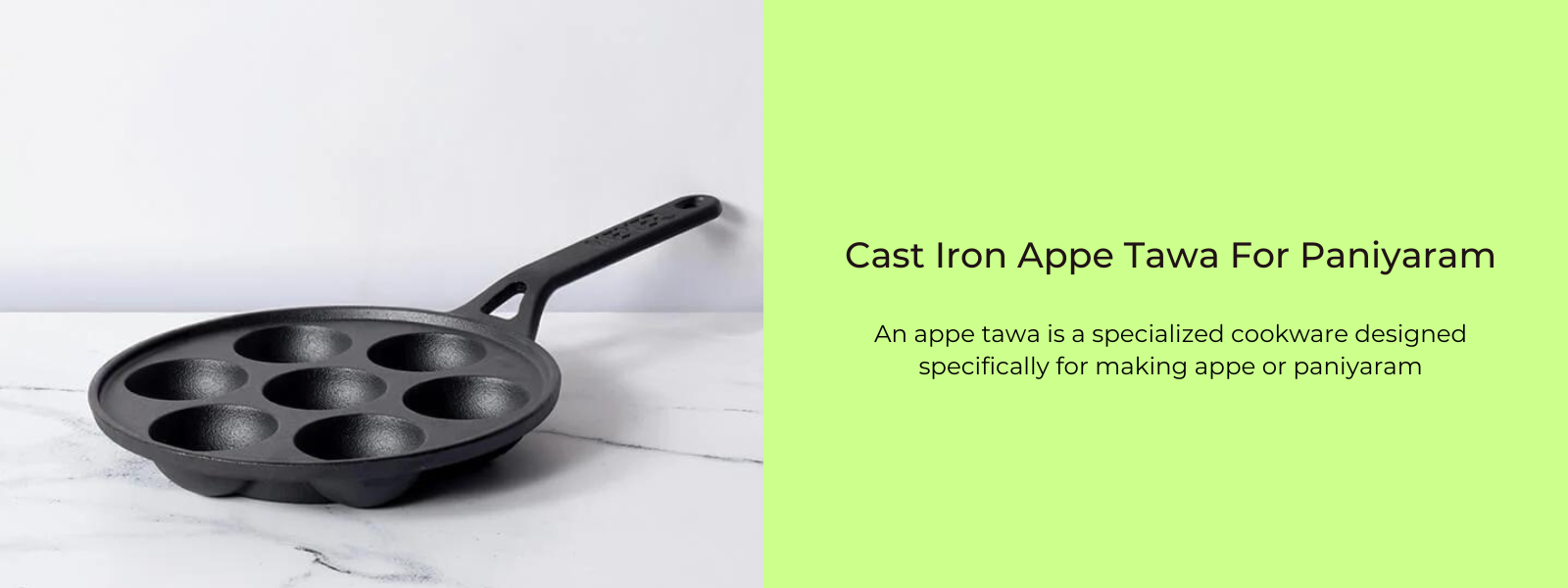
Best Cast Iron Appe Tawa For Paniyaram
2 Items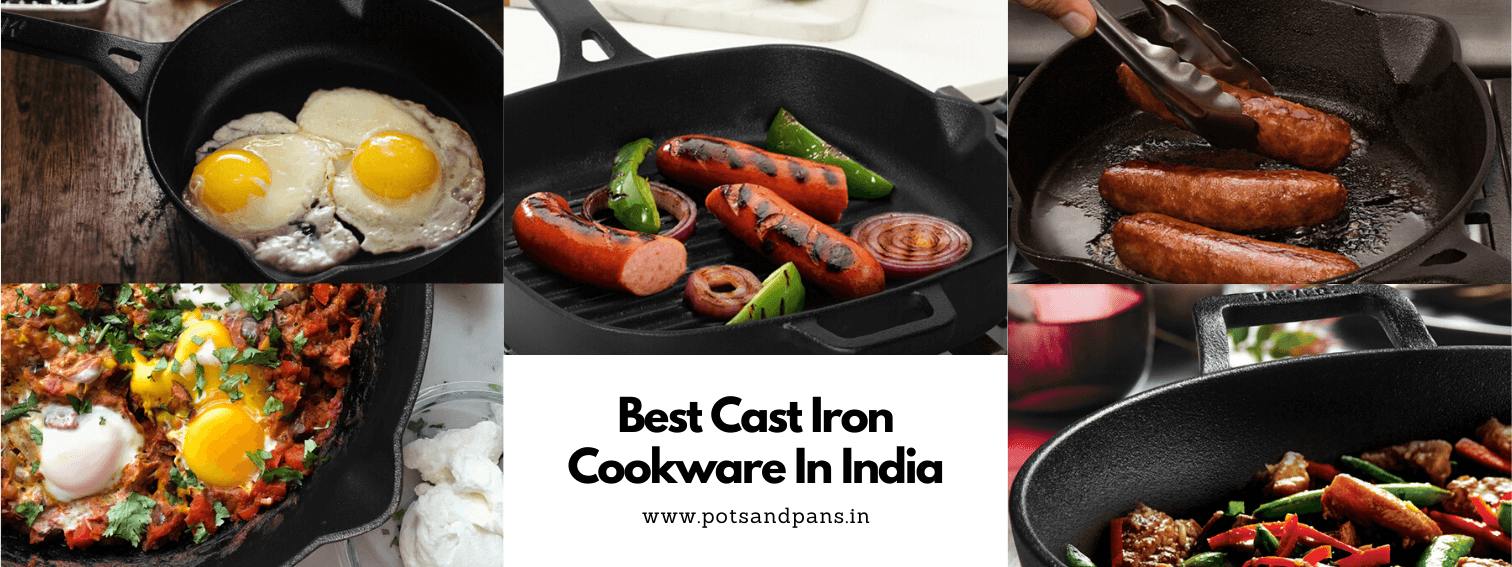
Best Cast Iron Cookware In India For Indian Food
2 Items
Can Cast Iron go from the fridge to the oven?
2 Items
Cast Iron Cookware: A Comprehensive Guide to Heat Retention
2 Items
Cast Iron Cookware: Best Practices for Cleaning and Storage
2 Items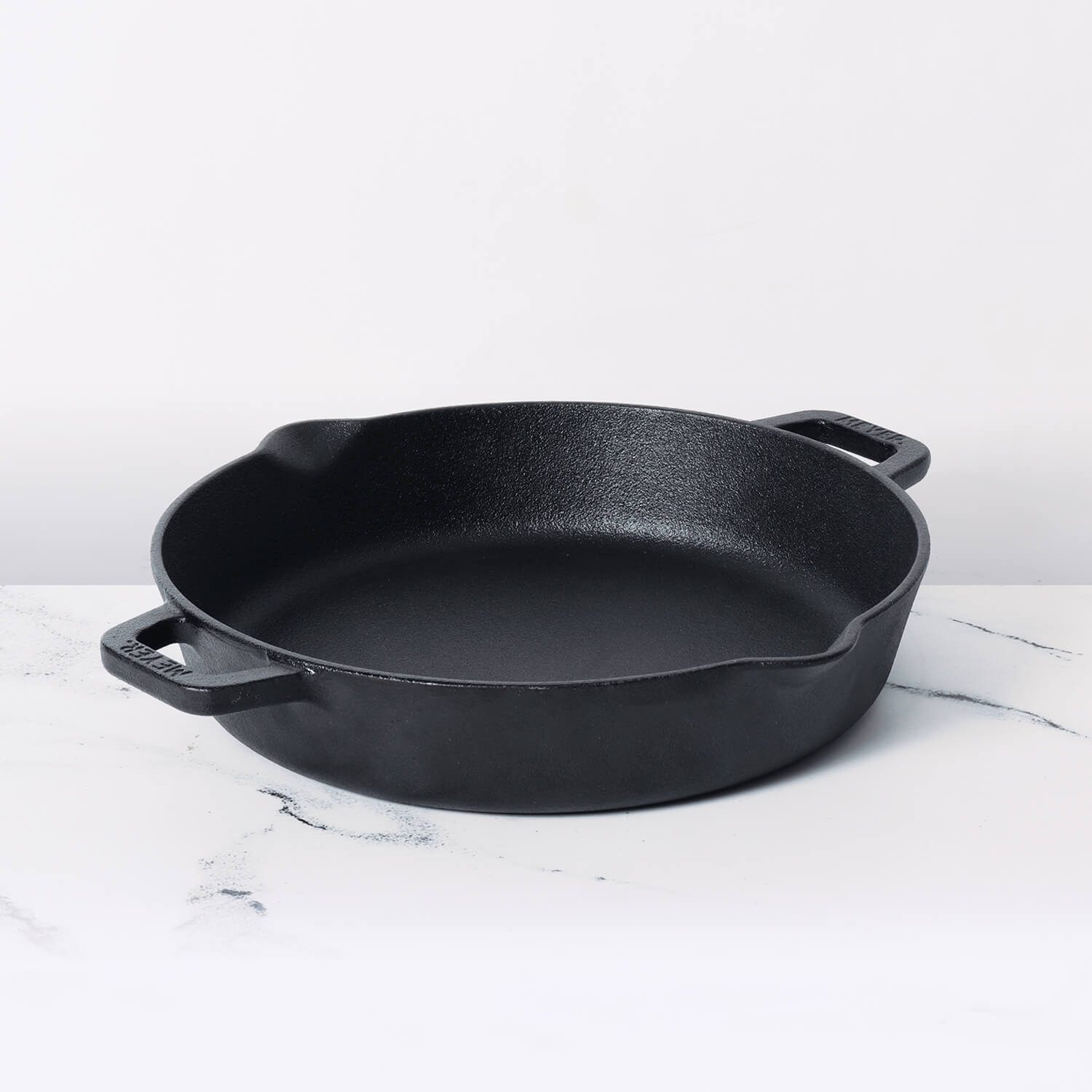


Leave a comment