



Indian cooking is beautifully diverse, but it is also famously acidic. From tangy tomato-based gravies and tamarind-laced sambars to kokum curries, vinegar-marinated meats, lemon rice, rasam, and curd-based kadhi, acidity is woven deeply into everyday Indian recipes. This raises an important and frequently searched question for Indian home cooks: How does stainless steel cookware handle acidic Indian dishes?
The short answer is that high-quality stainless steel cookware handles acidic foods exceptionally well. But to truly understand why stainless steel is trusted across Indian kitchens, professional restaurants, and modern homes, it’s important to look at its material science, cooking behavior, safety, taste neutrality, and long-term performance.
This blog explores how stainless steel cookware reacts with acidic ingredients, why it is considered one of the safest materials for Indian cooking, and how premium options like Meyer stainless steel cookware elevate both safety and cooking results.
Table of Contents
- 1. Why Acidic Dishes Matter in Indian Cooking
- 2. How Stainless Steel Reacts With Acidic Foods
- 3. Taste Integrity
- 4. Safety and Hygiene With Acidic Cooking
- 5. Handling Long Simmering and Pressure Cooking
- 6. Even Heating and Reduced Burning
- 7. Comparison With Other Cookware Materials
- 8. Nutritional Benefits of Cooking Acidic Foods in Stainless Steel
- 9. Cleaning and Maintenance After Acidic Cooking
- 10. Ideal Indian Dishes to Cook in Stainless Steel
- 11. Why Meyer Stainless Steel Cookware Is a Smart Choice
- 12. Conclusion
Why Acidic Dishes Matter in Indian Cooking
Acidic ingredients are not occasional add-ons in Indian cuisine. They are core flavor builders. Tomatoes are used daily in gravies, dals, sabzis, and curries. Tamarind defines South Indian dishes like sambar, rasam, and puliyogare. Curd and buttermilk are essential in kadhi, mor kuzhambu, and dahi-based marinades. Vinegar, kokum, lemon juice, and amchur powder add brightness to coastal, North Indian, and street-style recipes.
Because these ingredients simmer for long periods, cookware material plays a crucial role. Poor-quality metals can react with acids, leading to metallic taste, discoloration, nutrient loss, or even health concerns over time. This is where stainless steel stands apart.

How Stainless Steel Reacts With Acidic Foods
High-quality stainless steel is non-reactive. This means it does not chemically react with acidic or alkaline ingredients during cooking. The chromium present in stainless steel forms a thin, invisible protective layer on the surface, preventing corrosion and chemical interaction.
When you cook acidic Indian dishes in stainless steel, the cookware remains stable even during long simmering or pressure cooking. Tomatoes, tamarind, vinegar, lemon juice, or fermented batters do not leach metals into the food. The flavor remains clean, authentic, and unchanged.
This non-reactive nature is one of the biggest reasons why stainless steel cookware is recommended by chefs and nutrition experts alike for Indian kitchens.
Meyer Select Stainless Steel Frypan 26cm
Taste Integrity: Why Stainless Steel Preserves Authentic Flavours
One common issue with reactive cookware is flavor distortion. Acidic foods can pick up metallic notes if cooked in inferior materials. This is especially noticeable in dishes like tomato rasam, tamarind chutney, or lemon-based gravies.
Stainless steel cookware preserves the original taste profile of ingredients. Spices bloom cleanly in oil, tomatoes cook down into rich gravies without bitterness, and curd-based dishes remain smooth and balanced.
Meyer stainless steel cookware is engineered to maintain taste neutrality. Whether you’re preparing a slow-cooked rajma, a sharp chettinad curry, or a tangy Punjabi chole, the cookware supports the dish rather than interfering with it.
Safety and Hygiene With Acidic Cooking
Food safety is a growing concern for Indian families, especially when cooking daily meals that include acidic components. Stainless steel is widely regarded as one of the most hygienic cookware materials available.
It does not absorb flavors, odors, or colors from acidic foods. Even after cooking strong dishes like tomato masala, fish curry with kokum, or vinegar-heavy Indo-Chinese gravies, stainless steel can be cleaned thoroughly without residue.
Meyer stainless steel cookware uses food-grade materials that are toxin-free and safe for repeated cooking. There is no risk of coating degradation, peeling, or chemical release when exposed to acidic ingredients, making it suitable for everyday Indian cooking.
Handling Long Simmering and Pressure Cooking
Many Indian acidic dishes require long cooking times. Dal makhani, rajma, sambar, and meat curries often simmer for hours to develop depth of flavor. Pressure cooking acidic foods is also common, especially with tomatoes and tamarind.
Stainless steel handles these conditions effortlessly. It does not break down under heat or pressure, and it maintains structural integrity even after years of use.
Meyer Presta stainless steel pressure cookers, for instance, are designed to manage high-pressure environments while cooking acidic dals, curries, and gravies safely and evenly. The material does not react with acids even under pressure, ensuring consistent taste and safety.
Even Heating and Reduced Burning
Acidic ingredients, particularly tomatoes, tend to stick or burn easily if heat distribution is uneven. Premium stainless steel cookware often features an encapsulated or layered base that improves heat conduction.
Meyer stainless steel cookware incorporates advanced base technology to distribute heat evenly across the surface. This prevents hot spots that cause tomatoes to scorch or tamarind pastes to stick. The result is smoother gravies, better reduction, and fewer chances of bitterness.
When cooking acidic dishes, controlled heat is essential. Stainless steel gives you that control, especially when paired with proper preheating and oil management.
Comparison With Other Cookware Materials
Compared to aluminum, stainless steel is far safer for acidic cooking. Aluminum reacts strongly with acids, leading to discoloration and potential metal transfer into food. Over time, this can affect both taste and health.
Nonstick cookware may handle acidity initially, but repeated cooking of acidic dishes can degrade coatings, especially if they are overheated or scratched. Cast iron, while excellent for many Indian recipes, can react with acidic foods and alter both taste and cookware seasoning if used extensively for sour dishes.
Stainless steel stands out as the most balanced option. It offers safety, durability, taste neutrality, and versatility without the risks associated with reactive or coated materials.
Nutritional Benefits of Cooking Acidic Foods in Stainless Steel
Acidic dishes often contain vitamin C-rich ingredients like tomatoes, lemon, and tamarind. Cooking them in reactive cookware can degrade nutrients or introduce unwanted metals.
Stainless steel helps retain the nutritional profile of ingredients by avoiding chemical reactions. This makes it an excellent choice for health-conscious Indian households that rely on fresh vegetables, legumes, and fermented foods.
Meyer stainless steel cookware supports clean cooking, allowing you to enjoy both flavor and nutrition without compromise.
Cleaning and Maintenance After Acidic Cooking
One misconception is that stainless steel is difficult to clean after cooking acidic dishes. In reality, proper stainless steel is easy to maintain.
After cooking tomato-based or sour dishes, soaking the pan briefly in warm water helps loosen residue. Mild dish soap and a soft scrub restore the surface easily. Stainless steel does not stain permanently, even after repeated acidic cooking.
Meyer cookware is designed for daily Indian use, meaning it can handle frequent washing, scrubbing, and reheating without losing shine or performance.
Ideal Indian Dishes to Cook in Stainless Steel
Stainless steel cookware is ideal for a wide range of acidic Indian recipes. Tomato gravies like butter masala, paneer lababdar, and chole cook beautifully in stainless steel. South Indian staples like sambar, rasam, and pulusu retain their authentic tang. Curd-based dishes such as kadhi and mor kuzhambu remain smooth and stable.
Even pickles, chutneys, Indo-Chinese sauces, and vinegar-based marinades can be prepared safely without concern.
Why Meyer Stainless Steel Cookware Is a Smart Choice
Meyer has built a strong reputation for premium stainless steel cookware that meets the demands of Indian cooking. From everyday kadais and saucepans to advanced pressure cookers, Meyer designs cookware that balances durability, safety, and performance.
Meyer stainless steel cookware is crafted using high-quality food-grade steel, advanced base construction, and thoughtful design tailored for Indian kitchens. It supports acidic cooking without reacting, staining, or compromising flavor, making it a long-term investment for home cooks.
Conclusion
Acidic Indian dishes are an essential part of our culinary heritage, and they deserve cookware that respects their complexity. Stainless steel cookware handles acidic ingredients with ease, preserving flavor, nutrition, and safety.
From daily tomato-based curries to slow-simmered tamarind dals and curd-rich gravies, stainless steel proves to be one of the most reliable choices for Indian kitchens. When you choose premium options like Meyer stainless steel cookware, you gain peace of mind, cooking control, and consistent results.
If you cook Indian food regularly and rely on acidic ingredients, stainless steel is not just suitable. It is one of the best materials you can choose.
MORE FROM BLOG
Top Collections
How to Prevent Food from Sticking to Stainless Steel Cookware
2 Items
Turn Stainless Steel Pan Into Non-Stick
2 Items
Is Stainless Steel Good for Daily Indian Cooking?
2 Items
Master the art of cooking on a Stainless Steel cookware
2 Items
Oats: Unraveling the Low Glycemic Secrets of Steel-Cut and Rolled Oats
2 Items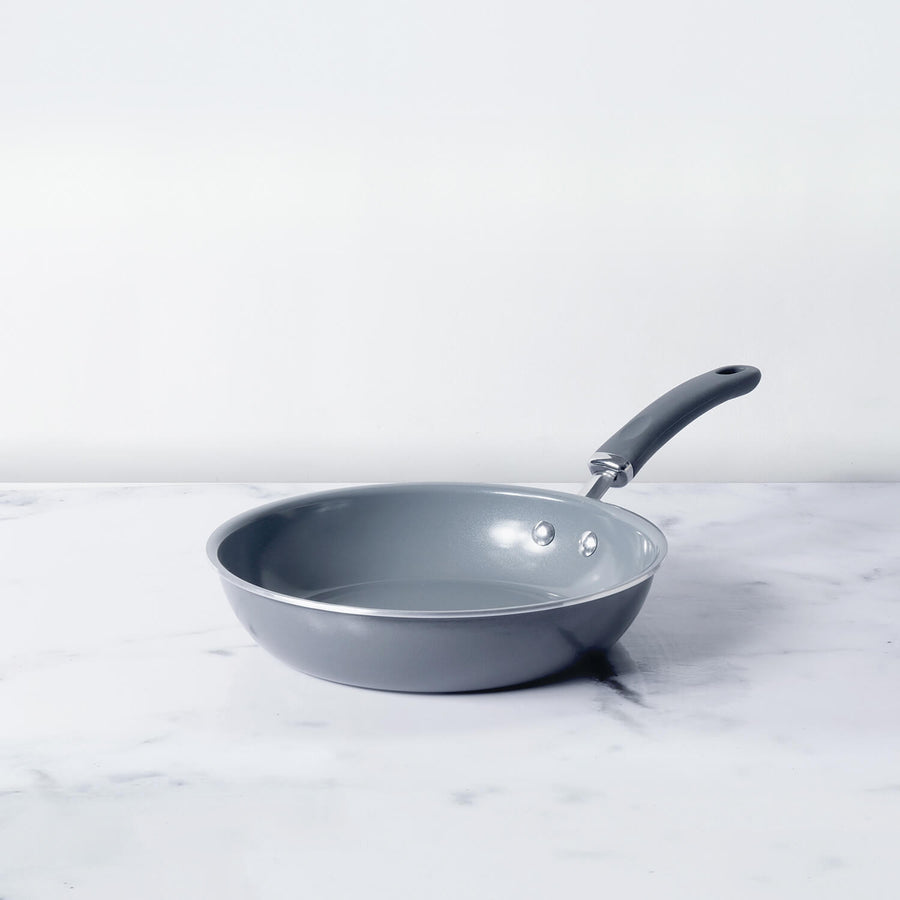


Leave a comment