



Rotis and parathas are not just staples of Indian meals; they are a daily ritual in most households. From early morning breakfasts to late-night dinners, these flatbreads are prepared repeatedly, often several times a day. Despite their simple ingredients, rotis and parathas demand precise heat, a stable cooking surface, and consistent performance from cookware. Even slight variations in temperature can affect puffing, browning, softness, and taste.
This is where cast iron stands apart. Long before modern non-stick pans entered
Indian kitchens, cast iron tawas were relied upon for everyday roti-making. Their ability to hold and distribute heat evenly made them ideal for cooking flatbreads that need quick surface cooking without drying out or burning. Today, as home cooks seek better texture, healthier cooking, and more dependable cookware, cast iron is once again being recognised as one of the most effective materials for making rotis and parathas the traditional way.
Modern pre-seasoned cast iron tawas bring this time-tested performance into contemporary kitchens, offering the same heat control and durability with greater ease of use. Whether you are cooking plain rotis, layered parathas, or stuffed varieties, cast iron provides the stable cooking environment these breads need to turn out soft, evenly cooked, and full of flavour every time.
Table of Contents
- 1. Steady Heat Is the Foundation of Good Rotis
- 2. Encourages Natural Puffing Without Force
- 3. Even Browning and Better Surface Texture
- 4. Supports Low-Oil Cooking Over Time
- 5. Maintains Softness and Prevents Drying
- 6. Built for Daily Roti and Paratha Making
- 7. Traditional Performance With Modern Practicality
- 8. Conclusion
Steady Heat Is the Foundation of Good Rotis
A roti needs consistent, even heat the moment it touches the tawa. Cast iron heats gradually, but once it reaches the right temperature, it holds that heat uniformly across the surface. This prevents sudden temperature drops when the dough is placed on the pan, which is a common issue with lightweight cookware.
Because the heat remains stable, the roti cooks evenly from edge to centre. There are fewer raw patches, fewer burnt spots, and better overall texture. This is especially important when cooking multiple rotis in succession, as cast iron does not lose heat between batches.

Encourages Natural Puffing Without Force
Proper roti puffing depends on internal steam formation. For this to happen, the surface temperature of the tawa must remain consistently hot even when a cool roti is added. Cast iron’s heat retention allows steam to build steadily inside the dough, causing the roti to puff naturally.
This reduces the need to press rotis aggressively or keep flipping them repeatedly. The result is a roti that is evenly cooked, soft inside, and light in texture.
Meyer Enamel Cast Iron Skillet 26cm, Grey
Even Browning and Better Surface Texture
Uneven browning is a common problem when using thin or unevenly heated pans. Cast iron distributes heat slowly and evenly, allowing rotis to develop uniform brown spots rather than dark burns or pale areas.
For parathas, this quality is even more important. Stuffed and layered parathas need controlled heat so that the filling cooks properly while the outer layers become crisp. Cast iron ensures that the paratha cooks through without scorching the surface.
Supports Low-Oil Cooking Over Time
A well-seasoned cast iron tawa develops a naturally smooth cooking surface. With regular use, rotis can be cooked with little to no oil, and parathas require only minimal ghee or oil to achieve crispness.
Unlike chemical non-stick coatings that degrade over time, cast iron improves with daily roti making. The seasoning strengthens, food release improves, and oil usage naturally reduces, making it suitable for everyday family meals.
Maintains Softness and Prevents Drying
Rotis cooked on cast iron cook quickly and evenly, preventing excessive moisture loss. This helps retain softness, especially when rotis are stacked or wrapped after cooking.
Parathas benefit from this balance as well. Cast iron allows the exterior to become crisp while the inside remains tender, preventing the hard or chewy texture that can result from uneven heat.
Built for Daily Roti and Paratha Making
Making rotis is not an occasional task—it is a daily routine in many homes. Cast iron is designed to handle this repetition. It does not warp, peel, or lose effectiveness with constant heating and cooling cycles. In fact, frequent use keeps the seasoning active and the surface in optimal condition.
This durability makes cast iron particularly reliable for households cooking rotis two or three times a day.
Traditional Performance With Modern Practicality
Modern pre-seasoned cast iron tawas, such as those from Meyer, combine traditional heat performance with improved surface finish and handling. They are ready to use, easier to maintain, and more comfortable to handle than older, rough iron pans.
This allows home cooks to enjoy traditional roti-making benefits without the steep learning curve often associated with cast iron.
Conclusion
Cast iron is useful for cooking rotis and parathas because it provides the exact conditions these breads need—steady heat, even cooking, natural puffing, and long-term reliability. It respects the traditional method of roti making while supporting healthier, low-oil cooking and consistent results.
For Indian kitchens where rotis and parathas are cooked daily, cast iron is not just suitable cookware; it is one of the most dependable and time-tested choices available.
MORE FROM BLOG
Top Collections
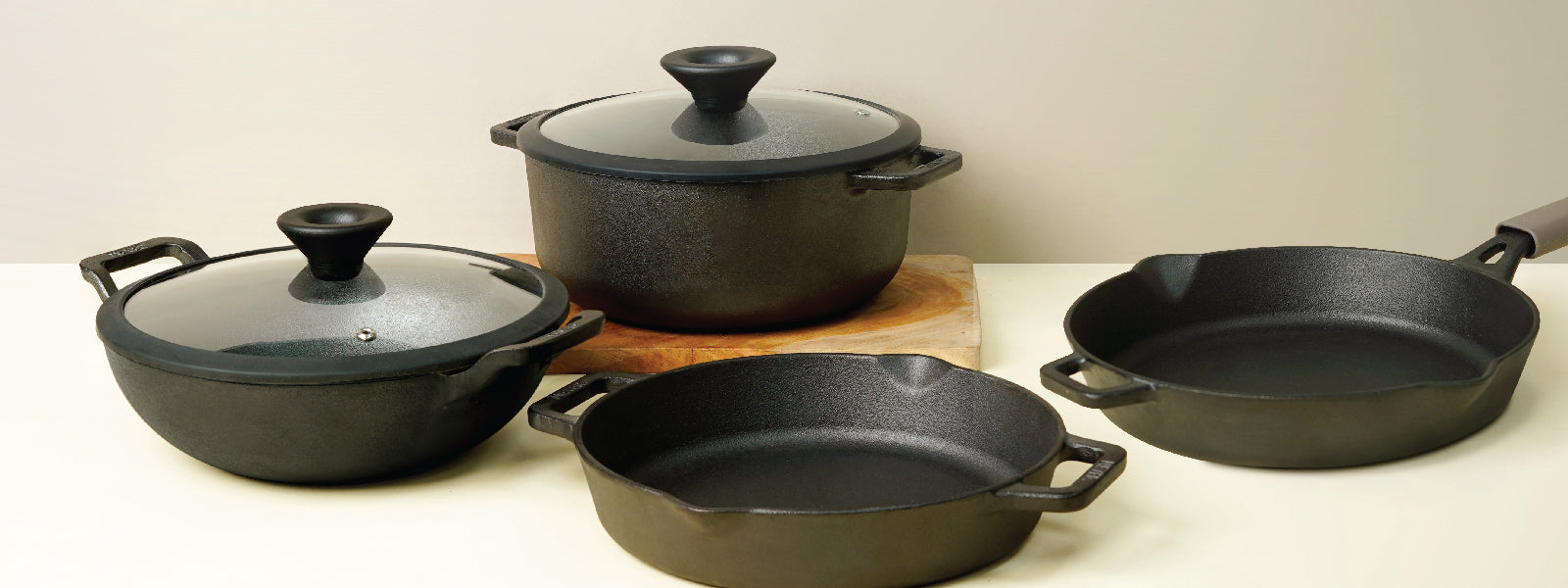
Benefits and Recipes for Cooking with a Cast Iron Kadai with Lid
2 Items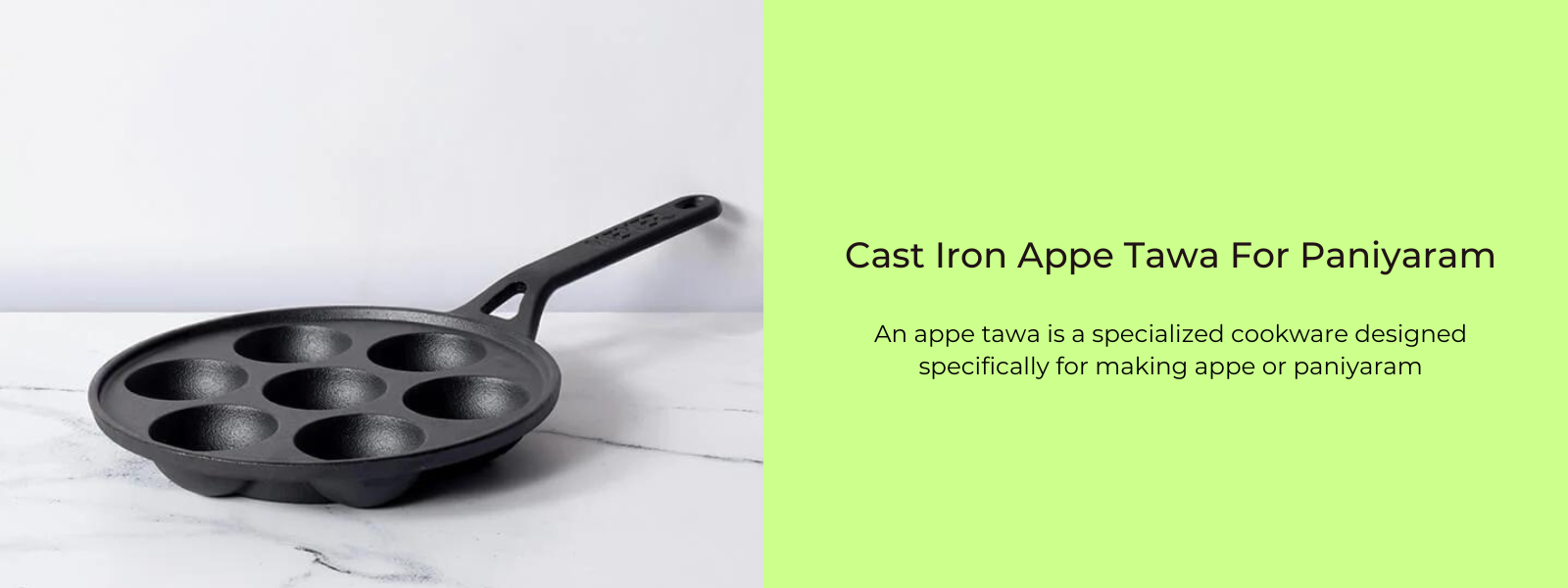
Best Cast Iron Appe Tawa For Paniyaram
2 Items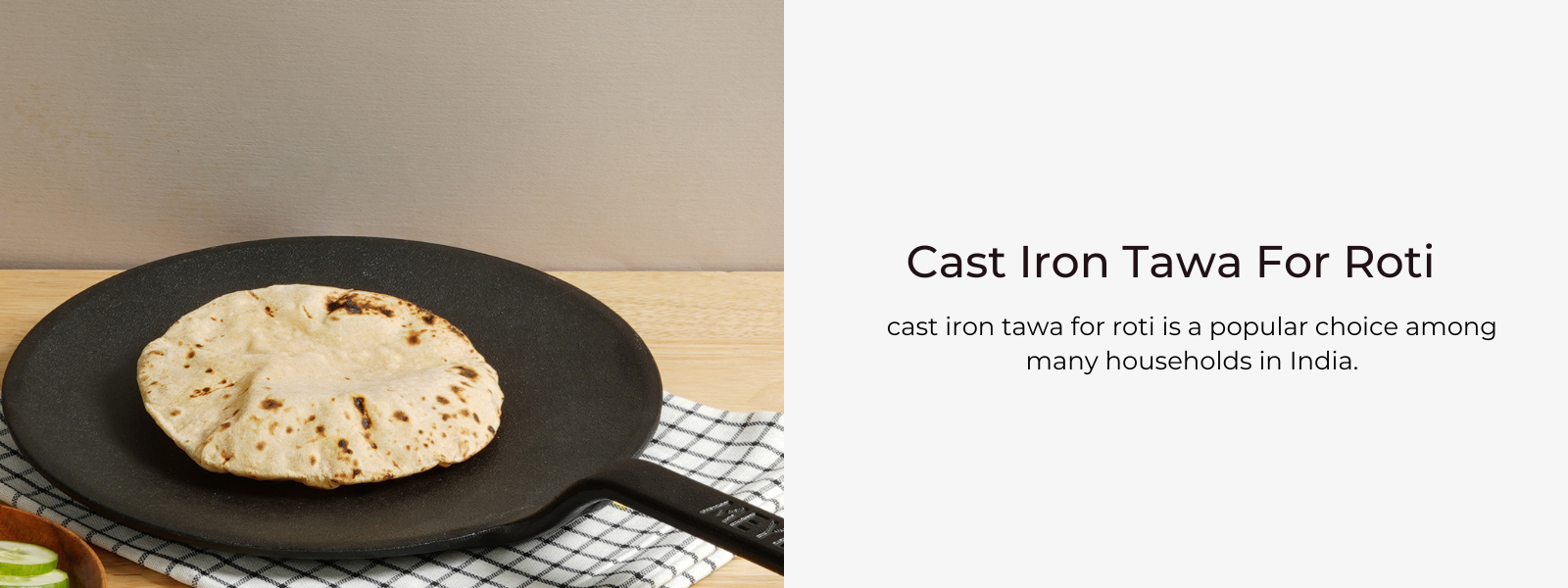
Best Cast Iron Tawa For Roti In India For Easy Cooking
2 Items
Can Cast Iron cookware surface become Non-stick?
2 Items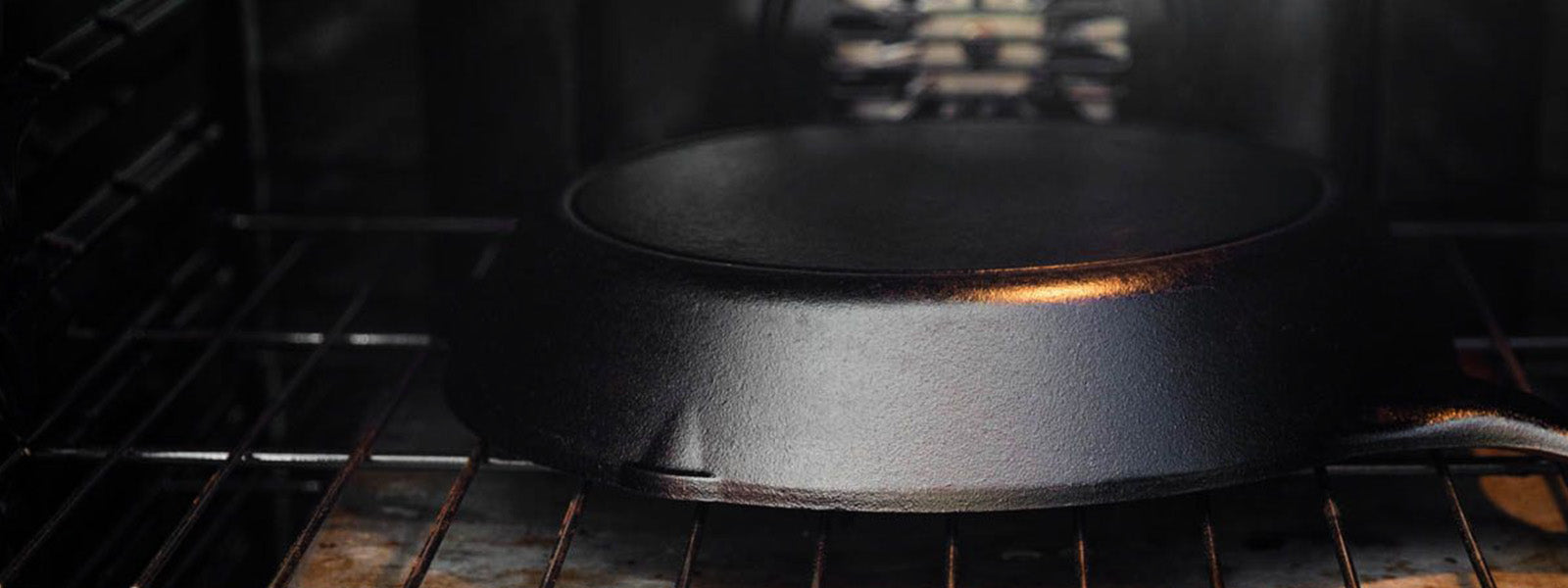
Can Cast Iron go from the fridge to the oven?
2 Items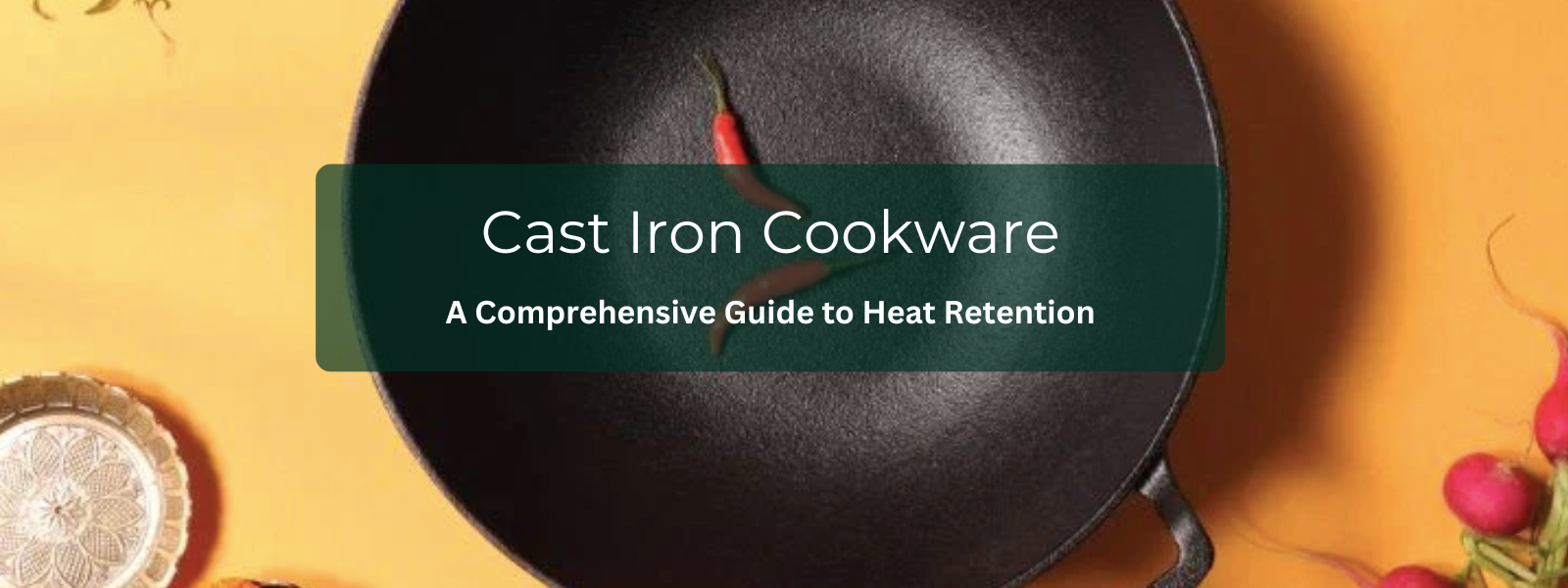
Cast Iron Cookware: A Comprehensive Guide to Heat Retention
2 Items


Leave a comment