



Setting up a complete cookware collection can feel overwhelming, especially when you are trying to stay within a budget. With countless options available—non-stick, stainless steel, cast iron, ceramic—it is easy to either overspend or end up with pieces that do not truly serve your cooking needs.
The good news is that building a well-rounded cookware set does not require a huge investment. What it requires is clarity, planning, and smart selection. When you focus on essentials, choose the right materials, and invest in versatile pieces, you can create a highly functional kitchen without unnecessary expense.

This guide walks you through how to build a complete cookware set under budget, step by step, while ensuring long-term value and performance. It also reflects how thoughtfully designed cookware from Meyer aligns with practical Indian cooking needs.
Why Most People Overspend on Cookware
Before building your set, it is important to understand where people go wrong.
Common reasons include:
-
Buying large cookware sets with unused items
-
Choosing low-cost products that need frequent replacement
-
Not understanding material suitability
-
Prioritizing appearance over performance
These mistakes often lead to repeated purchases, making the overall cost much higher over time. A budget-friendly kitchen is not built by spending less—it is built by spending wisely.
Step 1: Understand Your Daily Cooking Needs
Every kitchen is different. Your cookware should reflect how you cook.
Ask yourself:
-
How many people do you cook for?
-
What dishes do you make daily?
-
Do you cook on gas, induction, or both?
In most Indian households, daily cooking involves sabzi, dal, curries, tadka, and occasional frying. This means your cookware must handle high heat, oil-based cooking, and frequent stirring.
Understanding this helps you avoid buying cookware that looks good but does not perform well in real cooking conditions.
Step 2: Start with Core Essentials Only
You do not need a 10-piece cookware set to begin. Most of those pieces go unused.
A smart starter set includes three essential items:
1. A Medium Kadai (24–26 cm)
This is the backbone of Indian cooking. It can be used for sabzis, gravies, frying, and one-pot meals. A well-designed kadai offers the right depth and heat distribution needed for everyday cooking.
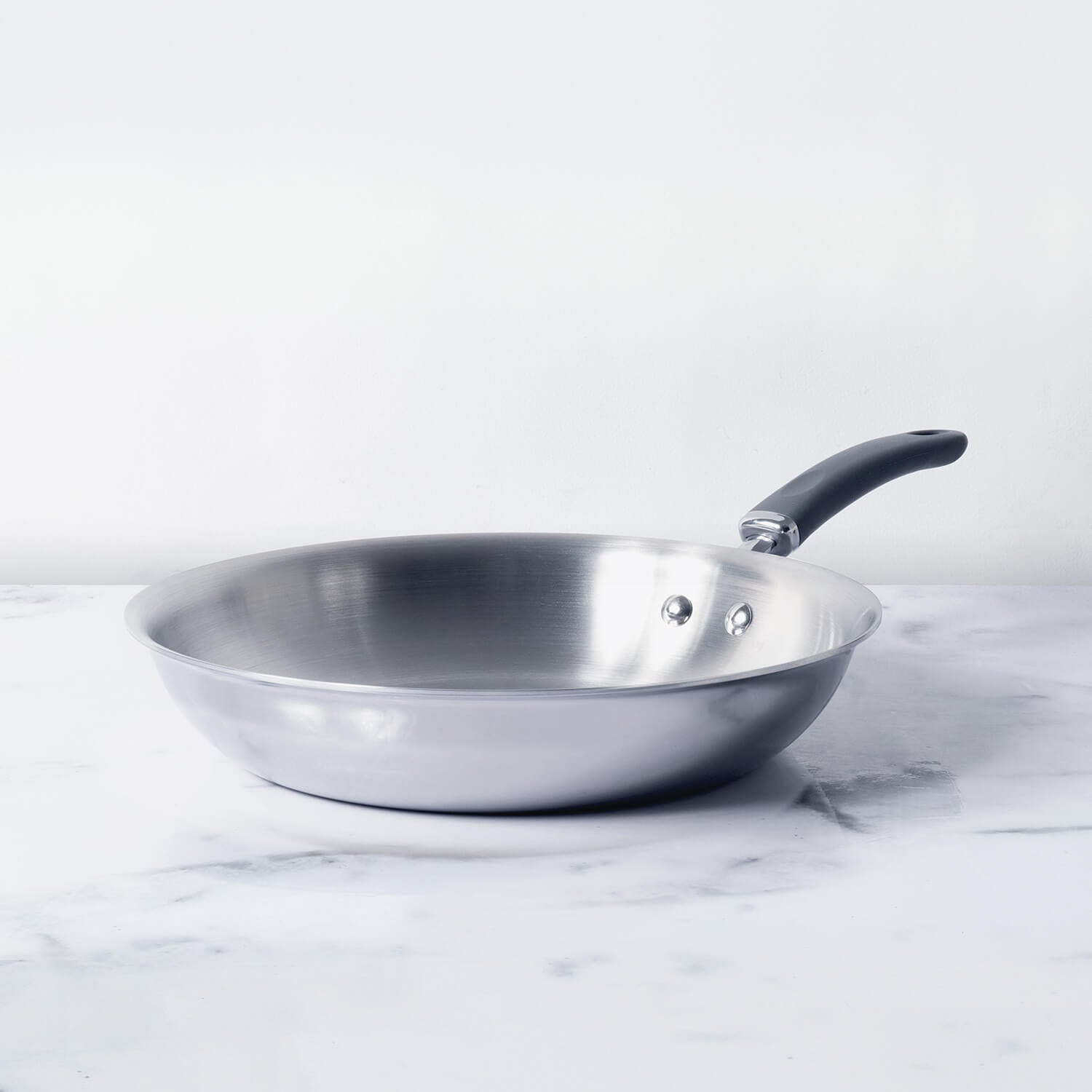
2. A Fry Pan (24 cm)
Perfect for eggs, dosas, pancakes, and quick stir-fries. This is your go-to for fast, low-oil cooking.
3. A Saucepan or Tope
Ideal for making dal, boiling milk, or preparing tea. This is a must-have for daily utility.
With just these three pieces, you can handle most everyday cooking comfortably.
Step 3: Choose the Right Material Mix
One of the smartest ways to stay within budget while maximizing performance is to combine materials.
Recommended mix:
-
Ceramic or non-stick cookware for convenience and low-oil cooking
-
Stainless steel cookware for durability and high-heat cooking
-
Cast iron for traditional, high-heat applications
This combination ensures that you are not dependent on a single type of cookware and can cook efficiently across different dishes.
Step 4: Set a Practical Budget Range
A well-balanced starter cookware set can be built within:
-
₹3000–₹5000 for good quality and durability
Instead of spending everything at once, allocate your budget across essential items. Invest slightly more in pieces you use daily, such as the kadai, and balance the rest accordingly.
Step 5: Avoid Ultra-Cheap Cookware
Very cheap cookware often comes with hidden costs.
It usually:
-
Has a thin base
-
Warps easily
-
Loses coating quickly
This leads to uneven cooking and frequent replacement. Spending slightly more on reliable cookware ensures better performance and long-term savings.
Step 6: Build Your Set in Phases
A smart kitchen is built over time.
Phase 1: Essentials
-
Kadai
-
Fry pan
-
Saucepan
Phase 2: Upgrade
-
Add a better-quality stainless steel piece
-
Upgrade frequently used cookware
Phase 3: Specialty additions
-
Tawa for rotis and dosas
-
Cast iron cookware for durability
This phased approach helps manage costs while improving quality over time.
Step 7: Focus on Versatility
Every piece you buy should serve multiple purposes.
For example:
-
A medium kadai can be used for frying, sautéing, and curries
-
A fry pan can handle both breakfast and quick meals
Versatile cookware reduces the need for excess items and keeps your kitchen efficient.
Step 8: Check Key Features Before Buying
Even within a budget, do not compromise on essential features.
Look for:
-
Thick base for even heat distribution
-
Strong, heat-resistant handles
-
Lid compatibility
-
Induction-friendly base if needed
These features directly impact usability and durability.
Step 9: Include One Long-Term Investment Piece
Even if you are on a budget, include at least one durable cookware item.
This could be:
-
A heavy-duty kadai
-
A stainless steel pan
-
A cast iron piece
This ensures you always have a reliable option in your kitchen that lasts for years.
Recommended Budget-Friendly Cookware Sets
If you prefer ready combinations instead of building from scratch, these thoughtfully designed sets offer both value and versatility:
-
Meyer Anzen Ceramic Coated Cookware 5-Piece Set – Frypan, Kadai with interchangeable lid, and sauteuse with lid. This set covers multiple cooking needs while saving space with shared lids.
-
Meyer Anzen Ceramic Coated Cookware 3-Piece Set – 20 cm frypan, 24 cm frypan, and 28 cm frypan. Ideal for those who want different pan sizes for varied cooking quantities and flexibility.
-
Meyer Pre-Seasoned Cast Iron 3-Piece Cookware Set – 28 cm flat dosa tawa, 20 cm frypan, and 26 cm curved roti tawa. Perfect for traditional Indian cooking, high-heat use, and long-term durability.
These sets are designed to balance functionality, durability, and cost-effectiveness, making them suitable for building a complete cookware setup under budget.
Step 10: Avoid Buying Full Sets Blindly
While sets can be useful, not all are practical.
Avoid:
-
Oversized bundles with unused items
-
Redundant cookware pieces
-
Compromised quality for quantity
Choose sets only if they align with your actual cooking needs.
What a Smart Budget Cookware Set Looks Like
A well-planned setup includes:
-
1 fry pan (24 cm)
-
1 kadai (24–26 cm)
-
1 saucepan
-
Optional: tawa or cast iron piece
This combination is practical, efficient, and suitable for most Indian households.
Maintenance: The Key to Long-Term Savings
Proper care ensures your cookware lasts longer.
Basic tips:
-
Avoid metal utensils on coated surfaces
-
Let cookware cool before washing
-
Use gentle cleaning methods
-
Store carefully to prevent scratches
Maintenance is what turns a budget purchase into a long-term investment.
Final Thoughts
Building a complete cookware set under budget is not about limiting your choices—it is about making informed ones.
When you focus on essentials, choose versatile materials, and build gradually, you create a kitchen that is efficient, practical, and cost-effective.
Cookware is used every day. Choosing wisely ensures better cooking results, less frustration, and long-term savings.
With the right approach, even a modest budget can help you build a high-performing kitchen setup that truly works for your lifestyle.
MORE FROM BLOG
Top Collections
Achieving Weight Loss Goals with Low-Oil Nonstick Cooking Techniques
2 Items
Benefits of using stainless steel cookware in India
2 Items
Best Cast Iron Cookware In India For Indian Food
2 Items
Best Griddle Pan For Attractive Grill Marks
2 Items


Leave a comment