



Choosing cookware for daily cooking isn’t one-size-fits-all — the size of your family, frequency of meals, and types of dishes you prepare all influence the ideal set. A two-person household has very different needs than a family of six. Picking the right cookware not only makes cooking easier but also saves time, energy, and storage space.
Here’s a practical, real-world guide to help you choose cookware for daily use, comparing options for 2 people and 6 people, with insights on capacity, material, and safety.
Table of Contents
- 1. Why Cookware Choice Depends on Family Size
- 2. Choosing Cookware for Daily Cooking for 2 People
- 3. Choosing Cookware for Daily Cooking for 6 People
- 4. Choosing Based on Cookware Material
- 5. Tri-Ply Stainless Steel
- 6. Hard-Anodised Cookware
- 7. Cookware Shape Matters Too
- 8. Practical Everyday Sets
- 9. Budget vs. Long-Term Value
- 10. Smart Maintenance Tips for Daily Use
- 11. Conclusion
Why Cookware Choice Depends on Family Size
Before we dive into specifics, let’s understand why cookware needs differ:
-
Meal volume: More people = larger portions.
-
Heat distribution: Larger cooks often need pans that heat evenly even with heavier loads.
-
Storage: Smaller families benefit from compact sets.
-
Efficiency: Cooking multiple dishes at once requires different shapes/sizes when feeding more mouths.
-
Ease of use & weight: Frequent use favors lighter pans for smaller families, while larger houses may accept slightly heavier cookware for big batch cooking.

Choosing Cookware for Daily Cooking for 2 People
1. Focus on Smaller Capacities
For two people, cookware with smaller capacities ensures:
-
Faster heating
-
Less fuel/water consumption
-
Quick cleanup
Ideal sizes include:
-
1–2.5 L saucepans
-
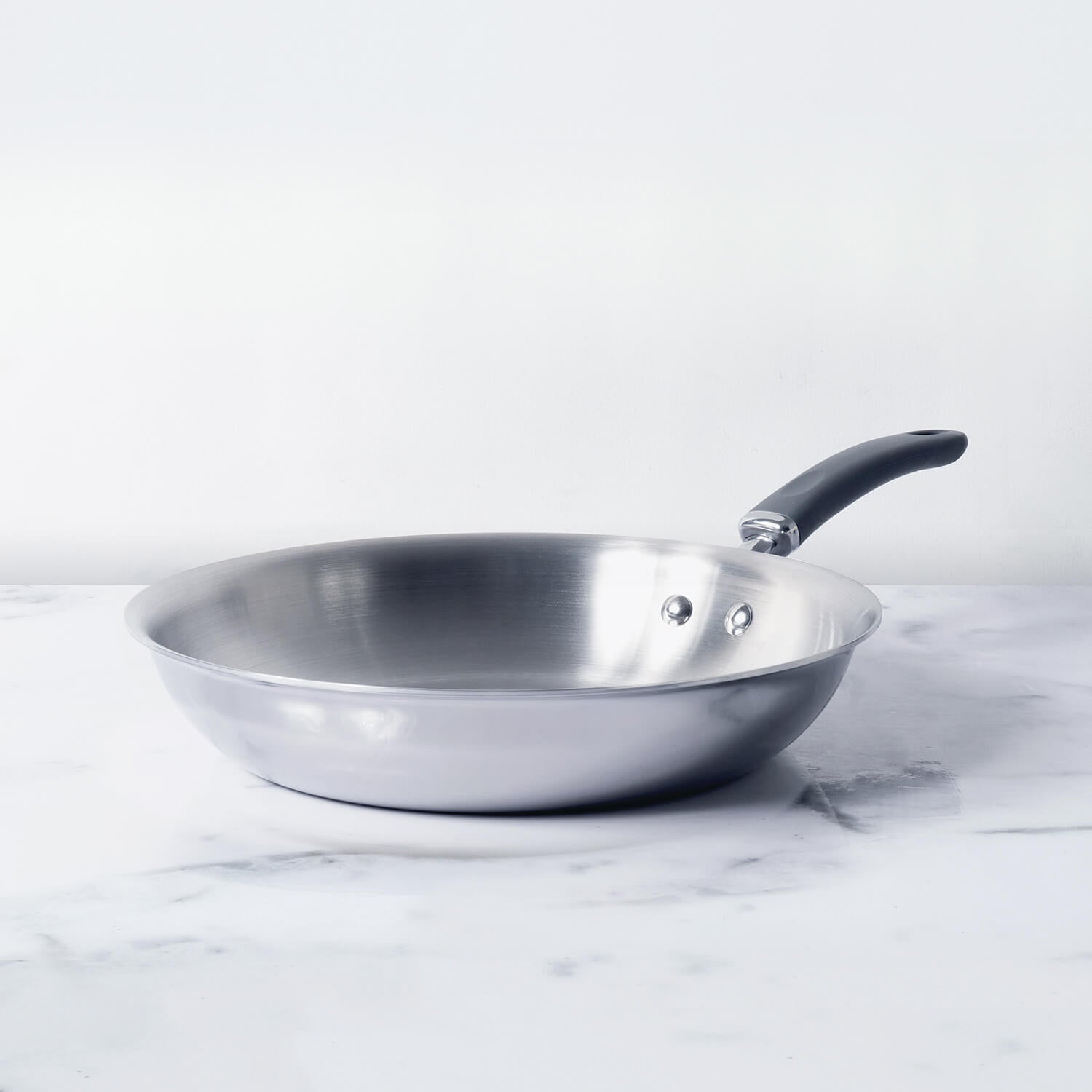
20–24 cm frypans
-
2–3 L kadai or sauté pan
-
Small stockpot (3–4 L) if you make soups/dal for 2–3 days
Smaller cookware reaches cooking temperature faster, reducing fuel usage — especially helpful for everyday meals.
2. Prioritize Lightweight and Easy-to-Handle Pieces
Frequent cooking should be comfortable.
Consider cookware that is:
-
Lightweight for easy lifting
-
Ergonomic handles for secure grip
-
Induction & gas compatible
-
Easy to clean (non-stick or stainless steel)
For daily use with small portions, lightweight non-stick or tri-ply stainless steel are great choices.
For example:
-
A 20 cm non-stick pan for omelettes, stir-fry, and sauté
-
A 2–2.5 L stainless steel saucepan for dal, rice, soups
-
A small stainless steel kadai for everyday sabzi
Choosing Cookware for Daily Cooking for 6 People
1. Go for Larger Capacities
Cooking for six means larger portions and bigger dishes. Choose:
-
3–5 L saucepans
-
26–30 cm frypans
-
4–6 L kadai or sauté pan
-
Large stockpot (6–8 L)
These sizes accommodate:
-
Big batches of dal
-
Large sabzis
-
Family meals
-
Weekend cooking
Larger cookware handles bigger quantities better and reduces the need for multiple batches.
2. Sturdier Construction & Even Heating
Cooking for more people requires cookware that:
-
Distributes heat evenly
-
Handles heavy portions
-
Maintains temperature stability
Materials like tri-ply stainless steel or hard-anodised aluminium are ideal because they:
-
Spread heat uniformly across large surfaces
-
Support heavy loads without warping
-
Reduce “hot spots” that burn food
Avoid ultra-light cookware for big meals — it may warp under heavy weight.
Choosing Based on Cookware Material
Let’s match materials to daily needs for different households:
Non-Stick (Best for 2 People)
Perfect for:
-
Quick daily cooking
-
Eggs, pancakes, sautéed veggies
-
Minimal oil usage
Pros:
-
Easy cleanup
-
Food slides off easily
-
Lightweight
-
Cons for large families:
-
May not perform as well with heavy batches
Great example: A 20 cm non-stick frypan covers most everyday needs for 2 people.
Tri-Ply Stainless Steel (Good for Both 2 and 6)
Ideal if you cook a variety of dishes frequently.
Pros:
-
Even heat distribution
-
Durable & non-reactive
-
Good for both small and large quantities
For 2 people: Choose mid-size skillets and saucepans.
For 6 people: Larger kadai/stockpots with wider bases.
Hard-Anodised Cookware (Best for 6 People)
Perfect for:
-
Big batches
-
Frequent family cooking
-
Dishes requiring strong heat
Pros:
-
Excellent heat conduction
-
Scratch resistance
-
Durable for heavy use
May feel slightly heavier than non-stick, but ideal for large meals.
Cookware Shape Matters Too
For 2 People:
-
Narrower saucepans are great for boiling dal and rice with minimal space.
-
Shallow frypans heat quickly with small quantities.
-
Medium-size kadai is just right for everyday sabzi.
For 6 People:
-
Deep kadais handle larger portions.
-
Wide frypans allow you to stir multiple items at once.
-
Large stockpots are ideal for soups, stews, or one-pot meals.
Practical Everyday Sets — Suggested Lineups
For 2 People
-
1 × 20 cm non-stick frypan
-
1 × 2.5 L stainless steel saucepan
-
1 × medium stainless steel kadai
This covers eggs, stir-fry, dal, rice, and sabzi.
For 6 People
-
1 × 28–30 cm hard-anodised wok/kadai
-
1 × 5 L stainless steel saucepan
-
1 × 6–8 L stockpot
This setup tackles big meals without multiple batches.
Budget vs. Long-Term Value
For small families:
-
Prioritise cookware that’s easy to clean and lightweight.
-
Value ease of use over multiple extras.
For bigger families:
-
Invest in durable, heavy-duty cookware that can stand up to frequent use.
-
Choose cookware that can multi-task (e.g., sauté, boil, deep fry).
Smart Maintenance Tips for Daily Use
Regardless of family size:
-
Always use proper heat for the cookware type.
-
Avoid sharp utensils on non-stick surfaces.
-
Dry stainless steel immediately to prevent spots.
-
Season cast iron occasionally if used.
-
Use trivets and protect your countertop.
Good maintenance means better performance and longer life — especially with frequent daily cooking.
Conclusion
Choosing the right cookware for daily cooking depends on household size and cooking habits. For a couple, smaller, lightweight pieces offer quick heat-up times and easy handling. For larger families, bigger capacity cookware with strong heat distribution makes everyday meals efficient and consistent.
Whether you’re cooking for two or six, prioritising size, material quality, handle design, and durability ensures your cookware supports your kitchen rhythm — making daily cooking safer, easier, and more enjoyable.
MORE FROM BLOG
Top Collections
Great Indian Festival: Best Utensils For Diwali
2 Items
Can Ceramic Cookware Handle Everyday Indian Meals?
2 Items
Can Stainless Steel Cookware Last for Decades?
2 Items
Cast Iron Cookware: Why It’s Perfect for Outdoor Cooking
2 Items
How to clean turmeric and curry stains from ceramic cookware safely?
2 Items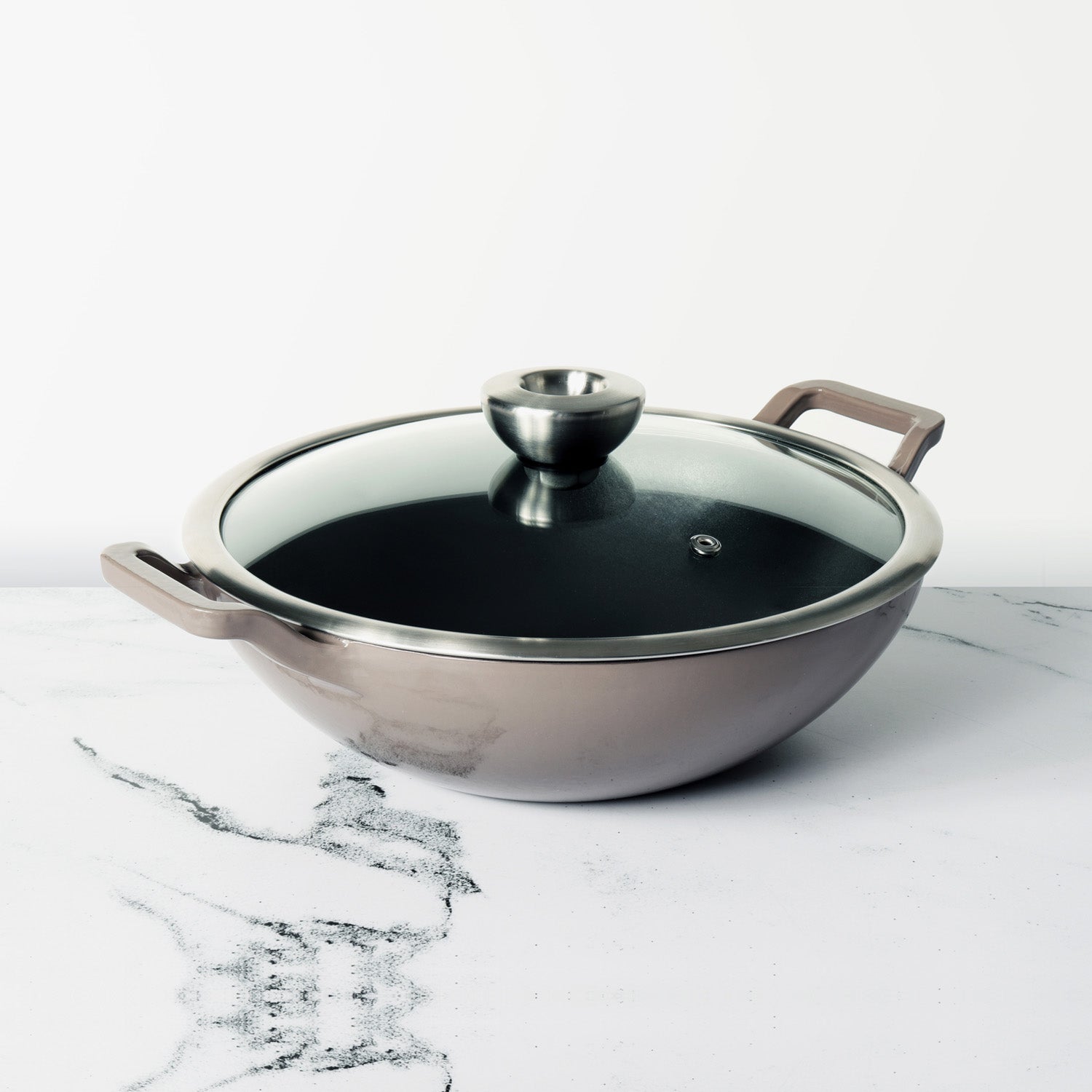


Leave a comment