



In many Indian homes, cookware is not just a kitchen tool — it is an investment that often spans generations. Among all materials, stainless steel cookware has proven time and again that it can last for decades, even with daily, heavy Indian cooking. From pressure cooking dals to simmering gravies, tempering spices, and reheating food multiple times a day, stainless steel continues to perform reliably year after year.
But what exactly gives stainless steel this exceptional longevity? And how do modern ranges like Meyer Trivantage enhance this durability even further? Let’s explore in detail.
Table of Contents
- 1. Why Stainless Steel Is Naturally Long-Lasting
- 2. No Coatings Means No Wear-and-Tear Limits
- 3. Handles High Heat Without Damage
- 4. Built for Heavy Utensil Use
- 5. Non-Reactive for Long-Term Food Safety
- 6. Multi-Layer Construction Extends Lifespan Further
- 7. Pressure Cookers That Last Generations
- 8. Easy to Restore, Not Replace
- 9. Timeless Design That Doesn’t Age
- 10. Proven Across Generations
- 11. How to Ensure Stainless Steel Cookware Truly Lasts Decades
- 12. Conclusion
Why Stainless Steel Is Naturally Long-Lasting
Stainless steel is an alloy primarily made from iron, chromium, and other strengthening elements. This composition gives it three core advantages that directly impact its lifespan:
-
High structural strength
-
Resistance to corrosion and rust
-
Stability under extreme heat
These qualities are particularly important in Indian kitchens, where cookware is exposed to high flames, long cooking durations, acidic ingredients, and frequent washing.

No Coatings Means No Wear-and-Tear Limits
One of the biggest reasons stainless steel cookware lasts for decades is simple: it has no synthetic coating.
Unlike non-stick or ceramic cookware, stainless steel:
-
Does not peel, flake, or chip
-
Does not degrade due to overheating
-
Does not lose performance as the surface ages
Even after years of use, stainless steel cookware continues to function exactly as intended. Minor scratches or stains are cosmetic and do not affect safety or cooking quality.
Meyer Select Stainless Steel Kadai 24cm
Handles High Heat Without Damage
Indian cooking often demands:
-
High-flame tadka
-
Bhuna masalas cooked on strong heat
-
Repeated reheating
-
Long simmering of curries and dals
Stainless steel handles these conditions effortlessly. It does not warp easily, crack under thermal stress, or release harmful fumes when overheated. This heat resilience is one of the strongest contributors to its long lifespan.
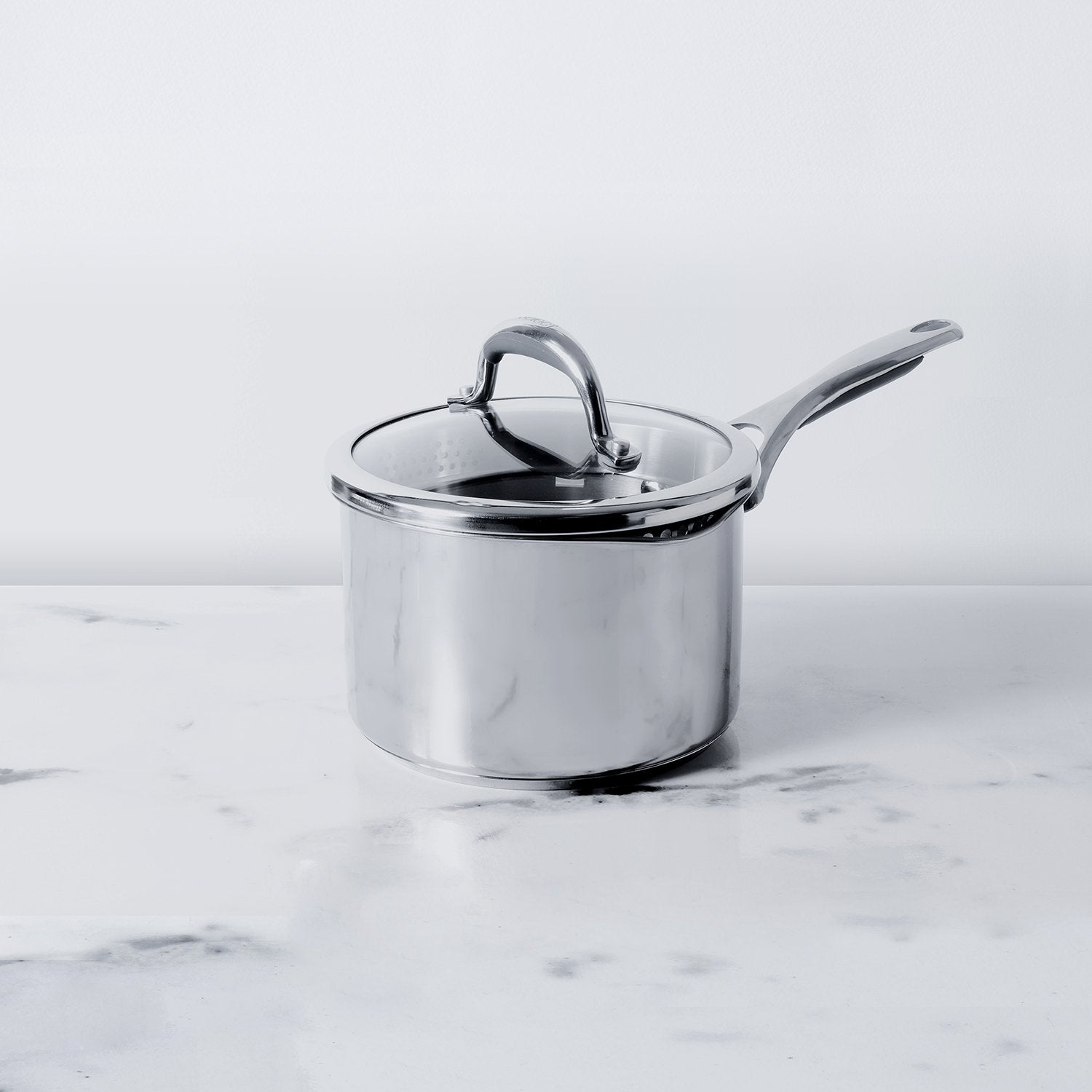
Cookware ranges like Meyer Trivantage, with advanced multi-layer stainless steel construction, are engineered to distribute heat evenly and reduce hotspots — further minimising stress on the metal over time.
Built for Heavy Utensil Use
Metal ladles, spatulas, and whisks are a staple in Indian kitchens. Stainless steel cookware:
- Is safe to use with metal utensils
- Does not crack or chip from impact
- Maintains structural integrity despite rough use
This makes it especially suitable for families that cook frequently or in large quantities.
Non-Reactive for Long-Term Food Safety
A key reason stainless steel remains safe even after decades is its non-reactive nature. It does not react with:
- Tomatoes and tamarind
- Yogurt and dairy-based gravies
- Vinegar or spice-heavy masalas
This ensures that food taste, nutrition, and safety remain uncompromised over long-term use — a major reason professional kitchens and Indian households trust stainless steel for daily cooking.
Multi-Layer Construction Extends Lifespan Further
Modern stainless steel cookware has evolved significantly. Advanced constructions like tri-ply or multi-layer designs sandwich an aluminium core between stainless steel layers. This results in:
-
Faster and more even heating
-
Reduced chances of food burning
-
Less thermal stress on the cookware
Meyer Trivantage is a strong example of this engineering. Its layered construction enhances durability while improving cooking efficiency, making it suitable for everyday Indian meals as well as long, slow cooking.
Pressure Cookers That Last Generations
Pressure cookers are among the most heavily used cookware items in Indian homes. Stainless steel pressure cookers are known to last decades because they:
- Withstand repeated pressure cycles
- Handle high temperatures safely
- Retain structural strength over time
The Meyer Presta Tri-Ply Stainless Steel Pressure Cooker is designed with this long-term usage in mind, offering durability, safety, and consistent performance even with daily pressure cooking.
Easy to Restore, Not Replace
One underrated reason stainless steel lasts so long is its forgiveness. Over time, cookware may develop:
-
Burn marks
-
Oil stains
-
Water spots
However, these can usually be removed with simple cleaning methods, restoring both appearance and performance. Unlike coated cookware, stainless steel rarely needs replacement due to surface wear.
Timeless Design That Doesn’t Age
Stainless steel cookware doesn’t rely on trends, colours, or finishes that go out of fashion. Its:
-
Clean, professional look
-
Neutral aesthetic
-
Functional design
ensure that it remains relevant and usable even after decades — both practically and visually.
Proven Across Generations
Many Indian households still use stainless steel cookware passed down from parents or grandparents. This real-world evidence reinforces one fact: stainless steel is not a short-term purchase — it is a lifetime companion.
Modern ranges such as Meyer Trivantage, Meyer Presta, Meyer Select, and Meyer Centennial continue this legacy by combining traditional durability with modern engineering and design.
How to Ensure Stainless Steel Cookware Truly Lasts Decades
To maximise lifespan:
- Avoid overheating empty cookware
- Preheat gradually
- Clean thoroughly after cooking
- Store carefully to prevent dents
With basic care, stainless steel cookware easily lasts for decades of daily Indian cooking.
Conclusion
Yes — stainless steel cookware can absolutely last for decades, and Indian kitchens have proven this time and again. Its unmatched strength, heat resistance, non-reactive surface, and coating-free construction make it one of the most durable and reliable cookware materials available. With thoughtfully engineered ranges like Meyer Trivantage, stainless steel continues to evolve while preserving the qualities that have made it a generational favourite.
MORE FROM BLOG
Top Collections
Can I use stainless steel cookware in an electric oven?
2 Items
Cast Iron vs. Stainless Steel Cookware (What's the Difference?)
2 Items
Cast Iron Vs Stainless Steel Cookware: Which one should you pick?
2 Items
Best Stainless Steel Cookware in India - A Celebrity Chef's Favourites
2 Items
Top 5 Stainless Steel Cookware To Buy On Dhanteras
2 Items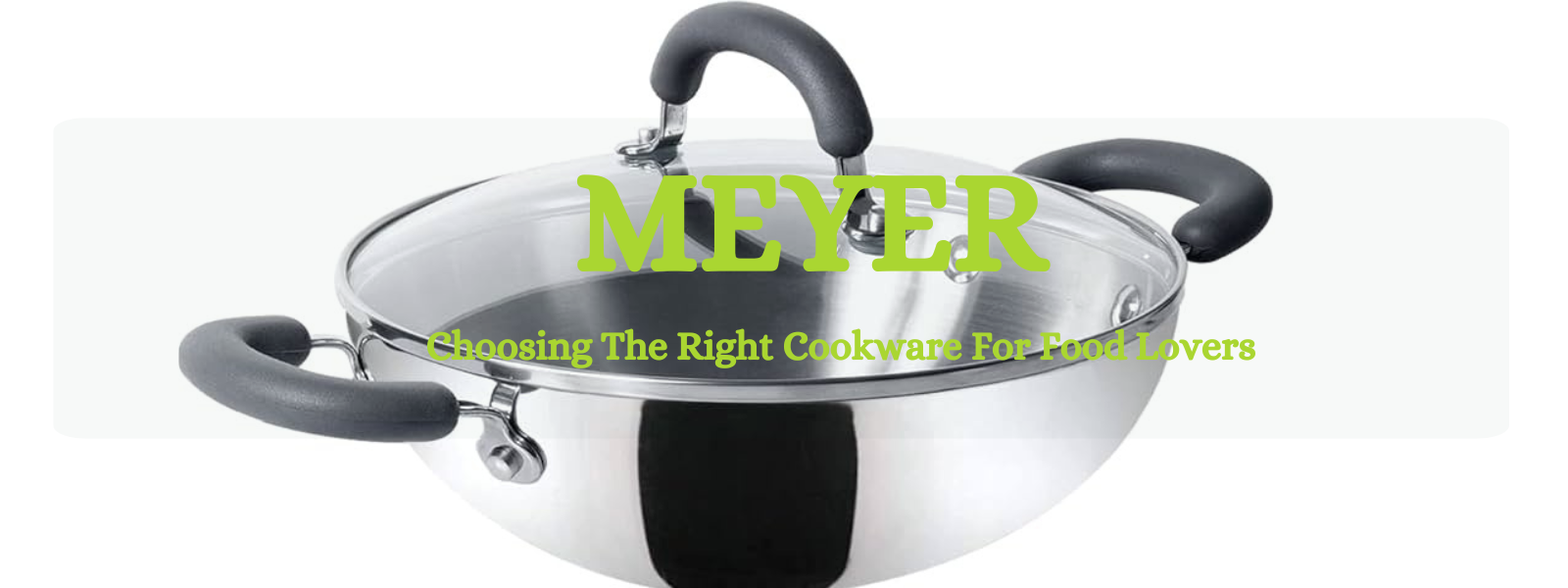
How to Transition from Non-Stick to Stainless Steel Cookware in 2025
2 Items


Leave a comment