



Induction cooking has become a preferred choice in modern Indian homes due to its speed, energy efficiency, and safety. However, to get the best performance, it is essential to choose the right induction-compatible cookware. Not every utensil works on an induction cooktop, and selecting the wrong one can lead to inefficient cooking or no heating at all.

This guide explains how to choose the right cookware for induction cooking, while also recommending practical, high-performing options suited for Indian kitchens.
Table of Contents
How Induction Cooking Works
Induction cooktops use electromagnetic energy to directly heat the cookware instead of the surface. This means the utensil itself becomes the source of heat.
For this process to work, the cookware must have a magnetic base. Without it, the cooktop will not detect or heat the vessel.
Check for a Magnetic Base
The most important factor in induction cookware is magnetic compatibility.
A simple way to test this is by placing a magnet on the base. If it sticks firmly, the cookware is suitable for induction.
Materials that generally work:
-
Magnetic stainless steel
-
Cast iron
Materials that do not work unless specially designed:
-
Aluminium
-
Copper
-
Glass
Cookware like Meyer Select Stainless Steel Cookware is designed with a magnetic base, making it reliable for induction cooking.
Choose a Flat and Thick Bottom
Induction cooktops require full contact with the cookware base.
A flat bottom ensures even heat transfer, while a thick base prevents warping and promotes uniform cooking. Thin or uneven cookware can lead to inconsistent results and reduced efficiency.
Select the Right Material
Choosing the right material ensures better cooking performance and durability.
Stainless Steel
Stainless steel cookware is ideal for Indian cooking. It is durable, non-reactive, and works well for daily use, especially for curries, sabzis, and deep frying.
Non-Stick and Ceramic
These are suitable for low-oil cooking and quick dishes like eggs, dosas, and pancakes. Ensure the cookware has an induction-compatible base.
Cast Iron
Excellent for heat retention and high-heat cooking, but heavier and requires maintenance.
Look for Induction Compatibility Labels
Most cookware today clearly indicates whether it is induction-compatible. Look for labels such as:
-
Induction base
-
Compatible with induction
-
Suitable for all cooktops
Even with labels, a quick magnet test adds extra assurance.
Match Cookware with Your Cooking Needs
Different cooking styles require different cookware. Choosing the right type improves both efficiency and results.
For Deep Frying and Indian Cooking
Meyer Kitchen Hacks Stainless Steel 3 Piece Open Kadai/Wok Set
This set is ideal for everyday Indian cooking, including sabzis, frying, and gravies. The stainless steel construction ensures durability and compatibility with induction.
For Daily Versatile Use
Meyer Select Stainless Steel Kadai
A reliable choice for regular cooking needs. It offers strength, safety, and consistent heating, making it suitable for a wide range of Indian dishes.
For Quick and Low-Oil Cooking
Meyer Non Stick Omelette Pan / Tamagoyaki Egg Pan
Perfect for making omelettes, pancakes, and quick breakfasts. The non-stick surface allows for minimal oil usage and easy cleaning.
Ensure Multi-Cooktop Compatibility
Good cookware should work across different heat sources such as induction, gas, and electric. This ensures long-term usability even if your cooking setup changes.
Choose the Right Size
Induction cooktops heat only the area in contact with the cookware.
-
A very small base may not activate the cooktop
-
A very large base may heat unevenly
Always select cookware that matches the size of your induction zone for optimal results.
Common Mistakes to Avoid
-
Buying cookware without checking magnetic compatibility
-
Choosing thin or uneven-bottom utensils
-
Assuming all stainless steel cookware works on induction
-
Ignoring cookware size
-
Prioritizing low price over quality
Final Thoughts
Choosing induction-compatible cookware is about understanding how induction works and selecting cookware that supports efficient heat transfer, durability, and safety.
A good cookware set should have a magnetic base, a flat and thick bottom, and materials suited for your cooking style.
In Indian kitchens, where cooking involves a variety of techniques and heat levels, investing in the right cookware can significantly improve cooking results and overall efficiency.
The right cookware not only works on induction but enhances the entire cooking experience.
MORE FROM BLOG
Top Collections

Induction Base Dosa Tawa For Effective Cooking
2 Items
Induction Griddle Pan For Comfort And Convenience
2 Items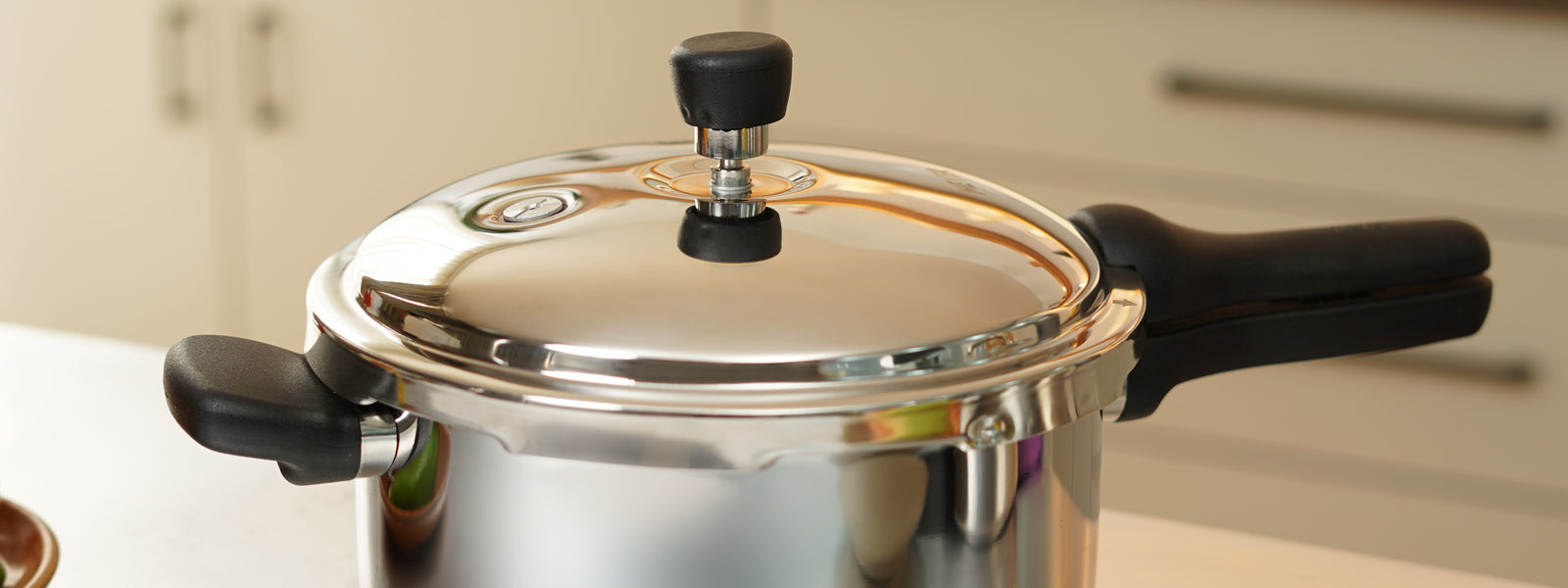
Induction Pressure Cookers: What You Need to Know
2 Items
Non Stick Induction Tawa: Important Facts, Uses And Benefits
2 Items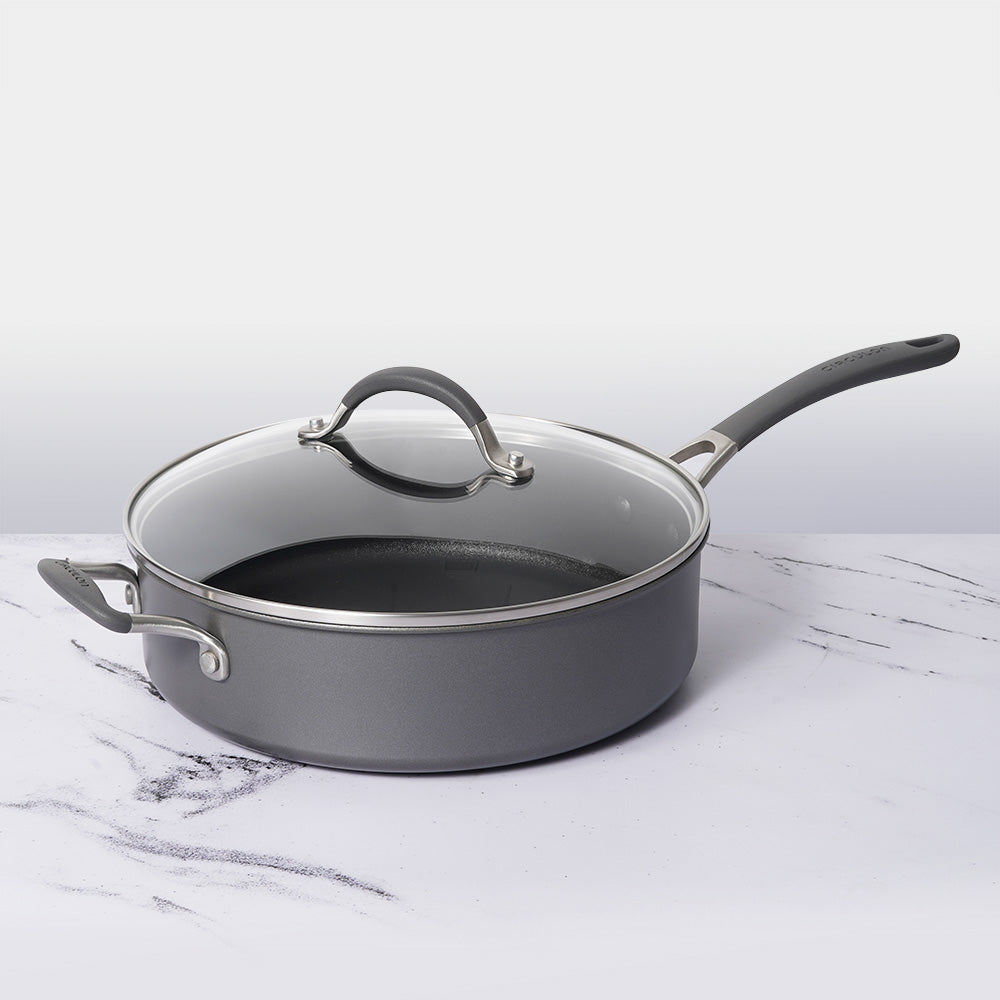


Leave a comment