



Indian gravies and curries rely on technique, timing, and controlled heat. From everyday tomato-onion masala to slow-simmered dals and dum-style preparations, the depth of your pan plays a critical role in flavor development, texture, and cooking efficiency. Pan depth affects how ingredients brown, how liquids evaporate, how comfortably you can stir, and how safely the dish simmers without spilling.
Selecting the correct pan depth is not just about fitting ingredients into the vessel. It determines whether onions caramelize properly, whether spices roast instead of steam, and whether the gravy thickens evenly. Understanding this balance helps you cook cleaner, more consistent, and better-tasting Indian meals.
Table of Contents
- 1. Why Pan Depth Matters in Indian Cooking
- 2. Ideal Pan Depth for Light Everyday Gravies
- 3. Choosing Depth for Medium-Consistency Curries
- 4. Deep Cookware for Slow-Simmered and Dum Dishes
- 5. The Relationship Between Width and Depth
- 6. Adjusting Pan Depth Based on Serving Size
- 7. Managing Splatter and Safety
- 8. Evaporation Control and Gravy Consistency
- 9. The Role of Depth in Pressure Cooking
- 10. Material and Depth
- 11. Final Thoughts
Why Pan Depth Matters in Indian Cooking
Most Indian gravies follow a structured cooking process. Oil or ghee is heated first, whole spices are tempered, onions are sautéed, ginger-garlic paste is added, tomatoes and powdered spices are roasted, and finally liquids are introduced for simmering. Each stage requires space for stirring and proper heat circulation.
If the pan is too shallow, ingredients splatter and may overflow once liquids are added. If the pan is too deep and narrow, steam gets trapped, preventing onions and masala from browning correctly. The right depth ensures that flavors develop fully before the gravy begins to simmer.
Proper depth also improves evaporation control. Since Indian gravies depend heavily on reducing moisture to achieve ideal consistency, the shape and height of the pan influence the final result significantly.

Ideal Pan Depth for Light Everyday Gravies
Light gravies and semi-dry sabzis such as aloo matar, bhindi masala, lauki chana dal, and simple tomato-based curries require moderate depth. A pan depth of approximately six to eight centimeters works well for these dishes.
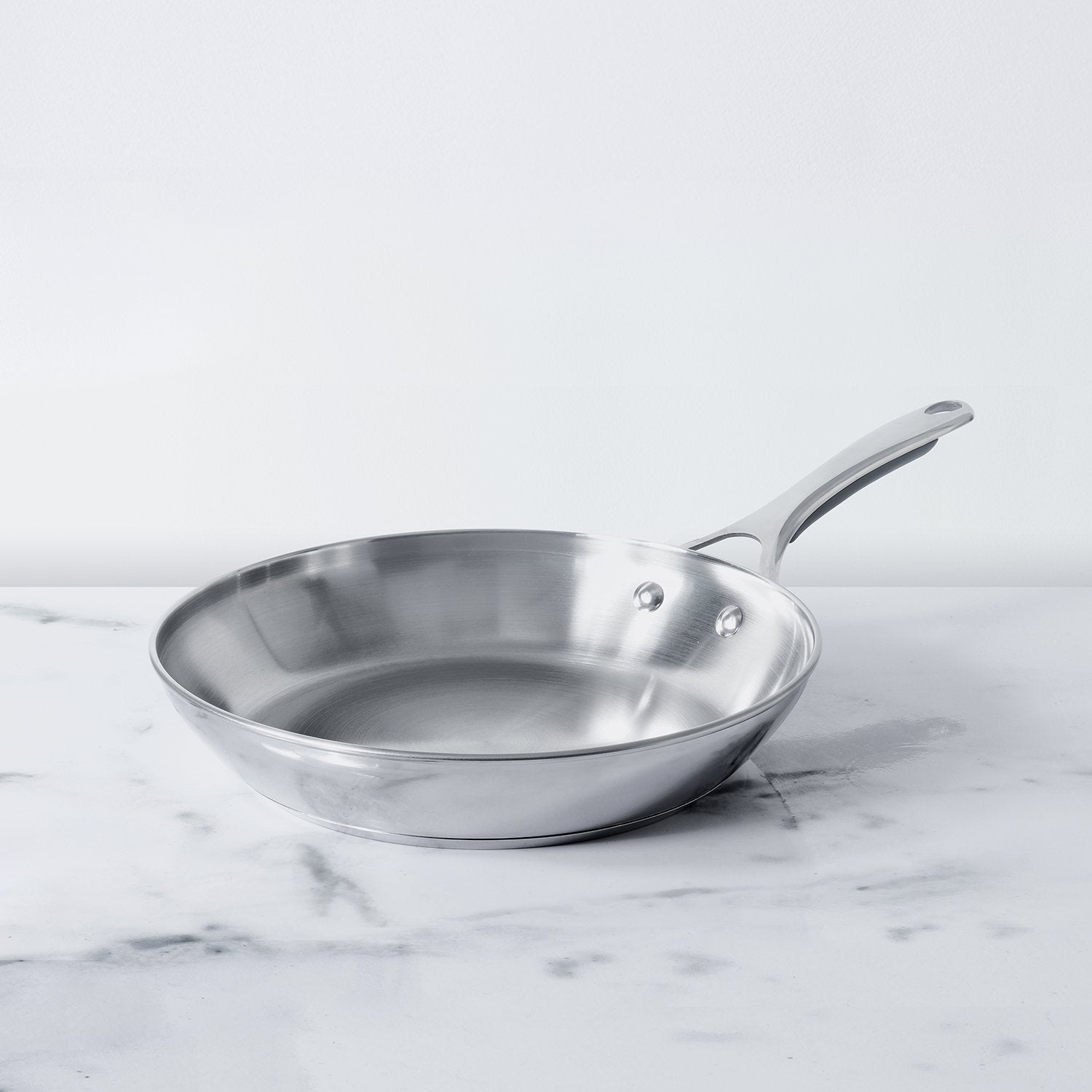
This depth allows onions and spices to roast evenly while providing enough room for stirring without spilling. A wide base combined with gently sloped sides encourages better caramelization and prevents steaming. Cookware like the Meyer Select Stainless Steel Sauteuse 28cm offers a practical balance between width and moderate depth, making it suitable for daily Indian cooking. Its shape supports even browning while accommodating enough liquid for simmering.
Choosing Depth for Medium-Consistency Curries
Dishes such as paneer butter masala, rajma, chole, and mixed vegetable curry require slightly deeper cookware. A depth between eight and ten centimeters is generally ideal.
These gravies involve higher liquid content and longer simmering times. Legumes and paneer increase volume, and as the curry boils, bubbling intensifies. A moderately deep pan prevents overflow and allows comfortable stirring. At the same time, a wide cooking surface ensures that the masala base roasts properly before liquids are added.
Balancing depth with surface area is especially important at this stage, as proper browning sets the foundation for rich flavor.
Deep Cookware for Slow-Simmered and Dum Dishes
Certain Indian recipes demand extended cooking times and steady heat. Dal makhani, biryani, sambar, coconut-based curries, and khichdi benefit from deeper vessels with a depth of ten to twelve centimeters or more.
Greater depth reduces rapid evaporation and supports gentle simmering over a longer period. Heavy cookware such as the Meyer Pre-Seasoned Cast Iron Dutch Oven/Sauteuse With Glass Lid is particularly effective for these preparations. Its heat retention ensures even cooking throughout, while its generous depth accommodates slow bubbling without spillage.
For dum cooking, adequate vertical space allows steam to circulate evenly, enhancing texture and flavor infusion.
The Relationship Between Width and Depth
While depth is essential, it must be considered alongside width. A deep but narrow pot can trap steam, preventing onions and spices from caramelizing. Indian gravies depend heavily on proper roasting during the early stages. Excess steam leads to pale masala and underdeveloped flavor.
Conversely, a wide and moderately deep pan allows moisture to escape gradually while still containing splatter. This balance encourages efficient browning and controlled reduction.
When selecting cookware for Indian gravies, prioritize a wide base with proportionate depth rather than extreme height.
Adjusting Pan Depth Based on Serving Size
Household size significantly influences cookware requirements. For one or two people, a smaller pan with moderate depth is usually sufficient. For families of three to four members, a 24 to 26 centimeter pan with eight to ten centimeters of depth provides adequate cooking space.
Batch cooking or preparing meals for the week requires deeper cookware to prevent overcrowding and uneven heating. Attempting to cook large volumes in shallow pans often results in inconsistent texture and messy stovetops.
Planning according to portion size ensures both safety and efficiency.
Managing Splatter and Safety
Indian gravies often splatter during sautéing due to tomato pulp, ginger-garlic paste, and spice powders reacting with hot oil. Adequate pan depth minimizes oil splashes and keeps the cooking area cleaner.
Lidded cookware adds further protection during simmering. A deeper kadai such as the Circulon Origins 30cm Non-Stick + Hard Anodized Kadai/Wok With Lid provides sufficient vertical space while offering the convenience of a lid to control evaporation and splatter.
Proper depth improves kitchen safety and reduces post-cooking cleanup time.
Evaporation Control and Gravy Consistency
Depth directly impacts evaporation rate. Shallow pans encourage quicker reduction, which may be helpful when thickening a sauce rapidly. However, this can also increase the risk of sticking or burning if not monitored carefully.
Deeper pans allow slower evaporation and more controlled simmering. This is especially beneficial for dishes that require gradual flavor development. Understanding how depth affects moisture retention helps you achieve desired gravy consistency without compromising taste.
The Role of Depth in Pressure Cooking
Legume-based dishes such as rajma and chole require sufficient vertical space during pressure cooking. Foam formation and boiling expansion demand adequate depth for safe operation.
A cooker like the MEYER Presta 5.5L Pressure Cooker offers appropriate capacity for cooking legumes efficiently. Once pressure cooking is complete, transferring the contents to a moderately deep sauteuse for finishing ensures better texture control and flavor concentration.
Material and Depth: A Combined Decision
Material choice enhances the benefits of proper depth. Stainless steel offers durability and balanced heating for daily gravies. Cast iron excels in deep vessels used for slow cooking due to superior heat retention. Hard anodized cookware provides strength while remaining lighter and easier to handle.
Selecting cookware that combines suitable material with appropriate depth creates a more consistent cooking experience across various Indian dishes.
Final Thoughts
Choosing the right pan depth for Indian gravies and curries improves flavor development, consistency, and cooking comfort. Moderate depth supports everyday cooking, deeper vessels accommodate slow-simmered dishes, and balanced width ensures proper masala roasting.
A well-equipped kitchen typically includes a stainless steel sauteuse for regular gravies, a deep cast iron Dutch oven for slow cooking, a generously sized kadai for versatile curries, and a reliable pressure cooker for legumes. With thoughtfully selected pan depth, Indian gravies cook evenly, flavors intensify naturally, and the overall cooking process becomes cleaner and more controlled.
MORE FROM BLOG
Top Collections
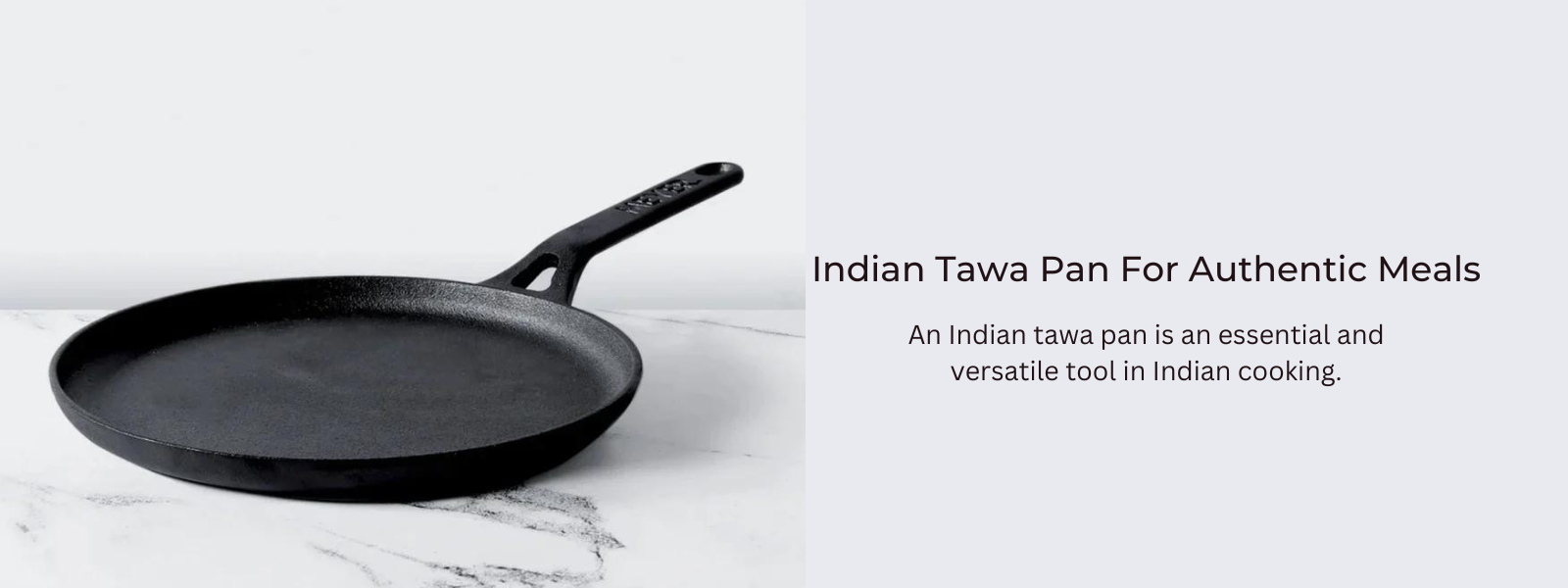
Indian Tawa Pan For Authentic Meals
2 Items
Choosing Between Stainless Steel and Non-Stick Frying Pans
2 Items
Different Types of Frypans and Their Uses in 2025
2 Items
How to Care for Your Frypan for Long-Lasting Performance in 2025
2 Items
Most Durable Saucepans & Milk Pans
2 Items


Leave a comment