



Cooking paneer in stainless steel cookware often feels tricky, especially if you have faced issues like sticking, breaking, or uneven browning. However, when used correctly, stainless steel can give you beautifully golden, crisp-edged paneer with minimal oil and maximum flavor. The secret lies not in avoiding stainless steel, but in understanding how it works.
If you are looking to cook healthier, low-oil paneer dishes like paneer tikka, paneer bhurji, or lightly seared cubes for gravies, stainless steel is actually one of the most reliable cookware materials for Indian cooking.
Table of Contents
Why Does Paneer Stick to Stainless Steel?
Paneer is rich in protein and moisture. When it is placed on a cold or improperly heated stainless steel surface, the proteins form bonds with the metal. This causes the paneer to cling to the pan and tear when flipped.
Unlike non-stick cookware, stainless steel does not have a synthetic coating. Instead, it relies on correct temperature control and proper preheating to create a natural release effect. Once you understand this science, sticking becomes far less of a problem.
Step 1: Preheat the Pan Correctly
The most important step in cooking paneer without sticking is proper preheating.
Place your stainless steel pan on medium heat and allow it to heat gradually for two to three minutes. Do not rush this step. Even heating allows the steel surface to expand slightly and reduces microscopic pores where food can latch on.
The Water Droplet Test
To check if the pan is ready, perform the water droplet test:
- Sprinkle a few drops of water onto the surface.
- If the water evaporates immediately with a sharp sizzle, the pan is still too cold.
- If the droplets form small beads that glide and dance across the surface like mercury, the pan is perfectly preheated.
At this stage, your pan is ready for oil.
Step 2: Add Oil at the Right Time
Even for low-oil cooking, a thin layer of oil is essential. Add oil only after the pan is properly heated, and allow it to warm for a few seconds before adding paneer.
The oil creates a temporary barrier between the paneer proteins and the steel surface, preventing bonding and sticking.
For Indian cooking, oils with higher smoke points such as groundnut oil or properly heated mustard oil work well.
Step 3: Do Not Move Paneer Too Soon
One of the most common mistakes is trying to flip paneer immediately after placing it in the pan.
Once you add paneer cubes, let them cook undisturbed for a minute or two on medium heat. As a golden crust forms, the paneer will naturally release from the surface. If you try to flip it too early, it will stick and break.
Patience is key to achieving that perfect restaurant-style sear.
Step 4: Manage Moisture and Marinades
Excess moisture increases sticking. If you are using marinated paneer for dishes like paneer tikka masala, ensure the marinade is not too watery. Lightly pat the paneer dry before placing it in the pan.
For gravies, it is often better to lightly sear paneer cubes first and then add them to the curry instead of trying to cook raw paneer directly in the gravy base.
Step 5: Use High-Quality Stainless Steel Cookware
The construction of your cookware makes a significant difference. Uneven heating creates hot spots, which can cause burning and sticking.
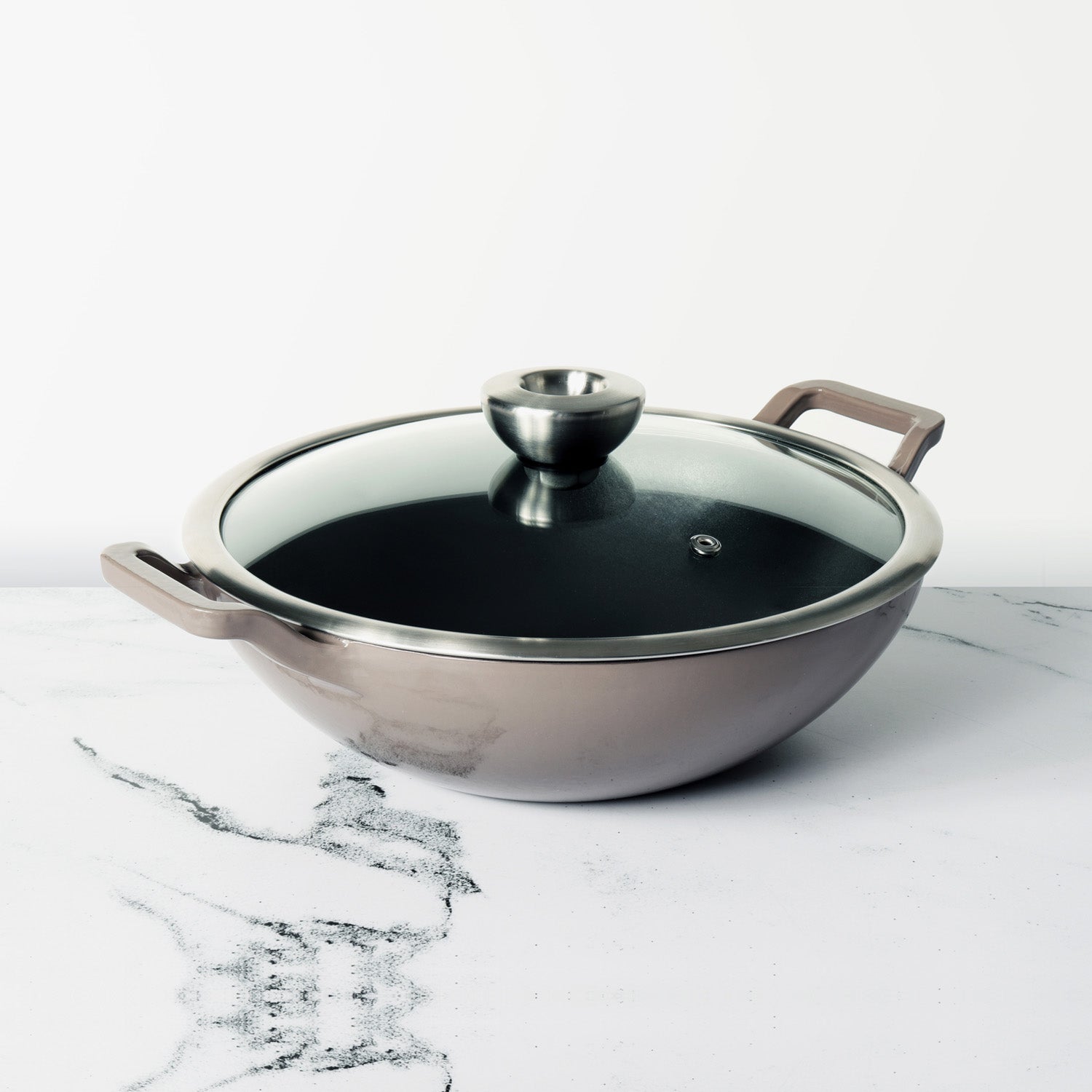
The Meyer Select Stainless Steel Cookware range is designed with a thick encapsulated base that ensures even heat distribution across the surface. This minimizes hot spots and helps paneer cook uniformly without excessive oil.
Additionally, Meyer Select cookware is nickel-free, making it a safer and healthier choice for everyday Indian cooking. The sturdy build also allows for better heat retention and control, which is essential when searing delicate ingredients like paneer.
Step 6: Maintain Medium Heat
Cooking on very high heat can cause paneer proteins to seize and stick quickly. Medium heat is ideal for most paneer preparations.
Consistent temperature control ensures even browning and better texture. Stainless steel responds well to gradual heat adjustments, giving you greater control compared to many other materials.

How to Clean Stainless Steel After Cooking Paneer
If small bits remain stuck after cooking, avoid aggressive scraping. Instead, soak the pan in warm water for a few minutes. Stainless steel is durable and can handle gentle scrubbing without damage, unlike coated cookware that may deteriorate over time.
Conclusion: Mastering Paneer in Stainless Steel
Cooking paneer in stainless steel pans is not difficult — it simply requires understanding heat, timing, and technique. Proper preheating, correct oil usage, patience during searing, and moisture control make all the difference.
When paired with well-constructed cookware like Meyer Select stainless steel, the process becomes even easier. The even heat distribution, durable build, and nickel-free construction support healthier, low-oil cooking while delivering superior browning and flavor.
Once you master this method, stainless steel will quickly become your preferred choice for paneer dishes. Instead of worrying about sticking, you will enjoy beautifully seared cubes, better texture, richer taste, and cookware that lasts for years — making it a smart and reliable investment for every Indian kitchen.
MORE FROM BLOG
Top Collections

Can Stainless Steel Cookware Last for Decades?
2 Items
Choosing Between Stainless Steel and Non-Stick Frying Pans
2 Items
Choosing Between Steel and Aluminium Pressure Cookers
2 Items
How to Transition from Non-Stick to Stainless Steel Cookware in 2025
2 Items
Turn Stainless Steel Pan Into Non-Stick
2 Items
Non Reactive & Sturdy Steel Dosa Tawa In India
2 ItemsFrom Our Shop


Leave a comment