



Tadka, also known as tempering, is one of the most defining techniques in Indian cooking. Whether you are preparing dal, kadhi, sabzi, or chutneys, tadka is the moment when spices meet hot oil or ghee and release their aroma, flavour, and essential oils. This small but powerful step can elevate a simple dish into something deeply fragrant and delicious.
However, tadka is also one of the easiest steps to get wrong. Spices burn very quickly, and once burnt, they turn bitter and overpower the entire dish. Even perfectly cooked food can lose its flavour if the tadka is burnt.
The good news is that burnt spices are usually the result of a few common mistakes—excess heat, incorrect timing, or unsuitable cookware. By understanding how heat behaves and by using the right cooking techniques, it is possible to prepare a perfectly balanced tadka every time.
This guide explains why spices burn during tadka and how the right cookware, heat control, and cooking sequence can help you achieve beautifully aromatic tempering without bitterness.
Table of Contents
- 1. Why Spices Burn So Quickly During Tadka
- 2. Choose Cookware That Offers Better Heat Control
- 3. Control the Heat Before Adding Spices
- 4. Add Spices in the Correct Order
- 5. Keep the Flame Moderate
- 6. Use Enough Oil or Ghee
- 7. Do Not Leave Tadka Unattended
- 8. Add Ingredients That Control Heat
- 9. Deglaze the Tadka Quickly
- 10. Choose Cookware Designed for Indian Cooking
- 11. Signs That Your Tadka Is Perfect
- 12. Conclusion
Why Spices Burn So Quickly During Tadka
Indian spices are packed with essential oils and delicate flavour compounds. When exposed to hot oil, these oils release aroma and taste within seconds. This is why tempering is such a quick process.
But the same property that makes spices aromatic also makes them sensitive to heat. If oil becomes too hot or spices remain in the pan for too long, they burn almost instantly.
Common reasons spices burn include overheating oil, cooking on high flame, adding spices in the wrong order, or using cookware that heats unevenly.
Burnt spices often appear darker than usual, smell slightly smoky, and create a bitter taste in the dish. Once this happens, it is usually best to discard the tadka and start again.

Choose Cookware That Offers Better Heat Control
One of the most overlooked reasons for burnt spices is uneven heat distribution in cookware. Thin pans or poor-quality cookware create hot spots where spices burn instantly while other areas remain cooler.
Using cookware with good heat distribution allows spices to cook gently and evenly.
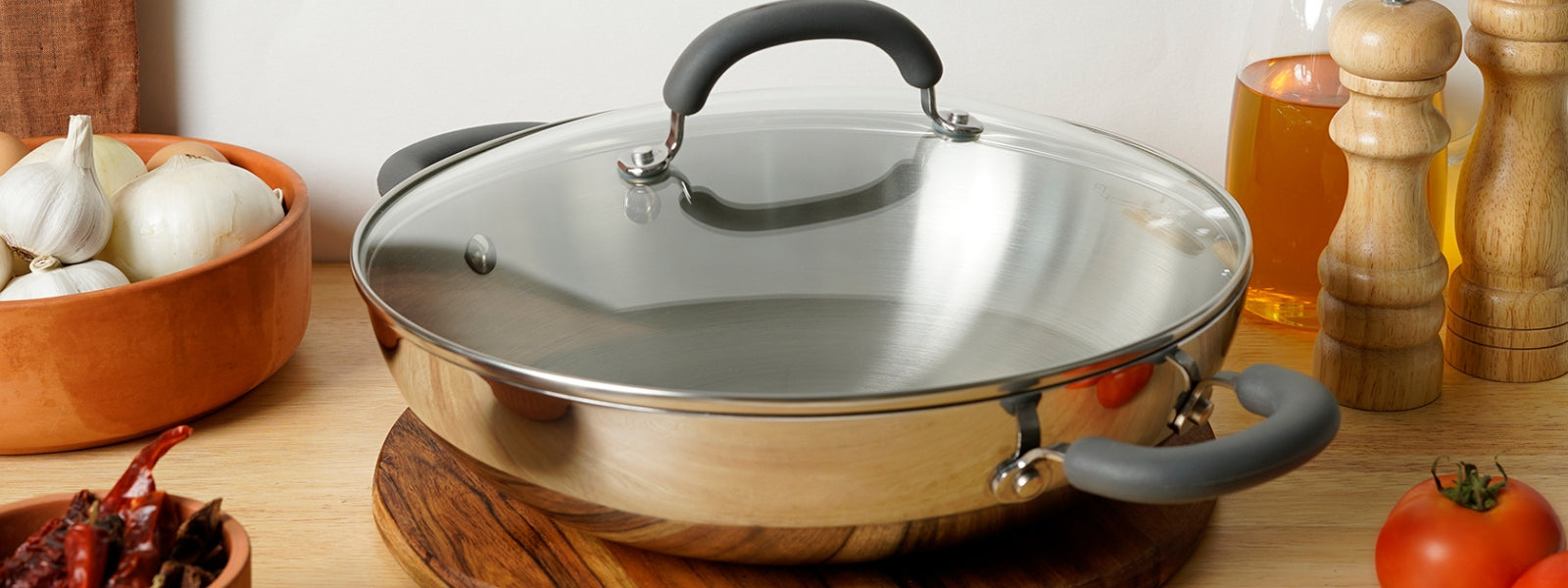
For example, a well-designed kadai like the Meyer Select Stainless Steel Kadai provides uniform heat across the base, preventing sudden temperature spikes that burn spices. Stainless steel cookware with a thick base helps maintain controlled heat, making it easier to manage delicate cooking steps like tempering.
Similarly, cookware designed for Indian cooking ensures that spices bloom slowly instead of scorching.
Control the Heat Before Adding Spices
The most important rule of tadka is simple: oil should be hot, but not smoking.
When oil starts smoking, it means it has crossed its ideal temperature and spices will burn immediately on contact. Instead, heat the oil on medium flame and watch carefully.
A good way to test the oil temperature is by adding one cumin seed or a tiny mustard seed. If it sizzles gently and begins to move in the oil, the temperature is perfect. If it turns dark instantly, the oil is too hot.
Lowering the flame slightly before adding spices can also help prevent sudden burning.
Add Spices in the Correct Order
Different spices require different cooking times. Adding all spices at once often leads to burning because some spices cook faster than others.
Whole spices should generally be added first because they need slightly more time to release flavour.
A common sequence for tadka is:
Mustard seeds → Cumin seeds → Dry red chilli → Garlic or ginger → Curry leaves → Ground spices
Mustard seeds typically pop first, followed by cumin seeds that begin to crackle. Once these release aroma, other ingredients can be added quickly.
Ground spices like turmeric or chilli powder should usually be added last or directly into the dish rather than into very hot oil, as they burn easily. Following this order ensures each spice cooks properly without turning bitter.
Keep the Flame Moderate
Many people cook tadka on high heat because the process is quick. However, high heat is often the reason spices burn within seconds.
A moderate flame allows spices to release their oils gradually. It also gives the cook time to observe colour changes and aroma development.
For example, cumin seeds should turn slightly darker and release a nutty aroma—not become black. Mustard seeds should pop gently without smoking oil. Cooking on medium heat provides better control and prevents sudden burning.
Use Enough Oil or Ghee
Another common reason for burnt spices is insufficient oil. Spices need oil or ghee as a medium to cook and release their flavour.
When there is too little oil, spices sit directly on the hot surface of the pan and burn quickly.
A small but adequate amount of oil helps spices fry evenly and float slightly instead of sticking to the base. This ensures better flavour extraction and prevents scorching.
Using good-quality cookware also helps oil distribute evenly, preventing spices from collecting in extremely hot spots.
Do Not Leave Tadka Unattended
Tadka is a very quick process that requires full attention. Most spices cook within a few seconds, and even a small delay can lead to burning.
It is always best to keep all ingredients ready before starting. Once the oil is hot and spices are added, the cook should stay close to the pan and stir or swirl it gently.
Preparing ingredients in advance ensures that spices move quickly through the cooking process without staying too long in the hot oil.
Add Ingredients That Control Heat
In many Indian recipes, ingredients like garlic, ginger, onions, or curry leaves are added shortly after the initial spices.
These ingredients help slightly lower the oil temperature and prevent spices from continuing to cook too aggressively.
For example, adding curry leaves after mustard seeds pop creates a burst of aroma while naturally cooling the oil slightly. Garlic also helps absorb flavour while preventing spices from burning further. This layering technique creates balanced flavour without bitterness.
Deglaze the Tadka Quickly
Another effective way to prevent spices from burning is to add the main dish component immediately after the tadka is ready.
For example, if preparing dal, the cooked dal is poured into the tempering. If making sabzi, vegetables may be added right after the spices release aroma.
Adding the main ingredients quickly stops the frying process and protects spices from burning further.
This method also helps distribute the flavour evenly throughout the dish.
Choose Cookware Designed for Indian Cooking
Indian cooking techniques such as tadka, sautéing, and slow simmering require cookware that can handle varying temperatures.
A well-balanced kadai with a thick base allows spices to cook gently and evenly. Stainless steel cookware is particularly suitable because it responds well to heat adjustments and distributes heat uniformly.
Cookware like the Meyer Select Stainless Steel Kadai is designed for everyday Indian cooking, offering durability and better heat control. Its structure helps prevent sudden overheating that often burns spices in thin pans. Reliable cookware allows home cooks to focus on timing and flavour rather than worrying about temperature fluctuations.
Signs That Your Tadka Is Perfect
A good tadka should enhance the dish without overpowering it. The spices should release a rich aroma, and the oil should carry a beautiful fragrance.
You will notice mustard seeds popping, cumin seeds turning slightly darker, and spices producing a warm, nutty scent. The oil may also take on a slightly golden hue.
Most importantly, the spices should retain their natural colour rather than turning black.
When added to the dish, this tadka spreads flavour evenly and creates the familiar aroma that defines Indian home cooking.
Conclusion
Tadka is a small step in cooking, but it plays a big role in building flavour in Indian cuisine. When done correctly, it transforms simple ingredients into deeply aromatic and satisfying dishes.
Avoiding burnt spices comes down to a few essential practices: controlling heat, adding spices in the right order, using enough oil, and choosing cookware that distributes heat evenly.
Cookware with a thick base and reliable heat control—such as the Meyer Select Stainless Steel Kadai—helps make the tempering process easier and more consistent. When the pan responds well to heat adjustments, spices bloom beautifully instead of burning.
With practice and the right techniques, tadka becomes an effortless and enjoyable part of cooking. The result is food that carries the rich aroma, warmth, and authenticity that Indian kitchens are known for.
MORE FROM BLOG
Top Collections
Benefits of using stainless steel cookware in India
2 Items
Best Cast Iron Cookware In India For Indian Food
2 Items
Best Cookware for Special Diwali Recipes
2 Items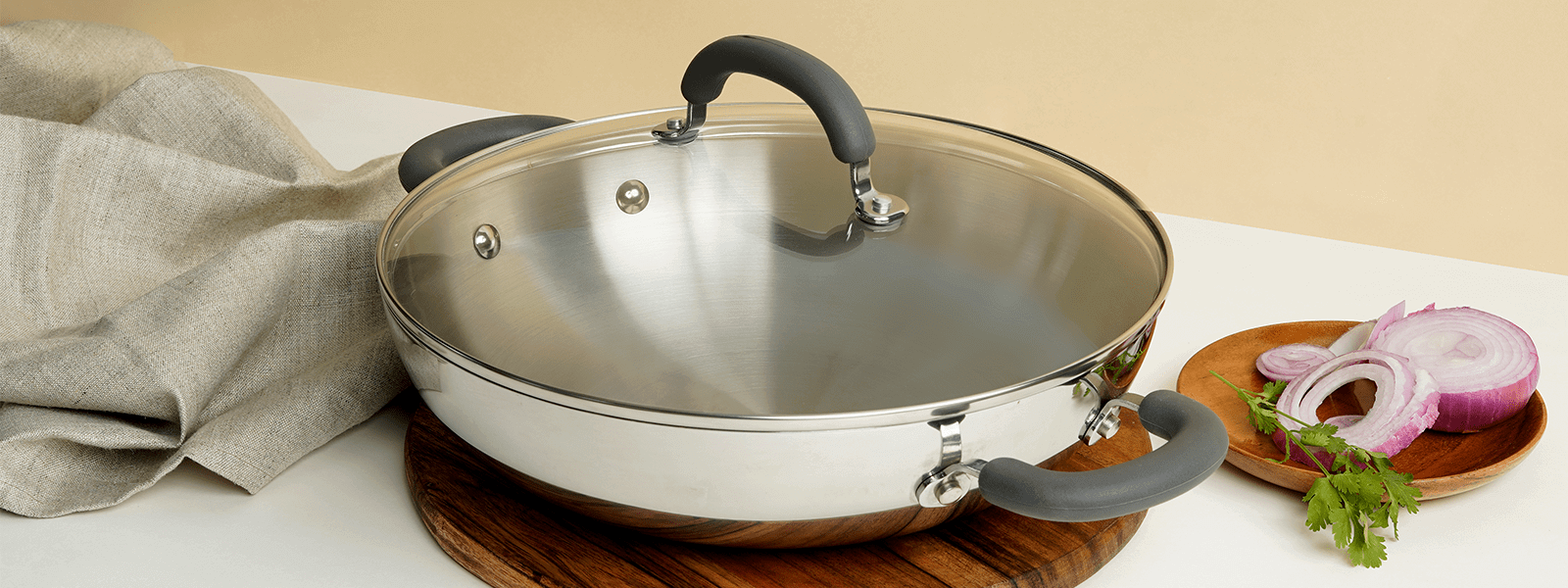
Best stainless steel cookware for summer cooking
2 Items
Steel Kadai For Cooking: Versatile Cookware For Indian Meals
2 Items


Leave a comment