



A burnt pan can feel like a kitchen disaster, especially when stubborn black residue refuses to come off despite soaking or scrubbing. Many people instinctively reach for harsh scrubbers or abrasive cleaners, but these can permanently damage your cookware by scratching surfaces, weakening coatings, or affecting heat performance.
The good news is that most burnt pans can be restored with patience and the right techniques. The goal is not to scrape off the burnt layer aggressively, but to gently loosen and lift it without harming the material underneath. With the right approach, you can bring your pan back to life and extend its usability significantly.
Table of Contents
- 1. Why Pans Get Burnt in the First Place
- 2. Let the Pan Cool Down Naturally
- 3. Start with Soaking to Loosen Residue
- 4. Use Baking Soda for Deep Cleaning
- 5. Vinegar for Breaking Down Tough Stains
- 6. Salt for Gentle Abrasio
- 7. Dish Soap and Heat Method
- 8. Cleaning Based on Cookware Material
- 9. What to Avoid While Cleaning a Burnt Pan
- 10. Preventing Burnt Pans in the Future
- 11. When Is a Pan Beyond Repair?
- 12. Final Thoughts
Why Pans Get Burnt in the First Place
Burning typically happens when food is exposed to excessive heat or cooked without enough oil or moisture. Ingredients like sugar, starch, and protein tend to stick and caramelize quickly. If left unattended, this caramelization turns into carbonized residue that bonds tightly to the pan.
Certain cooking habits also contribute to burning. Cooking on high heat for extended periods, not stirring frequently, or using thin cookware that heats unevenly can all lead to burnt spots.
Different materials react differently to burning. Stainless steel can tolerate high heat but often develops tough stains. Non-stick surfaces may degrade if overheated. Cast iron can accumulate burnt layers if not cleaned and seasoned properly. Knowing the cause helps you choose the safest and most effective cleaning method.

Let the Pan Cool Down Naturally
One of the most important steps is also the most overlooked. Always allow your pan to cool down before attempting to clean it.
Pouring cold water onto a hot pan can cause thermal shock, which may warp the metal or damage coatings. It can also make burnt residue harder to remove by locking it onto the surface.
Letting the pan cool naturally ensures that you start the cleaning process without risking structural damage.
Start with Soaking to Loosen Residue
Soaking is the simplest and safest first step in cleaning a burnt pan.
Fill the pan with warm water and let it sit for at least 20 to 30 minutes. For more stubborn burns, you can leave it for a few hours. This helps soften the burnt particles and makes them easier to remove without force.
For better results, add a few drops of dish soap to the water. This helps break down grease and loosen the bond between the burnt food and the pan surface.
Use Baking Soda for Deep Cleaning
Baking soda is one of the most effective and gentle cleaning agents for burnt cookware. It is non-abrasive yet powerful enough to lift stubborn residue.
You can use it in two ways. First, create a paste by mixing baking soda with a small amount of water. Apply this paste to the burnt areas and let it sit for 15 to 20 minutes before gently scrubbing with a soft sponge.
For tougher stains, add water and a spoonful of baking soda directly into the pan and bring it to a gentle boil. As the mixture heats, it helps loosen the burnt layer from the surface. Once cooled slightly, the residue can be wiped away more easily.
Vinegar for Breaking Down Tough Stains
Vinegar works particularly well on stubborn, heavily burnt pans.
Add equal parts water and vinegar to the pan and heat it until it begins to simmer. The acidity of the vinegar helps break down the burnt layer, loosening its grip on the surface.
After heating, let the pan cool slightly, discard the liquid, and sprinkle baking soda over the remaining residue. This combination creates a mild reaction that helps lift off the last bits of burnt material.
Salt for Gentle Abrasion
Salt can be used as a mild scrubbing agent when you need a little extra help removing residue.
Sprinkle a layer of coarse salt onto the burnt surface and use a damp sponge or cloth to gently scrub. This method works well for stainless steel and cast iron pans, where a bit of abrasion is acceptable.
However, avoid using salt on non-stick surfaces, as repeated use can gradually wear down the coating.
Dish Soap and Heat Method
For moderate burns, combining dish soap with heat can be very effective.
Fill the pan with water, add a few drops of dish soap, and place it on low heat for a few minutes. This helps loosen grease and burnt particles.
After turning off the heat and allowing the pan to cool slightly, you can scrub gently with a soft sponge. This method is particularly useful for everyday cleaning and mild burns.
Cleaning Based on Cookware Material
Each type of cookware requires a slightly different approach to avoid damage.
Stainless steel pans are the most forgiving. They can handle boiling, baking soda treatments, and gentle scrubbing. With proper cleaning, they can be restored even after heavy burning.
Non-stick pans require extra care. Avoid abrasive tools, harsh chemicals, or high heat during cleaning. Stick to soaking, mild detergents, and soft sponges to protect the coating.
Cast iron pans should not be soaked for long periods, as this can cause rusting. Instead, clean them with minimal water, use salt if needed, and dry immediately. After cleaning, apply a thin layer of oil to maintain the seasoning and prevent future sticking.
What to Avoid While Cleaning a Burnt Pan
Avoid using steel wool or metal scrubbers on delicate surfaces, as they can cause scratches and permanent damage.
Do not scrape the surface with knives or sharp tools. This not only damages the pan but also creates uneven surfaces that make future cooking more difficult.
Stay away from harsh chemical cleaners that can degrade materials or leave behind unwanted residues.
Preventing Burnt Pans in the Future
Preventing burns is much easier than fixing them.
Cook on medium heat instead of high heat unless necessary. Use enough oil or liquid to prevent food from sticking and burning. Stir food regularly, especially when cooking ingredients that are prone to sticking.
Using high-quality cookware also makes a difference. Pans that distribute heat evenly reduce the chances of hot spots that cause burning.
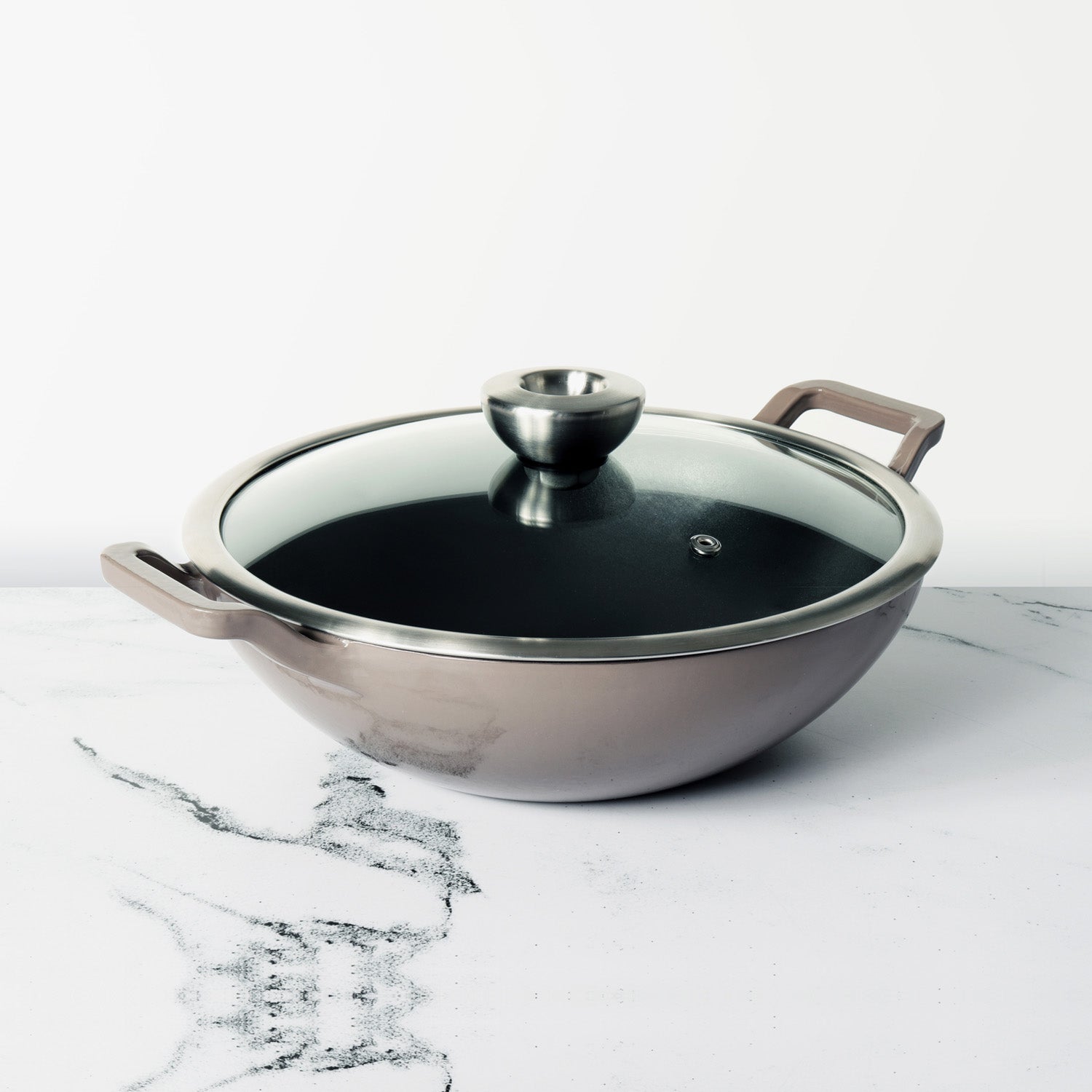
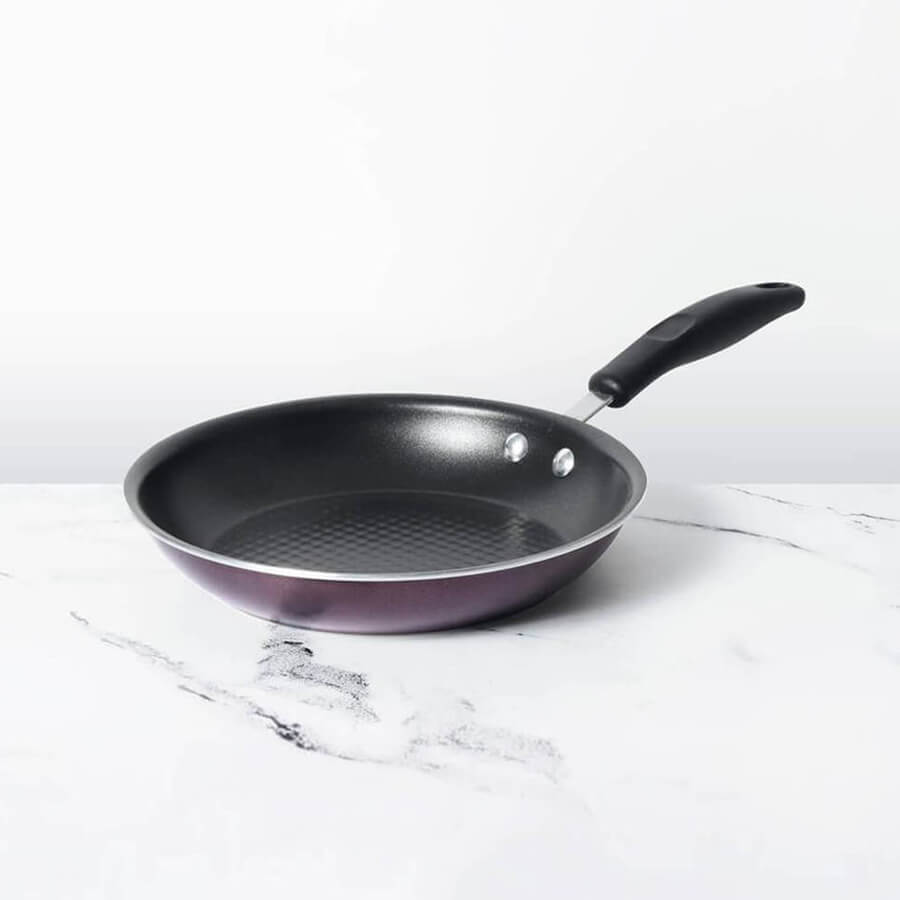
Meyer offers a wide range of cookware designed for consistent heat distribution and better control, helping reduce the likelihood of burnt residue and making cleanup easier.
When Is a Pan Beyond Repair?
In most cases, burnt residue can be removed with patience and the right methods. However, there are situations where a pan may not be worth restoring.
If a non-stick coating is severely damaged or peeling, it is better to replace the pan for safety reasons. Deep warping or structural damage can also affect cooking performance and should not be ignored.
Knowing when to repair and when to replace helps maintain both safety and efficiency in the kitchen.
Final Thoughts
Fixing a burnt pan does not require harsh scrubbing or expensive cleaners. With simple ingredients like baking soda, vinegar, and warm water, you can restore most cookware safely.
The key is to approach the process gently, allowing time and the right methods to do the work. This not only protects your cookware but also ensures better performance over time.
With proper care, thoughtful cleaning, and reliable cookware, you can avoid damage, extend the life of your pans, and enjoy a smoother cooking experience every day.
MORE FROM BLOG
Top Collections

Baking Tips: Making the Most of Your Non-Stick Loaf and Cake Pans
2 Items
Best Dosa Pan Non Stick Cookware In India
2 Items
Choosing Between Stainless Steel and Non-Stick Frying Pans
2 Items
Enjoy Crispy Dosas with a Cast Iron Dosa Tawa | Pots and Pans India
2 Items
How to Cook Eggs Perfectly in Non-Stick Pans
2 Items
How to Select the Best Non-Stick Pans for Baking Cakes and Cookies
2 ItemsFrom Our Shop


Leave a comment