



Unevenly cooked rice—mushy at the bottom, undercooked at the top, or scorched along the edges—is one of the most common kitchen frustrations in Indian homes. While water ratio and flame control matter, the cookware you use plays a far bigger role than most people realize.
From stainless steel pots to pressure cookers and heavy-bottom cookware, understanding how your vessel affects heat distribution is the key to perfectly cooked rice every time.
Table of Contents
Why Rice Cooks Unevenly: The Real Reasons
Before fixing the problem, it’s important to know what causes it:
1. Poor Heat Distribution
Thin or low-quality cookware heats unevenly, creating hot spots that overcook rice at the base while leaving the top underdone.
2. Incorrect Material Choice
Not all cookware materials are suitable for rice. Lightweight aluminium or poorly bonded steel often leads to sticking and uneven absorption of water.
3. Inadequate Lid Fit
Loose lids allow steam to escape, disrupting the pressure and moisture balance needed for evenly cooked grains.
4. Wrong Cooking Method for the Vessel
Cooking rice the same way in every pan doesn’t work. Each cookware type—pot, pressure cooker, or saucepan—needs a slightly different approach.

Best Cookware Materials for Evenly Cooked Rice
Stainless Steel with Thick Base
High-quality stainless steel cookware with a thick, encapsulated base ensures even heat flow and prevents scorching.
Recommended:
Meyer Select Stainless Steel Cookware – Known for its heavy-gauge base and excellent heat retention, ideal for daily rice, jeera rice, or vegetable pulao.
Tri-ply cookware distributes heat uniformly across the base and sidewalls, preventing hot spots.
Recommended:
Meyer Trivantage Stainless Steel Tri-Ply Cookware – Perfect for cooking rice that requires controlled simmering, such as basmati or brown rice.
Pressure Cookers for Consistency
Pressure cooking is one of the most reliable methods for soft, evenly cooked rice—provided the cooker is well-built and seals properly.
Recommended:
Meyer Presta Tri-Ply Pressure Cooker – Offers uniform pressure and heat circulation, making it ideal for plain rice, khichdi, or lemon rice.
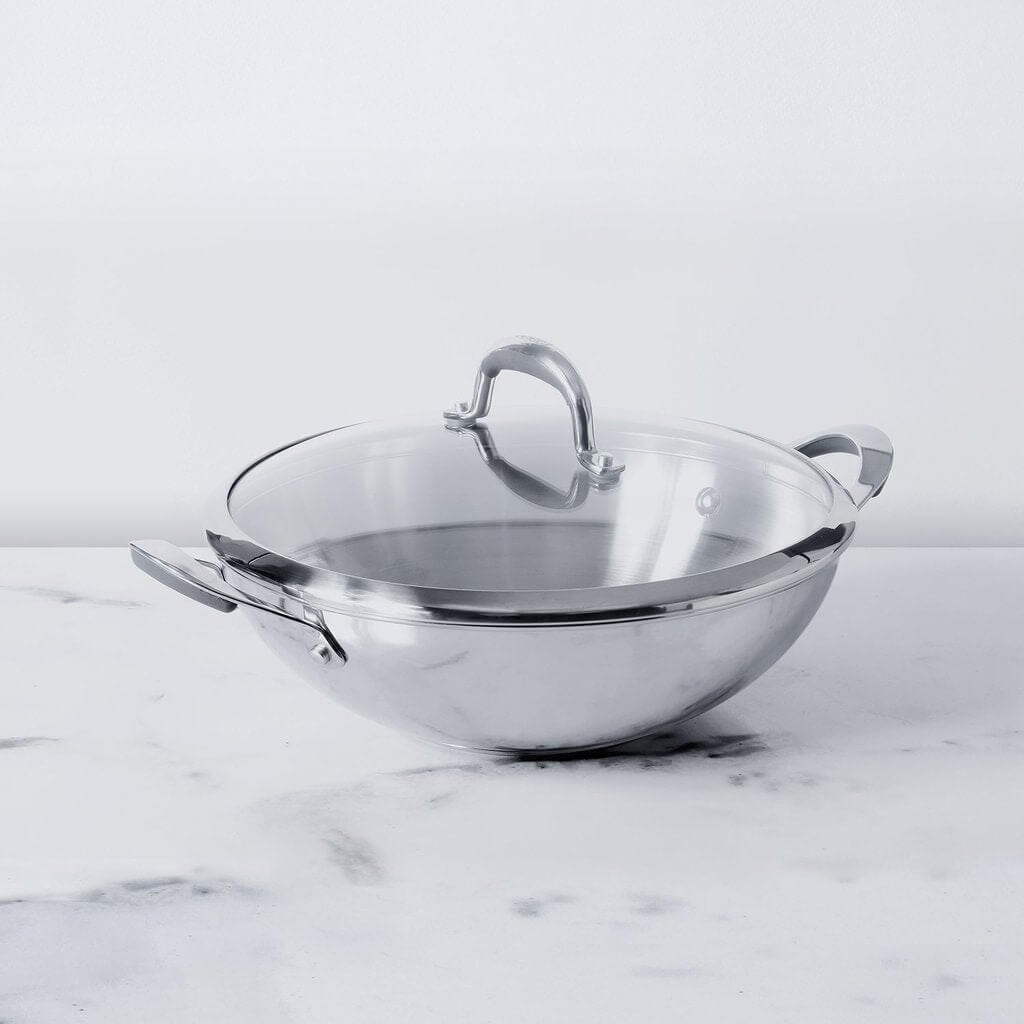
Meyer Select Stainless Steel Sauteuse 28cm
Common Rice Problems & Cookware-Based Fixes
Rice Burnt at the Bottom
Cause: Thin base or excessive heat
Fix: Use heavy-bottom cookware and cook on low flame once boiling starts
Rice Undercooked on Top
Cause: Steam escaping or uneven heat
Fix: Use cookware with a tight-fitting lid and allow proper resting time after cooking
Sticky or Mushy Rice
Cause: Excess starch + poor heat control
Fix: Rinse rice thoroughly and use cookware that allows controlled simmering, like tri-ply stainless steel pots
How to Cook Perfect Rice Using Meyer Cookware
Step-by-Step Method
-
Rinse rice until water runs clear
-
Use correct water-to-rice ratio (varies by rice type)
-
Bring to a boil on medium heat
-
Reduce flame, cover tightly, and simmer
-
Switch off heat and let rice rest for 5–10 minutes
-
Fluff gently with a fork
Using Meyer Select or Trivantage cookware ensures steady heat throughout this process, preventing uneven cooking.
Gas vs Induction: Does It Matter?
Yes. Cookware compatibility matters:
- For gas stoves, heavy-bottom stainless steel or cast iron performs best
- For induction, tri-ply stainless steel cookware ensures consistent heating
Meyer cookware ranges are designed to work efficiently across both gas and induction, making them versatile for modern kitchens.
Conclusion
Perfect rice isn’t just about skill—it’s about using the right cookware material, construction, and size. Investing in premium cookware not only improves rice texture but also enhances the taste, appearance, and nutritional value of your meals.
With thoughtfully designed cookware like Meyer Select, Meyer Trivantage, and Meyer Presta, achieving evenly cooked rice becomes effortless, consistent, and stress-free.
MORE FROM BLOG
Top Collections
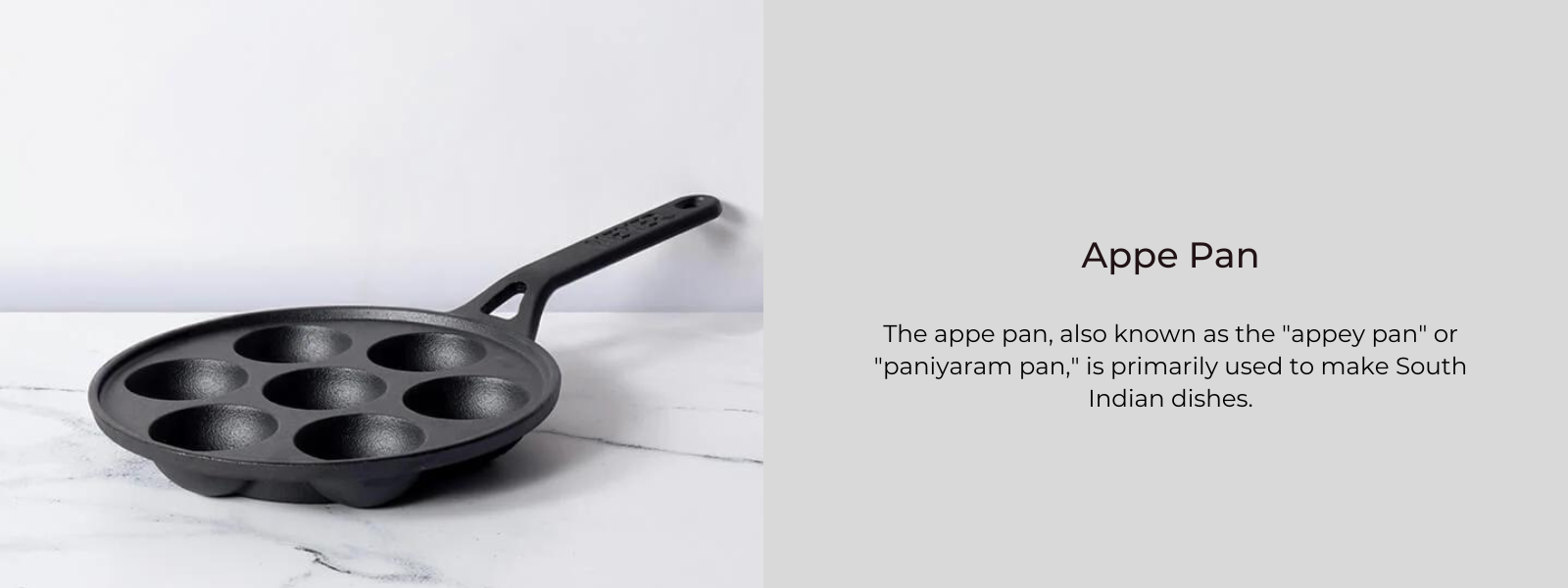
Appe Pan: Best Cookware For Paniyaram
2 Items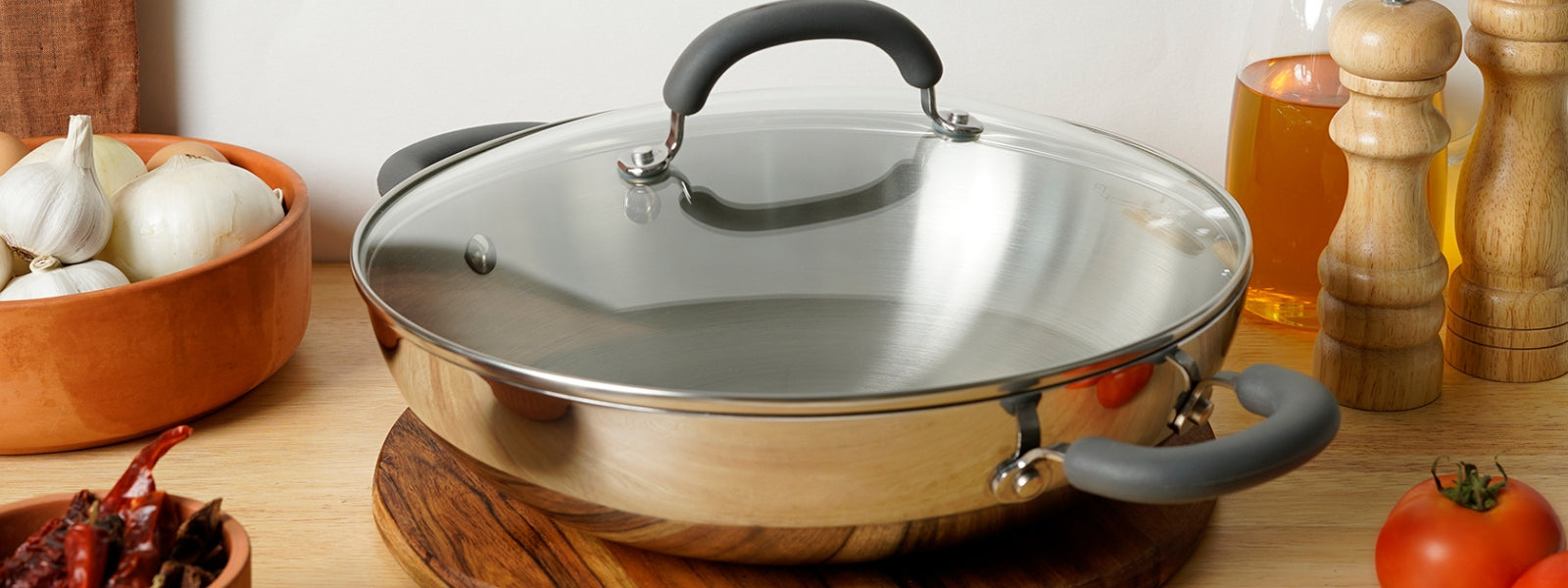
Benefits of using stainless steel cookware in India
2 Items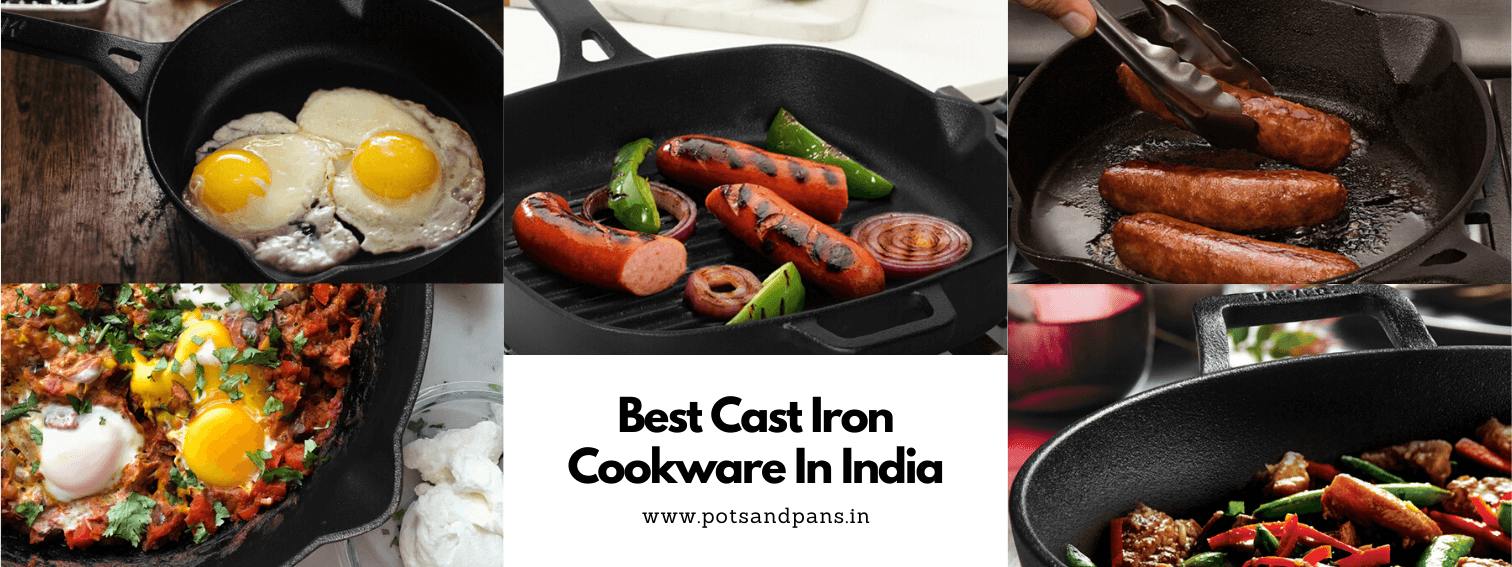
Best Cast Iron Cookware In India For Indian Food
2 Items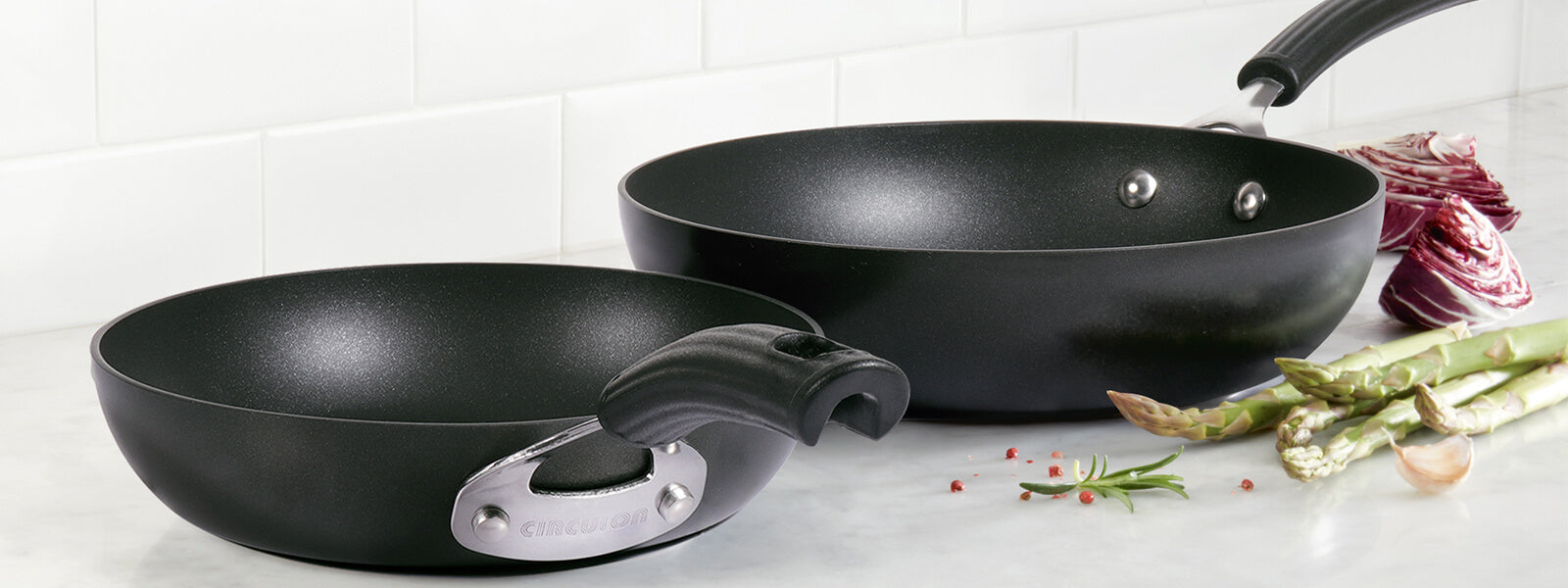
Best Non-Stick Cookware Sets For Your Kitchen
2 Items
Can One Pan Do It All? Exploring Multi-Use Cookware in 2025
2 Items
Cast Iron Appam Pan: Cookware That Lasts For Lifetime
2 Items
Cast Iron Cookware: How It Can Last a Lifetime
2 Items


Leave a comment