



Cookware is one of the few household essentials that gets used, washed, heated, and reused multiple times every single day. From the first pot of morning tea to the last reheated meal at night, pans and pots quietly support every meal without much attention. Yet, when cookware starts staining, sticking, or losing its finish, it quickly becomes a source of frustration.
The good news is that maintaining cookware doesn’t require elaborate routines or special products. In fact, cookware stays in its best condition when cared for consistently and gently, using simple practices that fit naturally into everyday cooking. With the right habits, even frequently used cookware can remain clean, safe, and long-lasting with very little effort.
Table of Contents
- 1. Choose Cookware That Supports Daily Cooking
- 2. Use Heat Thoughtfully to Prevent Damage
- 3. Clean Gently and at the Right Time
- 4. Tackle Stains with Simple Home Solutions
- 5. Make Cast Iron Easier with Regular Use
- 6. Preserve Non-Stick Surfaces for Everyday Ease
- 7. Store Cookware to Avoid Unnecessary Wear
- 8. Build Small Habits That Save Time
- 9. Conclusion
Choose Cookware That Supports Daily Cooking
Easy maintenance begins with choosing cookware that is built for regular use. Materials that handle heat well, resist corrosion, and tolerate frequent washing naturally demand less upkeep.
Stainless steel, pre-seasoned cast iron, and high-quality non-stick cookware are particularly suitable for daily cooking needs. Stainless steel remains non-reactive and hygienic, cast iron improves with use, and good non-stick surfaces simplify both cooking and cleaning. When cookware is sturdy and well-made, maintenance becomes intuitive rather than demanding.

Use Heat Thoughtfully to Prevent Damage
Excessive or uneven heat is one of the main reasons cookware becomes difficult to clean over time. Heating cookware gradually allows the surface to warm evenly, reducing the chances of food burning or sticking.
Using the correct burner size for each pan also helps prevent overheating along the sides or base. By allowing cookware to heat properly before adding ingredients and avoiding unnecessary high flame, you reduce staining, discoloration, and surface wear—making cleanup much easier.
Meyer Pre Seasoned Cast Iron shallow Kadai With Glass Lid ,26cm
Clean Gently and at the Right Time
Timing and technique make a big difference when it comes to cookware care. Letting cookware cool slightly before washing prevents stress on the surface caused by sudden temperature changes.
Warm water and mild dish soap are sufficient for most daily cleaning needs. When food sticks or residue remains, soaking the cookware briefly loosens it naturally. Gentle cleaning preserves the surface and eliminates the need for aggressive scrubbing.
Tackle Stains with Simple Home Solutions
Daily cooking often leaves behind oil marks, spice stains, or burnt patches. These are best handled with gentle, effective solutions rather than harsh chemicals.
Baking soda works well for stubborn residue, vinegar helps lift burnt food, and lemon juice reduces spice stains. For cast iron, wiping clean, drying thoroughly, and applying a thin layer of oil keeps the surface protected and rust-free. These simple methods maintain cookware without damaging it.
Make Cast Iron Easier with Regular Use
Cast iron cookware becomes easier to maintain the more it is used. Regular cooking helps strengthen its natural seasoning, making the surface smoother and more resistant to sticking.
Simple habits—washing with warm water, drying immediately, and oiling lightly—are enough to keep cast iron in excellent condition. Over time, it requires less effort to clean and delivers consistent cooking performance.
Preserve Non-Stick Surfaces for Everyday Ease
Non-stick cookware is designed to reduce effort, but proper handling ensures it stays effective. Using suitable utensils, avoiding sharp scraping, and not overheating the pan help protect the coating.
When maintained well, non-stick cookware makes everyday cooking faster, requires less oil, and cleans easily—especially valuable on busy days.
Store Cookware to Avoid Unnecessary Wear
Storage often affects cookware longevity more than cooking itself. Stacking cookware without protection can cause scratches and surface damage.
Placing soft liners between pans, storing lids carefully, and ensuring cookware is completely dry before storage prevents long-term wear. Thoughtful storage keeps cookware looking and performing like new.
Build Small Habits That Save Time
The easiest cookware maintenance routines are built on small, consistent actions. Wiping pans immediately after use, drying them properly, and avoiding extreme heat prevent residue from hardening and surfaces from deteriorating.
These habits take only moments but significantly reduce the need for deep cleaning later.
Conclusion: Easy Maintenance Is About Everyday Awareness
Cookware doesn’t need constant attention to stay in good condition—it needs the right kind of attention. When cookware is chosen wisely, heated thoughtfully, cleaned gently, and stored properly, maintenance becomes effortless even with frequent use.
Over time, these simple practices protect the cookware’s surface, improve cooking performance, and extend its lifespan. More importantly, they remove stress from everyday cooking, allowing meals to be prepared smoothly and confidently. With a little awareness and consistency, maintaining cookware becomes second nature—making the kitchen a more enjoyable space to cook in, day after day.
MORE FROM BLOG
Top Collections

A Quick Guide to Using and Maintaining Glass Bakeware
2 Items
Easy healthy Homemade Snacks to Maintain Weight
2 Items
Easy Tips for Maintaining and Cleaning Non-Stick Bakeware
2 Items
How to Clean and Maintain Non-Stick Pressure Cookers
2 Items
How to Maintain and Season Your Cast Iron Kadai in 2025
2 Items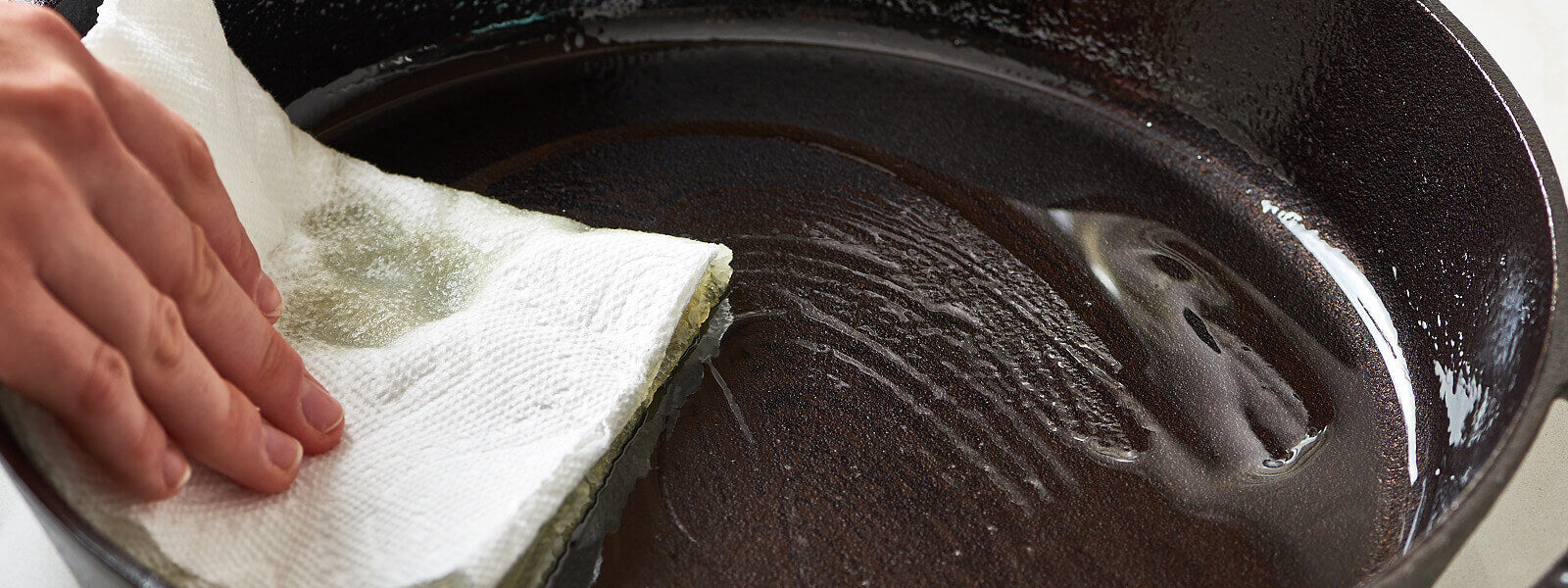
How to Maintain Your Cast Iron Cookware
2 Items


Leave a comment