



Humidity is one of cast iron’s biggest enemies—and in many parts of India, moisture levels stay high throughout the year. Whether you live near the coast, in a monsoon-prone region, or in a naturally humid city, keeping cast iron rust-free can feel challenging. But the good news is: with the right care routine, your cast iron cookware can stay beautifully seasoned, non-stick, and rust-proof for decades.
From dosa tavas to kadais, cast iron is an essential part of Indian cooking because of its excellent heat retention, natural non-stick surface, and long-term durability. Pre-seasoned cookware—such as the Meyer Pre-Seasoned Cast Iron Kadai or Appam Pan—already gives you a head start, but proper maintenance is still key in humid climates.
Here’s a complete guide to keeping your cast iron cookware rust-free no matter how sticky the weather gets.
Table of Contents
- 1. Why Cast Iron Rusts Easily in Humid Indian Weather
- 2. Season Your Cast Iron Regularly
- 3. Avoid Air-Drying: Always Dry Cast Iron on Heat
- 4. Apply a Light Oil Coat Before Storing
- 5. Improve Airflow Where You Store Cookware
- 6. Never Soak Cast Iron in Water
- 7. Salt Scrub for Cleaning Without Damaging Seasoning
- 8. Keep Cast Iron Warm for a Few Seconds Daily
- 9. Conclusion
Why Cast Iron Rusts Easily in Humid Indian Weather
Humidity accelerates oxidation. When moisture in the air settles on cast iron—especially if the pan isn’t properly seasoned or dried—it begins to react with iron, forming rust. Factors that worsen the problem include:
- Storing cast iron in closed cabinets without ventilation
- Leaving pans slightly wet after washing
- Not oiling the cookware
- Long monsoon months with high indoor dampness
- Using soap incorrectly or removing seasoning through harsh scrubbing
Understanding these reasons helps you take preventive steps rather than repair damage later.

Season Your Cast Iron Regularly (Especially During Monsoon)
Seasoning forms a protective oil layer that blocks moisture from touching the metal. In humid regions, seasoning more frequently becomes essential.
How to Season Properly
-
Wash and fully dry the cookware.
-
Apply a thin layer of high smoke-point oil—like vegetable oil, flaxseed oil, or groundnut oil.
-
Heat the cookware on the stove for 10–15 minutes or bake it at 180°C for an hour.
-
Let it cool completely before storing.
Pre-seasoned pieces such as Meyer Pre-Seasoned Cast Iron already come with multiple seasoning layers, but occasional upkeep keeps them rust-proof.
Avoid Air-Drying: Always Dry Cast Iron on Heat
In Indian weather, letting cast iron air dry—even for a few minutes—invites rust.
Best practice:
After washing, place the cookware on low heat until every drop of moisture evaporates. The metal should feel bone-dry before you apply oil.
This is especially important for deep pans like kadais or appam pans.
Meyer Pre-Seasoned Cast Iron Flat Dosa Tawa, 28 cm
Apply a Light Oil Coat Before Storing
A thin oil layer acts as a natural rust barrier.
How to do it correctly:
- Use a small amount of oil
- Rub it in using a cloth or kitchen paper
- Ensure the coating is extremely thin (no greasiness)
This simple step is one of the most effective long-term rust prevention methods.
Improve Airflow Where You Store Cookware
Storing cast iron in closed, damp cabinets can lead to rust—even if the pan is perfectly dry.
Try these storage strategies:
- Keep your cast iron in a well-ventilated kitchen area
- Avoid stacking pans tightly together
- Place a paper towel inside to absorb residual moisture
- Consider storing upside down on a rack for better air circulation
Many owners of Meyer Cast Iron pans store them on open shelves to allow airflow and preserve seasoning.
Never Soak Cast Iron in Water
Soaking instantly triggers rusting, especially in humid weather where the pan may stay damp longer.
Instead:
- Wash immediately after cooking
- Use a soft scrub or a small amount of salt as a natural abrasive
- Dry and oil immediately after washing
Salt Scrub for Cleaning Without Damaging Seasoning
To remove stubborn food bits without compromising seasoning:
Salt Scrub Method
- Heat the pan slightly
- Add 1–2 teaspoons of coarse salt
- Scrub with a paper towel or soft cloth
- Rinse quickly, dry, and oil
This helps maintain seasoning and prevent moisture buildup inside scratches.
Keep Cast Iron Warm for a Few Seconds Daily (Monsoon Hack)
In extremely humid areas—even inside cupboards—moisture condenses on metal surfaces.
Quick 30-second hack:
- Heat the cookware on low flame every morning
- Apply a drop of oil
- Wipe off immediately
This keeps condensation from settling and protects the seasoning layer.
Use Silica Gel Packs or Moisture Absorbers
A simple but effective solution:
- Place silica gel packs or moisture absorbers inside your storage cabinet
- Replace them regularly during monsoon season
- Works especially well if your kitchen tends to stay damp
Choose Thick-Gauge Cast Iron for More Rust Resistance
Thicker, denser cast iron retains seasoning better and is less prone to pitting and moisture damage.
Pre-seasoned cookware like the Meyer Cast Iron Kadai or Appam Pan offers:
-
Thicker construction for better heat retention
-
Stronger seasoning layers
-
Fewer maintenance issues in humid conditions
Investing in high-quality cast iron reduces rust risk significantly.
If Rust Appears—Remove It Early
Even with good care, minor rust patches may appear during monsoons. The key is to handle them quickly.
How to Remove Rust Safely
-
Use a steel scrubber or fine sandpaper to remove rust.
-
Wash and dry completely.
-
Re-season the entire cookware.
Early treatment prevents long-term damage or pitting.
Conclusion
Cast iron may require a little attention, but the rewards are worth it—especially if you enjoy authentic Indian cooking. With the right care routine, even humid Indian weather cannot affect your cookware.
Pre-seasoned, durable options like Meyer Cast Iron make maintenance much easier while delivering the rich flavours and perfect heat distribution that Indian dishes demand. With regular seasoning, proper storage, and moisture-control habits, your cast iron cookware can stay rust-free, glossy, and long-lasting for generations.
MORE FROM BLOG
Top Collections
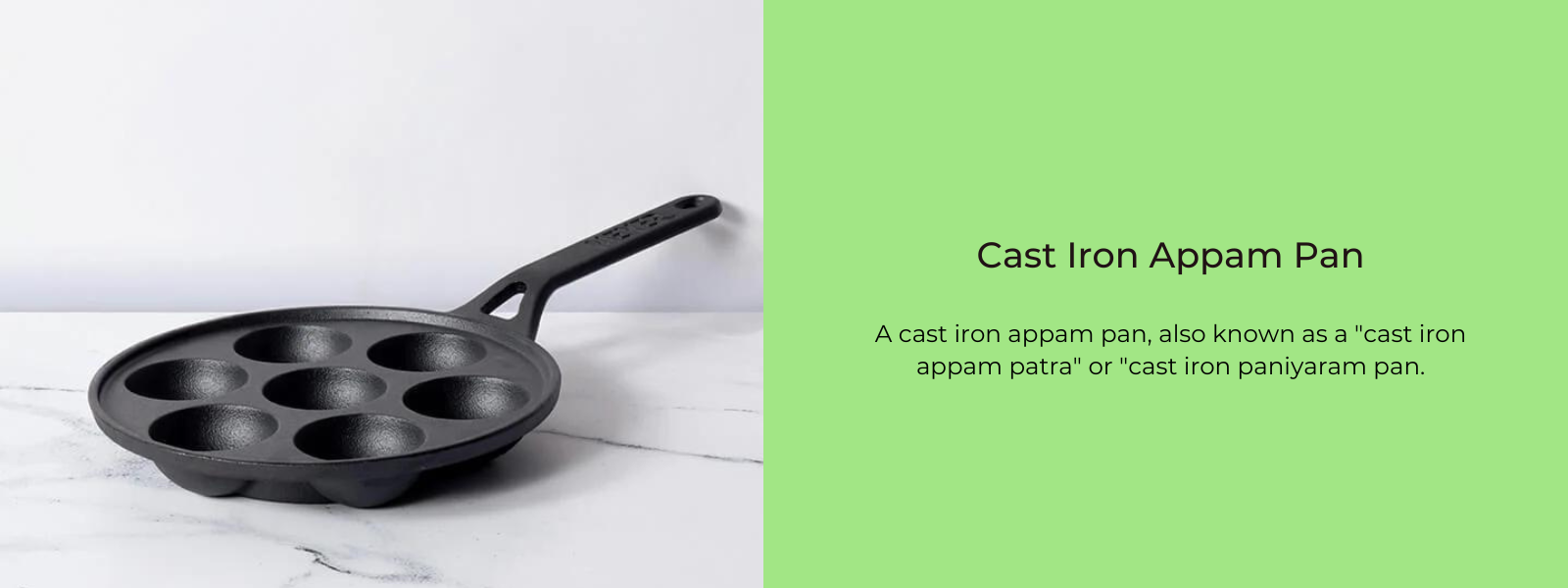
Cast Iron Appam Pan: Cookware That Lasts For Lifetime
2 Items
Cast Iron Cookware: A Comprehensive Guide to Heat Retention
2 Items
Cast Iron Cookware: Best Practices for Cleaning and Storage
2 Items
Cast iron cookware for Indian Curries
2 Items
Cast Iron Cookware: The Benefits of Cooking with Tradition
2 Items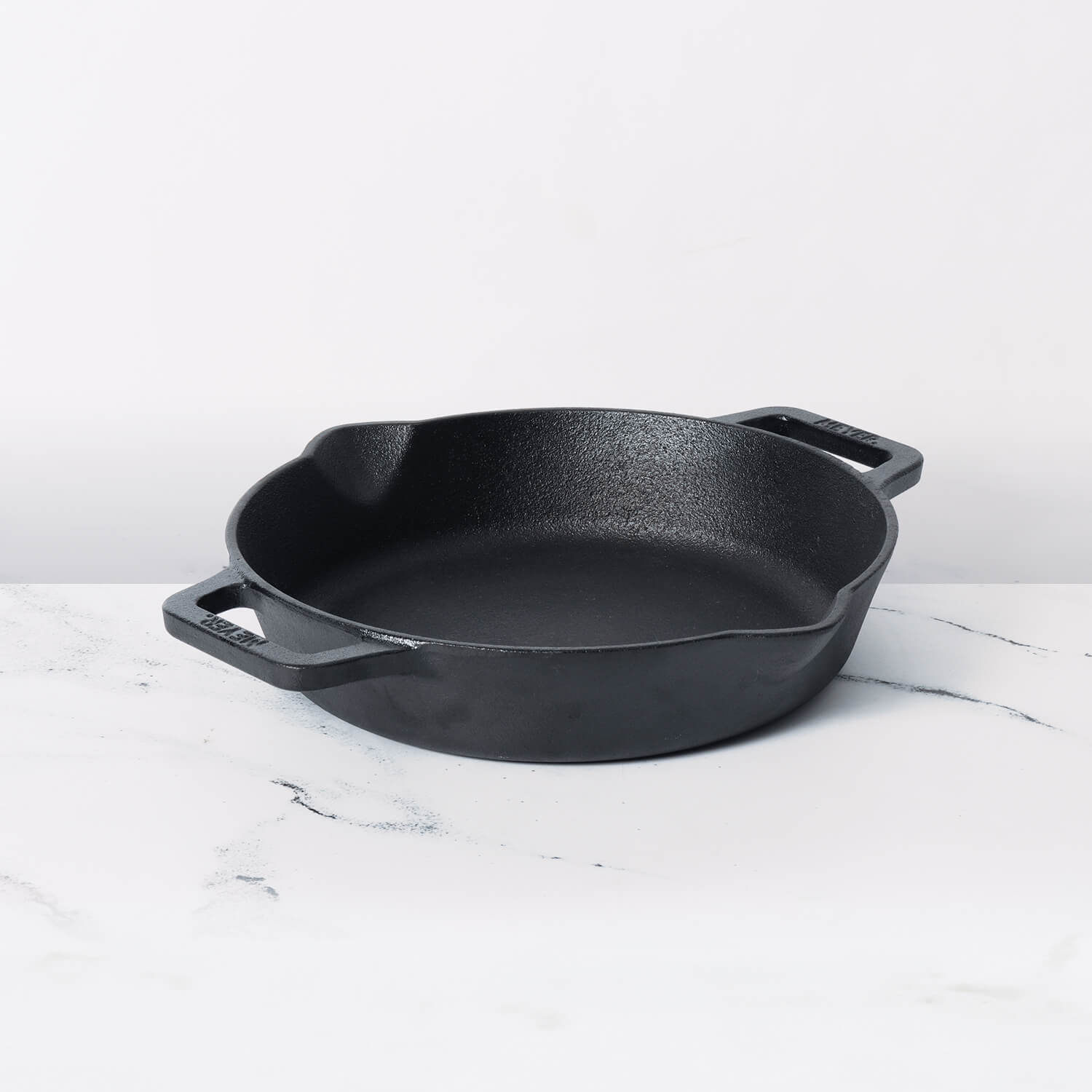


Leave a comment