



Stainless steel cookware has long been the backbone of Indian kitchens. From pressure cookers and kadais to saucepans and frying pans, it is trusted for its strength, hygiene, and longevity. Yet, many home cooks feel intimidated by one recurring issue — food sticking to the pan.
This often leads to the misconception that stainless steel cookware is “hard to use” or unsuitable for everyday Indian cooking.
In reality, stainless steel does not fail — technique does.
When understood and used correctly, stainless steel cookware offers:
- Superior browning
- Better flavour development
- Complete control over cooking
- 100% toxin-free performance
This guide explains why food sticks, how to prevent it, and how premium stainless steel cookware — like Meyer’s — is designed to work with you, not against you.
Table of Contents
- 1. Why Food Sticks in Stainless Steel Cookware
- 2. The Foundation Rule
- 3. Oil Timing
- 4. Why Food Releases Only When It’s Ready
- 5. Moisture Control
- 6. Heat Control
- 7. Choose the Right Stainless Steel Pan
- 8. Deglazing
- 9. Cleaning Without Compromising Performance
- 10. Why Stainless Steel Is Ideal for Indian Cooking
- 11. Final Thoughts
Why Food Sticks in Stainless Steel Cookware
Stainless steel may look smooth, but under a microscope it has tiny pores. When:
-
the pan is not hot enough
-
oil is added too early
-
moisture hits the surface
-
food is disturbed prematurely
these pores grip the food, causing sticking.
High-quality stainless steel cookware is engineered to minimise these interactions, but correct usage is what truly unlocks performance.

The Foundation Rule: Heat First, Oil Second, Food Last
This single principle solves most sticking problems.
-
Heat the pan on medium
-
Test with water droplets
-
Add oil only once the pan is hot
-
Introduce food after oil shimmers
Premium tri-ply stainless steel cookware, such as Meyer’s bonded stainless steel ranges, ensures uniform heating, making this process predictable and stress-free.
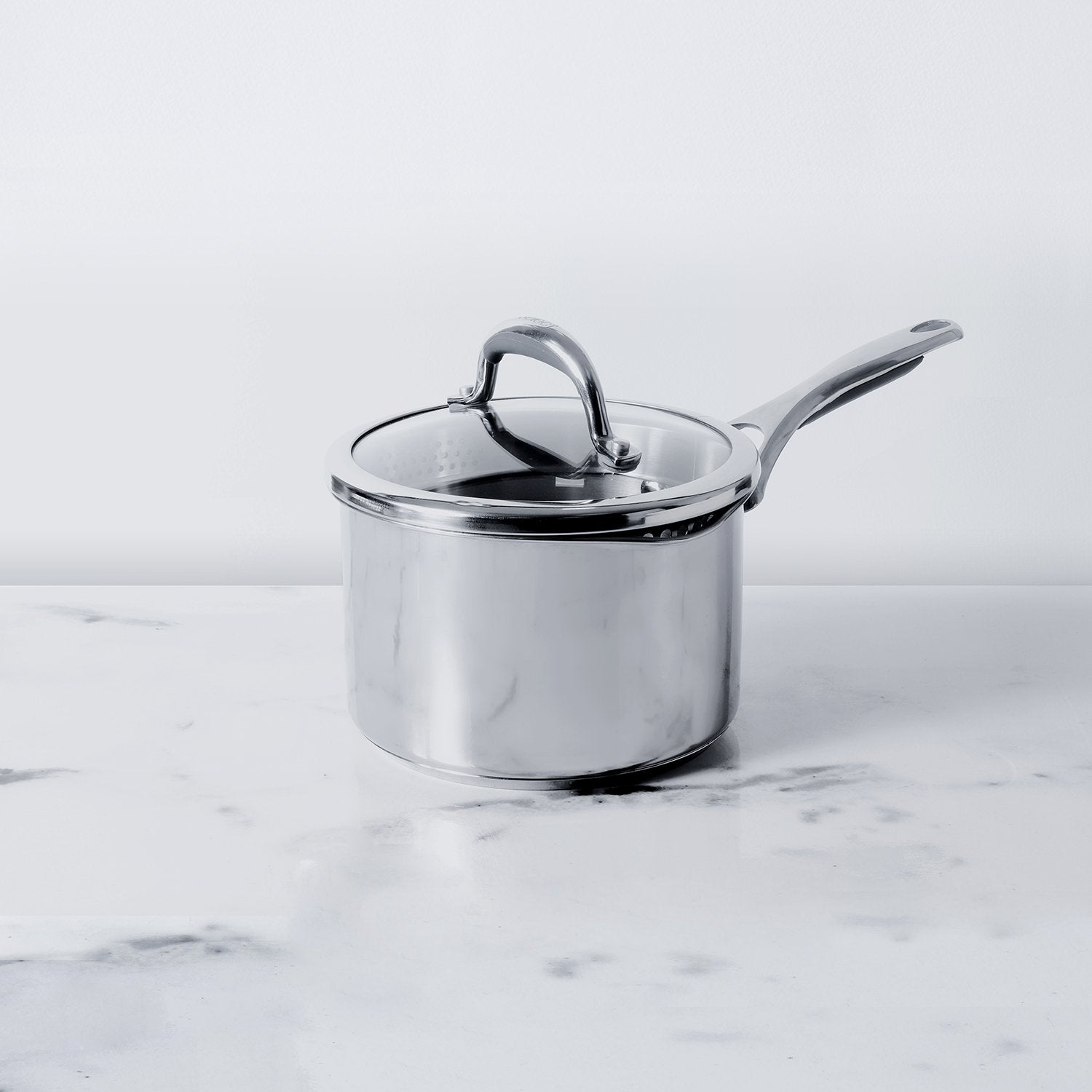
Meyer Select Stainless Steel Straining Saucepan 18cm
Oil Timing: The Silent Game-Changer
Adding oil to a cold pan causes it to degrade and cling to the surface.
The right sequence allows oil to form a protective layer, reducing friction between food and steel.
Best oils for Indian cooking in stainless steel:
- Groundnut oil
- Rice bran oil
- Sunflower oil
- Mustard oil (properly heated)
Why Food Releases Only When It’s Ready
Stainless steel rewards patience.
Proteins and vegetables initially stick, then release naturally once browning and caramelisation occur. Forcing movement too early leads to tearing, breaking, and sticking.
If food sticks, it simply needs more time.
This principle is used in professional kitchens worldwide.
Moisture Control: The Overlooked Detail
Excess moisture reduces pan temperature and causes steaming.
Always:
- Pat ingredients dry
- Avoid overcrowding
- Cook in batches if needed
This is essential for shallow frying and sautéing in stainless steel cookware.
Heat Control: Medium Is the Sweet Spot
Stainless steel does not need aggressive heat.
-
Medium heat for sautéing and frying
-
Medium-low for gravies and dals
-
High heat only for boiling
Meyer stainless steel cookware distributes heat evenly, allowing efficient cooking without scorching or sticking.
Choose the Right Stainless Steel Pan
Thin, lightweight pans create hot spots.
Look for:
-
Tri-ply construction
-
Thick, bonded bases
-
Warp-resistant steel
Meyer cookware is designed to provide consistent surface temperature, critical for Indian cooking styles.
Deglazing: Turning Residue Into Flavour
Brown bits are flavour gold.
A splash of water, stock, or tomato puree lifts residue instantly and forms the base of rich gravies and sauces—one of stainless steel’s biggest advantages.
Cleaning Without Compromising Performance
Residue buildup causes future sticking.
- Let pans cool
- Use warm water and mild detergent
- Soak instead of scraping aggressively
Meyer stainless steel is built to retain its finish and performance with proper care.
Why Stainless Steel Is Ideal for Indian Cooking
Stainless steel excels at:
-
Tadka and tempering
-
Gravies and curries
-
Dals and sauces
-
Dum cooking
-
Shallow frying
It handles acidic foods safely, does not peel, and remains 100% toxin-free.
Final Thoughts: Stainless Steel Is a Skill That Grows With You
Cooking with stainless steel is not about shortcuts or quick fixes—it is about understanding heat, timing, and intention. Once you learn how the pan responds, stainless steel stops feeling unpredictable and starts feeling intuitive.
Each meal you cook builds familiarity. Each time food releases cleanly, confidence grows. Gradually, stainless steel cookware becomes more than just a vessel—it becomes a trusted cooking partner that responds to skill rather than coatings.
With proper preheating, mindful oil use, controlled heat, and patience, sticking fades away. What remains is:
- Better texture
- Deeper flavour
- Healthier cooking
- Long-lasting cookware performance
High-quality stainless steel cookware, like Meyer’s thoughtfully engineered ranges, is designed to support this journey—offering stability, safety, and consistency as your skills evolve.
Master stainless steel once, and it rewards you for a lifetime.
MORE FROM BLOG
Top Collections
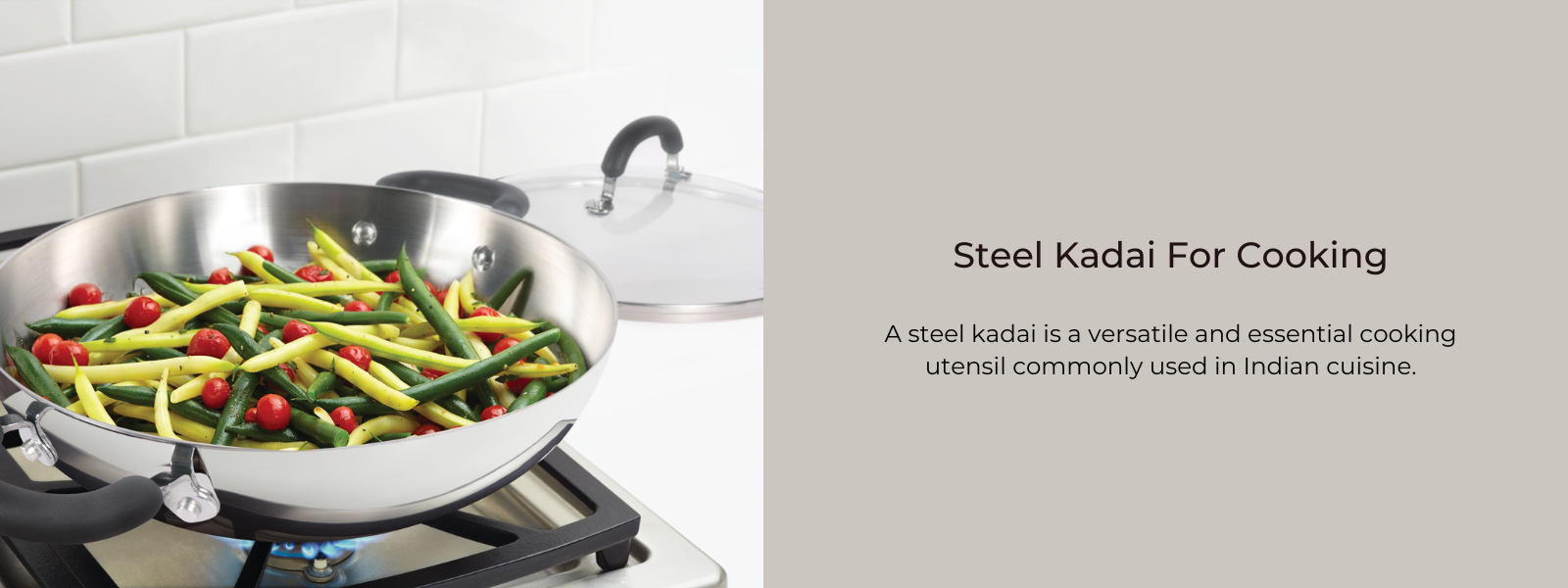
Steel Kadai For Cooking: Versatile Cookware For Indian Meals
2 Items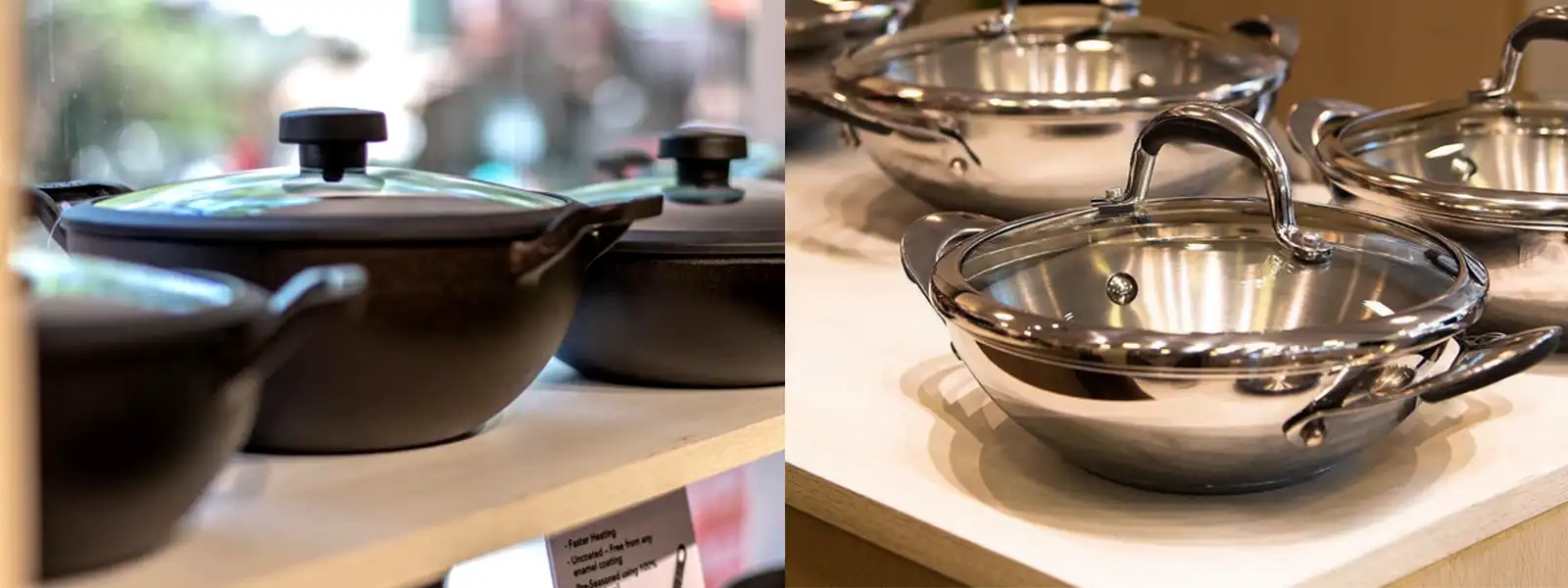
Cast Iron Vs Stainless Steel Cookware: Which one should you pick?
2 Items
Choosing Between Stainless Steel and Non-Stick Frying Pans
2 Items
How to care for and maintain Stainless Steel Pans
2 Items
Non Reactive & Sturdy Steel Dosa Tawa In India
2 Items


Leave a comment