



The monsoon season brings relief from the heat, but it also introduces one of the biggest challenges in Indian kitchens—humidity. Excess moisture affects every kind of cookware, leading to rust, stickiness, mould, discoloration, and lingering odours. Whether you use stainless steel, cast iron, ceramic, aluminium, or non-stick pans, proper storage during monsoon months is essential to keep your cookware safe, hygienic, and long-lasting.
Here is a detailed guide on how to store your cookware effectively during monsoon season.
Why Proper Cookware Storage Matters During Monsoon
Monsoon humidity increases moisture levels in the kitchen, creating conditions that can lead to:
-
Rust on cast iron and carbon steel
-
Sticky residue on stainless steel and non-stick
-
Mould inside lids and corners
-
Foul smells trapped in pans
-
Discoloration due to dampness
-
Peeling or flaking in low-quality non-stick
Ensuring correct storage prevents these issues and extends the durability of everyday cookware—from your dosa tawa and curry kadai to your pressure cooker and cast iron pans.

1. Always Dry Cookware Completely Before Storing
Even a single drop of water can trigger rust or microbial growth during the monsoon.
After washing:
-
Wipe with a microfibre or cotton cloth.
-
Air-dry upside down for at least 15–20 minutes.
-
Heat-dry cast iron pans lightly on a stove to evaporate hidden moisture.
This is especially important for cast iron cookware such as Meyer Pre-Seasoned Cast Iron skillets and tawas.
2. Keep Cookware in a Well-Ventilated Storage Area
Avoid storing cookware in closed, unventilated spaces like deep cabinets or low drawers during monsoon.
Instead:
-
Use open shelves or racks.
-
Leave cabinet doors slightly ajar to promote air circulation.
-
Add a small battery-operated air circulator or moisture absorber in tight spaces.
This prevents moisture pockets from forming around cookware.
3. Use Moisture Absorbers in Cabinets
Moisture control is the heart of monsoon cookware care.
Recommended absorbers:
- Silica gel packets
- Activated charcoal bags
- Neem leaves
- Camphor tablets (kept in small bowls, not touching cookware)
- Rock salt in open containers
These reduce humidity and help prevent rust, mould, and odours.
4. Store Cast Iron the Right Way
Cast iron is particularly vulnerable to monsoon moisture. To protect pans like Meyer Cast Iron Kadai or Tawa, follow these steps:
-
Season lightly with oil before storing.
-
Heat the pan to let the oil polymerize and cool completely.
-
Place a paper towel or kitchen tissue inside to absorb extra moisture.
-
Store in a dry, open rack (not inside airtight cabinets).
-
Avoid stacking cast iron if possible, or use cloth separators.
5. Avoid Stacking Non-Stick and Ceramic Cookware
Non-stick and ceramic surfaces become more sensitive during humid weather.
If you must stack:
- Place soft cloth or paper napkins between pans.
- Never stack with moisture trapped inside.
- Keep non-stick cookware such as Meyer Midnight pans in a cool, dry space.
Stacking without protection can lead to scratches, chipping, or trapped damp odours.
6. Keep Stainless Steel Cookware Polished and Dry
Stainless steel is more resistant to rust, but prolonged dampness still causes:
-
Water marks
-
Rainbow stains
-
Film buildup
-
Loss of shine
To protect stainless steel cookware, including Meyer Select or Meyer Bauhaus:
- Wipe with a vinegar-water solution weekly.
- Dry thoroughly after every wash.
- Store with lids separate to prevent trapped humidity.
7. Store Lids Separately to Prevent Smells
Monsoon humidity traps moisture between the lid and the pan, which can cause:
-
Musty smells
-
Bacterial growth
-
Water stains
-
Cloudiness on glass lids
Keep lids:
- Upright in a rack
- Hanging on hooks
- Separate from the cookware body
This ensures airflow and prevents odour formation.
8. Use Cotton or Muslin Covers for Protection
Instead of plastic covers, which trap moisture, use breathable materials like:
- Muslin cloth
- Cotton kitchen towels
- Newspaper (only for outer covering)
These allow airflow while protecting cookware from dust and moisture.
9. Avoid Keeping Cookware Near Windows or Sinks
Monsoon rain splashes, window leaks, and sink steam can accelerate rusting and odour formation.
Ideal placement:
-
Upper open racks
-
Dry wall-mounted shelves
-
Tall cabinets with ventilation
10. Check Stored Cookware Weekly
A small weekly maintenance routine can prevent long-term damage:
- Inspect for rust starting points.
- Re-season cast iron if it seems dull.
- Re-dry pans if they feel moist.
- Replace moisture absorbers.
This ensures cookware like your Meyer stainless steel kadai or cast iron tawa stays in excellent condition throughout the season.
MEYER Presta 4L Tri-ply Pressure Pan
Final Thoughts
Monsoon doesn’t have to be a threat to your kitchen. With the right storage practices, you can keep all your cookware—from cast iron to stainless steel—protected from rust, moisture, and odours. A little extra care goes a long way in maintaining longevity, safety, and performance. High-quality cookware like Meyer Cast Iron and Meyer Stainless Steel ranges respond exceptionally well to proper maintenance, allowing you to continue cooking confidently through the entire monsoon season.
MORE FROM BLOG
Top Collections
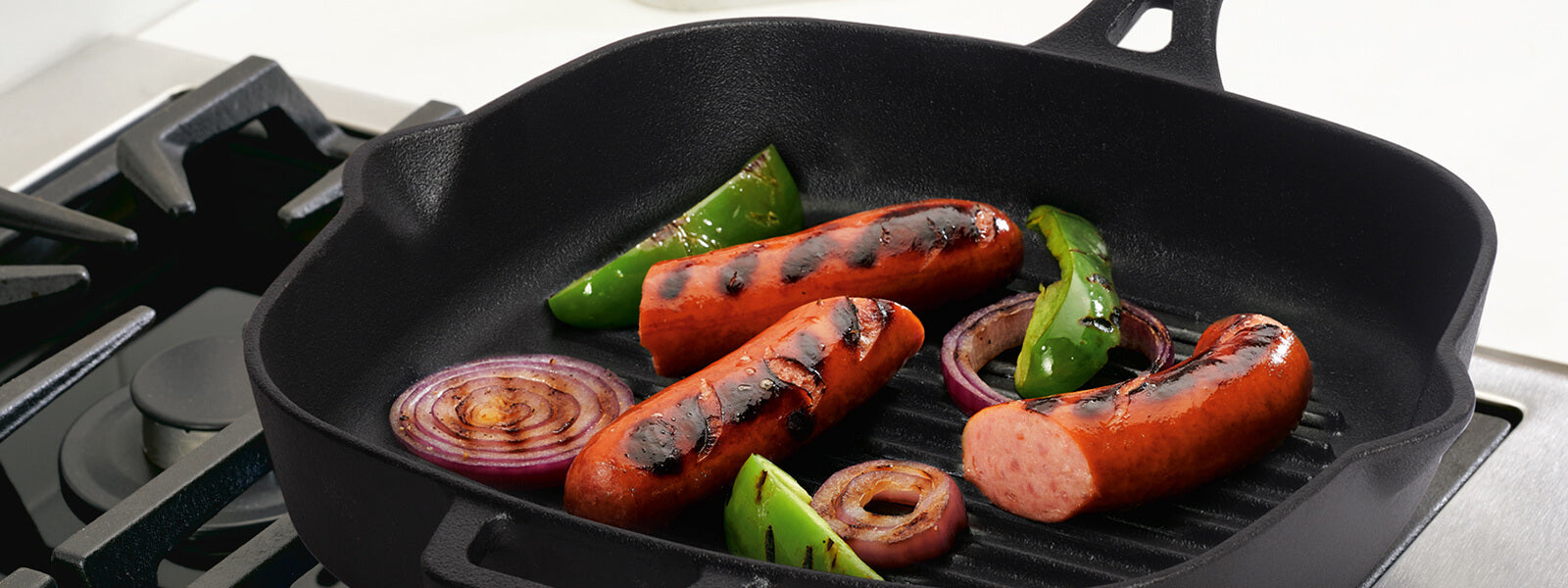
A-Z Guide To Cast Iron Cookware; Use & Utility
2 Items
Best Cookware for Special Diwali Recipes
2 Items
Cast Iron Cookware: How It Can Last a Lifetime
2 Items
How Steel Cookware has replaced Aluminium Cookware in India 2022
2 Items
How to Properly Care for Your Bakeware to Ensure Long-Lasting Use
2 Items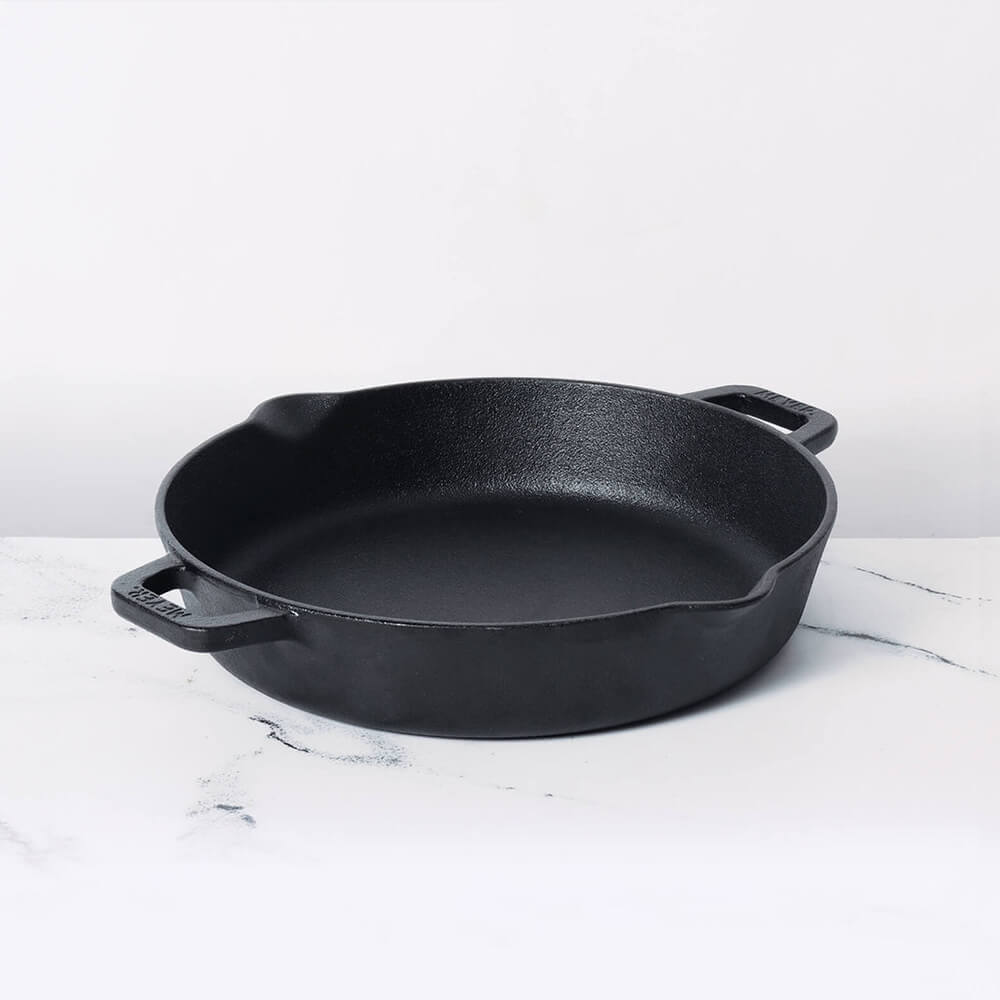


Leave a comment