



Indian cooking is vibrant, diverse, and technique-driven. From high-heat tadkas and slow-simmered gravies to crispy dosas and oil-light stir-fries, our kitchens demand cookware that is versatile, durable, and safe. With growing awareness around health and toxin-free cooking, ceramic coated cookware has emerged as a popular choice.
But the real question remains: Is ceramic coated cookware suitable for everyday Indian cooking?
Let’s explore this in depth—while understanding how thoughtfully engineered options like the Meyer Anzen Ceramic Cookware are designed to meet modern Indian kitchen needs.
Table of Contents
Understanding Ceramic Coated Cookware
Ceramic coated cookware typically consists of:
-
A sturdy metal base (often aluminum for heat conductivity)
-
A smooth ceramic-based coating derived from natural minerals
-
A non-stick cooking surface free from PFOA and PFAS
Unlike conventional non-stick coatings, ceramic coatings are marketed as toxin-free and environmentally conscious. They provide a naturally slick surface that allows food to release easily with minimal oil.
For Indian households increasingly focused on healthier cooking, this is a major advantage.

The Reality of Everyday Indian Cooking
Before evaluating suitability, it’s important to understand what “everyday Indian cooking” involves:
-
Tempering whole spices in hot oil
-
Sautéing onions and tomatoes for masala bases
-
Slow cooking dals and curries
-
Shallow frying cutlets or tikkis
-
Preparing breakfast staples like dosa, cheela, and omelettes
-
Occasional deep frying
This range demands cookware that can handle oil, spices, acidic ingredients, and varying heat levels.
So where does ceramic coated cookware stand?
1. Ideal for Low to Medium Heat Cooking
Ceramic coated cookware performs exceptionally well for:
- Vegetable stir-fries
- Paneer bhurji
- Egg preparations
- Dosas and pancakes
- Poha and upma
- Light gravies
The ultra-smooth surface of Meyer Anzen allows food to glide effortlessly. This means:
- Less oil required
- Reduced sticking
- Easier flipping and stirring
- Quick cleanup after cooking
For daily breakfast and routine meals cooked on medium heat, ceramic cookware is highly efficient.
2. Oil Reduction – A Major Benefit for Indian Families
One of the strongest reasons ceramic cookware is gaining popularity in India is oil control.
Traditional Indian cooking can sometimes be oil-heavy. With ceramic coated cookware like Meyer Anzen:
-
You can sauté vegetables with minimal oil
-
Tikkis can be shallow fried using less fat
-
Eggs and pancakes release without greasing heavily
For families managing lifestyle conditions such as diabetes or cholesterol concerns, reducing oil intake becomes easier without compromising taste.
Ceramic cookware supports conscious cooking without sacrificing convenience.
3. Performance in Indian Gravies and Masalas
Indian gravies typically begin with:
-
Heating oil
-
Adding whole spices
-
Sautéing onions until golden
-
Cooking tomatoes and spices until oil separates
Ceramic cookware can handle these steps effectively on controlled heat. The key is temperature moderation.
The aluminum base in Meyer Anzen ensures even heat distribution, reducing hotspots that could burn masala. When used on medium flame:
- Onion browning is uniform
- Tomatoes soften evenly
- Spices cook without scorching
However, extremely high heat for prolonged durations may reduce the coating’s lifespan. For aggressive bhunao at very high temperatures, alternating with stainless steel or cast iron is advisable.
4. Safe for Acidic Indian Ingredients
Indian cooking frequently uses:
- Tomatoes
- Tamarind
- Curd
- Kokum
- Lemon
Low-quality cookware can react with acidic foods, affecting taste and safety. Ceramic coating is non-reactive, making it suitable for such ingredients.
Meyer Anzen’s ceramic surface ensures:
- No metallic leaching
- No alteration of flavors
- Safe cooking for everyday curries
This makes it ideal for dishes like rajma, chole, kadhi, and tomato-based gravies.
5. Cleaning Convenience in Busy Kitchens
Let’s be honest—Indian cooking leaves behind turmeric stains, oil splashes, and masala residue.
Ceramic coated cookware simplifies post-meal cleanup:
-
Food residue wipes off easily
-
Minimal soaking required
-
No aggressive scrubbing needed
With proper care (using wooden or silicone utensils and avoiding abrasive scrubbers), the surface remains smooth and functional for a long time.
For working professionals and busy households, this ease of maintenance is a major advantage.
6. What About High-Heat Cooking?
This is where balance is important.
Ceramic coated cookware is not designed for:
-
Repeated high-flame deep frying
-
Intense dry roasting at maximum heat
-
Prolonged empty heating
While occasional high heat is manageable, daily aggressive cooking at high temperatures may shorten coating life.
The best approach in Indian kitchens is a hybrid cookware strategy:
-
Use ceramic coated cookware like Meyer Anzen for low-oil, medium-heat meals
-
Use stainless steel or cast iron for heavy-duty frying or searing
This combination ensures longevity and optimal performance.
7. Durability – What to Expect
Ceramic coated cookware generally has a moderate lifespan compared to stainless steel or cast iron.
Its longevity depends on:
- Heat control
- Proper utensils
- Gentle cleaning
- Avoiding thermal shock
Meyer Anzen is engineered with durability in mind, offering strong adhesion between coating and base. However, like all ceramic cookware, it benefits from mindful usage.
With correct care, it performs efficiently for everyday cooking needs.
8. Is Ceramic Cookware Safe?
High-quality ceramic cookware is:
-
Free from PFOA
-
Free from PFAS
-
Free from harmful heavy metals
-
Non-reactive
Meyer Anzen aligns with modern safety expectations, offering peace of mind for families who prioritize toxin-free cooking surfaces.
As long as the coating remains intact and undamaged, ceramic cookware remains safe for regular use.
9. Who Should Choose Ceramic Coated Cookware?
Ceramic cookware is especially suitable for:
- Health-conscious families
- Urban households
- Light to moderate daily cooking
- Those reducing oil consumption
- Small to mid-sized families
- Individuals preferring easy cleanup
If your cooking involves mostly medium-heat sautéing, breakfast dishes, and everyday curries, ceramic cookware can serve as a dependable primary option.
10. When Should You Consider Alternatives?
If your cooking style heavily includes:
-
Daily deep frying
-
Commercial-level high-heat cooking
-
Intense dry roasting
Then you may need to complement ceramic cookware with more heat-tolerant materials.
Even in such cases, Meyer Anzen works beautifully for lighter meals and oil-controlled dishes.
Final Verdict: Is Ceramic Coated Cookware Suitable for Everyday Indian Cooking?
Yes—ceramic coated cookware is suitable for everyday Indian cooking, especially when used appropriately.
It offers:
- Reduced oil cooking
- Smooth food release
- Non-reactive surface
- Easy cleaning
- Modern, toxin-free design
With products like Meyer Anzen, ceramic cookware becomes a smart addition to contemporary Indian kitchens that value both health and convenience.
The key lies in:
- Controlled heat usage
- Proper utensil care
- Realistic expectations about durability
For balanced, mindful cooking, ceramic coated cookware can absolutely become an everyday essential—supporting healthier meals without compromising the rich flavors that define Indian cuisine.
MORE FROM BLOG
Top Collections

Can Ceramic Cookware Be Used for Breakfast and Light Meals?
2 Items
Can Ceramic Cookware Handle Everyday Indian Meals?
2 Items
Can Ceramic Cookware Handle Indian Spices Gently?
2 Items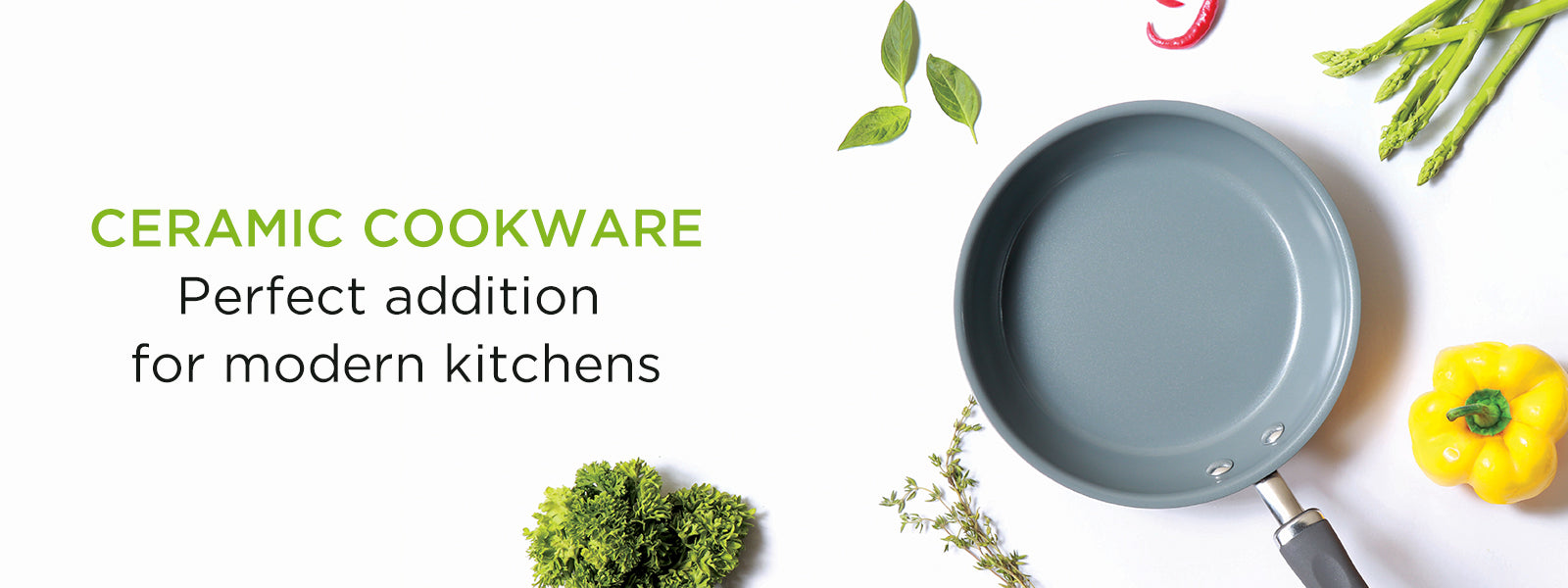
Health Benefits Of Cooking In Ceramic Cookware
2 Items
How Does Ceramic Cookware Prevent Food from Sticking Naturally?
2 Items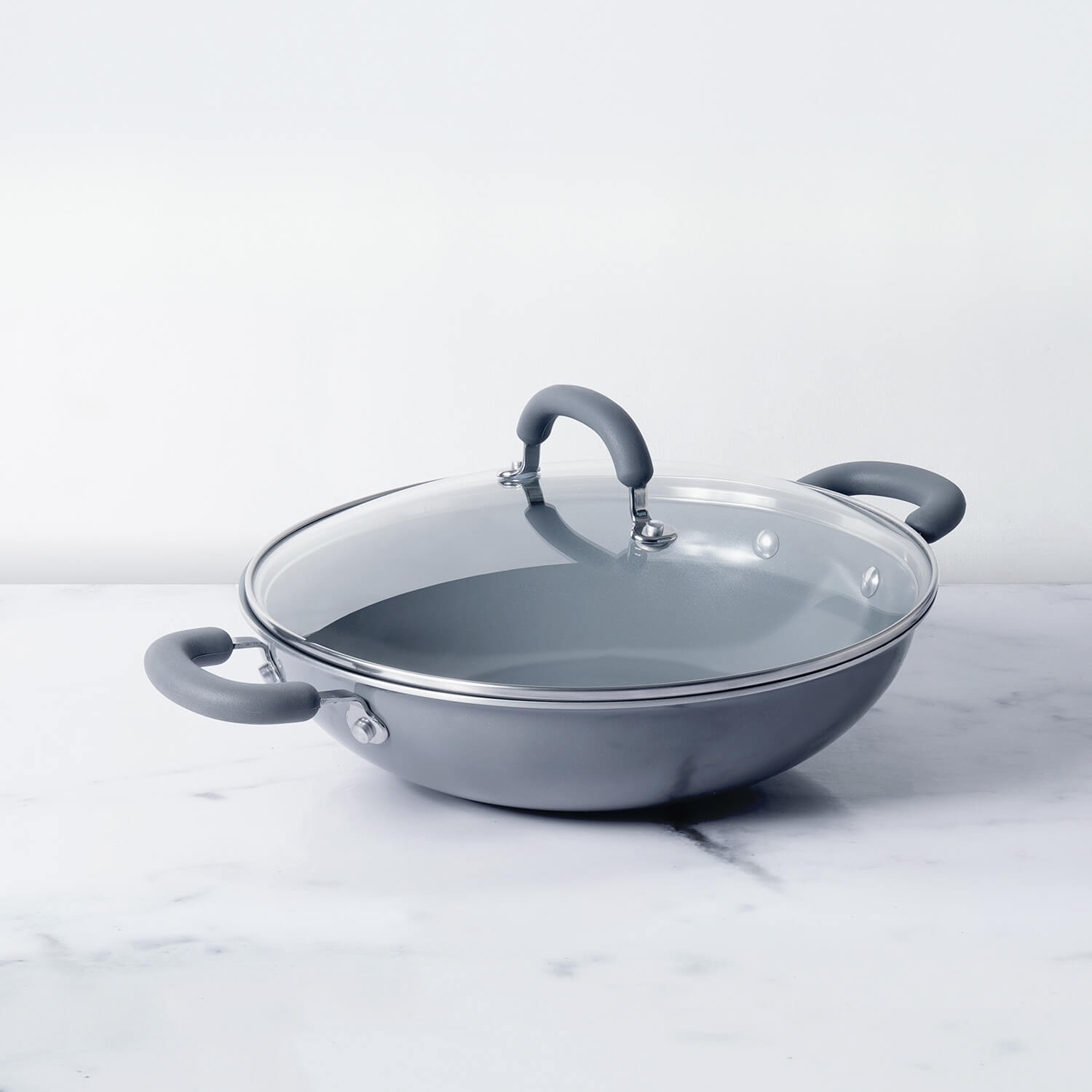


Leave a comment