



Stainless steel cookware has long been trusted in kitchens for its durability, versatility, and ability to handle a wide range of cooking techniques. From simmering dals and curries to sautéing vegetables and frying spices, stainless steel remains one of the most dependable cookware materials available.
However, in recent years, many home cooks have started asking an important question: Is nickel-free stainless steel actually better than traditional stainless steel cookware?
As awareness around cookware materials grows, more people are looking for cookware that combines performance, durability, and thoughtful material choices. Nickel-free stainless steel cookware has emerged as an appealing option for those who want the strength of stainless steel while avoiding nickel in the cookware composition.
Table of Contents
- 1. What Is Stainless Steel Cookware Made Of?
- 2. What Is Nickel-Free Stainless Steel?
- 3. Why Some People Prefer Nickel-Free Cookware
- 4. Understanding Meyer Select Nickel-Free Stainless Steel Cookware
- 5. Key Features of Meyer Select Nickel-Free Stainless Steel Cookware
- 6. How Nickel-Free Stainless Steel Performs in the Kitchen
- 7. Who Should Consider Nickel-Free Stainless Steel Cookware?
- 8. Tips for Cooking with Stainless Steel Cookware
- 9. Final Thoughts
What Is Stainless Steel Cookware Made Of?
Traditional stainless steel cookware is typically made using a combination of metals that improve durability and corrosion resistance.
Most commonly, stainless steel cookware is categorized by grades such as 18/10 or 18/8 stainless steel.
These numbers refer to the composition of the steel:
· 18% chromium – provides corrosion resistance and durability
· 8–10% nickel – enhances shine and rust resistance
Nickel plays a role in giving stainless steel its bright, polished appearance and improved corrosion resistance.
However, not all stainless steel cookware requires nickel to perform effectively.

What Is Nickel-Free Stainless Steel?
Nickel-free stainless steel cookware is designed using stainless steel formulations that do not include nickel in the alloy composition.
Instead of nickel, manufacturers may use other elements such as manganese or nitrogen to strengthen the steel while maintaining corrosion resistance.
The result is cookware that still offers many of the advantages of stainless steel, including:
· Durability
· Strength
· Resistance to corrosion
· Long-lasting performance
At the same time, it avoids the use of nickel in the cooking surface.
Why Some People Prefer Nickel-Free Cookware
There are several reasons why nickel-free cookware has gained attention among home cooks.
While traditional stainless steel remains widely used, nickel-free cookware appeals to people who want greater control over the materials used in their kitchen tools.
1. Sensitivity to Nickel
Nickel sensitivity is relatively common in some individuals.
People with nickel sensitivity may experience mild skin irritation when exposed to nickel in jewelry or other materials.
Although the levels of nickel exposure from cookware are typically extremely low, some consumers prefer cookware that avoids nickel altogether.
Nickel-free stainless steel cookware provides an alternative for households that want to minimize nickel exposure in food preparation.
2. A Practical Option for Everyday Cooking
Nickel-free stainless steel cookware is often designed to deliver the same practical benefits as traditional stainless steel cookware.
These benefits include:
· High durability
· Resistance to warping
· Compatibility with multiple cooktops
· Excellent longevity
Because of these qualities, nickel-free cookware can be a reliable option for daily cooking tasks in busy kitchens.
3. Durability and Strength
Nickel-free stainless steel cookware is often built with robust stainless steel structures and thick bases, making it capable of handling high cooking temperatures.
This durability makes it suitable for many cooking methods commonly used in Indian kitchens, such as:
· Tempering spices
· Sautéing onions and aromatics
· Preparing curries and gravies
· Pan-frying vegetables
Strong construction also means the cookware can withstand years of regular use.
Understanding Meyer Select Nickel-Free Stainless Steel Cookware
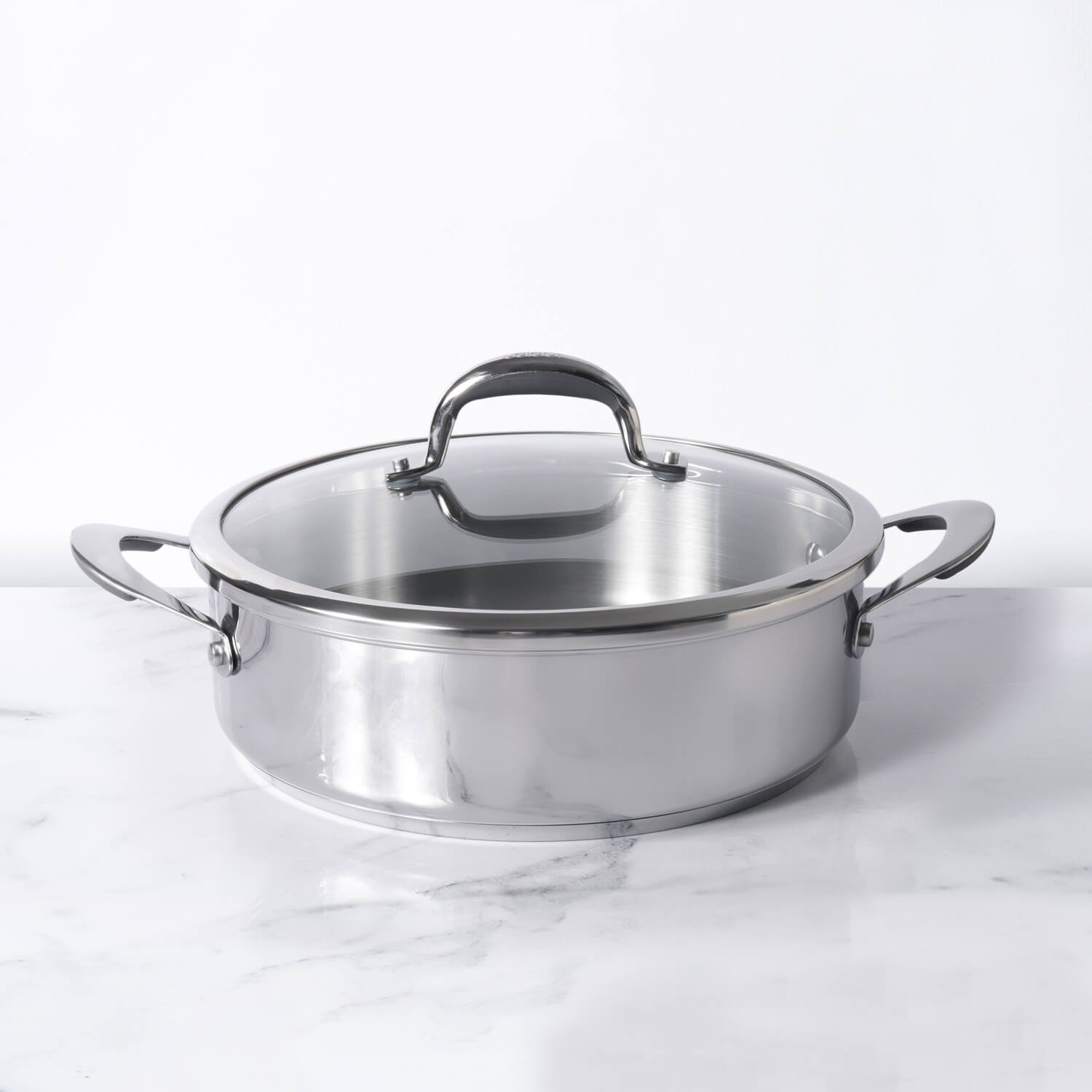
For cooks who want the benefits of stainless steel without nickel, Meyer Select Nickel-Free Stainless Steel Cookware offers a thoughtfully designed solution.
This cookware collection combines nickel-free stainless steel construction with durable multi-layer bases to ensure reliable cooking performance.
The range is designed to support everyday cooking while maintaining the durability expected from high-quality stainless steel cookware.
Key Features of Meyer Select Nickel-Free Stainless Steel Cookware
Nickel-Free Stainless Steel Cooking Surface
The cooking surface is made using stainless steel that does not contain nickel, making it an appealing choice for households looking for nickel-free cookware solutions.
Strong and Durable Construction
Meyer Select cookware is built to handle everyday cooking demands, from preparing simple breakfasts to cooking elaborate meals.
Its sturdy construction ensures long-term durability even with regular use.
Efficient Heat Distribution
High-quality stainless steel cookware often incorporates layered bases that help distribute heat more evenly across the cooking surface.
This helps reduce hot spots and supports consistent cooking results.
Compatibility with Modern Cooktops
Meyer Select cookware is designed to work across different cooking surfaces, including:
· Gas stoves
· Induction cooktops
· Electric cooktops
· Ceramic cooktops
This versatility makes it suitable for modern kitchens with evolving cooking technologies.
How Nickel-Free Stainless Steel Performs in the Kitchen
In practical cooking situations, nickel-free stainless steel cookware performs very similarly to traditional stainless steel cookware.
It is particularly well suited for cooking techniques such as:
Sautéing
The cookware heats efficiently, making it ideal for sautéing vegetables, spices, and aromatics.
Simmering
Stainless steel cookware works well for simmering dals, soups, and gravies.
Pan-Frying
With proper preheating and the right amount of oil, stainless steel pans can handle pan-frying tasks effectively.
Boiling and Steaming
Stainless steel pots and saucepans are commonly used for boiling rice, pasta, vegetables, and preparing soups.
Who Should Consider Nickel-Free Stainless Steel Cookware?
Nickel-free cookware may be particularly appealing for certain households.
People with Nickel Sensitivity
Those who prefer to minimize exposure to nickel may find nickel-free cookware a reassuring choice.
Health-Conscious Home Cooks
Some home cooks prefer cookware made from materials that align with their personal preferences for kitchen tools.
Nickel-free stainless steel cookware offers an option for those seeking alternative stainless steel formulations.
Families Seeking Durable Cookware
Because stainless steel cookware is known for its longevity, nickel-free stainless steel cookware remains a strong choice for families who want cookware that lasts for many years.
Everyday Home Cooking
Nickel-free stainless steel cookware is highly practical for everyday cooking tasks such as making curries, sautéing vegetables, preparing breakfast dishes, and cooking grains.
Tips for Cooking with Stainless Steel Cookware
Whether using traditional stainless steel or nickel-free stainless steel cookware, a few simple techniques can improve cooking results.
Preheat the Pan
Allow the pan to heat before adding oil. Proper preheating helps prevent sticking.
Use Adequate Oil
Adding the right amount of oil helps create a natural barrier between the food and the cooking surface.
Avoid Excessive Heat
Medium to medium-high heat usually works best for stainless steel cookware.
Clean Properly
Using warm water, mild detergent, and a soft sponge helps maintain the cookware’s appearance and performance.
Final Thoughts
Nickel-free stainless steel cookware offers a thoughtful alternative for those who prefer cookware made without nickel while still enjoying the durability and performance associated with stainless steel.
Collections such as Meyer Select Nickel-Free Stainless Steel Cookware combine strong construction, efficient heat distribution, and compatibility with modern cooktops to create cookware suited for everyday cooking.
For home cooks who want long-lasting cookware built with carefully chosen materials, nickel-free stainless steel can be a practical and reliable addition to the kitchen.
By understanding the differences between traditional stainless steel and nickel-free alternatives, you can choose cookware that aligns with your cooking style, kitchen setup, and personal preferences.
MORE FROM BLOG
Top Collections
Advantages of a 2 Litre Stainless Steel Pressure Cooker
2 Items
Best stainless steel cookware for summer cooking
2 Items
Best Stainless Steel Kadai for Deep Frying
2 Items
Best Ways to Maintain the Shine of Your Stainless Steel Cookware
2 Items
Can I use stainless steel cookware in an electric oven?
2 Items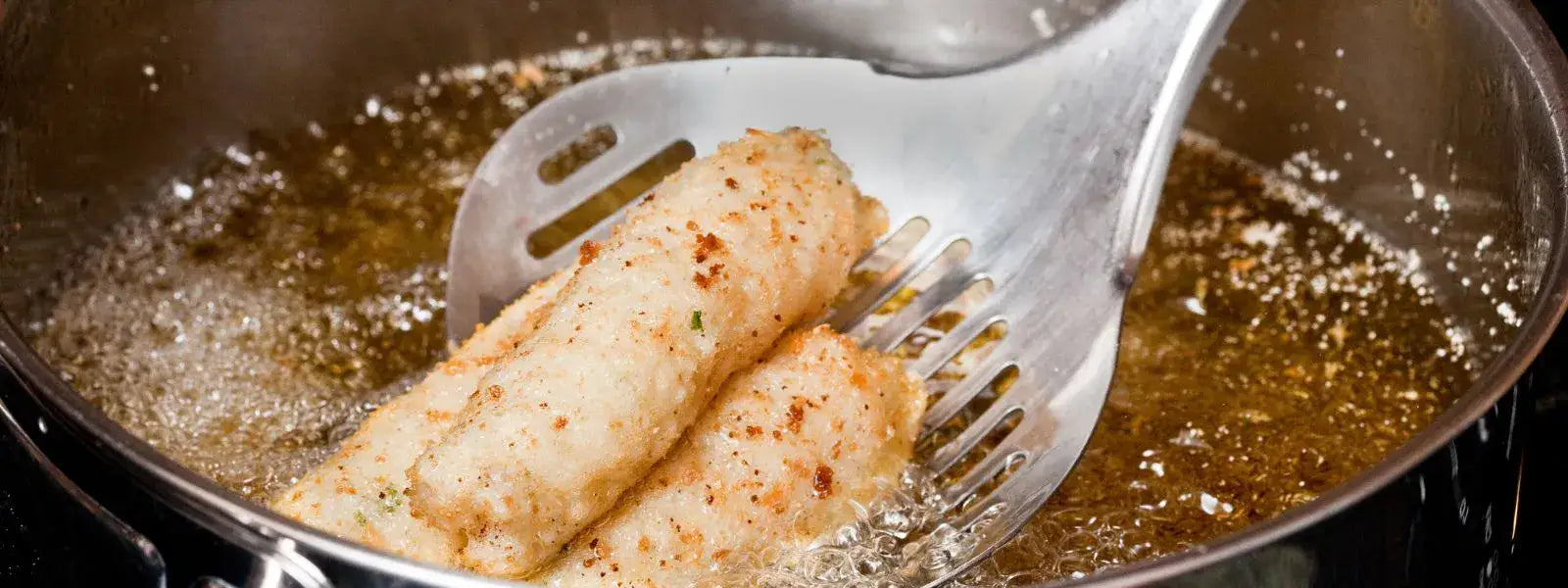
Can stainless steel pan be used for Deep Frying?
2 Items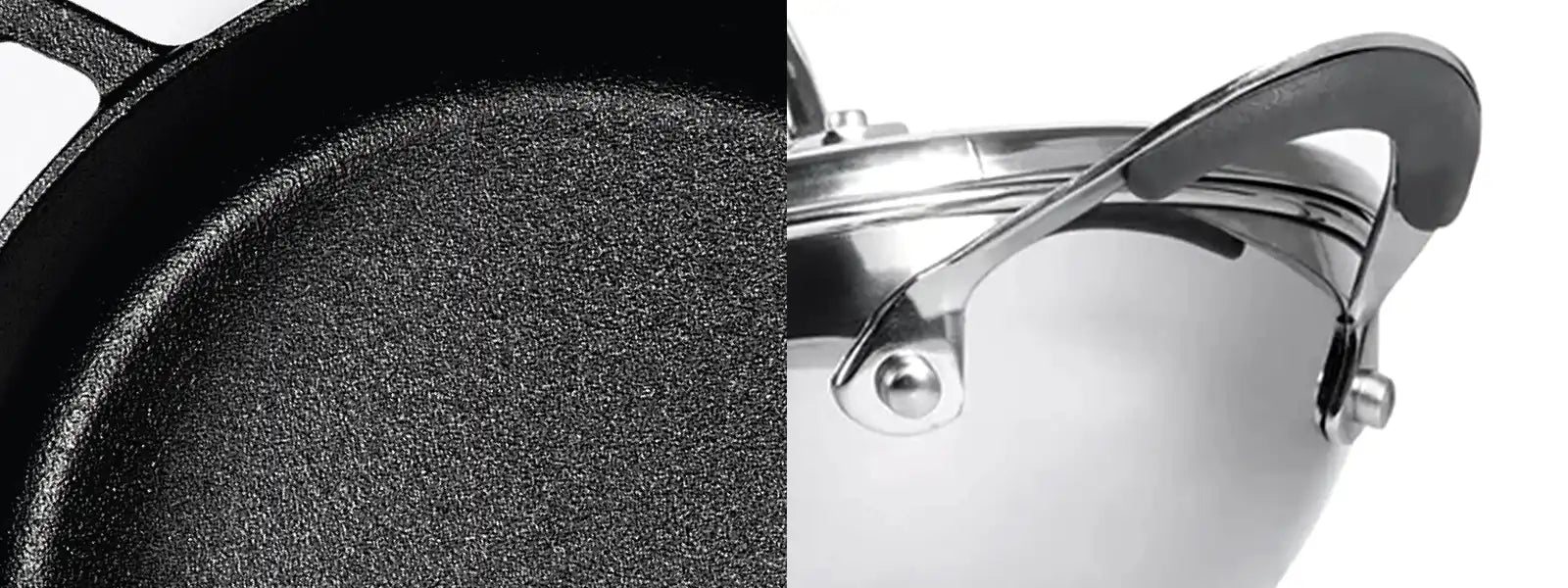
Cast iron pan vs. stainless steel pan — which should I buy?
2 Items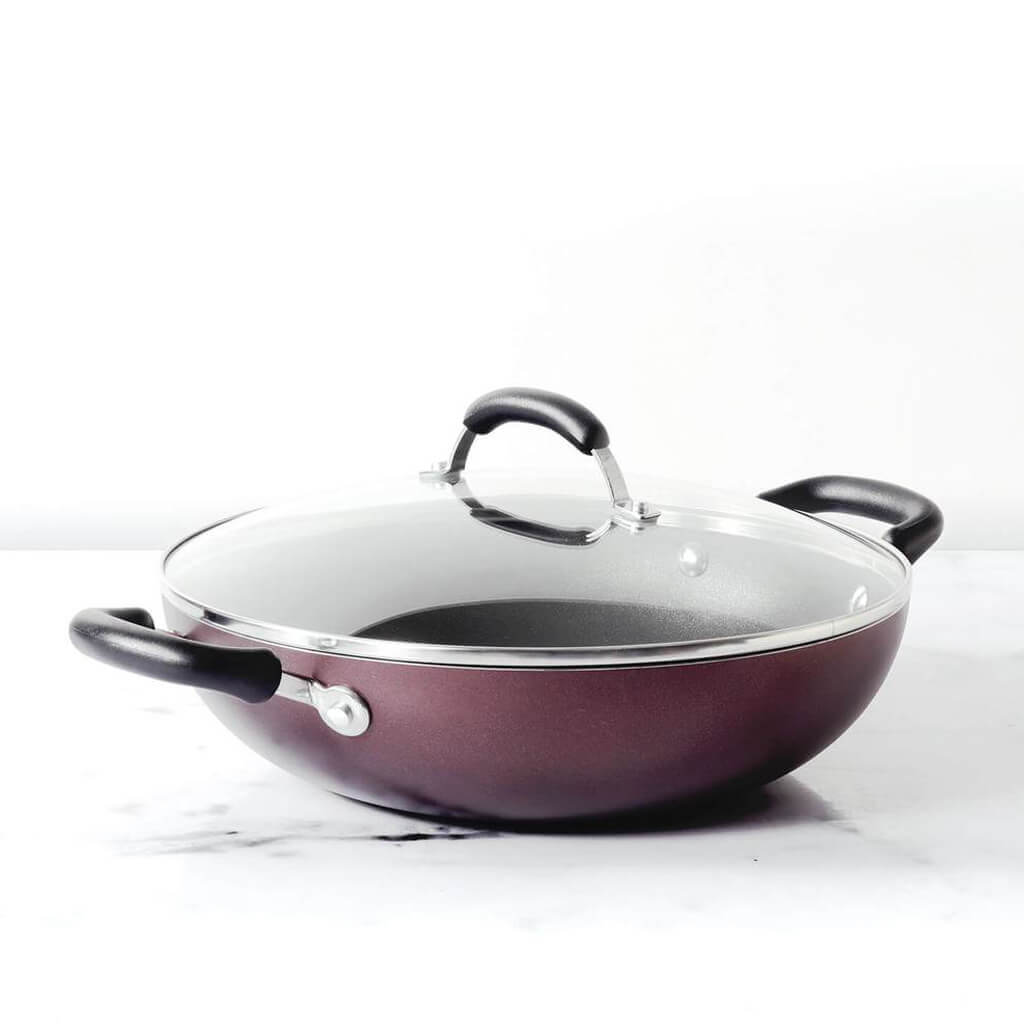


Leave a comment