



Pressure cooking is an essential part of everyday Indian cooking. From boiling dals and legumes to preparing rice, sambhar, curries, and one-pot meals, pressure cookers save time while locking in flavour and nutrition. As cooking habits evolve and awareness around food safety increases, many home cooks are rethinking their cookware choices and asking an important question: Is stainless steel cookware good for pressure cooking?
The answer is a clear yes. In fact, stainless steel is widely considered one of the safest, most hygienic, and most durable materials for pressure cooking, especially for Indian food. Modern stainless steel pressure cookers, such as the Meyer Presta Stainless Steel Pressure Cooker, are designed to meet the demands of daily Indian cooking while offering long-term reliability and peace of mind.
Table of Contents
- 1. Why the Right Material Matters in Pressure Cooking
- 2. Strength and Durability Under Pressure
- 3. Non-Reactive Cooking for Authentic Indian Flavours
- 4. Superior Hygiene for Everyday Cooking
- 5. Safe High-Heat Cooking Without Chemical Coatings
- 6. Even Heat Distribution for Consistent Results
- 7. Stainless Steel vs Aluminium in Pressure Cooking
- 8. Cooking Speed and Efficiency
- 9. Indian Dishes Perfect for Stainless Steel Pressure Cooking
- 10. What to Look for in a Stainless Steel Pressure Cooker
- 11. Tips for Pressure Cooking Successfully in Stainless Steel
- 12. Is Stainless Steel Pressure Cookware Worth It?
- 13. Conclusion
Why the Right Material Matters in Pressure Cooking
Pressure cooking is not ordinary cooking. It involves cooking food in a sealed environment under high temperature and steam pressure. The cookware must be strong enough to withstand internal pressure, stable enough to handle repeated heating cycles, and safe enough to remain non-reactive with food during prolonged cooking.
Indian pressure-cooked dishes often include acidic ingredients, high moisture content, and long cooking times. This makes the choice of cookware material critical—not just for taste, but also for hygiene, safety, and durability.
Strength and Durability Under Pressure
One of the biggest reasons stainless steel cookware is ideal for pressure cooking is its structural strength. Stainless steel has high tensile strength, which allows it to withstand intense internal pressure without warping or weakening over time.
The Meyer Presta Stainless Steel Pressure Cooker is engineered specifically for this purpose. Its sturdy construction ensures that the cooker maintains its shape and performance even after years of daily use. Unlike thinner materials that may deform with repeated heating and cooling, stainless steel remains stable and dependable, making it ideal for Indian households that rely on pressure cooking almost every day.

Non-Reactive Cooking for Authentic Indian Flavours
Indian pressure-cooked food often includes tomatoes, tamarind, kokum, curd, vinegar, and spices that are naturally acidic. Stainless steel is a non-reactive material, meaning it does not interact with these ingredients during cooking.
This non-reactive nature ensures that:
-
The taste of food remains pure and unchanged
-
There is no metallic aftertaste
-
Nutritional value is preserved
-
Gravies retain their natural colour and texture
With stainless steel pressure cookers like the Meyer Presta, you can confidently cook tomato-based dals, sambhar, rasam, rajma, chole, and curries without worrying about flavour alteration or food safety.
Meyer Select Stainless Steel Kadai 30cm
Superior Hygiene for Everyday Cooking
Hygiene is one of the most overlooked yet important aspects of pressure cooking. Stainless steel has a smooth, non-porous surface that does not absorb food particles, oils, or odours. This makes it extremely hygienic and easy to clean thoroughly.
In a pressure cooker, where steam and moisture are involved, a non-porous surface helps prevent bacterial build-up. The Meyer Presta Stainless Steel Pressure Cooker is designed for easy cleaning, ensuring that everyday foods like rice, dal, khichdi, and legumes can be prepared in a clean and safe cooking environment.
Safe High-Heat Cooking Without Chemical Coatings
Pressure cooking requires sustained high heat. Stainless steel cookware can handle high temperatures without releasing harmful fumes or toxins. Unlike coated cookware, stainless steel pressure cookers do not rely on chemical layers that can degrade over time.
This makes stainless steel a safer long-term option, especially for families that cook frequently. The Meyer Presta pressure cooker offers coating-free cooking, ensuring that food remains free from unwanted chemicals even after years of use.
Even Heat Distribution for Consistent Results
A common concern with stainless steel cookware is heat distribution. Modern stainless steel pressure cookers address this through advanced base construction. Instead of relying on thin metal, high-quality pressure cookers use thick bases or layered construction to distribute heat evenly.
The Meyer Presta Stainless Steel Pressure Cooker is designed to spread heat uniformly across the base, reducing hot spots and preventing food from burning at the bottom. This is especially important for pressure-cooked dals, legumes, and rice-based dishes that tend to stick if heat is uneven.
Stainless Steel vs Aluminium in Pressure Cooking
In many Indian homes, aluminium pressure cookers have been traditionally used due to their lighter weight and quicker heating. However, stainless steel pressure cookers are increasingly preferred for long-term use.
Stainless steel does not react with acidic foods, remains hygienic over time, and retains its structural integrity better than aluminium, which may pit or degrade with prolonged use. For cooks who prioritise food safety, durability, and consistent taste, stainless steel pressure cookware—especially premium options like the Meyer Presta—is a more future-ready choice.
Cooking Speed and Efficiency
There is a misconception that stainless steel pressure cookers cook slower than aluminium ones. While stainless steel may take a little longer to heat initially, once pressure is built, cooking time is comparable. In fact, stainless steel retains heat efficiently, allowing pressure to remain stable during cooking.
With proper heat control, the difference in cooking time becomes negligible, while the benefits of safety and durability remain significant.
Indian Dishes Perfect for Stainless Steel Pressure Cooking
Stainless steel pressure cookers are ideal for a wide range of Indian recipes. The Meyer Presta Stainless Steel Pressure Cooker handles everyday cooking tasks with ease, including preparing dals, legumes like rajma and chole, rice and brown rice, sambhar, vegetable curries, khichdi, pulao, and even bone broths.
The non-reactive and hygienic surface ensures consistent results across all these dishes, making stainless steel a versatile choice for Indian kitchens.
What to Look for in a Stainless Steel Pressure Cooker
When choosing a stainless steel pressure cooker, it is important to look for food-grade stainless steel, a thick and sturdy base, certified safety valves, and a secure locking mechanism. Compatibility with both gas and induction cooktops is also an advantage.
The Meyer Presta Stainless Steel Pressure Cooker is designed with these features in mind, offering safety, durability, and performance tailored to Indian cooking needs.
Tips for Pressure Cooking Successfully in Stainless Steel
To get the best results when using stainless steel pressure cookware, always ensure that sufficient liquid is added before sealing the cooker. Once pressure is achieved, reduce the flame to medium to maintain steady cooking. Allow natural pressure release for dals and legumes to improve texture and taste. Proper cleaning after cooking starchy foods helps maintain hygiene and performance.
Is Stainless Steel Pressure Cookware Worth It?
While stainless steel pressure cookers may have a higher upfront cost compared to aluminium options, they offer better longevity, safety, and performance over time. Investing in a high-quality pressure cooker like the Meyer Presta means fewer replacements, safer cooking, and consistent results for years to come.
Conclusion
So, is stainless steel cookware good for pressure cooking? Without a doubt, yes. Stainless steel pressure cookers are strong, hygienic, non-reactive, and safe for high-heat cooking. For Indian kitchens that rely heavily on pressure cooking, stainless steel offers reliability, peace of mind, and superior long-term value.
The Meyer Presta Stainless Steel Pressure Cooker stands out as a dependable choice for everyday Indian cooking, combining safety, durability, and thoughtful design for modern homes.
MORE FROM BLOG
Top Collections
5 Reasons Why Every Home Cook Needs Stainless Steel Pots
2 Items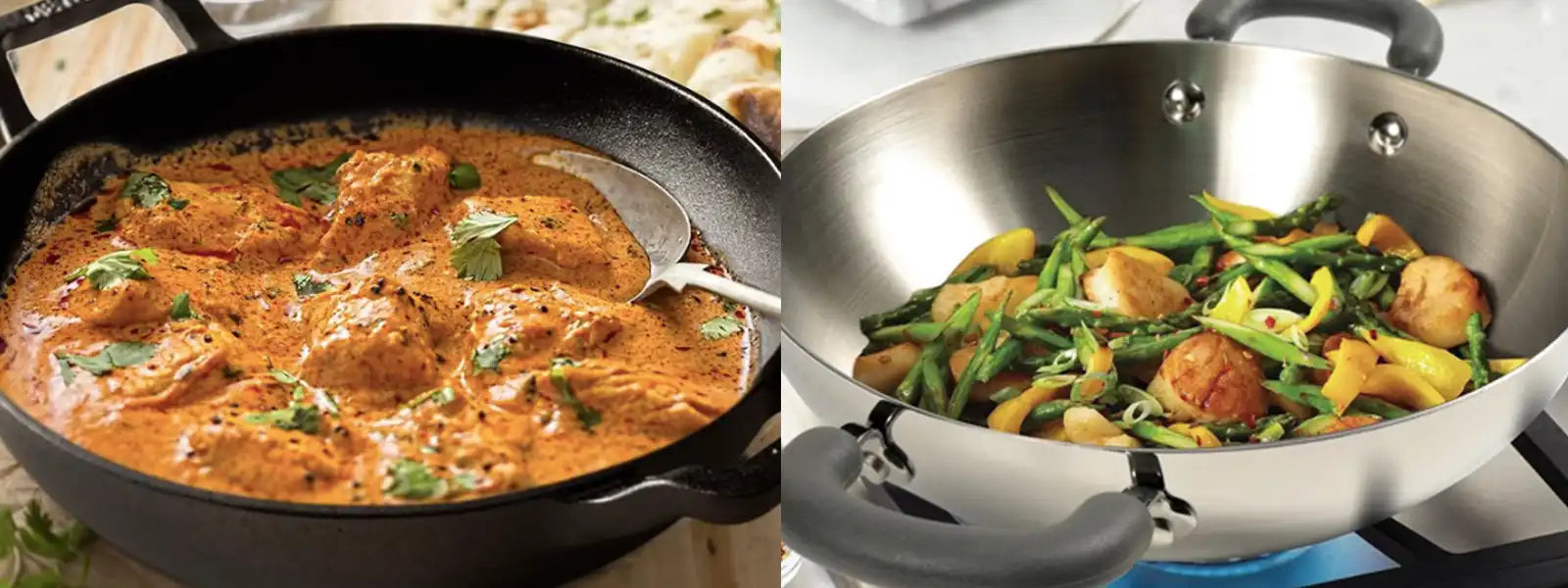
Cast Iron vs. Stainless Steel Cookware (What's the Difference?)
2 Items
Best Stainless Steel Cookware in India - A Celebrity Chef's Favourites
2 Items
How to Transition from Non-Stick to Stainless Steel Cookware in 2025
2 Items
Is Stainless Steel Good for Daily Indian Cooking?
2 Items
Master the art of cooking on a Stainless Steel cookware
2 Items


Leave a comment