



Slow cooking is the soul of Indian cuisine. Whether it is dal makhani simmered overnight, butter chicken cooked until velvety smooth, or a fragrant mutton curry that deepens in taste over time, Indian gravies rely on controlled heat and gradual flavor development. One of the most common questions modern home cooks ask is: Is stainless steel suitable for slow cooking Indian gravies?
The answer is a confident yes. In fact, stainless steel cookware—especially when designed with advanced tri-ply construction—can be one of the best choices for preparing traditional Indian gravies. With the right technique and quality cookware like Meyer Trivantage Stainless Steel Cookware, slow cooking becomes more controlled, efficient, and rewarding.
This detailed guide explains why stainless steel works beautifully for slow-cooked curries, how to use it properly, and why investing in high-performance cookware can elevate your everyday Indian cooking.
Table of Contents
- 1. Why Slow Cooking Matters in Indian Cuisine
- 2. Is Stainless Steel Good for Slow Cooking Indian Gravies?
- 3. The Advantage of Tri-Ply Construction
- 4. Why Stainless Steel Is Better Than Many Alternatives
- 5. How Stainless Steel Supports Flavor Development
- 6. Ideal Indian Gravies for Stainless Steel Slow Cooking
- 7. Acidic Ingredients and Stainless Steel Safety
- 8. Preventing Burning While Slow Cooking
- 9. Cleaning After Slow Cooking
- 10. Energy Efficiency and Heat Control
- 11. Long-Term Durability for Indian Kitchens
- 12. Is Stainless Steel Suitable for Everyday Slow Cooking?
- 13. Final Verdict
Why Slow Cooking Matters in Indian Cuisine
Indian gravies are not simply mixed and boiled. They are layered. Each step builds complexity:
-
Whole spices are tempered in hot oil to release aroma.
-
Onions are sautéed until caramelized.
-
Ginger-garlic paste is cooked to remove rawness.
-
Tomatoes are reduced until oil separates.
-
Spices are added and gently roasted.
-
Liquids such as water, stock, curd, or coconut milk are incorporated.
-
The dish is then simmered slowly to allow flavors to blend.
This method requires cookware that can handle high heat initially and then maintain a steady, gentle simmer for extended periods. Stainless steel excels in this process.

Is Stainless Steel Good for Slow Cooking Indian Gravies?
Yes, stainless steel is highly suitable for slow cooking Indian gravies. Its performance depends on construction quality. High-grade stainless steel cookware offers:
Even heat distribution
Stable simmering control
Durability under prolonged cooking
Non-reactive cooking surface
Ability to withstand high heat without damage
When built with tri-ply technology, stainless steel becomes even more effective for slow cooking.
The Advantage of Tri-Ply Construction
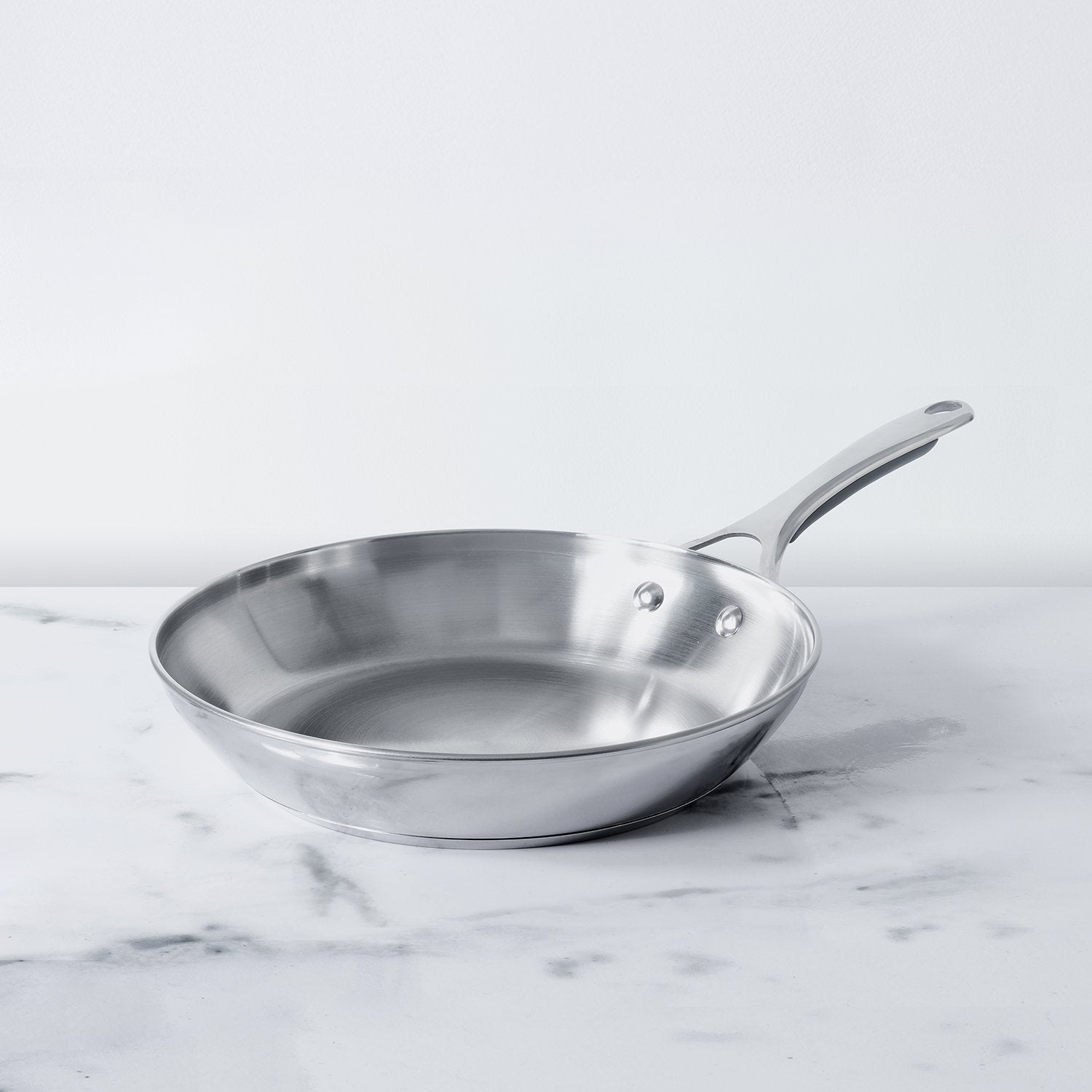
The Meyer Trivantage Stainless Steel Cookware range is crafted using tri-ply construction. This means it combines layers of stainless steel with an aluminum core bonded throughout the cookware.
This layered design offers three key benefits:
1. Uniform Heat Distribution
The aluminum core spreads heat evenly across the base and sides. This eliminates hot spots that often cause masala to burn at the center while remaining undercooked at the edges. Even heating is critical when simmering gravies for long durations.
2. Superior Heat Retention
Once your gravy reaches a simmer, tri-ply cookware maintains consistent temperature. This reduces the need for frequent flame adjustments and ensures steady cooking.
3. Non-Reactive Stainless Steel Interior
The inner stainless steel layer does not react with acidic ingredients such as tomatoes, tamarind, kokum, curd, or lemon juice. This preserves the authentic taste and vibrant color of Indian gravies.
Why Stainless Steel Is Better Than Many Alternatives
When comparing stainless steel to other cookware materials for slow cooking Indian gravies, several advantages become clear.
Non-stick cookware may struggle with prolonged high-heat sautéing and heavy spice roasting. Coatings can degrade over time, especially under intense Indian cooking methods.
Aluminum cookware, unless coated, can react with acidic ingredients and alter flavor.
Cast iron retains heat well but can sometimes react with acidic gravies and requires more maintenance.
High-quality stainless steel cookware like Meyer Trivantage offers the ideal balance of durability, safety, and performance without coating wear or flavor interference.
How Stainless Steel Supports Flavor Development
One of the hidden strengths of stainless steel in slow cooking is its ability to develop fond. Fond refers to the caramelized bits that form at the base of the pan during sautéing.
When onions and spices brown, they create flavor compounds that stick lightly to the surface. During deglazing—when you add water or stock—these bits dissolve into the gravy, enhancing depth and richness.
This flavor-building technique is essential in Indian cooking. Stainless steel encourages proper browning without trapping flavors under a coating.
Cooking Stages in Stainless Steel for Indian Gravies
To achieve the best results when slow cooking in stainless steel cookware, follow these steps:
Preheat Properly
Always preheat the pan on medium heat before adding oil. Proper preheating ensures even sautéing and prevents sticking.
Build the Masala Base
Use medium heat while sautéing onions and tomatoes. Stir occasionally to avoid burning, but allow enough time for proper caramelization.
Reduce Heat for Simmering
Once the gravy base is ready and liquid is added, reduce the flame to low. Allow the curry to simmer gently. Slow cooking is about controlled heat, not high flame.
Stir Occasionally
While tri-ply cookware distributes heat evenly, occasional stirring ensures uniform consistency, especially in thick gravies.
Ideal Indian Gravies for Stainless Steel Slow Cooking
Stainless steel cookware is particularly effective for:
Dal makhani
Rajma curry
Paneer butter masala
Chicken curry
Mutton rogan josh
Vegetable korma
Chole
Kadhi
These dishes benefit from gradual thickening and steady simmering. Even heat helps lentils soften evenly and meat tenderize properly.
Acidic Ingredients and Stainless Steel Safety
Indian gravies often contain tomatoes, curd, tamarind pulp, or kokum. Stainless steel is non-reactive, which means it does not alter taste or leach into food.
Meyer Trivantage cookware uses premium-grade stainless steel interiors, ensuring that even prolonged exposure to acidic ingredients does not compromise flavor or safety.
Preventing Burning While Slow Cooking
Some home cooks worry about gravies sticking or burning in stainless steel cookware. The key lies in heat management and construction quality.
Tri-ply cookware reduces hot spots, but technique matters too:
Use medium heat during the initial stages.
Add adequate liquid before simmering.
Lower the flame once boiling begins.
Deglaze with warm water if you notice light sticking.
Because stainless steel is durable, even if some residue forms, it can be cleaned thoroughly without damaging the surface.
Cleaning After Slow Cooking
After preparing rich gravies, residue from spices and oils may remain. Stainless steel handles deep cleaning exceptionally well.
Soak the cookware in warm water.
Use mild dish soap and a soft scrubber.
For stubborn spots, use baking soda or diluted vinegar.
Unlike coated cookware, stainless steel does not peel or wear out with thorough cleaning.
Energy Efficiency and Heat Control
Tri-ply stainless steel cookware is also energy-efficient. Because it distributes heat evenly and retains warmth effectively, you can cook on lower flame settings once the gravy reaches simmering stage.
This not only improves cooking control but also reduces gas consumption over time.
Long-Term Durability for Indian Kitchens
Indian cooking often involves repeated high-heat use. Tempering spices, frying masala, and slow simmering can be demanding on cookware.
Meyer Trivantage Stainless Steel Cookware is designed to withstand these conditions. Its heavy-gauge construction resists warping, while the bonded layers ensure consistent performance year after year.
For families who cook daily, investing in durable stainless steel cookware provides long-term reliability.
Is Stainless Steel Suitable for Everyday Slow Cooking?
Absolutely. Stainless steel is not only suitable but highly recommended for slow cooking Indian gravies when using well-constructed cookware.
It supports:
Layered cooking techniques
Controlled simmering
Flavor development
Safe acidic cooking
Easy cleaning
Long-term durability
When paired with the right technique, stainless steel cookware can outperform many other materials in traditional Indian kitchens.
Final Verdict: A Smart Choice for Rich Indian Gravies
So, is stainless steel suitable for slow cooking Indian gravies? The answer is a resounding yes.
High-quality tri-ply cookware like Meyer Trivantage Stainless Steel Cookware provides even heat distribution, steady simmering, and excellent durability. It supports every stage of gravy preparation—from sautéing spices to hours of gentle simmering—without reacting with ingredients or degrading over time.
For home cooks who value authentic flavor, reliable performance, and long-term investment, stainless steel remains one of the best cookware materials for slow cooking Indian gravies.
When technique meets thoughtful engineering, your curries achieve deeper aroma, richer texture, and perfectly balanced taste—every single time.
MORE FROM BLOG
Top Collections
Cast Iron Vs Stainless Steel: Which Is Right For You?
2 Items
Cast Iron Vs Stainless Steel Cookware: Which one should you pick?
2 Items
Best Stainless Steel Cookware in India - A Celebrity Chef's Favourites
2 Items
Choosing Between Stainless Steel and Non-Stick Frying Pans
2 Items
Choosing Between Steel and Aluminium Pressure Cookers
2 Items


Leave a comment