
Cookware Materials Safe for Daily Pressure Cooking
High-Quality Stainless Steel
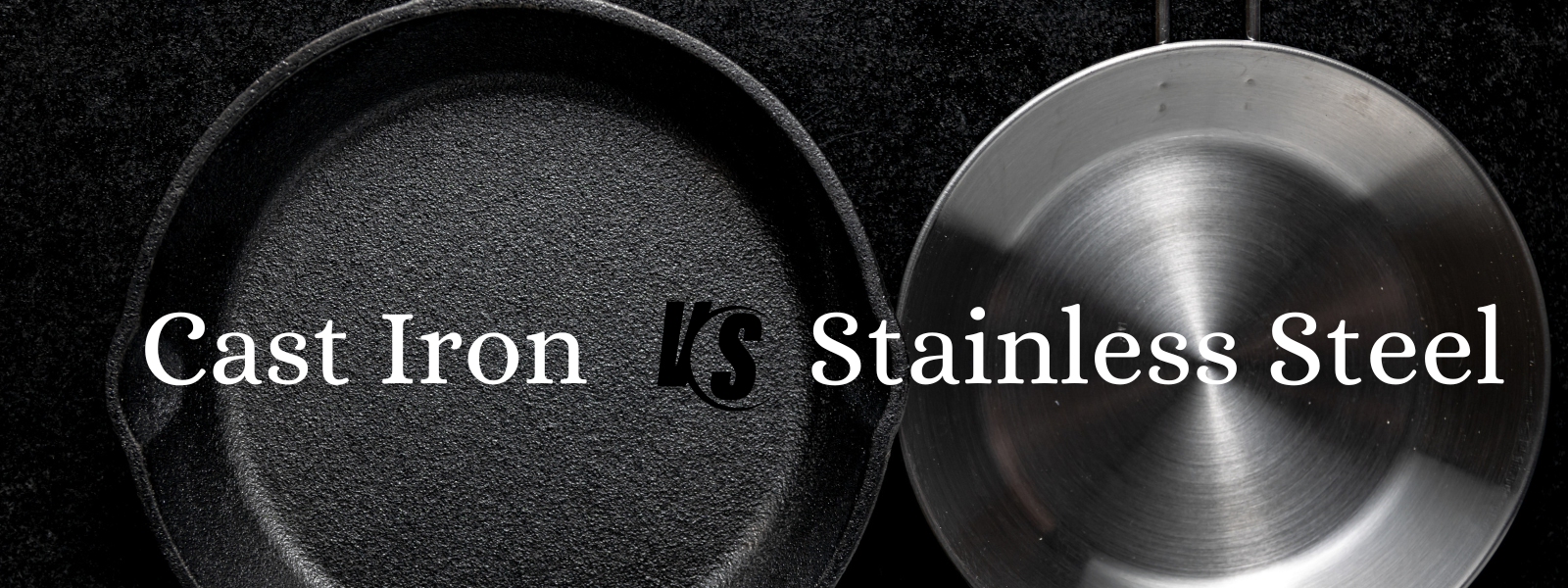
Stainless steel is one of the safest and most reliable materials for pressure cooking. It does not react with food, resists rust and corrosion, and tolerates repeated high-heat cycles.
Benefits include:
- Non-reactive, food-safe performance
- Strong resistance to denting and warping
- Long-lasting durability
- Easy cleaning and maintenance
Nickel-free variants, such as those used in premium stainless steel cookware ranges from Meyer, offer an even safer cooking experience, particularly for acidic Indian recipes.
Tri-Ply Stainless Steel
Tri-ply stainless steel is ideal for pressure cooking because it combines durability with exceptional heat distribution. The aluminium core ensures even heating, preventing hotspots that can burn food or damage the cooker base.
Advantages:
- Uniform heat conductivity
- Strong, warp-resistant construction
- Faster and more energy-efficient cooking
- Safe for daily use in Indian kitchens
Tri-ply cookware, including Meyer’s heavy-duty tri-ply range, is specifically designed to handle high heat and pressure with long-term stability.
Hard-Anodized Aluminium
Hard-anodized cookware is much stronger and safer than ordinary aluminium. Its non-reactive surface and impressive heat conductivity make it suitable for pressure-based cooking methods.
Key benefits:
-
Fast and efficient heating
-
Scratch-resistant surface
-
Long life span with proper use
Only high-quality hard-anodized cookware should be used for pressure cooking to ensure structural safety.
Cast Iron (With Restrictions)
Cast iron is not used to make pressure cookers, nor should cast iron vessels be placed inside a pressure cooker. However, for meals that require slow-cooking or steam-based pressure without mechanical pressure, cast iron Dutch ovens work beautifully.
They hold heat well, cook evenly, and are perfect for slow-simmered dals, curries, and rice-based dishes. Meyer’s pre-seasoned cast iron cookware is a strong option for such techniques.
Meyer Select Stainless Steel Frypan 28cm
Cookware Materials Unsafe for Pressure Cooking
Non-Stick Cookware
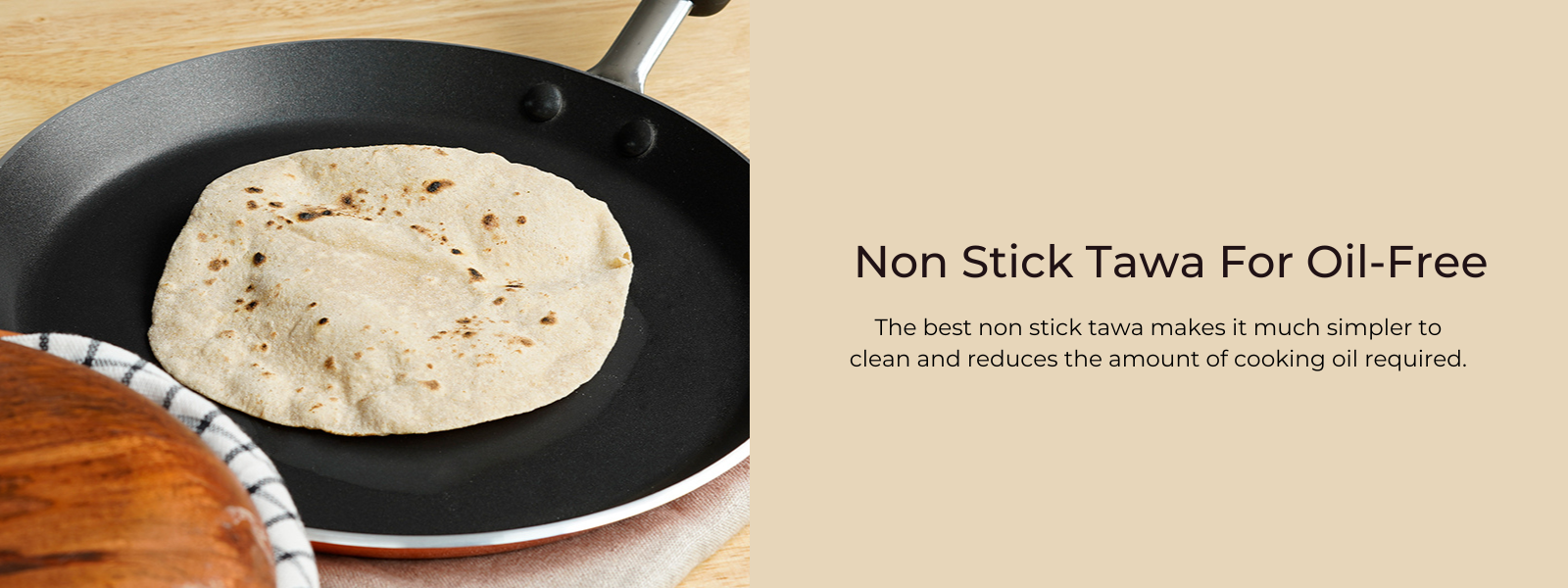
Non-stick cookware is designed for low–medium heat cooking and must not be used for pressure cooking.
Risks include:
-
Breakdown of coating at high heat
-
Release of fumes from overheated surfaces
-
Rapid deterioration of the non-stick layer
Non-stick is ideal for quick sautéing, eggs, pancakes, and light cooking—not pressure cooking or intense steaming.
Low-Quality Aluminium
Uncoated, low-grade aluminium pressure cookers are still common in many households but come with safety concerns. Aluminium reacts with acidic ingredients like tomatoes, tamarind, and lemon, leading to metallic taste and possible leaching.
Issues with low-quality aluminium:
-
High reactivity with food
-
Fast wear and tear
-
Deformation under pressure
-
Long-term health concerns
For aluminium-based cookware, only use hard-anodized or certified high-grade variants.
Warning Signs Your Pressure Cooker May Be Unsafe
Replace your cooker if you notice any of these:
- Warped or uneven bottom
- Persistent steam leakage
- Loose or damaged handles
- Deep dents or scratches
- Powdery or discolored interior
- Cracked or hardened gasket
- Weak or clogged vent tube
Regular inspection is essential for safe daily use.
Safe Usage Practices for Pressure Cooking
Here are essential habits to maintain cookware safety:
- Do not exceed two-thirds capacity
- Begin cooking on high heat but reduce once pressure builds
- Replace gasket rings every 6–12 months
- Keep whistle and vent tube clean
- Allow natural pressure release when possible
- Avoid sudden temperature changes
- Use only certified, food-safe cookware brands
These simple habits significantly increase the safety and lifespan of your cookware.
Choosing Pressure-Safe Cookware for Indian Homes
Meyer Presta cookware is built specifically to withstand the demands of Indian pressure cooking.
Its construction uses high-performance tri-ply stainless steel, engineered for:
• Even Heat Distribution
The aluminium core spreads heat uniformly, ensuring there are no hot spots that could burn food or damage the cooker base.
• Energy Efficiency
Heat conducts faster and more evenly, reducing cooking time and saving fuel.
• Long-Lasting Durability
The robust tri-ply design resists warping, stays structurally strong under repeated pressure cycles, and maintains performance over years of daily use.
With Meyer Presta, you get cookware that is safe, reliable, and perfect for everyday Indian pressure cooking.
Conclusion
Choosing safe cookware for daily pressure cooking is essential for both health and culinary performance. Stainless steel, especially tri-ply stainless steel, is the best and safest choice for Indian kitchens. Avoid non-stick and low-quality aluminium for pressure cooking, and inspect your cookware regularly for signs of wear.
If you’re looking for long-term safety, energy efficiency, and consistent results, Meyer Presta’s high-performance tri-ply stainless steel construction offers everything you need—perfect cooking, every time.






Leave a comment