



Choosing the right cookware is one of the most important decisions for any Indian home. With daily cooking involving deep frying, pressure cooking, tadkas, simmering gravies, roasting masalas, and slow-cooked dals, Indian kitchens demand cookware that can handle high heat, frequent use, and strong spices—without wearing out quickly.
Durable cookware not only improves cooking performance but also saves money in the long run. The right materials can prevent warping, rusting, staining, sticking, and loss of shine despite years of daily use.
If you're planning to upgrade your kitchen essentials, here are the best long-lasting cookware options for Indian cooking, along with recommendations on what to look for and why certain materials truly stand the test of time.
Table of Contents
- 1. Tri-Ply Stainless Steel – The Everyday Workhorse
- 2. Cast Iron – Built to Last for Generations
- 3. Hard-Anodized Cookware – Scratch and Stain Resistant
- 4. Ceramic-Coated Cookware – Safer Alternative for Low-Oil Cooking
- 5. Enamelled Cast Iron – Long-Lasting and Aesthetic
- 6. Tri-ply Pressure Cookers – Reliable and Sturdy
- 7. Tips to Make Cookware Last Longer in Indian Kitchens
- 8. Conclusion
Tri-Ply Stainless Steel – The Everyday Workhorse
Best for: Indian gravies, sautéing, frying, boiling, dal, biryanis.
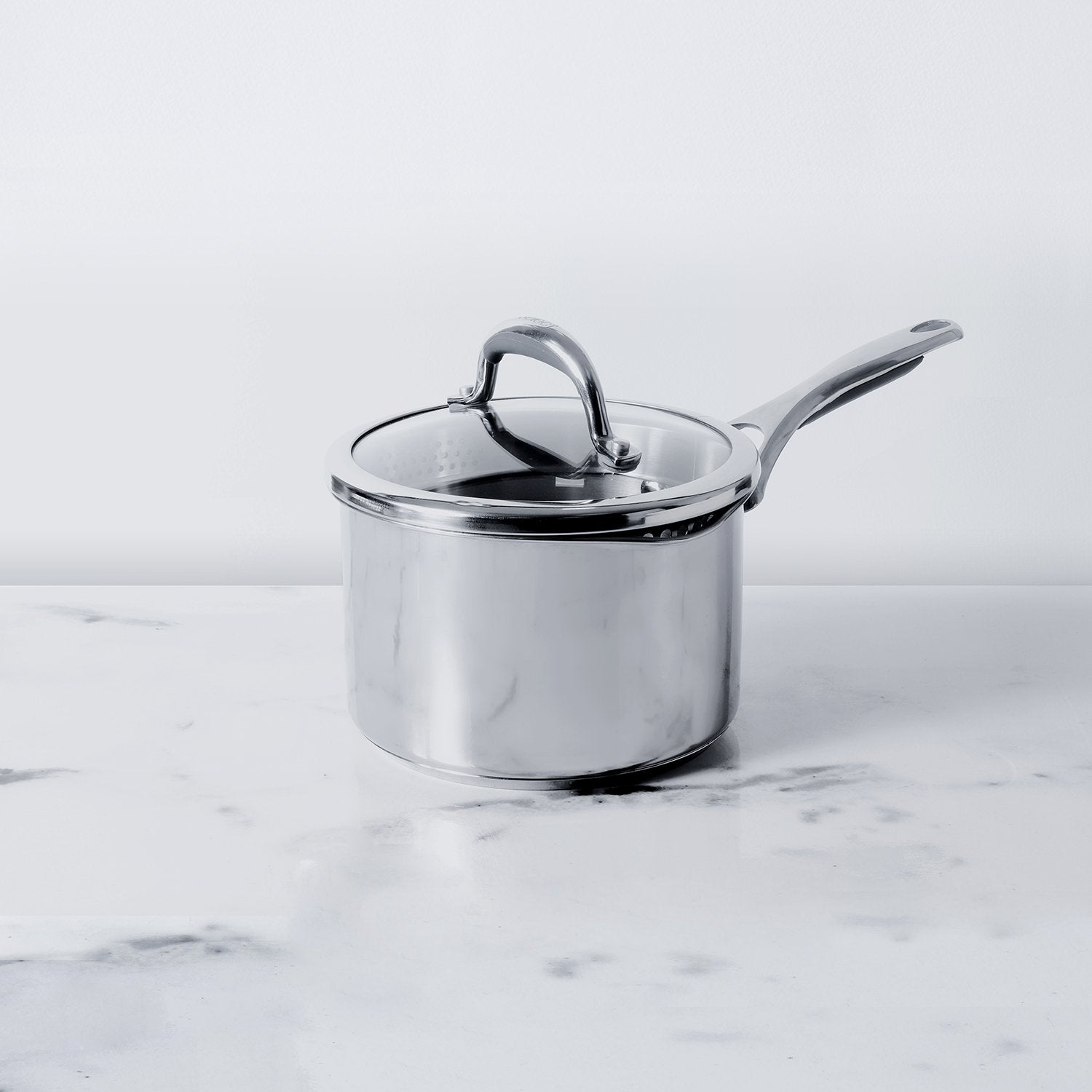
Tri-ply stainless steel is one of the most dependable cookware materials for Indian households. With an aluminium core sandwiched between two layers of stainless steel, it ensures even heating, eliminates hotspots, and resists corrosion.
Why It Lasts Long
-
Doesn’t rust or react with acidic ingredients
-
Can withstand high flames used in tadkas
-
Doesn’t lose shine easily
-
Sturdy body resists dents and warping
Meyer Tri-Ply Trivantage cookware is a strong example of long-lasting performance. Its heavy-duty construction and efficient heat distribution make it perfect for daily Indian meals like sabzis, dals, pulaos, and shallow frying.

Cast Iron – Built to Last for Generations
Best for: Rotis, parathas, dosas, tawa vegetables, slow-cooked gravies.
Cast iron is one of the oldest and most durable cookware materials in India. When seasoned well, it becomes naturally non-stick and improves with age.
Why It Lasts Long
-
Extremely high heat tolerance
-
Becomes better with continued use
-
Heavy body prevents warping
-
Perfect for crisp, evenly browned dishes
Pre-seasoned options like Meyer Cast Iron give all the benefits of traditional cookware with modern enhancements such as ergonomic handles and rust-resistant preseasoning.
Meyer Cast Iron Two Side Handle Flat Tawa Pan,30cm
Hard-Anodized Cookware – Scratch and Stain Resistant
Best for: Everyday curries, stir-fries, low-oil cooking.
Hard-anodized aluminium is strengthened through an electrochemical process that makes it harder than steel, non-reactive, and long-lasting.
Why It Lasts Long
-
Highly scratch-resistant
-
Non-reactive to tamarind, tomato, yogurt
-
Excellent heat conductivity
-
Doesn’t chip or peel
Ranges like Meyer Merlot or Circulon non-stick with anodized bodies remain stable even with heavy use and frequent washing—ideal for busy Indian households.
Ceramic-Coated Cookware – Safer Alternative for Low-Oil Cooking
Best for: Upma, poha, sautéed vegetables, light daily cooking.
A good-quality ceramic coating can last long if used properly. It is ideal for those who prefer healthy, low-oil cooking.
Why It Lasts Long
- Naturally non-stick surface
- Resistant to mild scratches when well maintained
- Heats evenly and cools quickly
- Doesn’t react with Indian spices
Eco-conscious households often choose ceramic ranges like Meyer Anzen for clean, toxin-free, low-oil cooking.
Enamelled Cast Iron – Long-Lasting and Aesthetic
Best for: Slow-cooked dals, kadhais, festive cooking, one-pot meals.
Enamelled cast iron offers durability combined with a rust-free, easy-to-clean exterior.
Why It Lasts Long
- Heavy-duty and built for lifetime use
- Enamel layer prevents rusting
- Holds heat for a long time, reducing fuel usage
- Doesn’t react with acidic food
This makes it ideal for rich North Indian gravies, biryanis, rajma, chole, and festive dishes.
Tri-ply Pressure Cookers – Reliable and Sturdy
Best for: Rice, dal, steaming, daily pressure cooking.
A good tri-ply pressure cooker ensures safety and durability for years, even with daily use.
Why It Lasts Long
- Handles heat and pressure cycles without damage
- Resistant to pitting from salt and masalas
- Sturdy build prevents dents
Look for heavy-bottom cookers or tri-ply cookers for better performance and longevity.
Tips to Make Cookware Last Longer in Indian Kitchens
Even the best cookware needs care. Here are essential practices:
-
Avoid overheating empty pans.
-
Use the right spatulas—wooden, silicone, or compatible for the material.
-
Clean immediately after cooking oily or masala-heavy dishes.
-
For stainless steel, use vinegar or baking soda to maintain shine.
-
Keep cast iron dry and lightly oiled after washing.
-
Stack cookware properly or use pan protectors.
Conclusion
Durability in Indian kitchens depends on choosing the right material and maintaining it well. Tri-ply stainless steel, cast iron, hard-anodized cookware, ceramic-coated pans, and enamelled cast iron are some of the best long-lasting choices. Thoughtfully designed options like Meyer Presta, Meyer Cast Iron, Meyer Anzen, and quality hard-anodized ranges offer longevity, safety, and consistent performance for everyday Indian cooking.
With the right cookware, you not only improve the taste and quality of food but also make your kitchen more efficient and sustainable.
MORE FROM BLOG
Top Collections
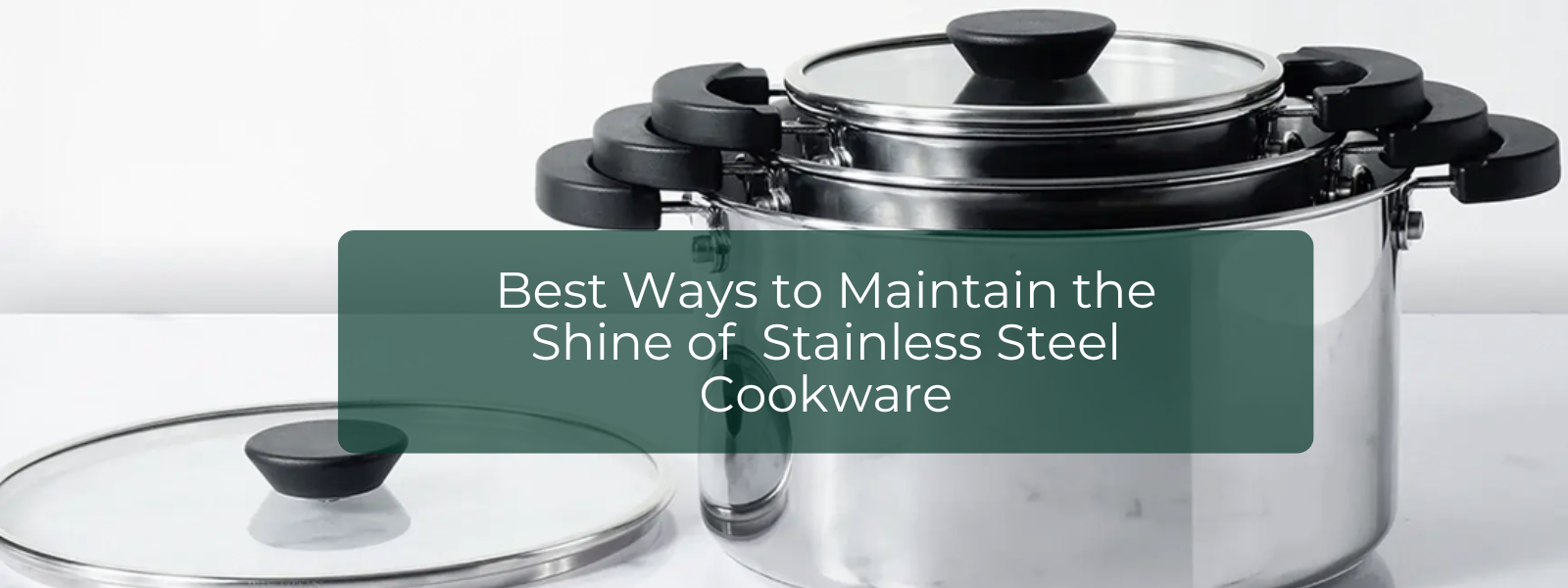
Best Ways to Maintain the Shine of Your Stainless Steel Cookware
2 Items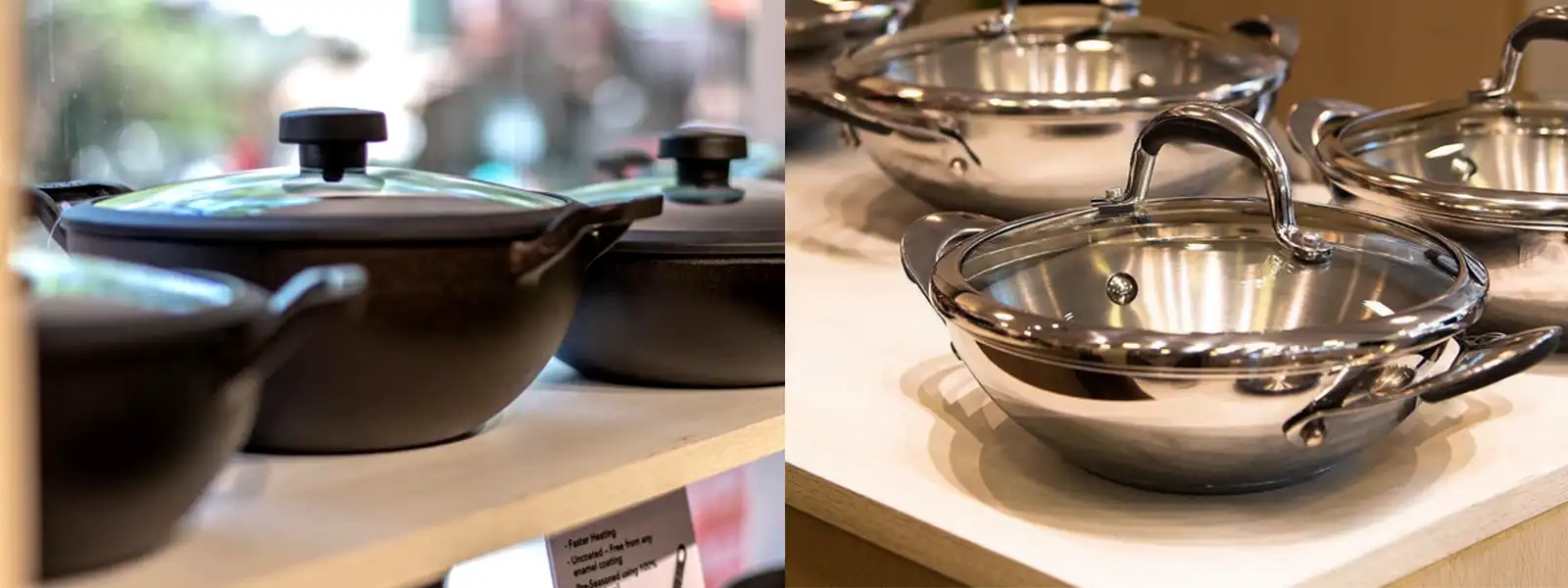
Cast Iron Vs Stainless Steel Cookware: Which one should you pick?
2 Items
How to Transition from Non-Stick to Stainless Steel Cookware in 2025
2 Items
Turn Stainless Steel Pan Into Non-Stick
2 Items
How to turn cast iron into non-stick cookware
2 Items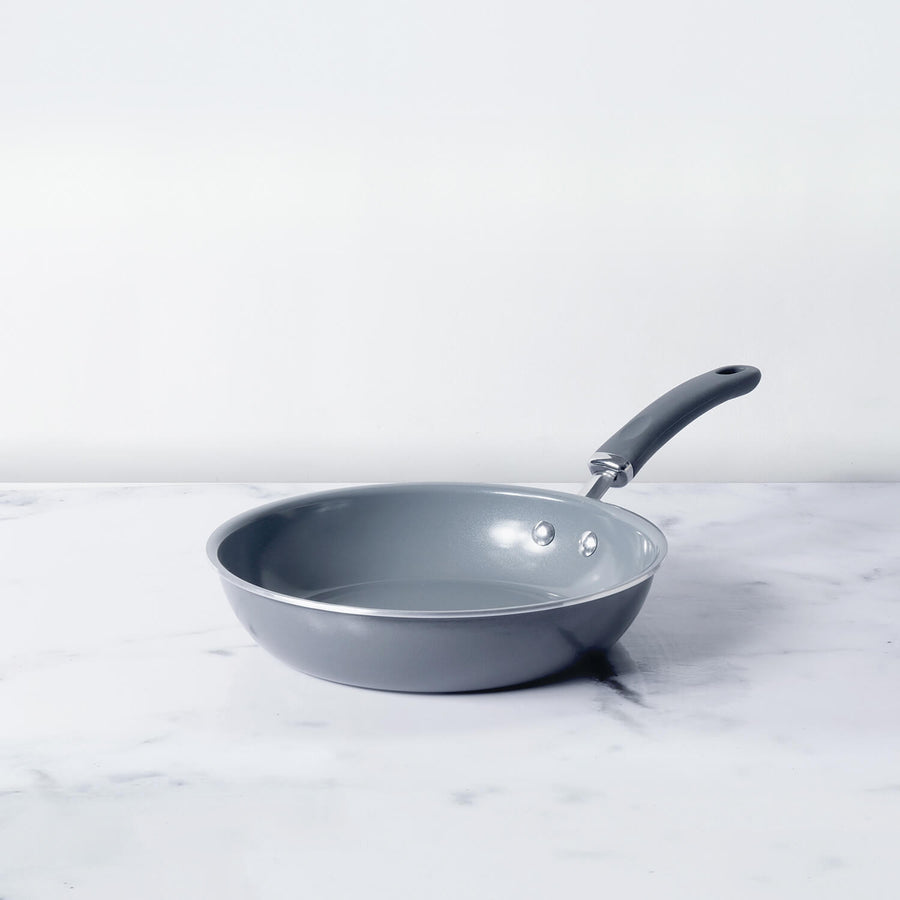


Leave a comment