



A perfectly made halwa should be smooth, glossy, and rich—not burnt, sticky, or unevenly cooked. Whether you’re preparing sooji halwa for a quick offering, gajar ka halwa for a family gathering, or moong dal halwa for festive occasions, one common challenge remains the same: preventing the mixture from sticking to the pan.
While constant stirring is important, the real difference comes from using the right cookware. The pan’s material, base thickness, and heat response play a crucial role in achieving flawless halwa.
Table of Contents
Why Halwa Sticks During Cooking
Halwa requires long cooking time, continuous stirring, and gradual evaporation of moisture. Sugar and dairy ingredients caramelise quickly when exposed to uneven or excessive heat. Lightweight or thin cookware creates hot spots, causing the halwa to burn or stick at the bottom before it cooks evenly.
Choosing high-quality cookware ensures controlled heat and a smoother cooking process.

Best Cookware for Making Halwa Without Sticking
Anzen Ceramic Cookware: Gentle Heat and Easy Release
Anzen ceramic cookware is an excellent choice for halwa, especially for everyday preparations like sooji or atta halwa. The ceramic-coated surface offers natural non-stick properties, allowing the halwa to move smoothly while stirring.
It distributes heat evenly, reducing the chances of sugar scorching or sticking, and requires less ghee—making it a practical option for lighter desserts.
Meyer Select Stainless Steel: Steady Heat and Precision
Meyer Select stainless steel cookware is ideal for halwa that needs careful temperature control. Its thick base ensures even heat distribution, which helps prevent the mixture from sticking or burning during prolonged cooking.
This cookware works well for gajar ka halwa and milk-based halwas where slow reduction and consistency are key.
Bauhaus Cookware: Modern Design with Reliable Performance
Bauhaus cookware combines contemporary aesthetics with functional performance. Its sturdy construction allows even heat flow, making it suitable for desserts that require constant stirring and consistent temperature.
Bauhaus cookware is a great choice when preparing halwa for gatherings, offering both reliable cooking results and ease of handling.
Circulon Clad Stainless Steel with SteelShield Technology: High Heat, High Control
For those who cook halwa frequently or in larger quantities, Circulon Clad Stainless Steel cookware with SteelShield Technology offers exceptional durability and heat control. The hybrid surface withstands intense stirring without wear and helps prevent sticking even during extended cooking.
It is especially effective for dense halwas like moong dal halwa, where prolonged cooking can otherwise lead to burning.
Meyer Trivantage Stainless Steel Triply Cookware Open Frypan, 26cm
What to Avoid When Cooking Halwa
Thin aluminium pans heat unevenly and often cause sugar to burn quickly. Lightweight non-stick pans may degrade under constant stirring. Shallow pans also increase the risk of uneven cooking and splattering.
Tips to Make Perfect Non-Sticky Halwa
Preheat the pan gently before adding ghee. Always cook halwa on medium to low heat, stirring continuously and scraping the base to prevent residue buildup. Add sugar only after the base ingredients are fully cooked. Use a flat spatula to ensure even movement across the pan surface.
Conclusion
Making halwa without sticking is less about effort and more about choosing the right pan. Cookware that offers even heat, a stable surface, and durability transforms halwa-making from a tiring task into an enjoyable experience.
With thoughtfully designed cookware like Anzen ceramic, Meyer Select stainless steel, Bauhaus, and Circulon Clad Stainless Steel with SteelShield Technology, you can achieve smooth, rich, perfectly cooked halwa—every single time.
MORE FROM BLOG
Top Collections
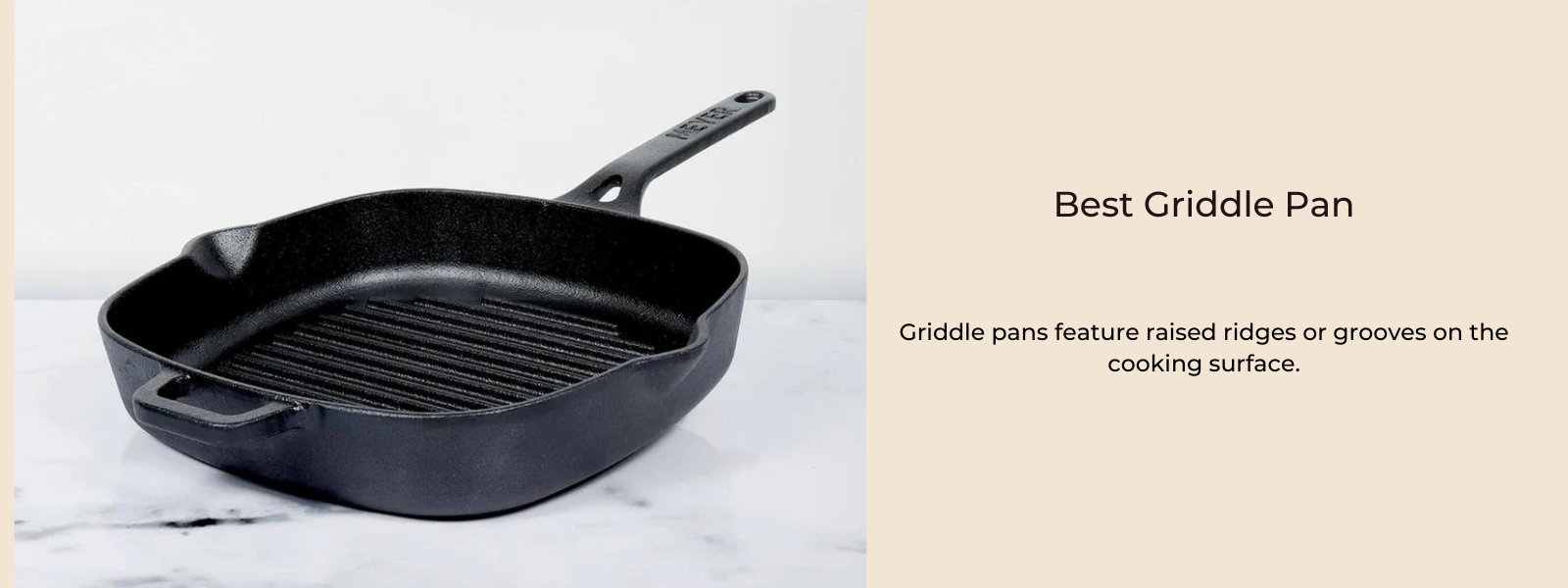
Best Griddle Pan For Grill-Like Results At Home
2 Items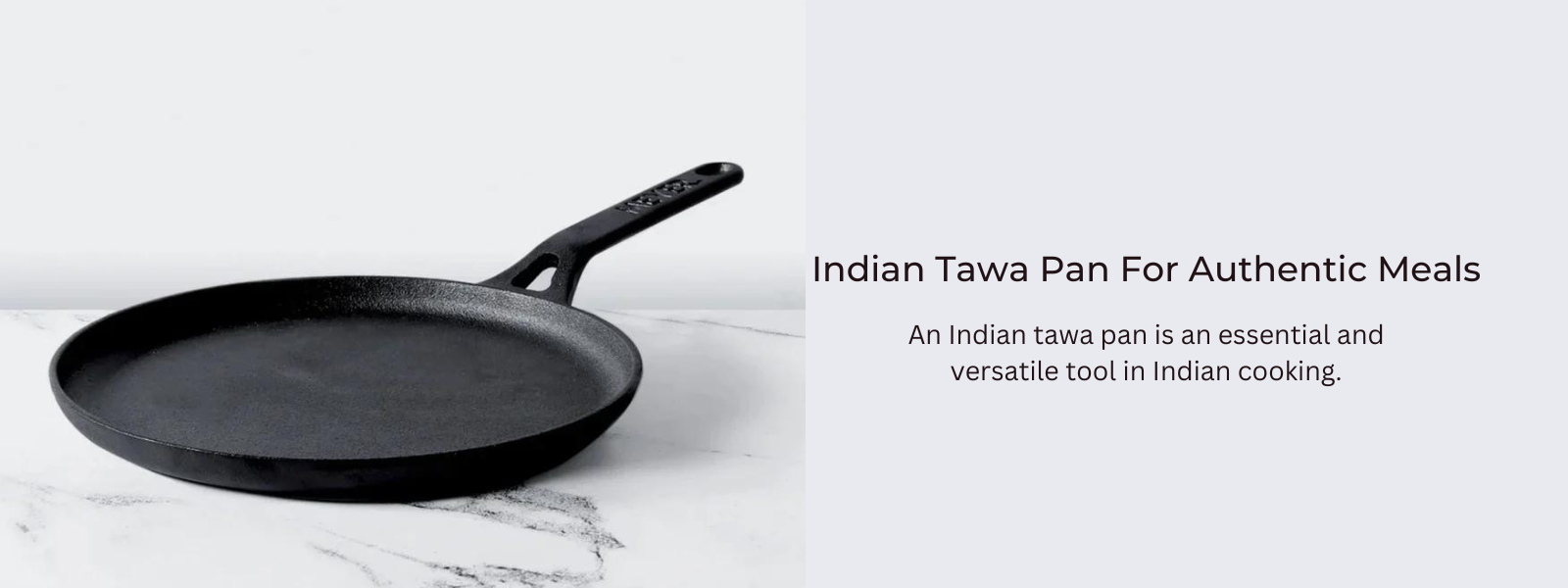
Indian Tawa Pan For Authentic Meals
2 Items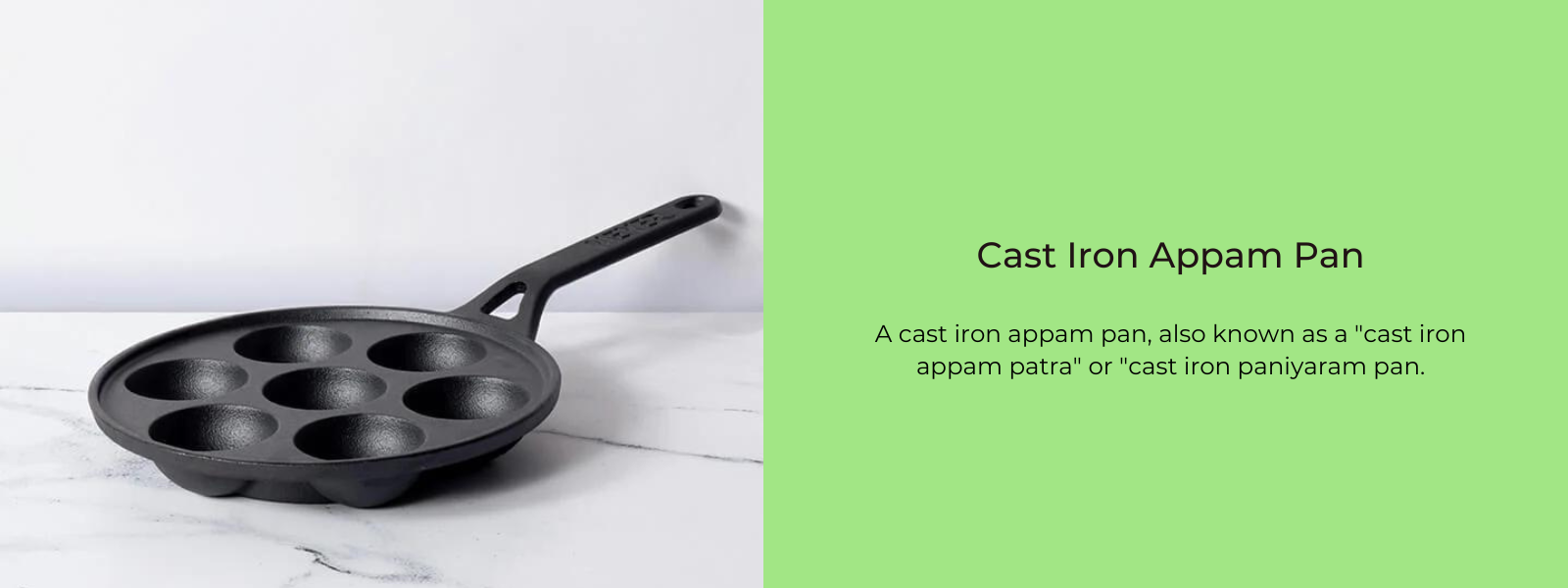
Cast Iron Appam Pan: Cookware That Lasts For Lifetime
2 Items
Cast iron pan vs. stainless steel pan — which should I buy?
2 Items
Different Types of Frypans and Their Uses in 2025
2 Items
Easy way to turn Stainless Steel Pan into Nonstick
2 Items


Leave a comment