



Every great recipe—whether it appears in a cookbook, on a food blog, or in a restaurant kitchen—begins with careful recipe testing. Behind the scenes, recipes are cooked repeatedly, adjusted, refined, and retested until flavour, texture, and timing are perfectly balanced. While ingredients and technique matter, one factor is often underestimated: the role of cookware in recipe consistency.
For home chefs, food bloggers, culinary entrepreneurs, and brand collaborators, the right cookware transforms a home kitchen into a reliable recipe development space.
Table of Contents
- 1. Why Recipe Testing Is Different from Everyday Cooking
- 2. How Cookware Impacts Recipe Accuracy
- 3. Cookware Characteristics Essential for Recipe Development
- 4. Essential Meyer Cookware for Home Recipe Testing
- 5. Why Using the Same Cookware Set Improves Results
- 6. Recipe Testing for Content Creators & Brands
- 7. Scaling Recipes Becomes Easier
- 8. Common Recipe Testing Mistakes to Avoid
- 9. Conclusion
Why Recipe Testing Is Different from Everyday Cooking
Casual cooking allows flexibility. Recipe testing does not.
Recipe testing involves:
- Cooking the same dish multiple times
- Making small, controlled adjustments
- Measuring exact cooking times
- Observing heat response and ingredient behaviour
If cookware behaves differently each time—heating unevenly, cooling too fast, or reacting inconsistently—results become unreliable. This makes it impossible to know whether a recipe change improved the dish or if the cookware altered the outcome.
Consistent cookware removes these variables.

How Cookware Impacts Recipe Accuracy
Heat Distribution Affects Flavour Development
Uneven heat leads to:
-
Patchy browning
-
Burnt spices
-
Raw centres
Triply stainless steel and cast iron cookware distribute heat evenly, ensuring each test batch behaves the same way.
Heat Retention Determines Cooking Stability
Recipes like curries, stews, biryanis, and sauces require steady temperatures over time. Cookware with poor heat retention causes temperature drops that affect texture and flavour.
High-quality cookware maintains stable cooking conditions—essential for repeatable results.
Surface Response Influences Texture
The cookware surface determines how food releases, browns, and caramelises. This is critical when testing:
- Proteins
- Batter-based recipes
- Low-oil cooking
Hybrid and well-finished surfaces reduce food loss and preserve texture accuracy.
MEYER Presta 2L Tri-ply Pressure Cooker
Cookware Characteristics Essential for Recipe Development
1. Predictable Performance
Cookware must respond the same way every time—no surprises, no hotspots.
2. Accurate Sizing
Testing in the correct pan size ensures realistic cooking times and moisture levels.
3. Durability Across Repetitions
Recipe testing can involve cooking the same dish 5–10 times. Cookware must hold up without warping or performance loss.
4. Ease of Observation
Stainless steel and enamel surfaces allow visual monitoring of browning, boiling, and reduction.
Essential Meyer Cookware for Home Recipe Testing
Meyer Trivantage Triply Stainless Steel Cookware
This is the backbone of consistent recipe development. The aluminium core ensures uniform heating and precise temperature control.
Ideal for testing:
- Gravies and curries
- Stir-fries
- Sauce reduction
- Sautéing aromatics
It allows small adjustments in heat to show clear, measurable differences.
Meyer Select Stainless Steel Cookware
Designed for everyday reliability, this range supports base recipe development.
Best for:
-
Dal and lentils
-
Milk-based recipes
-
Boiling and blanching
-
Tea and infusion testing
Its neutral performance makes it ideal for documenting standard cooking times.
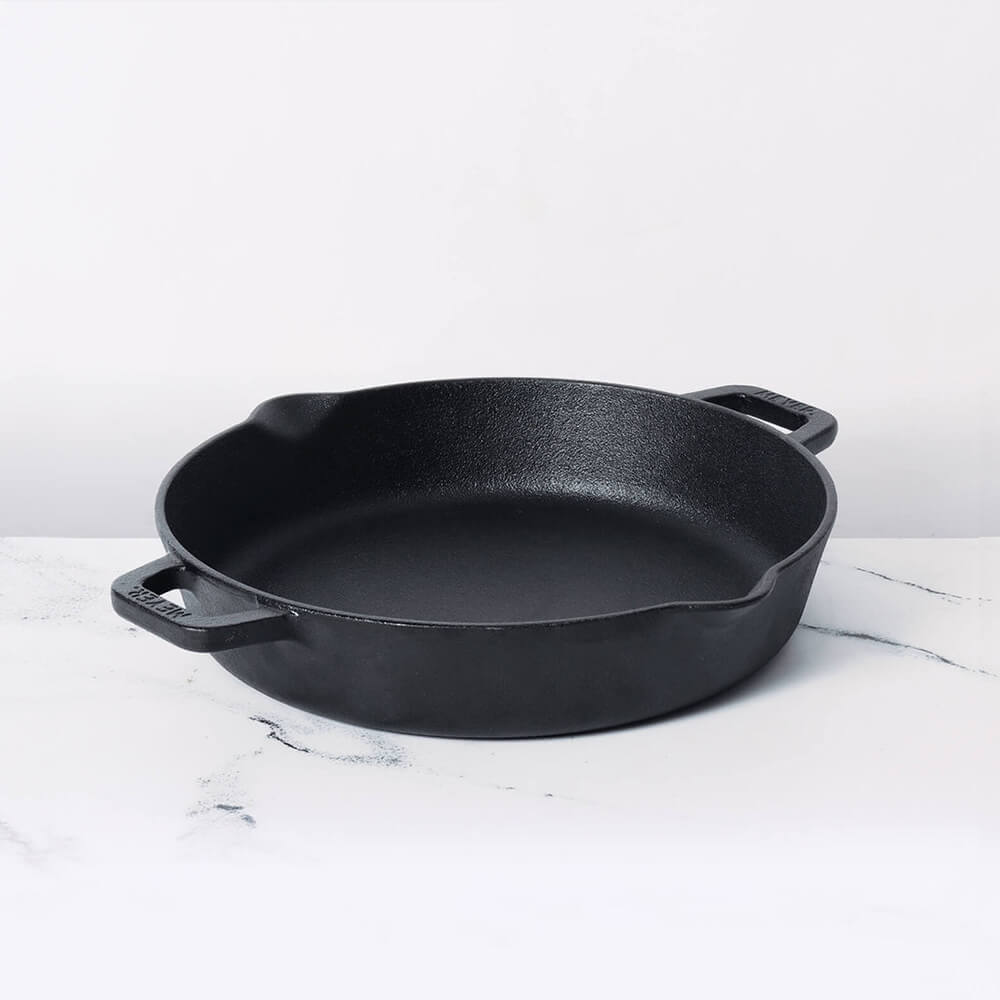
Meyer Enamel Cast Iron Cookware
When testing traditional or slow-cooked recipes, enamel cast iron ensures even, prolonged heat.
Perfect for:
-
Dum biryani
-
Stews and casseroles
-
One-pot meals
-
Oven-to-stovetop recipes
Its heat retention helps replicate restaurant-style results at home.
Circulon SteelShield Hybrid Cookware
Some recipes require repeated flipping, stirring, or low-oil cooking. SteelShield cookware supports precision without food sticking or tearing.
Ideal for:
- Eggs and omelettes
- Pancakes and crepes
- Tikkis and cutlets
- Shallow frying tests
This reduces ingredient wastage during multiple trials.
Meyer Bauhaus Saucepan
Small-batch testing demands precision. A compact saucepan is essential for controlled experiments.
Used for:
- Sauce ratios
- Tempering variations
- Syrups and reductions
- Spice infusion trials
It allows focused testing without scaling errors.
Why Using the Same Cookware Set Improves Results
Professional kitchens standardise cookware to maintain consistency. Home recipe developers benefit from the same discipline.
Using a single, consistent cookware set:
- Eliminates equipment-related variables
- Improves documentation accuracy
- Makes recipes easier to replicate
- Simplifies future scaling
When recipes are tested reliably, they perform better for readers and viewers.
Recipe Testing for Content Creators & Brands
For food bloggers and influencers, consistency impacts:
- Audience trust
- Recipe success rate
- Brand collaborations
Brands prefer creators whose recipes work every time. Reliable cookware strengthens professional credibility.
Scaling Recipes Becomes Easier
Recipes tested on high-performance cookware translate more accurately to:
-
Larger batches
-
Cloud kitchens
-
Catering operations
-
Commercial kitchens
This is essential for chefs planning to monetise recipes or expand operations.
Common Recipe Testing Mistakes to Avoid
- Switching cookware mid-testing
- Using damaged or warped pans
- Testing in oversized cookware
- Ignoring cookware heat recovery
Each mistake introduces inconsistency and slows development.
Conclusion
Recipe testing is the foundation of great cooking content and reliable culinary success. While creativity shapes flavour, consistent cookware ensures accuracy, repeatability, and confidence.
With dependable cookware such as Meyer Trivantage, Meyer Select, Meyer Enamel Cast Iron, Bauhaus, and SteelShield, home kitchens become precise testing spaces—where recipes are refined, perfected, and ready to be shared with the world.
Great recipes aren’t guessed—they’re tested.
MORE FROM BLOG
Top Collections
Cast Iron Cookware: The Benefits of Cooking with Tradition
2 Items
Cast Iron Cookware: Why It’s Perfect for Outdoor Cooking
2 Items
Cookware That Works Best on Induction Stovetops in 2025
2 Items
Eco-Friendly Cookware Options for a Green Diwali
2 Items
How Nonstick Cookware Promotes Healthier Eating Habits
2 Items
How to Maintain Your Cast Iron Cookware
2 Items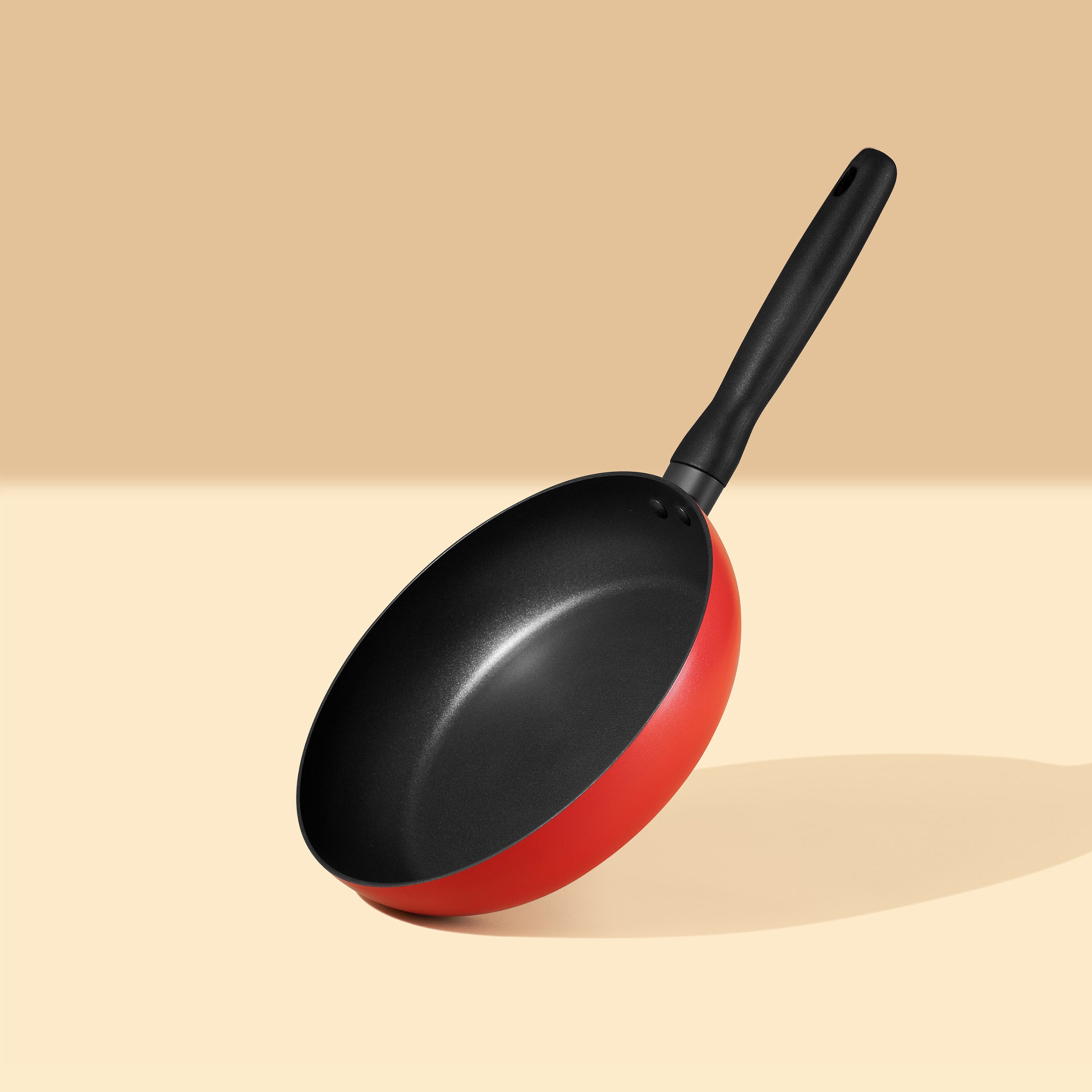


Leave a comment