



The signature smoky aroma of restaurant-style Indian dishes—think dal makhani, paneer butter masala, or rich North Indian gravies—often comes from a traditional technique known as dhungar. While it may sound elaborate, dhungar can be done easily at home using regular cookware, provided the pots are sturdy, heat-stable, and well-covered.
With the right method and dependable cookware, you can recreate authentic smoky flavours in your everyday kitchen—no tandoor or outdoor grill required.
Table of Contents
What Is Dhungar?
Dhungar is an age-old Indian smoking technique where hot charcoal and ghee or oil are briefly introduced to a finished dish and sealed to trap smoke. The smoke gently infuses the food, adding depth and aroma without altering texture or overpowering spices.
This technique works beautifully for:
- Dal makhani and dals
- Paneer and vegetable gravies
- Tandoori-style curries
- Festive and slow-cooked dishes

Why Dhungar Works So Well in Home Kitchens
Dhungar is especially suited for Indian homes because it:
-
Requires only a small piece of charcoal
-
Works on gas or induction cooking setups
-
Uses cookware you already own
-
Takes less than two minutes
The key lies in using heavy-bottomed cookware with a tight lid—this ensures the smoke stays contained and evenly distributed.
Meyer Pre Seasoned Cast Iron 2 Sides Handle Appam Pan, 26cm
Choosing the Right Cookware for Dhungar
For safe and effective smoking, cookware should retain heat and seal well.
Best Options
- Heavy stainless steel pots for gravies and dals
- Cast iron cookware for richer, slower infusions
- Well-built non-stick cookware for controlled, quick smoking
For example, a sturdy pot from the Meyer Select stainless steel range works exceptionally well for dhungar-based dals and gravies, as it holds heat evenly and seals smoke efficiently. Similarly, Meyer Enamel Cast Iron cookware is ideal when you want a deeper, more rounded smoky flavour in slow-cooked dishes.
Step-by-Step: DIY Dhungar Using Regular Pots
Step 1: Cook the Dish Fully
Dhungar is always the finishing step. Ensure your dish is completely cooked and resting on low heat.
Step 2: Heat the Charcoal
Using tongs, heat a small piece of natural charcoal directly over a flame until it turns red hot.
Step 3: Create a Smoke Holder
Place a small steel bowl or onion shell in the centre of the pot.
Step 4: Add Ghee or Oil
Place the hot charcoal into the bowl and add:
- A few drops of ghee for a rich aroma
- Mustard oil for a sharper, tandoor-like note
The smoke will rise immediately.
Step 5: Cover and Infuse
Cover the pot tightly and allow the smoke to infuse:
-
30–45 seconds for mild smokiness
-
1–2 minutes for stronger flavour
Cookware with snug lids—like those in Meyer Trivantage or SteelShield stainless steel collections—helps lock in smoke without leakage.
Step 6: Remove and Serve
Carefully remove the charcoal bowl, stir gently, and serve hot.
Why Heavy Cookware Makes a Difference
Well-constructed cookware:
-
Traps smoke more effectively
-
Maintains consistent internal temperature
-
Prevents bitterness caused by uneven infusion
This is why thicker pots—such as Meyer Enamel Cast Iron Dutch ovens or premium stainless steel casseroles—deliver more balanced results than lightweight vessels.
Managing Smoke Safely Indoors
To keep the process comfortable:
- Turn on your chimney or exhaust fan
- Keep windows slightly open
- Use minimal ghee or oil
- Avoid plastic or loose-fitting lids
When done correctly, dhungar creates aroma, not lingering smoke.
Dishes That Benefit Most from Dhungar
- Dal makhani
- Paneer butter masala
- Malai kofta gravy
- Butter chicken-style sauces
- Tandoori vegetable curries
Even simple home-style dals can feel festive with a touch of smoke.
Conclusion
Dhungar proves that restaurant-style smoky flavour doesn’t need specialised equipment—just the right technique and reliable cookware. Using well-sealed, heat-stable pots like Meyer Select stainless steel or Meyer Enamel Cast Iron ensures the smoke infuses evenly and safely.
With a little practice, this traditional method can become your secret finishing touch—transforming everyday home cooking into something truly special.
MORE FROM BLOG
Top Collections
Bakeware Safety: Tips for Choosing Non-Toxic and Durable Materials
2 Items
Benefits of Using Nonstick Cookware for Weight Management
2 Items
Best Bakeware For Easy Home-Baking During Christmas
2 Items
Best Non Stick Dosa Tawa For Daily Cooking
2 Items
Cast Iron Griddle: Must-Have Cookware For Grilling
2 Items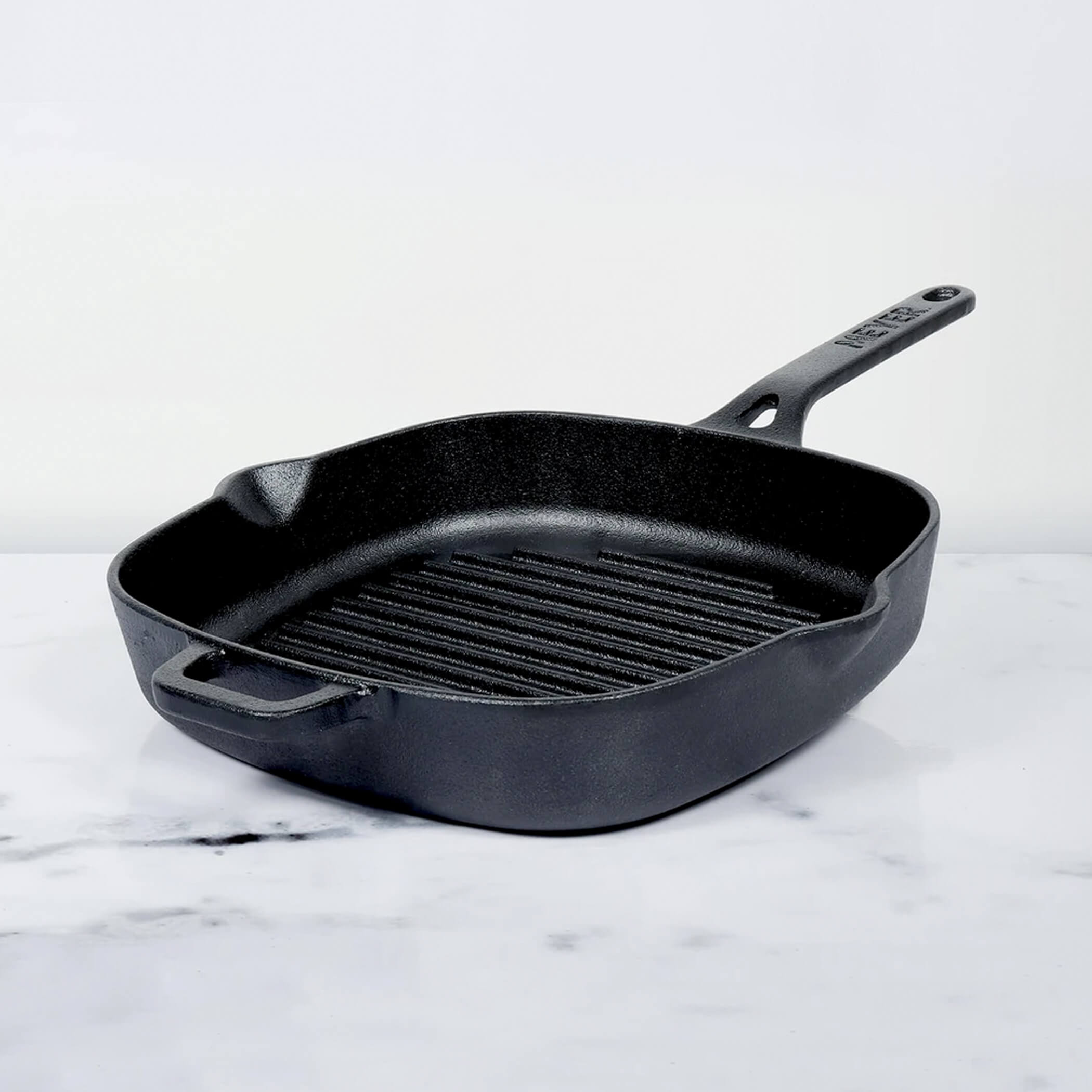


Leave a comment