



Indian cooking has always valued patience, balance, and depth of flavour. Today, as home kitchens evolve and cooking techniques become more refined, modern methods like sous vide cooking are finding their way into everyday Indian recipes—especially curries.
Rather than replacing tradition, sous vide adds a layer of precision cooking that complements classic Indian techniques. When paired with the right cookware and finishing methods, it allows home cooks to achieve consistent, restaurant-quality results—without compromising on authenticity.
Table of Contents
- 1. Understanding Sous Vide in the Indian Kitchen
- 2. Why Sous Vide Works So Well for Indian Curries
- 3. Start with the Masala
- 4. Sous Vide the Protein for Precision and Consistency
- 5. Finish the Curry the Indian Way
- 6. Why Quality Cookware Completes the Sous Vide Experience
- 7. A Health-Forward Way to Cook Indian Food
- 8. Sous Vide as a Supporting Technique, Not a Shortcut
- 9. Conclusion
Understanding Sous Vide in the Indian Kitchen
Sous vide is a low-temperature cooking method where ingredients are sealed and cooked gently in a controlled water bath. Globally, it’s known for delivering perfect textures and even cooking, which makes it particularly effective for Indian proteins and spice-based dishes.
In Indian cooking, where gravies and masalas carry complex flavours, sous vide works best when used selectively—supporting the process rather than replacing it.

Why Sous Vide Works So Well for Indian Curries
Indian curries rely on slow flavour infusion, careful spice handling, and correct heat control. Sous vide supports these principles by:
-
Ensuring proteins remain tender and juicy
-
Allowing spices and aromatics to infuse evenly
-
Preventing overcooking or dryness
-
Reducing the need for excessive oil
This approach is increasingly popular among home chefs, recipe developers, and cloud kitchens, where consistency and quality matter.
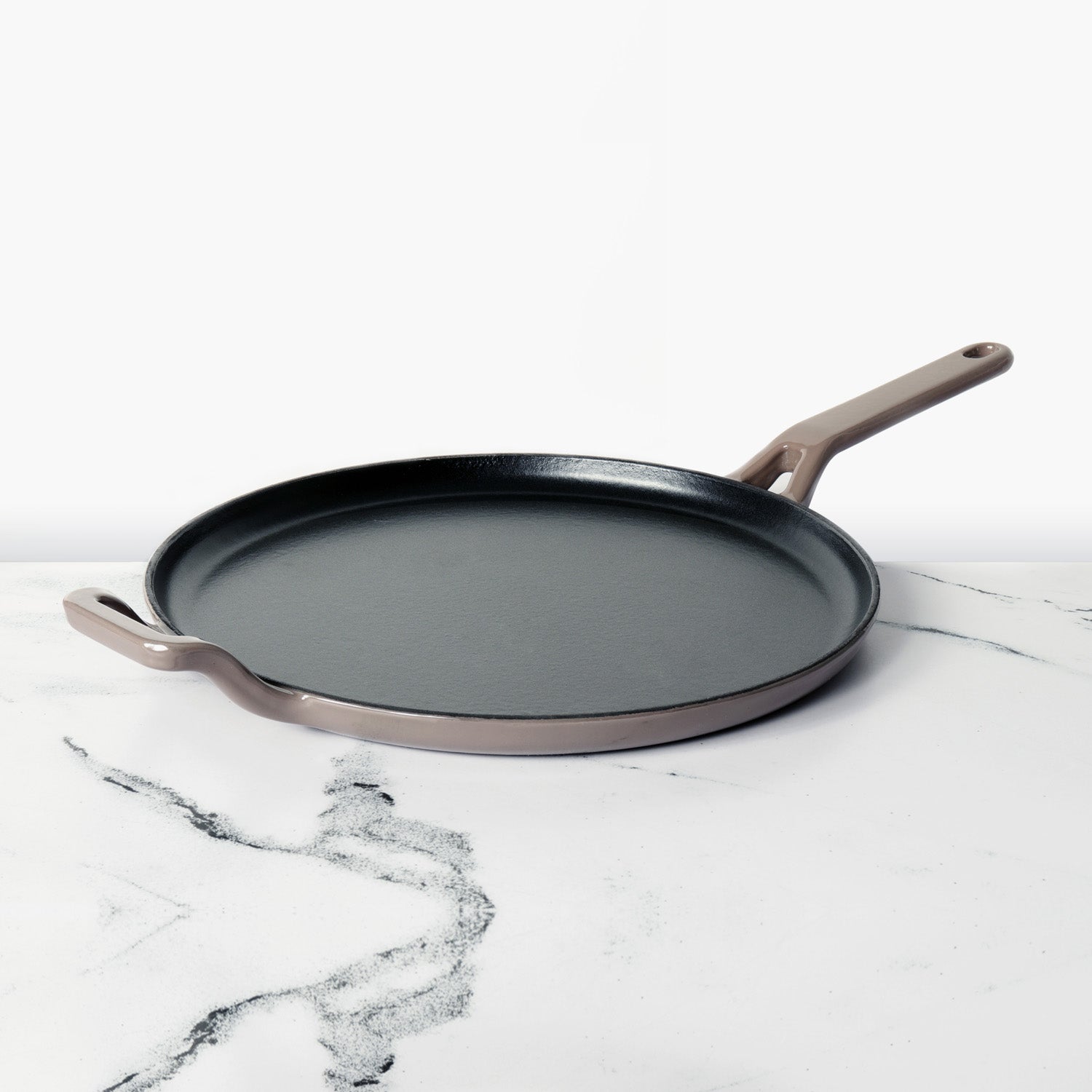
Meyer Pre Seasoned Cast Iron 2 Sides Handle Appam Pan, 26cm
Start with the Masala—Always the Traditional Way
No modern technique can replace the importance of a well-cooked Indian masala. Onions, ginger, garlic, tomatoes, and spices must be sautéed and roasted properly to unlock their full flavour.
Using tri-ply stainless steel cookware, such as Meyer Trivantage, ensures even heat distribution during this crucial stage. A heavy, responsive kadai allows spices to bloom without burning—laying the foundation for a flavourful curry.
Once the masala is cooked, it can be cooled slightly and paired with the protein for sous vide cooking.
Sous Vide the Protein for Precision and Consistency
Sous vide is best used for cooking proteins like chicken, paneer, or lamb—sealed with cooked masala and a small amount of fat. This allows flavours to penetrate deeply while maintaining perfect texture.
For busy households or professional kitchens, this method also supports meal prep, advance cooking, and consistent batch results.
Finish the Curry the Indian Way
After sous vide cooking, the dish is finished traditionally—adjusting gravy thickness, adding cream or ghee, and finishing with kasuri methi or tadka.
This final stage benefits from cookware that holds heat steadily. Meyer Enamel Cast Iron cookware is ideal for this step, as it maintains gentle, even heat and allows flavours to settle and mature naturally.
Why Quality Cookware Completes the Sous Vide Experience
While sous vide takes place in water, the cookware used before and after plays a defining role in the final outcome.
-
Stainless steel cookware supports precise masala cooking
-
Cast iron cookware enhances slow finishing and flavour depth
-
Well-balanced saucepans and casseroles ensure clean, controlled reductions
Cookware from the Meyer Select stainless steel range works particularly well for reheating and finishing sous vide dishes without flavour distortion.
A Health-Forward Way to Cook Indian Food
Sous vide aligns well with modern health-focused cooking:
- Lower oil usage
- Better nutrient retention
- Controlled cooking temperatures
- Reduced risk of spice burning
When combined with toxin-free, durable cookware, it supports a more mindful and balanced approach to Indian cooking.
Sous Vide as a Supporting Technique, Not a Shortcut
Indian cooking is built on instinct, aroma, and experience. Sous vide should be viewed as a precision tool—one that supports tradition rather than replaces it.
The most successful approach is a hybrid one: classic masala preparation, sous vide protein cooking, and traditional finishing in dependable cookware.
Conclusion
Sous vide Indian-style cooking represents the future—where tradition meets technology. By respecting classic masala techniques and using sous vide for controlled protein cooking, home cooks can achieve restaurant-quality results without stress.
The secret lies not just in the technique, but in pairing precision cooking with the right cookware—ensuring every curry is rich, balanced, and deeply satisfying.
MORE FROM BLOG
Top Collections

A Nutritional Breakdown of Popular Millets: Benefits for Your Health
2 Items
Best Iron Tawa For Roti: Cookware For Indian Food
2 Items
Best stainless steel cookware for summer cooking
2 Items
Best tools to help you lose weight in 2023
2 Items
Easy and Healthy Lunch ideas for Weight Loss
2 Items
Easy to Prepare Healthy Cauliflower Recipes
2 Items


Leave a comment